Can Knock Sensor Cause Stalling
Yes, a bad knock sensor can contribute to stalling, but it usually does so indirectly through timing and engine-control changes. If your engine stalls, check the sensor circuit along with fuel, ignition, and airflow before replacing parts.
A faulty knock sensor can contribute to stalling, but it is usually not the only cause. More often, it creates rough running, reduced power, or unstable idle that can make an engine feel like it is about to shut off.
- Direct answer: A knock sensor can cause stalling, but it is often one factor in a.
- Most common clue: Look for check engine lights, reduced power, hesitation, or rough idle before assuming the.
- Best first step: Read OBD-II codes and inspect the sensor connector and harness for damage or corrosion.
- Common lookalikes: Misfires, vacuum leaks, fuel delivery issues, and airflow problems can mimic knock sensor symptoms.
Can a Knock Sensor Cause Stalling? Quick Answer and What It Means
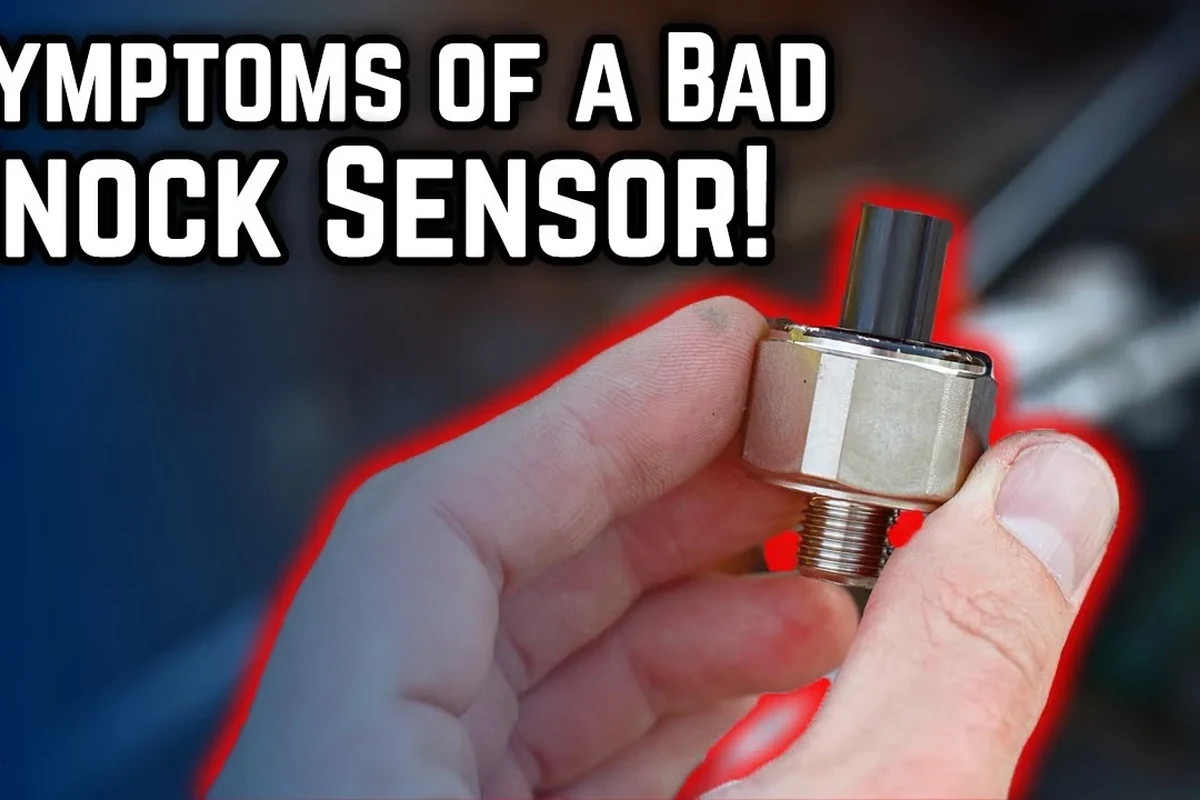
Yes, a knock sensor can sometimes lead to stalling, especially if the engine control unit reacts by pulling too much timing or if the sensor signal is erratic. That said, true stall events often involve another issue too, such as wiring damage, vacuum leaks, ignition faults, or fuel delivery problems.
If your vehicle stalls at idle, under load, or when coming to a stop, treat the knock sensor as one possible clue rather than a final diagnosis. The safest approach is to read the fault codes, inspect the connector and harness, and look for other symptoms that point to a broader engine-management issue.
How a Knock Sensor Works in Modern Engines
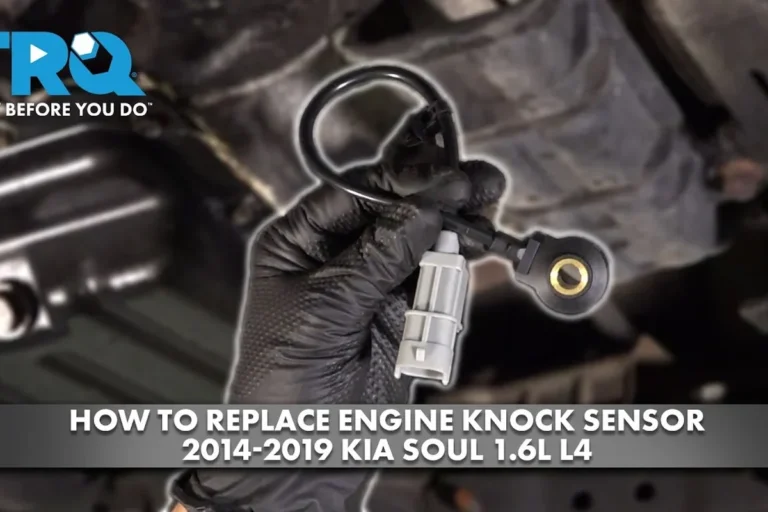
A knock sensor listens for abnormal combustion vibrations, often called engine knock or detonation. The engine computer uses that signal to protect the engine by adjusting ignition timing and, in some vehicles, fuel strategy and boost control.
What the sensor detects and how the ECU responds
The sensor is usually mounted on or near the engine block so it can detect vibration patterns. When the ECU believes knock is present, it may retard timing to reduce stress on the engine, which can lower power and smoothness for a short time.
If the signal looks wrong, the ECU may also enter a protective mode. In some vehicles that means reduced throttle response, poor acceleration, and an idle that feels unstable enough to stall in traffic.
Many engines can run temporarily with a knock sensor fault, but they may do so with reduced performance to protect internal components.
Why timing, fuel quality, and engine load matter
Knock is more likely when the engine is under heavy load, running hot, or using fuel that is lower quality than the engine expects. Turbocharged engines and high-compression engines are especially sensitive because they operate closer to the edge of detonation.
That is why a knock sensor issue may show up more clearly during acceleration, hill climbing, towing, or stop-and-go driving. A problem that seems minor on the highway can become much more obvious at idle or when the engine is asked to recover quickly after slowing down.
Can Knock Sensor Problems Really Lead to Stalling?
Yes, but usually indirectly. A failed sensor, damaged wiring, or a false knock signal can cause the ECU to overcorrect, and those corrections can make the engine run so poorly that it stalls.
When a bad sensor causes rough running, hesitation, or shutdown
If the sensor reports knock when none is present, the ECU may keep pulling timing. That can create hesitation, weak throttle response, and rough idle, especially on engines that already have another weakness such as carbon buildup or a vacuum leak.
On some vehicles, the computer may also reduce power enough that the engine cannot maintain stable idle speed under load from the alternator, air conditioning, or steering demand. In that situation, the stall is a result of the ECU’s protective response, not a simple sensor-only failure.
If the engine stalls while driving, do not keep pushing it in traffic. Pull over safely, avoid repeated restart attempts if the engine runs extremely rough, and follow the vehicle’s service guidance.
How to tell sensor failure from fuel, ignition, or airflow issues
A knock sensor problem often appears alongside a check engine light and codes related to the sensor circuit or timing control. But similar symptoms can come from weak spark plugs, failing coils, clogged injectors, low fuel pressure, dirty throttle bodies, or intake air leaks.
One practical clue is pattern. If the engine stalls only when hot, only at idle, or only under load, the knock sensor may be involved but should not be blamed alone. If the stall is random and accompanied by misfires or fuel trim problems, broader diagnosis is more important than replacing the sensor first.
- Check for stored and pending OBD-II codes before replacing parts.
- Inspect the sensor connector for oil intrusion, corrosion, or loose pins.
- Look for related codes that point to misfires, airflow, or fuel delivery problems.
Common Symptoms That Point to a Knock Sensor Issue
Knock sensor trouble does not always cause a dramatic stall. More often, it shows up as a mix of drivability symptoms that gradually get worse or appear only in certain conditions.
Check engine light, reduced power, pinging, and poor acceleration
The most common sign is a check engine light. Drivers may also notice reduced power, sluggish acceleration, pinging under load, or a vehicle that feels like it is hesitating when the throttle is pressed.
In some cases, the engine may sound normal at idle but lose smoothness as soon as load increases. If the ECU is repeatedly retarding ignition timing, the vehicle can feel weak enough that it seems to bog down or stall when pulling away from a stop.
Patterns that suggest intermittent wiring or connector faults
Intermittent problems are common with sensor harnesses because heat, vibration, and oil exposure can affect the wiring over time. A loose connector may cause the fault to appear and disappear, which makes the issue harder to catch.
If the symptom changes with engine temperature, road vibration, or movement near the harness, the wiring deserves close attention. That pattern often matters more than the sensor itself, especially on higher-mileage vehicles.
Exact fault-code meanings and diagnostic steps vary by make, model, and engine family. Always confirm the vehicle-specific service manual or OEM repair information before replacing parts.
Who This Problem Affects Most and Which Vehicles Are More Sensitive
Any vehicle with electronic engine management can be affected, but some engine designs are more likely to show stalling-related symptoms when the knock sensor system is unhappy. Sensitivity depends on how aggressively the engine computer controls timing and boost.
Engines with advanced timing control and turbocharged setups
Engines with variable ignition timing, turbocharging, direct injection, or high compression often react more strongly to knock sensor faults. These systems rely on accurate feedback to balance performance, fuel economy, and engine protection.
When the sensor signal is wrong, the ECU may become overly cautious. That can cause a noticeable drop in torque and idle quality, which is why some turbocharged vehicles feel especially sensitive to sensor or harness problems.
Drivers most likely to notice stalling under heat, load, or idle
Drivers who spend time in heavy traffic, tow loads, climb hills, or idle with the air conditioning running are more likely to notice symptoms. Heat soak can make marginal electrical faults worse, and low idle speed leaves less room for the ECU to compensate.
Vehicles that already have maintenance issues are also more vulnerable. Old spark plugs, dirty throttle bodies, weak batteries, and vacuum leaks can magnify a knock sensor fault and make stalling more likely.
How to Diagnose the Problem Safely and Accurately
Start with the simplest checks first. A knock sensor diagnosis should combine scan data, a visual inspection, and a look at the rest of the engine system instead of relying on one code alone.
OBD-II codes, live data, and visual inspection basics
Read the codes and note whether they are current, pending, or history only. Live data can help you see whether timing is being pulled back, whether the engine is misfiring, and whether fuel trims suggest another problem.
Then inspect the sensor area, connector, and harness for damage, corrosion, oil contamination, or loose routing near hot parts. If the vehicle allows it, compare the symptoms with service information that explains how the ECU interprets knock sensor signals on that engine.
Use an OBD-II scanner to identify knock sensor, misfire, fuel trim, and airflow-related codes before changing parts.
Check the sensor connector, harness routing, and nearby signs of oil leaks, heat damage, or corrosion.
Verify the condition of plugs, coils, vacuum lines, throttle body, and fuel delivery before deciding the sensor is the only fault.
When to check wiring, mounts, vacuum leaks, plugs, and fuel delivery
Check wiring first if the code is intermittent or appears after driving over bumps. Also inspect engine mounts and nearby brackets if the harness could be vibrating or rubbing against metal, because physical contact can create false readings or open circuits.
If the engine idles poorly, check for vacuum leaks, dirty throttle bodies, weak ignition components, and fuel pressure issues. Those problems can mimic a knock sensor fault or trigger it indirectly by making combustion unstable.
Do not bypass engine sensors or clear codes repeatedly without finding the cause. That can hide a real drivability issue and may increase the risk of stalling or engine damage.
Repair Options, Costs, and What to Replace First
The right repair depends on whether the problem is the sensor, the wiring, or another engine issue that is confusing the ECU. Replacing the sensor alone is not always the best first move.
Sensor replacement versus harness repair versus related maintenance
If the sensor has a clear circuit fault or fails the vehicle-specific diagnostic checks, replacement may be appropriate. If the connector is corroded or the harness is brittle, repairing the wiring may solve the issue more reliably than installing a new sensor.
Related maintenance can also matter. Spark plugs, air leaks, fuel delivery, and carbon buildup may need attention if they are contributing to unstable combustion. On many vehicles, that broader maintenance is what prevents the stalling from returning.
- Fixing the sensor circuit can restore normal timing control.
- Harness repair may solve intermittent faults without unnecessary part swapping.
- Addressing related maintenance can improve idle quality and drivability.
- Sensor replacement alone may not fix the real cause of stalling.
- Some faults are intermittent and hard to reproduce.
- Diagnosis can require vehicle-specific information and scan data.
Value, durability, and common mistakes to avoid during repair
Value comes from fixing the root cause, not the cheapest part. A low-cost sensor may be fine if it matches the correct specification, but poor fit, weak connectors, or the wrong part number can create more trouble than they solve.
Common mistakes include replacing the sensor without checking the harness, ignoring other engine codes, and assuming every stall is caused by the same fault. It is also wise to verify warranty terms, return policy, and vehicle compatibility before buying any replacement part.
- Check the exact engine and model-year fitment, not just the vehicle name.
- Confirm the sensor connector, harness routing, and OEM or equivalent specification.
- Review warranty, return policy, and any service bulletin or recall information.
Final Verdict: Should You Blame the Knock Sensor for Stalling?
A knock sensor can absolutely be part of a stalling problem, but it is usually one piece of a larger drivability issue. If the engine stalls along with rough idle, timing pull, or reduced power, the sensor and its wiring deserve attention, but so do fuel, ignition, airflow, and vacuum systems.
Best next steps, safety notes, and when to see a mechanic
Start with an OBD-II scan, inspect the sensor circuit, and compare the findings with the official service information for your vehicle. If the engine stalls repeatedly, runs very rough, or shows multiple related codes, a qualified mechanic can save time by testing the system in the right order.
For most drivers, the smartest approach is to treat the knock sensor as a diagnostic clue, not a final answer. Confirm the root cause before replacing parts, and stop driving if the vehicle becomes unsafe in traffic or loses power unexpectedly.
Frequently Asked Questions
Yes, it can contribute to stalling by causing the ECU to pull timing too aggressively or enter a protective mode. In many cases, the sensor is only part of the problem.
Common symptoms include a check engine light, reduced power, hesitation, pinging, and rough idle. Some vehicles also stall when hot, under load, or at low speed.
Start with OBD-II codes, then inspect the sensor connector and wiring. If you also see misfire, fuel trim, or airflow-related issues, the sensor may not be the only cause.
Yes. Loose connectors, corrosion, heat damage, or rubbed-through wiring can create intermittent knock sensor faults and confusing symptoms.
Only if the diagnostic checks point to the sensor itself. In many cases, harness repair or fixing a related engine issue is a better first step.
Sometimes the vehicle will still run, but power may be reduced and the engine may stall or hesitate. If the car runs very rough or stalls repeatedly, it should be diagnosed promptly.