Can a Maf Sensor Get Wet
Yes, a MAF sensor can get wet, and even small amounts of moisture can affect how the engine runs. If the problem started after rain, washing, or cleaning, inspect the intake system and dry the sensor before replacing parts.
Yes, a MAF sensor can get wet, but moisture on or inside it can cause bad airflow readings, drivability problems, or even sensor damage. If it only saw light splash or condensation, drying and inspection may be enough; if it was soaked, contaminated with oil, or the engine started running poorly afterward, treat it as a diagnostic issue rather than a quick cosmetic fix.
- Moisture risk: Liquid water can distort MAF readings more than normal humidity.
- Look beyond the sensor: Intake leaks, wet filters, and connector issues can mimic a bad MAF.
- Use the right cleaner: Only MAF-safe products should be used if cleaning is allowed.
- Drive carefully: If the engine stalls or runs rough, stop and inspect before continuing.
- Replacement timing: Replace the sensor only after confirming the intake system is dry and intact.
Can a MAF Sensor Get Wet? Quick Answer, Risks, and What Actually Happens
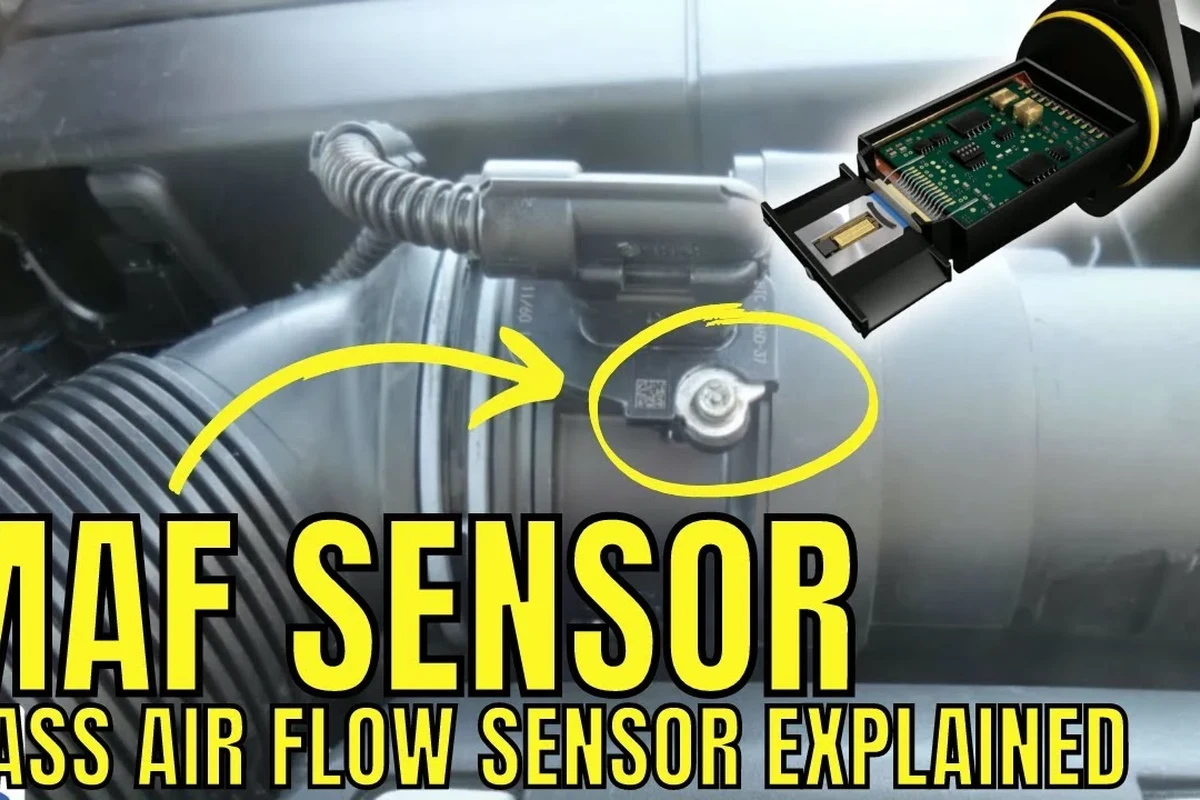
A mass air flow sensor sits in the intake stream and is designed to measure moving air, not water. Small amounts of humidity usually are not a problem, but liquid water, cleaning residue, or oily contamination can distort the signal the engine computer depends on.
The risk is not just the sensor itself. Water can also get into the airbox, filter, connector, or nearby wiring, and those issues can create symptoms that look like a failed MAF sensor even when the sensor is only part of the problem.
How a MAF Sensor Works and Why Moisture Matters
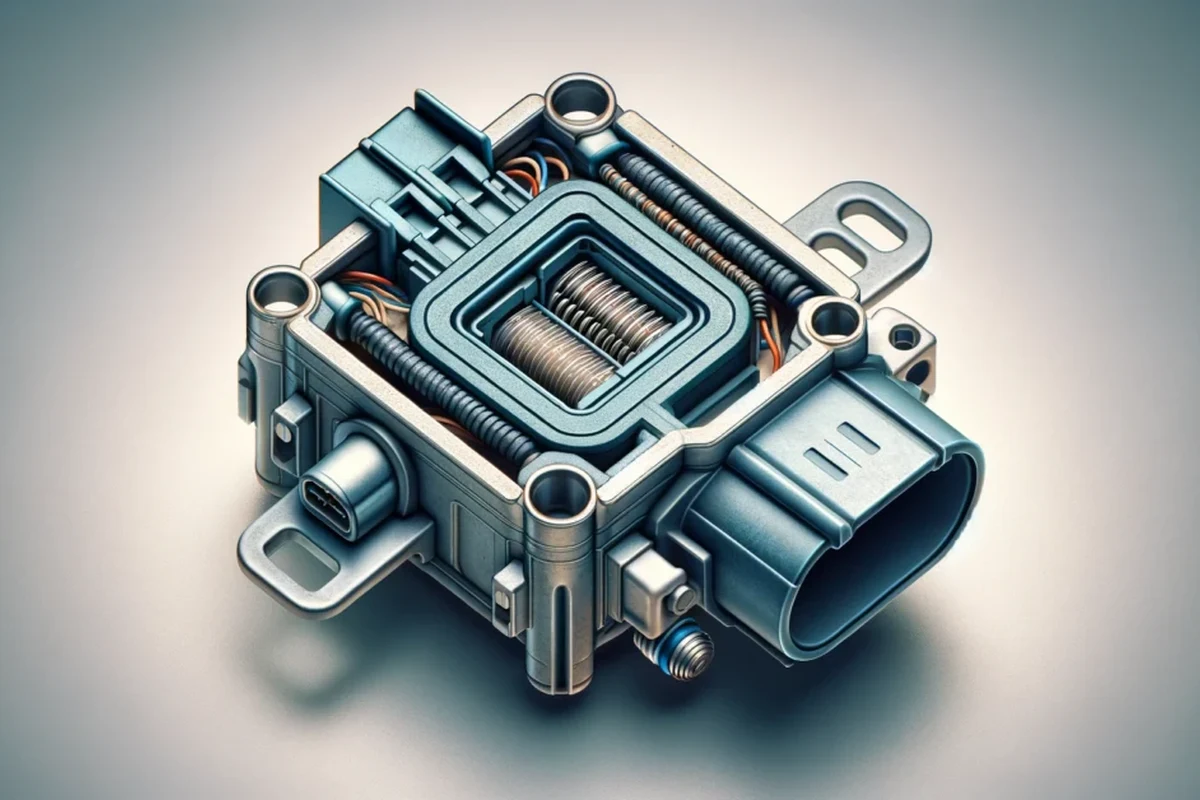
The MAF sensor helps the engine calculate how much fuel to inject by measuring the amount of air entering the engine. When the reading is accurate, the engine can run smoothly across idle, acceleration, and cruising conditions.
What the sensor measures in the intake stream
Most MAF sensors measure either the mass of air directly or the cooling effect of airflow across a sensing element. That data goes to the engine control unit, which uses it to balance fuel delivery, ignition timing, and emissions control.
Because the sensor is calibrated for air, anything that changes the airflow pattern can affect accuracy. Water droplets, condensation, dirt, dust, and oil film can all make the signal less reliable.
Why water, condensation, and cleaning spray can interfere with readings
Liquid water can briefly block or alter the airflow across the sensing element. Even when the sensor still works, the signal may be unstable long enough to cause rough idle, hesitation, or a lean or rich fuel condition.
Cleaning sprays can also be a problem if they are not designed for MAF sensors. Harsh solvents or heavy overspray may leave residue, damage the delicate sensing wire or film, or force moisture deeper into the connector.
Exact sensor construction varies by vehicle. Always check the owner’s manual or the manufacturer’s service information before using any cleaner, especially if your vehicle uses a hot-wire or hot-film MAF design.
Situations Where a MAF Sensor Can Get Wet
Most MAF problems related to moisture come from exposure around the intake system rather than the sensor being submerged. The source matters, because a light splash and a flooded airbox do not carry the same risk.
Rain exposure, deep puddles, and engine-bay splash
Heavy rain is usually not enough to wet a properly sealed intake system, but deep puddles and splash can push water into the airbox or intake ducting. If the intake opening is low or the vehicle was driven through standing water, the sensor may be affected indirectly by water entering the airflow path.
Engine-bay splash from road spray can also reach connectors, clamps, and nearby electrical parts. Even if the MAF element itself stays dry, a wet connector can create intermittent signal problems.
Car washes, humid climates, and cold-weather condensation
Pressure washing around the engine bay is a common way moisture reaches sensitive parts. Direct spray can force water into connectors or air intake seams that would normally stay dry during regular driving.
Humid weather and rapid temperature changes can create condensation inside the intake tract. That moisture may be minor, but repeated exposure can contribute to corrosion, residue buildup, or inconsistent readings over time.
Oil from over-oiled filters and cleaner overspray
Some aftermarket air filters can leave an oily film on the MAF sensor if they are over-serviced or over-oiled. That film can trap dust and distort airflow readings, which often feels like a wet-sensor problem because the symptoms are similar.
Overspray from intake cleaners, throttle body cleaners, or general-purpose degreasers can also contaminate the sensor. If the product is not explicitly MAF-safe, do not assume it will evaporate cleanly without leaving residue.
- Check the airbox, intake tube, and filter first if moisture is suspected.
- Inspect the electrical connector for corrosion, bent pins, or trapped water.
- Look for signs of oil film on the sensor if the vehicle uses an oiled aftermarket filter.
Signs a Wet or Contaminated MAF Sensor Is Causing Problems
Symptoms can overlap with vacuum leaks, intake leaks, ignition issues, or fuel delivery problems, so it helps to read the full picture. A wet or contaminated MAF sensor often causes the engine to run poorly in more than one driving condition.
Check engine light, rough idle, and stalling
A check engine light is common when the engine computer sees airflow readings that do not match expected values. Rough idle, surging, or stalling at stops can happen when the sensor sends unstable data at low engine speeds.
If the problem starts right after rain, washing, or cleaning, moisture becomes a stronger suspect. Still, the light alone does not prove the sensor is bad, because other intake faults can trigger similar codes.
Poor fuel economy, hesitation, and hard starting
When the MAF signal is off, the engine may add too much fuel or too little fuel. That can reduce fuel economy, create hesitation during acceleration, or make the engine crank longer before it starts.
Drivers sometimes notice the vehicle feels sluggish or jerky under light throttle. Those symptoms can be intermittent, especially if the sensor is only partially contaminated or the connector is only occasionally affected.
When the issue is the sensor versus the intake system
Not every wet-MAF symptom comes from the sensor element itself. A cracked intake boot, loose clamp, torn air duct, wet filter, or damaged connector can produce the same behavior and should be checked first.
If the engine ran through deep water, do not assume the MAF is the only concern. Water in the intake can also affect the air filter, throttle body, cylinders, and other engine components.
What to Do Immediately If Your MAF Sensor Gets Wet
The safest first move is to stop and inspect rather than keep driving and hope it clears up. Drying the sensor is only part of the process; you also need to find out where the moisture came from.
Safe shutdown, drying time, and visual inspection
Turn the engine off if you suspect the sensor or intake has been soaked. Then inspect the airbox, intake tubing, connector, and visible wiring for standing water, loose connections, or damaged seals.
Do not keep revving or driving if the engine is running erratically after water exposure.
Look for wet filters, pooled water, damaged clamps, or debris in the airbox and ducting.
Allow time for moisture to evaporate before restarting, especially if the connector or sensor housing was splashed.
When to disconnect the battery or avoid driving
Disconnecting the battery is not always necessary, but it may be appropriate if you are following the vehicle maker’s service procedure or working near exposed wiring. If you are unsure, consult the manual rather than guessing.
Avoid driving if the engine stalls, runs extremely rough, or you suspect water entered the intake tract. Continuing to drive can worsen damage if the engine is ingesting water or running with a badly skewed air-fuel mixture.
When professional diagnosis is the safer choice
Choose a professional diagnosis if the vehicle was driven through deep water, if the check engine light stays on after drying, or if the problem returns repeatedly. A technician can check for stored trouble codes, intake leaks, sensor wiring issues, and water intrusion more efficiently than replacing parts at random.
Cleaning, Drying, and Reinstalling a MAF Sensor Safely
If the sensor appears only lightly contaminated and the vehicle maker allows cleaning, use a method that is specifically intended for MAF sensors. The goal is to remove residue without damaging the sensing element or connector.
What tools and MAF-safe cleaner to use
Use a cleaner labeled for mass air flow sensors and follow the product instructions and the vehicle manual. A basic hand tool set may be enough for removal, but the exact fastener type and access method vary by model.
- Confirm the cleaner is MAF-safe and approved by the manufacturer or service guide.
- Verify your vehicle’s sensor location, connector style, and fastener type before removal.
- Check whether the air filter, ducting, or gasket also needs replacement.
What not to touch, spray, or scrub
Do not touch the sensing element with fingers, cloth, brushes, or cotton swabs unless the manufacturer explicitly allows it. The element is delicate, and physical contact can break it or leave residue behind.
Also avoid soaking the sensor in random solvents or using compressed air too aggressively. Strong airflow can damage the sensing element or push debris deeper into the housing.
Reinstall checks, connector inspection, and reset steps
Before reinstalling, inspect the connector for corrosion, bent pins, broken locking tabs, or trapped water. Make sure the air duct is seated correctly and the clamps are tight, because even a small intake leak can mimic a bad MAF sensor.
After reinstalling, some vehicles will relearn airflow behavior on their own, while others may require a scan tool or a drive cycle. Check the service manual for the correct reset or relearn procedure instead of assuming the light will clear immediately.
Prevention: How to Protect a MAF Sensor From Moisture Damage
Prevention is mostly about keeping water out of the intake stream and keeping the sensor clean. A well-sealed intake system usually handles normal weather without trouble.
Intake system sealing, filter maintenance, and water intrusion checks
Inspect the airbox lid, intake duct, hose clamps, and filter seal during regular maintenance. A loose fit can let in both unfiltered air and unwanted moisture.
Replace or service the air filter on the schedule recommended for your vehicle and driving conditions. A saturated or damaged filter can restrict airflow and increase the chance of contamination reaching the sensor.
Best practices for washing, detailing, and driving in heavy rain
When washing the engine bay, avoid direct pressure on the air intake, MAF housing, and electrical connectors unless the manufacturer says those areas are safe to clean that way. Use only the amount of water and cleaner needed for the job.
In heavy rain or flooded streets, slow down and avoid deep standing water. If the intake is low on the vehicle, even moderate splash can become a problem depending on road conditions and vehicle design.
Common mistakes that shorten sensor life
Over-oiling aftermarket filters, using the wrong cleaner, and forcing connectors on or off are common mistakes. Another frequent issue is ignoring a small intake leak, which can cause unstable readings long before the sensor fails completely.
A MAF sensor problem can look like a fuel system issue, but the root cause is often an intake leak, contaminated filter, or moisture in the connector rather than the sensor element alone.
When Replacement Makes More Sense Than Repair
Cleaning is worth trying only when the sensor is lightly contaminated and the vehicle maker allows it. Replacement makes more sense when the sensor has obvious damage, persistent errors, or signs that cleaning will not restore reliable operation.
Signs of permanent damage and failed diagnostics
If the sensor housing is cracked, the connector is damaged, or the engine still runs poorly after proper drying and cleaning, replacement may be the practical next step. Persistent trouble codes after verified intake repairs also point toward a failing sensor.
Water intrusion that reaches the electronics can also cause intermittent faults that are hard to reproduce. In those cases, repeated symptom return is often more useful than a one-time visual check.
Choosing the right replacement by vehicle fit, connector type, and OEM equivalence
MAF sensors are not universally interchangeable. Match the replacement to the exact vehicle fit, connector style, engine option, and part number guidance from the manufacturer or a trusted catalog.
Value, warranty considerations, and final recommendation
For many drivers, the best value comes from replacing the sensor only after confirming that the intake system is sealed and dry. Otherwise, a new sensor may not solve the actual problem and can lead to repeat repair costs.
Check the warranty terms, return policy, and compatibility notes before buying any replacement. If you are uncertain whether the problem is moisture, contamination, or a larger intake issue, professional diagnosis is usually the better investment than guessing.
- Light moisture may dry out, but liquid water or contamination can disrupt MAF readings.
- Check the intake, connector, and air filter before replacing the sensor.
- Use only MAF-safe cleaner and follow the vehicle manual for removal and reset steps.
- Replace the sensor when damage or repeated faults remain after proper inspection and drying.
Frequently Asked Questions
Yes, light moisture may dry out without permanent damage. Liquid water, residue, or oil contamination can still cause inaccurate airflow readings and drivability problems.
Common signs include rough idle, hesitation, stalling, poor fuel economy, and a check engine light. These symptoms can also come from intake leaks or other engine issues.
If the engine runs normally after light splash exposure, short careful driving may be okay. If it stalls, misfires, or runs very rough, stop and inspect the intake system first.
Turn the engine off, inspect the intake and connector, and let everything dry fully before restarting. Use only MAF-safe cleaner if the manufacturer allows cleaning.
No, use only a cleaner labeled for MAF sensors or approved by the vehicle maker. General-purpose solvents can leave residue or damage the sensing element.
Replacement makes sense if the sensor is cracked, the connector is damaged, or faults continue after proper drying and intake inspection. Verify exact vehicle fit and connector type before buying a replacement.