Can Speed Sensor Cause Misfire
Yes, a speed sensor can create symptoms that feel like a misfire, but it is usually an indirect cause. In most cases, you should check spark, fuel, wiring, and engine position sensors before replacing the speed sensor.
A speed sensor can sometimes contribute to an engine that feels like it is misfiring, but it is usually not the most common cause. More often, it affects shifting, stalling, rough running, or limp mode in ways that can be mistaken for a misfire.
- Direct vs. indirect: A speed sensor usually causes drivability issues, not a true cylinder misfire.
- Most likely causes: Spark plugs, coils, fuel delivery, and crank/cam sensors are more common misfire sources.
- Diagnosis first: Scan codes, inspect wiring, and verify the signal before buying parts.
- Model matters: The exact sensor type and repair path depend on the vehicle’s engine and transmission.
- Safety first: Flashing check engine lights, stalling, or limp mode mean the vehicle should be checked.
Can a Speed Sensor Cause a Misfire? The Short Answer and What It Means
Yes, but usually indirectly. A bad speed sensor is more likely to confuse the engine or transmission control system than to create a true ignition misfire on its own.
That distinction matters because a real misfire usually comes from spark, fuel, compression, or timing problems. A speed sensor issue can still make the vehicle stumble, hesitate, surge, or shut down power delivery in a way that feels similar to a misfire to the driver.
How a Speed Sensor Works in the Ignition and Engine Management System
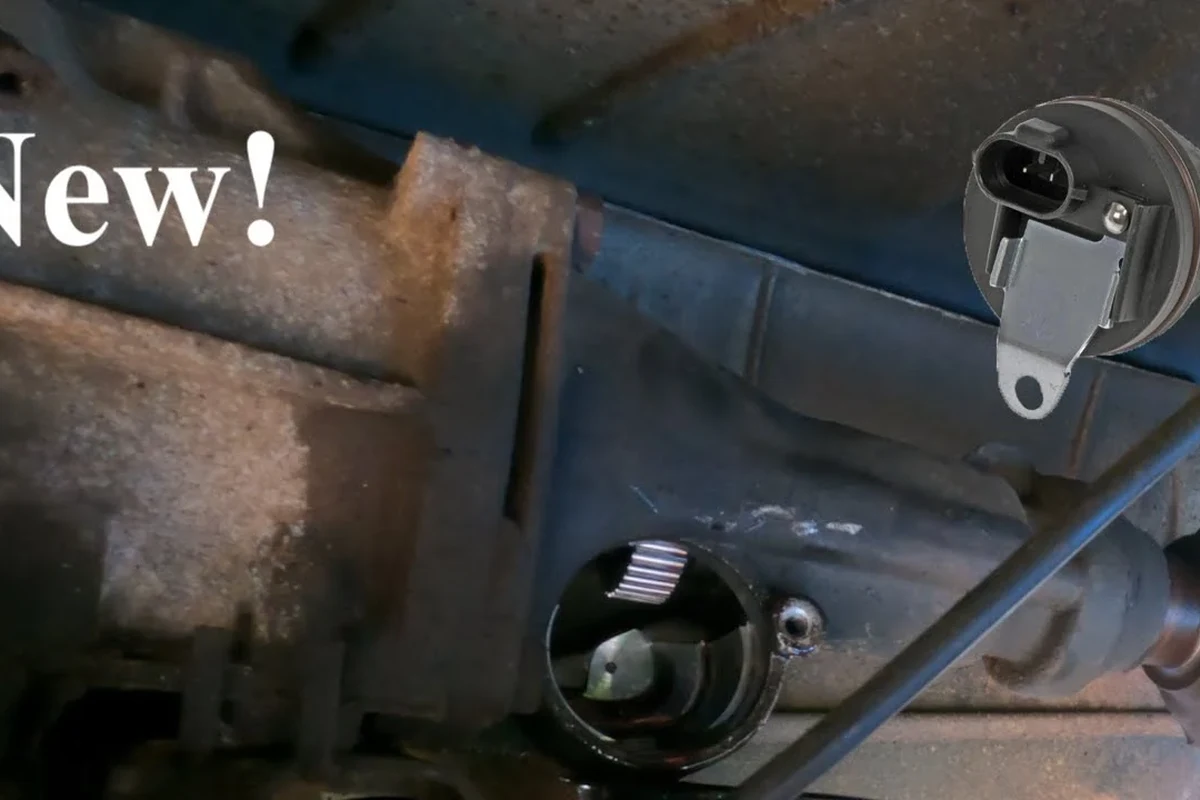
Speed sensors help the vehicle computer understand how fast a shaft, wheel, or the vehicle itself is moving. Depending on the design, that information may come from a vehicle speed sensor, transmission speed sensor, crankshaft sensor, or camshaft sensor.
The engine control module uses those signals to coordinate fuel delivery, ignition timing, transmission behavior, idle control, and sometimes traction or stability systems. When the signal is missing, noisy, or implausible, the computer may change how the engine runs to protect drivability.
Engine speed vs. vehicle speed: why the distinction matters
Engine speed sensors and vehicle speed sensors do different jobs. A crankshaft or camshaft sensor tells the computer how fast and when the engine is turning, while a vehicle speed sensor reports how fast the car is moving.
If the question is about a true misfire, engine speed and timing sensors matter more than a wheel or vehicle speed sensor. A vehicle speed sensor problem more often affects shifting, cruise control, speedometer behavior, or limp mode than spark event timing.
How sensor signals affect fuel, spark, and timing decisions
The computer needs accurate sensor input to decide when to inject fuel and fire the spark plugs. If a speed-related signal is unstable, the system may delay timing, cut fuel, or limit engine power to prevent damage.
That can make the engine shake, hesitate, or buck. To the driver, it may feel like a misfire even when the root issue is a faulty sensor signal or wiring fault rather than a bad coil or plug.
If the problem appears only at certain speeds or during shifting, note exactly when it happens. That pattern helps separate a speed sensor issue from a plug, coil, or fuel problem.
When a Speed Sensor Can Seem Like a Misfire Problem
Speed sensor faults can overlap with misfire symptoms because both can cause hesitation, jerking, and reduced power. The difference is that a sensor fault often changes the computer’s behavior, while a true misfire is usually a combustion problem inside one or more cylinders.
Common symptoms that overlap with misfires
Drivers may notice rough acceleration, sudden power loss, stalling, hard shifting, poor throttle response, or a flashing check engine light. Some vehicles also enter limp mode, which restricts performance and can feel like the engine is misfiring under load.
In many cases, the engine is not actually missing spark on a cylinder. Instead, the control system is reacting to bad data and reducing power or changing timing in a way that creates a similar sensation.
Situations where the sensor is an indirect cause, not the root cause
A damaged connector, corroded terminal, broken wire, or poor ground can interrupt the sensor signal and create drivability issues. Heat, vibration, and fluid contamination can make the fault intermittent, which makes diagnosis harder.
In other cases, the sensor is only reporting a deeper problem. For example, a damaged tone ring, worn reluctor wheel, or mechanical timing issue can create an irregular signal that looks like a sensor failure even when the sensor itself is still functional.
Symptoms can vary by model, engine type, and transmission design. The same code on two vehicles may point to very different repairs, so the factory service information matters.
Key Diagnostic Checks to Confirm the Real Problem
The safest way to sort out a possible speed sensor problem is to compare fault codes, symptom patterns, and basic physical inspection before replacing parts. That approach helps avoid swapping in a new sensor when the actual issue is wiring, ignition, or fuel delivery.
OBD-II codes and what they can and cannot prove
OBD-II codes can point you in the right direction, but they do not prove a part is bad by themselves. A code for a speed sensor, crank sensor, or cam sensor only means the computer detected an abnormal signal or circuit condition.
Misfire codes also need context. A cylinder-specific misfire code may point more directly to spark, fuel, or compression issues, while a speed sensor code may indicate a signal problem that is affecting multiple systems at once.
Visual inspection, wiring checks, and connector condition
Start with the connector, harness, and mounting area. Look for broken clips, bent pins, corrosion, oil intrusion, chafed wiring, or signs that the sensor has been hit by debris or heat.
Check whether the wiring is routed too close to exhaust components or moving parts. A wire that intermittently opens or shorts can create a symptom that comes and goes, which is one reason the fault may feel like an occasional misfire.
Stop and get professional help if you find melted wiring, fuel leaks, severe arcing, or a flashing check engine light that stays on while the engine runs rough. Those signs can indicate a more serious problem than a sensor fault.
Testing sensor output and related components
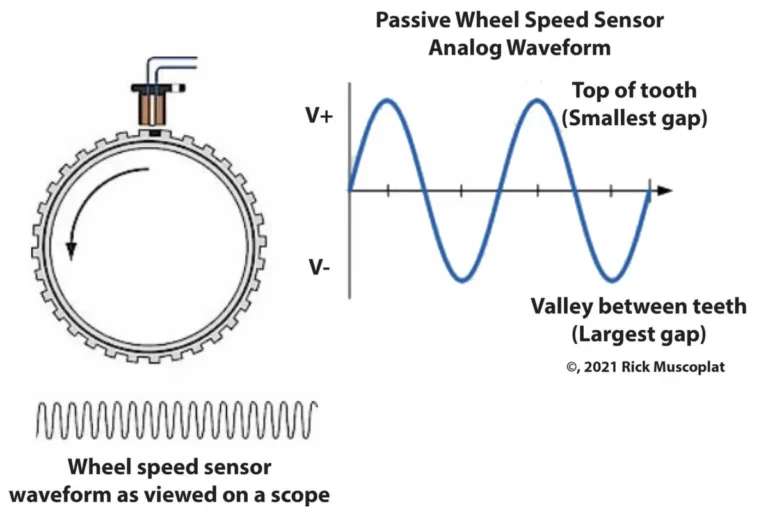
Depending on the vehicle, a technician may use a scan tool, multimeter, or oscilloscope to verify whether the sensor signal is stable and believable. The exact test depends on the sensor type and the manufacturer’s diagnostic procedure.
Related parts matter too. If the crankshaft or camshaft sensor signal is erratic, the technician may also inspect the reluctor wheel, timing components, battery voltage, and grounds. A bad reading from one piece of the system can lead to a false assumption about another.
Other Issues That More Commonly Cause Misfires
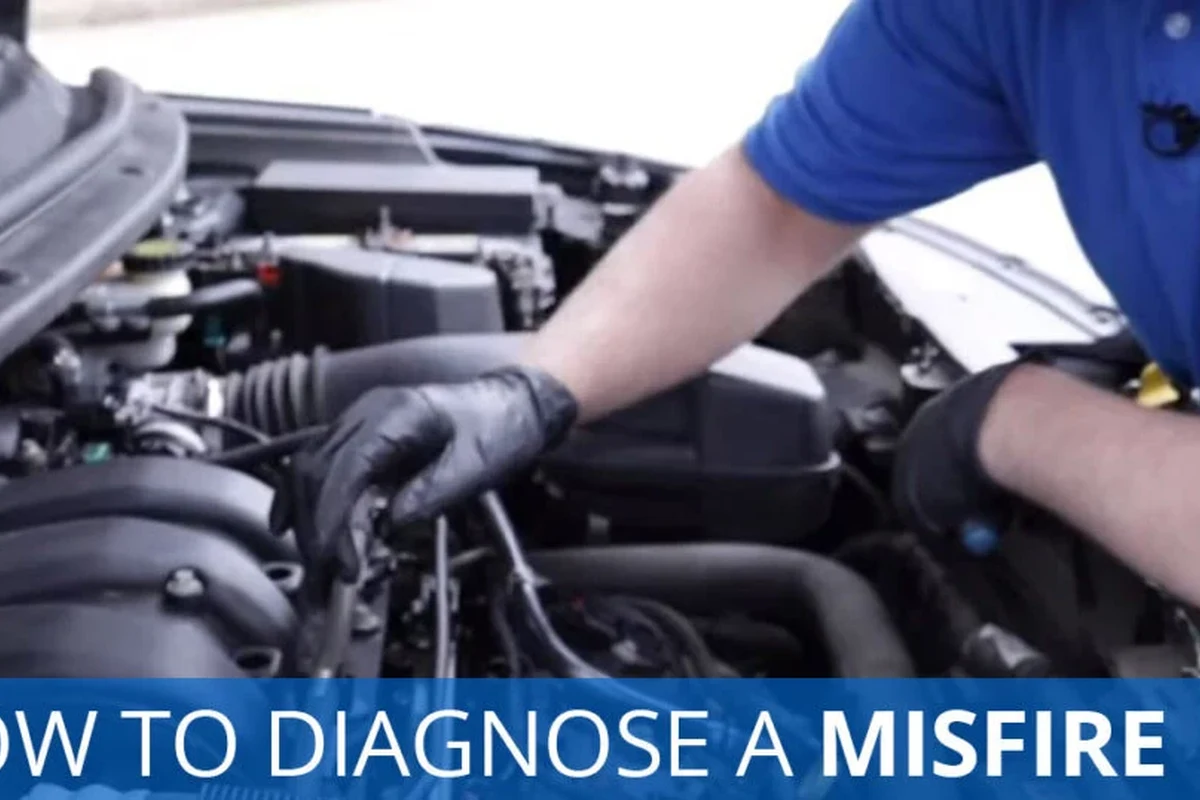
If the engine truly misfires, the most common causes are usually simpler and more direct than a speed sensor. Spark, fuel, air, and compression problems should be checked early because they are far more likely to create a real cylinder misfire.
Spark plugs, ignition coils, and plug wires
Worn spark plugs can fail to ignite the air-fuel mixture consistently. Bad ignition coils, damaged coil boots, or deteriorated plug wires can also cause a misfire under load, during acceleration, or in wet conditions.
These parts are often the first suspects because they directly affect combustion. If a misfire is limited to one cylinder, ignition components are especially important to inspect.
Fuel delivery, vacuum leaks, and air intake problems
Low fuel pressure, dirty injectors, a weak fuel pump, or a clogged filter can make the engine run lean and misfire. Vacuum leaks and air intake leaks can do the same by letting in unmetered air.
These issues may be more noticeable at idle or during light throttle. If the engine shakes at idle but smooths out when revved, that pattern often points more toward air, fuel, or ignition than a speed sensor fault.
Crankshaft and camshaft sensors vs. vehicle speed sensors
Crankshaft and camshaft sensors are much more closely tied to ignition timing than a vehicle speed sensor is. If either of those engine position sensors fails, the engine may not run correctly at all, or it may stall, hesitate, or misfire severely.
A vehicle speed sensor, by contrast, usually affects how the car knows road speed. It can cause drivability issues, but it is less likely to be the direct source of a cylinder misfire.
- Check whether the problem happens at idle, steady cruise, acceleration, or shifting.
- Compare misfire codes with speed sensor or engine position sensor codes before replacing parts.
- Use the vehicle’s factory diagnostic flow if the symptom is intermittent.
How to Choose the Right Replacement Part or Repair Path
The right repair depends on whether the sensor itself is bad, the wiring is damaged, or a different system is causing the misfire. Replacing parts without confirming the fault can waste time and money, especially on vehicles with multiple related sensors.
OEM vs. aftermarket sensors: fit, quality, and value
OEM parts are often the safest choice when fitment and signal quality are critical, but some aftermarket sensors work well if they match the vehicle’s exact specification. The best option depends on the model, the sensor type, and the reputation of the supplier.
For a speed-related sensor, small differences in connector shape, mounting depth, or signal behavior can matter. Always verify the part number and application list before buying.
Compatibility, calibration, and vehicle-specific requirements
Some sensors require relearn procedures, calibration, or a scan tool reset after installation. Others are plug-and-play, but still need the correct part number for the exact engine, transmission, trim, or drivetrain.
Check the official service manual or manufacturer catalog before ordering. Compatibility can vary by model year, engine code, transmission type, ABS system, and even region.
- Confirm the exact sensor type and vehicle application
- Verify connector shape, mounting style, and calibration requirements
- Review warranty terms, return policy, and installation instructions
When repair is smarter than replacement
If the sensor tests fine but the connector is corroded or the harness is damaged, repairing the wiring may solve the issue more effectively than replacing the sensor. The same is true when a damaged tone ring or mechanical timing problem is causing bad data.
In those cases, part replacement alone may not fix the symptom. A careful diagnosis usually saves more money than guessing.
Safe Troubleshooting, Maintenance, and Prevention Tips
Basic maintenance can reduce the chance of sensor-related drivability problems returning. Clean connectors, secure wiring, and timely repair of oil leaks or coolant leaks all help protect sensitive electronics.
What to inspect, clean, or replace before the fault returns
Inspect the harness for rubbing, heat damage, and loose clips. Clean only with electronics-safe methods recommended by the manufacturer, and avoid forcing connectors or using aggressive chemicals that can damage seals.
If the sensor sits near oil, coolant, or road splash, look for leaks or contamination that may shorten its life. Fixing the source of contamination is often as important as replacing the sensor itself.
Driving risks, limp mode, and when to stop driving
If the vehicle enters limp mode, loses power suddenly, or stalls in traffic, it is safer to stop driving and get it inspected. Even if the problem started as a sensor fault, the reduced power can make merging, passing, and highway driving risky.
A flashing check engine light usually means the engine is actively misfiring enough to risk catalyst damage. In that case, continued driving can make the repair more expensive.
Do not keep driving a vehicle that is stalling, surging badly, or flashing a check engine light. Pull over safely and follow the owner’s manual or a qualified technician’s advice.
Final Verdict: Can a Speed Sensor Cause Misfire, and What Should You Do Next?
A speed sensor can cause symptoms that feel like a misfire, but it is usually an indirect cause rather than the main reason a cylinder is missing spark or fuel. If you are diagnosing the problem, start with code scanning, wiring inspection, and the most common misfire causes before replacing the sensor.
The best next step is to identify which sensor is involved, confirm whether the issue is engine speed, cam/crank timing, or vehicle speed, and then follow the vehicle-specific service information. That approach gives you the best chance of fixing the real problem the first time.
Frequently Asked Questions
Usually not directly. A speed sensor is more likely to cause drivability issues, limp mode, or rough running that feels like a misfire.
Hesitation, bucking, sudden power loss, poor throttle response, and stalling can all mimic a misfire. These symptoms often happen when the control system reacts to bad sensor data.
Look at misfire codes together with crankshaft, camshaft, or vehicle speed sensor codes. A code points to a fault area, but it does not prove the sensor itself has failed.
Check the connector, wiring, grounds, and mounting area for corrosion, damage, or loose pins. Also consider spark plugs, coils, fuel delivery, and vacuum leaks.
Yes, those engine position sensors can directly affect spark timing and engine operation. They are more closely tied to misfire than a vehicle speed sensor.
Stop driving if the engine is stalling, entering limp mode, or the check engine light is flashing. Those signs can indicate active misfire or a more serious fault that needs prompt attention.