Can Maf Sensor Cause Rough Idle
Yes, a bad or dirty MAF sensor can cause rough idle, but vacuum leaks and ignition or fuel problems can look the same. Check codes, live data, and the intake system before replacing the sensor.
Yes—a faulty or dirty MAF sensor can absolutely cause a rough idle, but it is only one of several common causes. The safest approach is to confirm airflow readings, check for intake leaks, and review fuel trims before replacing parts.
- MAF problems can cause rough idle: Wrong airflow data can upset the air-fuel mix most noticeably at idle.
- Diagnostics come first: Fuel trims, codes, and intake leak checks are more useful than guessing.
- Cleaning may help: If contamination is the issue, a proper MAF cleaner can sometimes restore function.
- Replacement must match exactly: Fitment, connector style, and calibration matter as much as brand.
Can a MAF Sensor Cause Rough Idle? Short Answer and What It Means
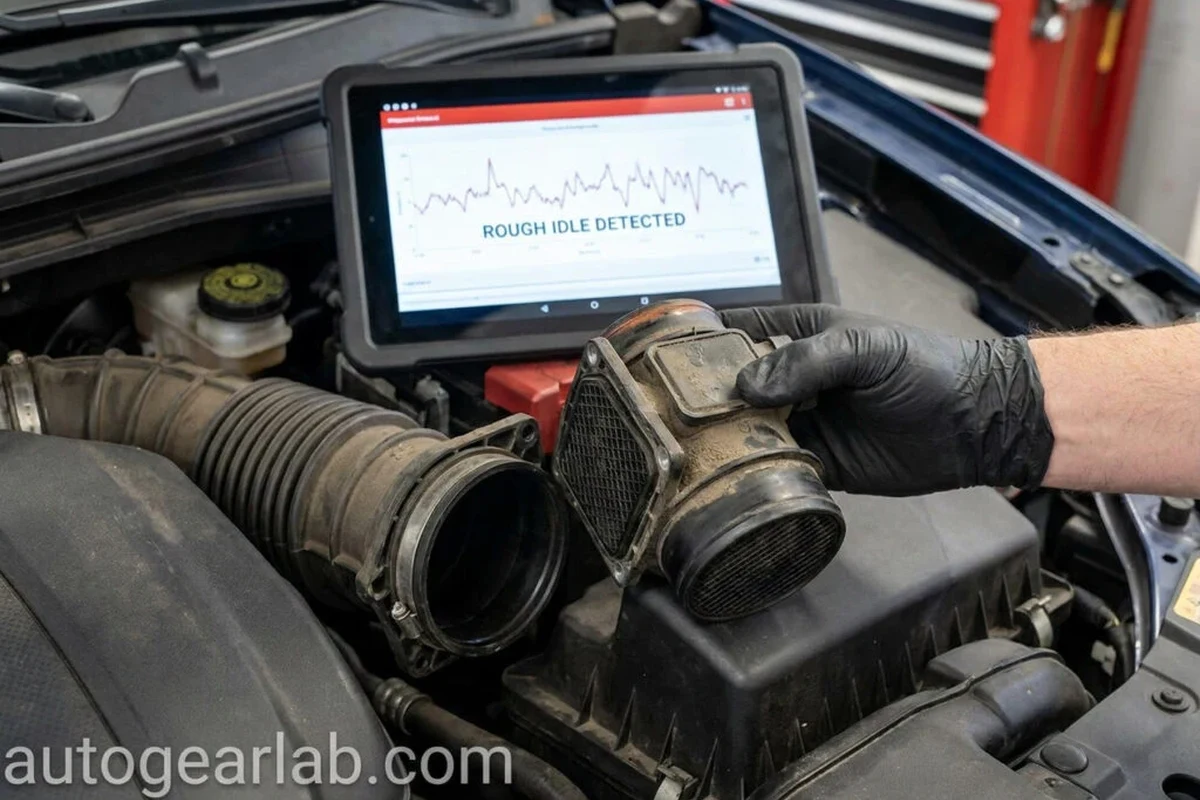
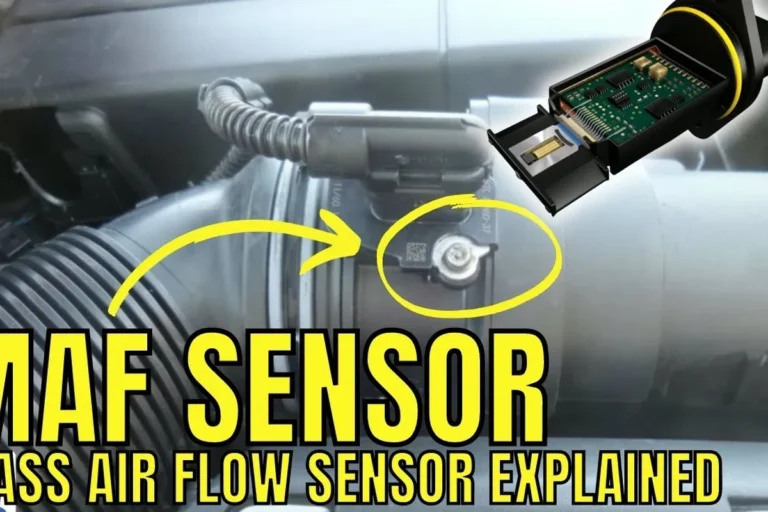
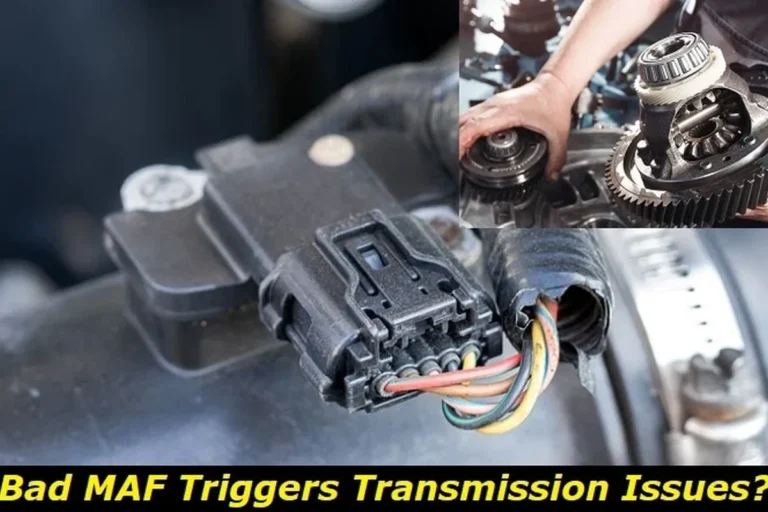
The mass airflow sensor helps the engine computer estimate how much air is entering the engine so it can calculate the right amount of fuel. If the sensor sends inaccurate data, the air-fuel mixture can drift too rich or too lean, which often shows up first at idle because the engine is most sensitive there.
That said, rough idle does not automatically mean the MAF is bad. Vacuum leaks, dirty throttle bodies, weak ignition components, low fuel pressure, and even a loose intake clamp can create similar symptoms, so diagnosis matters more than guessing.
How the MAF Sensor Works in 2026 Vehicles
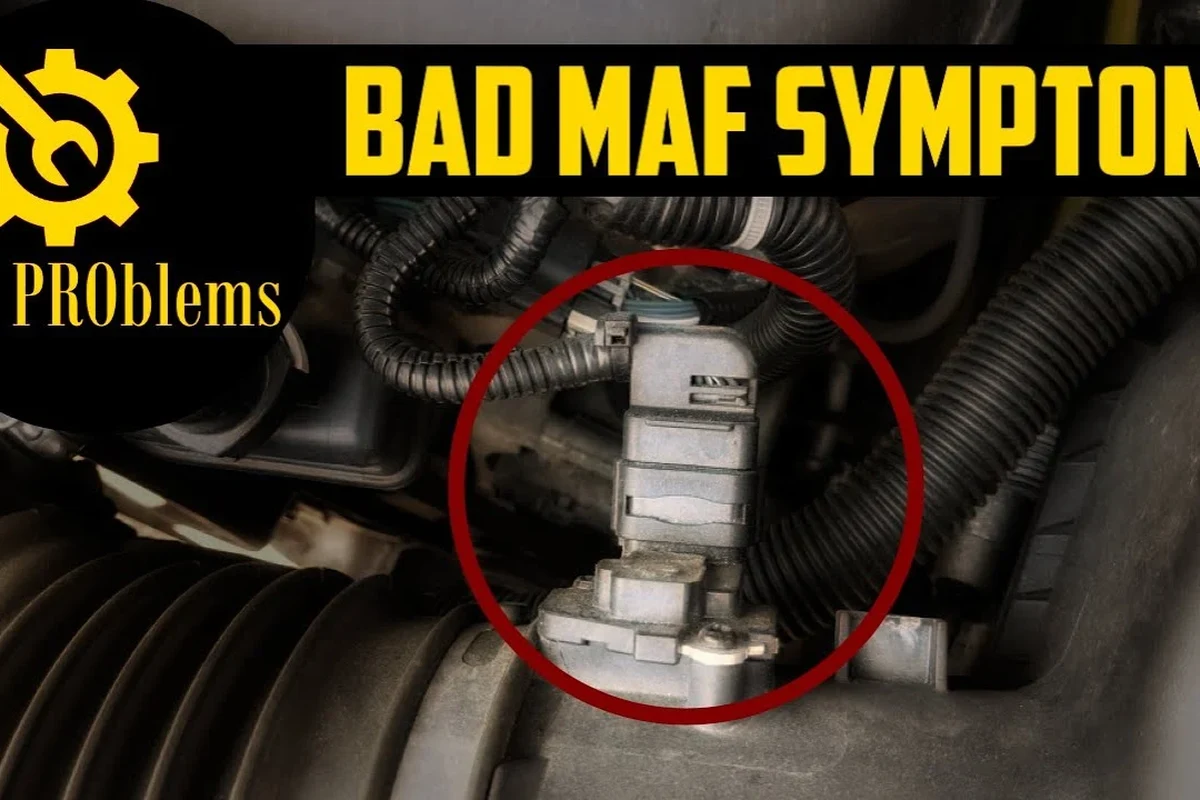
In modern vehicles, the MAF sensor is part of a wider engine management system that constantly adjusts fuel delivery. The ECU uses its signal along with input from oxygen sensors, throttle position data, engine temperature, and other sensors to keep idle stable and emissions controlled.
What the sensor measures and why the ECU depends on it
The MAF sensor measures the amount of air entering the engine, usually by sensing airflow across a heated element or film. The ECU relies on that reading to determine injector pulse width, which is the amount of time fuel injectors stay open.
If the sensor underreports airflow, the engine may run lean. If it overreports airflow, the engine may run rich. At idle, either condition can create shaking, stumbling, hunting, or occasional stalling.
How airflow errors can change idle quality
Idle quality depends on a precise balance of air and fuel. Small errors are less noticeable at highway speed because engine load is higher, but at idle the engine has little margin for error.
Contamination from dust, oil from an over-oiled aftermarket air filter, water intrusion, or connector problems can distort the signal. A sensor can also fail electrically, but many rough-idle complaints start with a sensor that is dirty, not completely dead.
Many engines can still run with a failing MAF because the ECU uses backup logic, but idle quality and throttle response may suffer before a full no-start condition appears.
Signs a Bad MAF Sensor Is Actually Behind the Rough Idle
A bad MAF is more likely when the rough idle comes with airflow-related symptoms and the trouble appears in more than one driving condition. The strongest clue is usually not the idle itself, but the pattern around it.
Common symptoms that point to airflow metering problems
Look for a check engine light, hesitation on acceleration, poor fuel economy, surging idle, hard starting, or stalling when coming to a stop. Some vehicles may also show lean or rich codes, depending on how the sensor is reading.
If the engine runs better when the MAF is unplugged, that can suggest the sensor signal is inaccurate, but it is not a final diagnosis. Unplugging the sensor forces the ECU into a fallback strategy, which can mask other problems.
- Simple symptom pattern can point toward airflow metering issues
- Live data often reveals useful clues before parts are replaced
- Cleaning may solve contamination-related problems on some vehicles
- Many other faults can mimic a bad MAF
- Symptoms may be intermittent and hard to reproduce
- Cheap replacement sensors can create new drivability issues if calibration is off
When rough idle is more likely caused by vacuum leaks, spark issues, or fuel delivery
If the engine idles rough but the MAF readings look reasonable, check for vacuum leaks first. Cracked hoses, intake boot leaks, PCV hose problems, and brake booster leaks often cause lean idle symptoms that look like a sensor failure.
Misfires from worn spark plugs, weak coils, or injector issues can also create shaking at idle. Fuel delivery problems, including a weak pump or clogged filter where applicable, may show up under load and at idle together.
Key Diagnostic Checks Before Replacing the Sensor
Before replacing a MAF sensor, the goal is to confirm whether the sensor is truly the problem or just part of the symptom chain. A few basic checks can save time, money, and unnecessary parts swapping.
OBD2 codes, live data, and fuel trim clues to review
Start with OBD2 codes, but do not rely on codes alone. P0100-series codes can point toward MAF circuit or range issues, while fuel trim data can show whether the ECU is adding fuel to correct a lean condition or removing fuel to correct a rich one.
Short-term and long-term fuel trims are especially useful. If trims are significantly positive at idle but improve at higher RPM, that often suggests unmetered air entering the engine, not just a bad sensor.
Exact fuel trim thresholds vary by vehicle, engine, and scan tool. Use the factory service information or a model-specific repair guide for interpretation.
Visual inspection, connector condition, and intake leaks
Inspect the intake tube, air box, clamps, and any hoses between the air filter and throttle body. A split boot or loose clamp can let in air after the MAF, which the ECU cannot measure correctly.
Also check the sensor connector for corrosion, bent pins, oil contamination, or a loose fit. Wiring issues can mimic sensor failure, especially if the idle problem appears after hitting bumps or when the engine bay is warm.
If the air filter housing is not sealed properly, the MAF can read the wrong amount of air even when the sensor itself is fine. Recheck the entire intake path, not just the sensor body.
Cleaning vs. replacement: when each option makes sense
Cleaning makes sense when the sensor is contaminated but not physically damaged, and the vehicle’s symptoms point to a dirty airflow element rather than an electrical failure. Use only a product labeled for MAF sensors, and follow the manufacturer’s instructions carefully.
Replacement is more appropriate when the sensor has internal failure, damaged wiring, repeated contamination, or no improvement after proper cleaning and leak checks. If the vehicle uses a very specific calibration, an incorrect replacement can cause as many issues as the original part.
Do not touch the sensing element with fingers, brushes, or compressed air at close range. Delicate sensor elements can be damaged easily, and a damaged sensor may create worse drivability problems.
Who This Guide Fits: Daily Drivers, DIY Owners, and Used-Car Buyers
This topic matters most if you depend on a vehicle that needs smooth cold starts, clean idle, and predictable commuting. It is also useful for used-car shoppers who want to separate a minor maintenance issue from a deeper engine problem.
Which vehicles are more sensitive to MAF contamination or failure
Many modern gasoline engines with tight emissions controls are sensitive to airflow errors at idle. Turbocharged engines, vehicles with aftermarket intake parts, and cars using oiling-prone reusable filters may be more likely to show MAF-related symptoms if the intake path is not maintained well.
Some models are also more sensitive because of intake design, sensor placement, or ECU calibration. That is why the official manual and model-specific service notes are worth checking before assuming a universal fix.
When to stop DIY diagnosis and move to a professional scan
If the idle problem remains after basic inspection, cleaning, and leak checks, a professional scan can save time. Shops can look at live data under different load conditions, smoke-test the intake system, and check for misfires or fuel system faults more efficiently.
It is also wise to stop DIY diagnosis if the vehicle has multiple warning lights, severe stalling, or intermittent electrical behavior. At that point, the issue may extend beyond the MAF sensor and into wiring, vacuum, ignition, or engine control problems.
What to Look for in a Replacement MAF Sensor
If replacement is the right move, compatibility matters more than brand hype. The wrong sensor can fit physically but still report airflow incorrectly, which can keep the rough idle unresolved.
OEM vs. aftermarket fit, calibration, and reliability trade-offs
OEM sensors usually offer the safest calibration match because they are designed for that exact engine control strategy. Aftermarket options can be fine when they are properly matched, but quality and calibration consistency vary more widely by manufacturer.
For a drivability issue like rough idle, the best choice is often the part that most closely matches the original specification rather than the cheapest available option. If you are comparing brands, focus on calibration reputation, warranty terms, and return policy rather than marketing claims.
Compatibility, connector style, airflow range, and warranty details to verify
Confirm the exact year, engine size, trim, and sometimes emission package before ordering. MAF sensors can differ by connector shape, housing style, airflow range, and calibration code, even within the same model family.
- Check the exact vehicle fitment by VIN, engine code, or OEM part number
- Verify connector style, housing shape, and airflow calibration match the original
- Review warranty terms, return policy, and whether the part is new or remanufactured
- Confirm the listing does not require extra adapters or software changes
Safe Cleaning, Installation, and Maintenance Tips
A clean, correctly installed sensor can last longer and give more stable idle readings. The key is to handle the part gently and keep the intake system clean after installation.
Correct cleaning products, handling precautions, and common mistakes to avoid
Use only a dedicated MAF cleaner, not brake cleaner, carb cleaner, or general-purpose solvents unless the manufacturer specifically allows them. Those stronger chemicals can damage the sensing element or leave residue that affects readings.
Let the sensor dry fully before reinstalling it. Also avoid overtightening screws, pinching the connector, or reinstalling the sensor backward if the housing design makes orientation important.
Stop using damaged connectors, cracked intake tubing, or sensors with visible contamination that returns quickly. If the problem keeps coming back, the root cause may be upstream, such as an air leak or poor filter sealing.
How to inspect, store, and maintain the sensor for long-term value
Inspect the air filter and housing regularly so dirt and oil do not reach the sensor. If you use an aftermarket filter, make sure it is installed and serviced according to the manufacturer’s instructions, since over-oiling can contaminate the MAF.
If a sensor is removed for storage, keep it in a clean, dry place in its protective packaging if available. Long-term value comes from preventing contamination, verifying fitment, and addressing the intake system rather than repeatedly replacing sensors.
Final Verdict: Is the MAF Sensor the Most Likely Cause of Rough Idle?
A MAF sensor can cause rough idle, and it is a realistic suspect when the engine also shows lean or rich behavior, hesitation, stalling, or airflow-related codes. But it is not the only likely cause, and replacing it without checking for vacuum leaks or ignition issues can waste money.
Best next steps based on symptoms, diagnostics, and repair cost
Start with codes, live fuel trim data, and a careful intake inspection. If the sensor is dirty and the rest of the intake system looks sound, cleaning may be worth trying; if readings are clearly wrong or the part is electrically failing, replacement is more sensible.
For the most dependable result, match the replacement to the exact vehicle specification and confirm the issue is not coming from a leak, misfire, or fuel delivery fault. That approach gives you the best chance of fixing the rough idle the first time.
Frequently Asked Questions
Yes, but not always. A failing or dirty MAF can cause rough idle, though vacuum leaks, ignition problems, and fuel delivery issues can look similar.
MAF-related faults often show P0100-series codes, but codes alone do not confirm the sensor is bad. Live data and fuel trim readings help narrow it down.
It can if contamination is the problem. Use only a cleaner made for MAF sensors and follow the vehicle and product instructions.
If fuel trims are high at idle and improve with RPM, a vacuum leak is a strong possibility. Cracked hoses, intake boot leaks, and PCV issues are common causes.
OEM is usually the safest fit for calibration and compatibility. Aftermarket parts can work, but you should verify exact fitment, connector style, and warranty terms.
If the rough idle continues after cleaning, leak checks, and basic scan data review, a professional diagnosis is a smart next step. Severe stalling or multiple warning lights also justify professional help.