Can You Clean a Vehicle Speed Sensor
Yes, you can often clean a vehicle speed sensor if the issue is dirt, debris, or light corrosion. If the sensor, connector, or wiring is damaged, replacement is usually the better fix.
Yes, you can often clean a vehicle speed sensor if the problem is caused by road grime, metal debris, or light corrosion rather than an internal failure. Cleaning is worth trying when the sensor is accessible, the connector looks intact, and the vehicle symptoms point to a dirty or contaminated sensor rather than a fully failed one.
- Cleaning can help: It is most useful when contamination is visible and the sensor is otherwise intact.
- Check the whole circuit: Wiring, connectors, seals, and nearby leaks can cause the same symptoms.
- Replacement is sometimes smarter: Cracks, corrosion, or repeated faults usually point to a new sensor.
- Fitment matters: Speed sensors vary by vehicle, drivetrain, and mounting location.
Can You Clean a Vehicle Speed Sensor? Quick Answer and When It Makes Sense
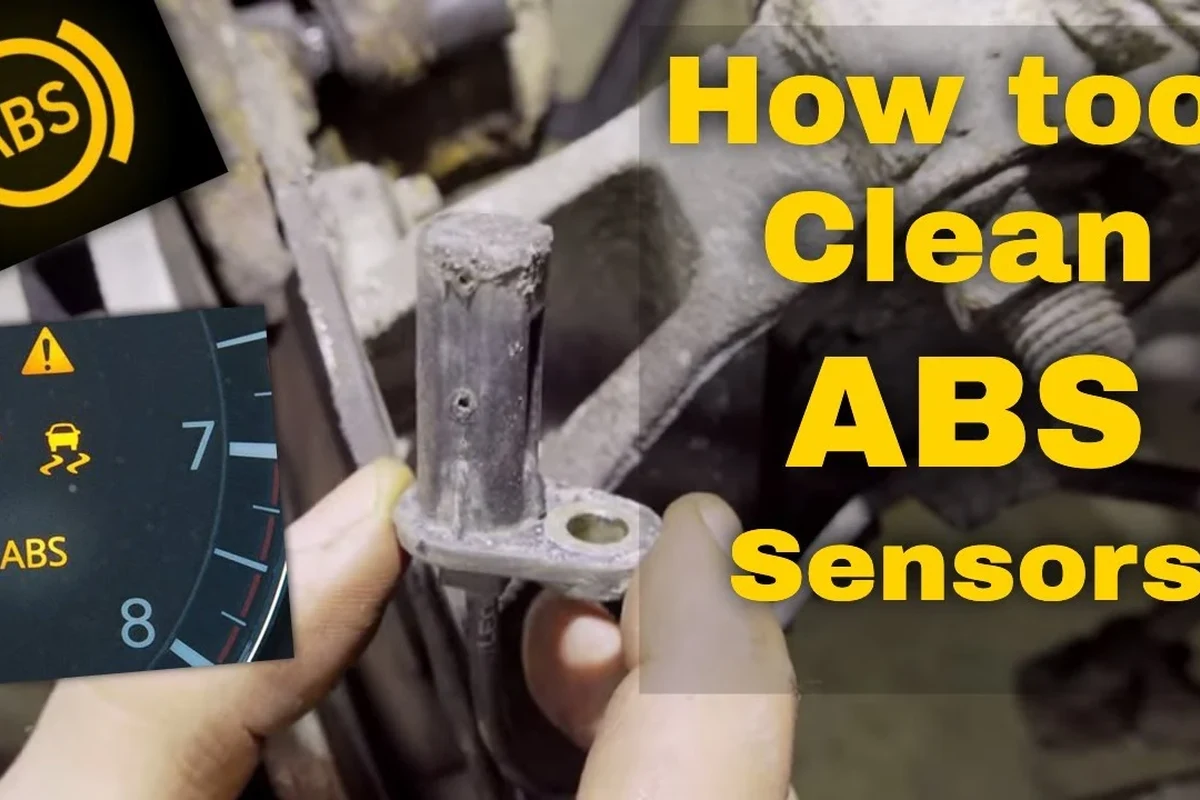
Cleaning a vehicle speed sensor is a reasonable first step in some cases, especially on older vehicles or in situations where debris buildup is likely. It is not a cure-all, though, because many speed sensor problems come from wiring faults, damaged connectors, worn tone rings, or a sensor that has simply reached the end of its service life.
A practical rule is to inspect first, clean second, and replace only when the sensor or its surrounding parts show damage. If you are unsure, the vehicle’s service manual and diagnostic trouble codes can help narrow down whether the issue is contamination or a deeper electrical problem.
What a Vehicle Speed Sensor Does and How It Works
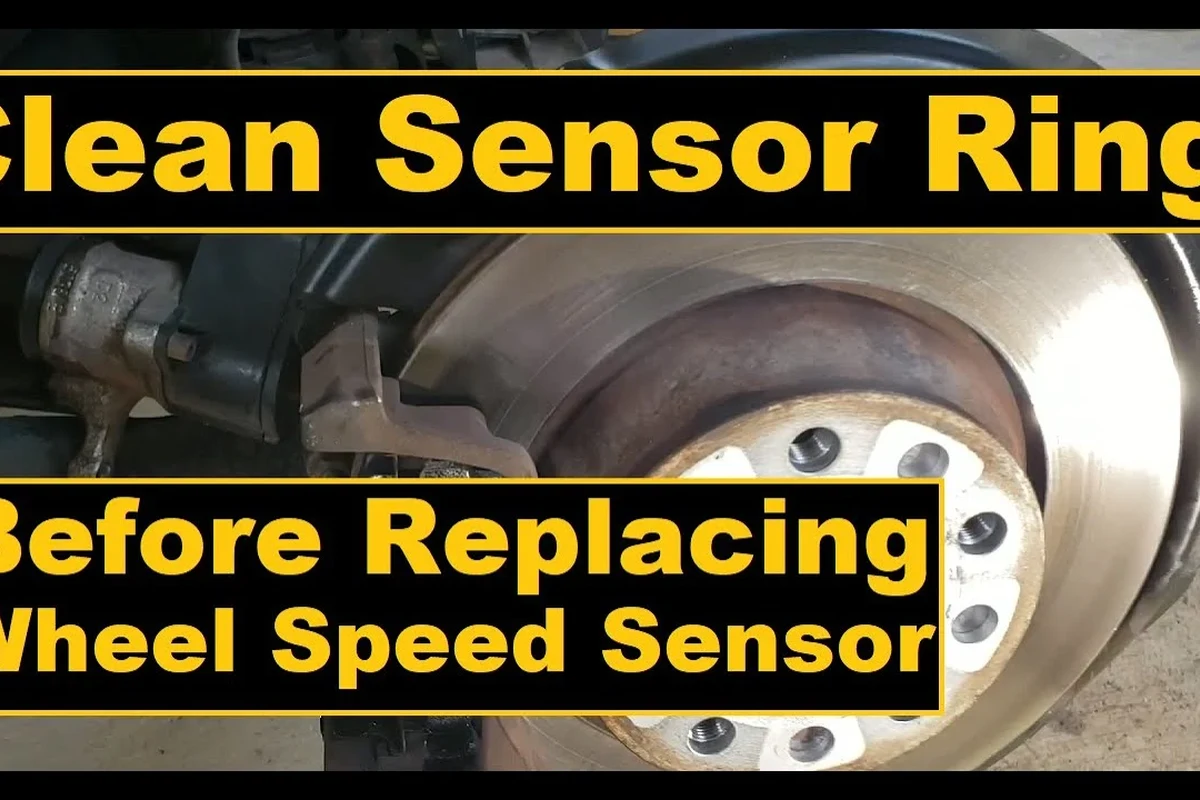
A vehicle speed sensor, often shortened to VSS, helps the vehicle computer understand how fast the car is moving. Depending on the design, it may measure transmission output speed, wheel speed, or another rotating component and send that data to the ECU, transmission control module, ABS system, or instrument cluster.
VSS signal basics: wheel speed, transmission speed, and ECU input
Some vehicles use one sensor for the speedometer and transmission behavior, while others use multiple sensors at each wheel or along the drivetrain. The sensor usually creates an electrical signal from a magnetic pickup or hall-effect design, and the control module turns that signal into speed data.
On many vehicles, the speedometer is not reading a cable anymore. It relies on electronic sensor data processed by the vehicle’s computers.
Because the signal is so small and precise, even a thin layer of debris or corrosion can sometimes interfere with reading accuracy. That is why a sensor that looks only mildly dirty can still cause noticeable drivability problems.
Why dirt, metal shavings, and corrosion can affect readings
Magnetic speed sensors can attract fine metal particles from normal drivetrain wear, especially near transmission components. If those particles build up on the sensing tip, the sensor may misread rotation or send an unstable signal.
Corrosion can also affect the connector pins or the sensor body itself, making the signal weak or intermittent. In wet climates, on vehicles with fluid leaks, or where road salt is common, contamination can be especially problematic.
Signs Your Vehicle Speed Sensor May Need Cleaning or Replacement
Speed sensor issues often show up as inconsistent vehicle behavior rather than a single obvious failure. The key is to look for patterns that match sensor contamination, wiring trouble, or internal sensor wear.
Common symptoms: erratic speedometer, shifting issues, ABS or check engine lights
Common symptoms include a speedometer that jumps, drops to zero, or reads incorrectly. Automatic transmission shift quality may also change, and some vehicles may trigger ABS, traction control, or check engine lights if the sensor data becomes unreliable.
- Cleaning can solve simple contamination issues without replacing parts.
- It is often faster and cheaper than installing a new sensor.
- It will not fix broken wiring, cracked housings, or internal failure.
- Some sensors are difficult to access and may be damaged during removal.
When cleaning is likely enough versus when the sensor is failing
Cleaning is more likely to help when the sensor is covered in grime, the connector is cleanable, and the symptoms are intermittent rather than permanent. If the vehicle has persistent fault codes, visible damage, heavy corrosion, or the problem returns quickly after cleaning, replacement is usually the more reliable option.
Diagnostic code meanings vary by make and model. Always confirm the code definition in the official service information before assuming the sensor itself is bad.
How to Safely Inspect and Clean a Vehicle Speed Sensor
If you decide to clean the sensor, work carefully and avoid forcing anything. Many speed sensors are held in by a bolt, clip, or seal that can be damaged if pried roughly.
Tools and materials: cleaner type, brush, gloves, and replacement seal checks
Use a cleaner that is safe for electrical components and follow the product label. A soft brush, clean lint-free cloth, gloves, and good lighting are usually enough for inspection, while a replacement O-ring or seal may be needed if the old one looks flattened, brittle, or torn.
- Confirm the sensor location in the service manual.
- Disconnect the battery only if the manufacturer recommends it for that area.
- Check whether fluid loss is possible when the sensor is removed.
- Inspect the O-ring, connector, and mounting surface before reinstalling.
Step-by-step cleaning process and what not to touch or force
Find the sensor using the service manual or a reliable repair guide, then look for grime, corrosion, cracked housing, or damaged wiring.
Release the locking tab without pulling on the wires. If the connector is stuck, stop and check for a secondary lock before applying more force.
Wipe away loose dirt first, then use the approved cleaner lightly. Do not scrape the sensing tip aggressively or damage any magnetic surface.
Check the seal, mounting point, and connector pins. Reinstall only if everything looks intact and seats properly.
Safety precautions for hot components, electrical connectors, and fluid leaks
Work on a cool vehicle whenever possible, because nearby transmission or exhaust parts can stay hot long after shutdown. Be careful around electrical connectors, and stop if you notice transmission fluid, gear oil, or brake fluid leaking from the sensor area.
Do not clean a sensor while the engine is running or while rotating components are exposed. If the area is hot, wet, or difficult to reach safely, wait for proper cooling or have a qualified technician inspect it.
What to Look for Before Reinstalling the Sensor
Reinstallation is where many cleaning attempts go wrong. A sensor can be perfectly clean and still fail if the connector, seal, or mounting surface is compromised.
Connector condition, wiring damage, O-ring wear, and mounting surface contamination
Examine the connector pins for green corrosion, bent terminals, or moisture. Also check the wiring for cracks, chafing, or stretched insulation, and make sure the O-ring is not flattened or torn.
The mounting surface should be free of dirt and old seal residue so the sensor sits at the correct depth. If the sensor does not seat fully, the signal gap can be wrong and the problem may continue even after cleaning.
Compatibility and fit considerations by vehicle make, model, and sensor location
Speed sensors are not universal. Fit can vary by vehicle make, model, drivetrain, transmission type, and whether the sensor is mounted at a wheel, transmission, or differential location.
If you plan to replace the sensor after inspection, confirm the part number against the VIN, official catalog, or manufacturer fitment guide. Small differences in connector shape or sensor length can matter more than they first appear.
Cleaning vs Replacing a Vehicle Speed Sensor: How to Decide
The right choice depends on the sensor’s condition, how hard it is to access, and how much reliability you need from the repair. Cleaning is a good first attempt when the part looks healthy, but replacement is often the smarter long-term fix when symptoms are severe or recurring.
Cost, time, and reliability trade-offs
Cleaning usually costs less because it may only require basic supplies and a little time. Replacement costs more, but it can save time if the sensor is already failing or if you want a more dependable repair instead of a temporary improvement.
Common mistakes that make a cleaning job fail
Common mistakes include using the wrong cleaner, breaking the connector latch, reinstalling a worn O-ring, and ignoring corrosion in the harness. Another frequent issue is cleaning the sensor without checking the tone ring, magnet area, or nearby fluid leaks that caused the contamination in the first place.
If the sensor’s housing is cracked, the connector is badly corroded, or the wiring is damaged, cleaning is unlikely to be a lasting fix. In those cases, replacement and a full inspection of the surrounding area are the safer path.
When a new sensor is the better long-term value
A new sensor makes more sense when the old one has repeated faults, the vehicle is used for long trips or daily commuting, or the part is difficult to access and you do not want to revisit the job soon. It is also the better choice when the manufacturer service information shows that the sensor is a sealed unit with no meaningful maintenance benefit from cleaning.
Maintenance Tips to Help Prevent Future Speed Sensor Problems
Prevention is mostly about keeping the sensor area clean, dry, and free from leaks. That matters because many speed sensor failures begin with contamination rather than a sudden electrical breakdown.
Driving conditions, fluid leaks, and debris control
Vehicles exposed to mud, snow, road salt, or heavy stop-and-go driving may collect more debris near sensors and connectors. Fixing fluid leaks early also helps, since transmission fluid, oil, or brake fluid can attract dirt and degrade seals over time.
- Inspect sensors during routine brake, tire, or transmission service when access is already open.
- Keep connector seals intact to reduce moisture intrusion.
- Clean surrounding grime before it bakes onto the housing.
- Use the correct service manual so you do not mistake one sensor type for another.
Inspection intervals and storage or handling tips for spare sensors
If you keep a spare sensor, store it in a clean, dry place in its protective packaging until needed. Avoid touching the sensing tip or connector pins more than necessary, since oil from your hands and dust from storage can create avoidable contamination.
Final Recommendation: Is Cleaning Worth Trying in 2026?
Cleaning a vehicle speed sensor is worth trying when the sensor is accessible, contamination is visible, and the rest of the system looks healthy. It is less useful when the part is sealed, heavily corroded, physically damaged, or already producing repeated fault codes after a proper inspection.
Best-case scenarios, limitations, and the practical verdict for DIY owners
For DIY owners, the best-case scenario is a dirty but otherwise sound sensor that starts working normally after a careful cleaning and reinstallation. The main limitation is that cleaning cannot reverse electrical wear, so if the problem persists, replacing the sensor and checking the connector, wiring, and nearby components is the more dependable repair.
- Cleaning can help when dirt, debris, or light corrosion is the real issue.
- Replacement is better when the sensor, connector, or wiring is damaged.
- Always verify fitment and follow the vehicle’s service manual before reinstalling.
Frequently Asked Questions
Yes. Dirt, metal debris, or corrosion can interrupt the sensor signal and make the speedometer read erratically or stop working.
Use a cleaner that is safe for electrical components and follow the product label. Avoid harsh scraping or soaking parts that the manufacturer says should stay dry.
Cleaning is more likely to help when the sensor is dirty but undamaged and the symptoms are intermittent. If the housing is cracked, the connector is corroded, or the problem returns, replacement is usually better.
Yes. On many vehicles, speed sensor data helps the transmission decide when to shift, so a faulty signal can cause harsh, delayed, or incorrect shifting.
Yes. Wiring damage, bent connector pins, and moisture intrusion can mimic a bad sensor and should be inspected before buying a replacement part.
It depends on the symptoms, but it is not ideal to keep driving if the speedometer, ABS, or transmission behavior is unstable. Have the vehicle inspected as soon as practical.