Do Parking Sensors Help
Yes, parking sensors help most in tight, low-speed parking situations where bumper clearance is hard to judge. They work best as a backup aid, not a replacement for mirrors, cameras, and careful driving.
If you are asking whether parking sensors help, the short answer is yes for many drivers, especially in tight spaces and low-speed parking maneuvers. They are best seen as a useful backup aid, not a replacement for mirrors, cameras, and careful attention.
- Best use: Tight parking, garage spaces, and low-speed maneuvers where visibility is limited.
- Main benefit: Earlier warning can reduce small bumps, scrapes, and parking stress.
- Biggest limit: Weather, dirt, and unusual obstacle shapes can reduce accuracy.
- Buyer priority: Verify vehicle compatibility, sensor placement, and alert style before choosing a kit.
- Smart approach: Use sensors with mirrors and cameras, not instead of them.
Do Parking Sensors Help? Quick Answer for 2026 Drivers
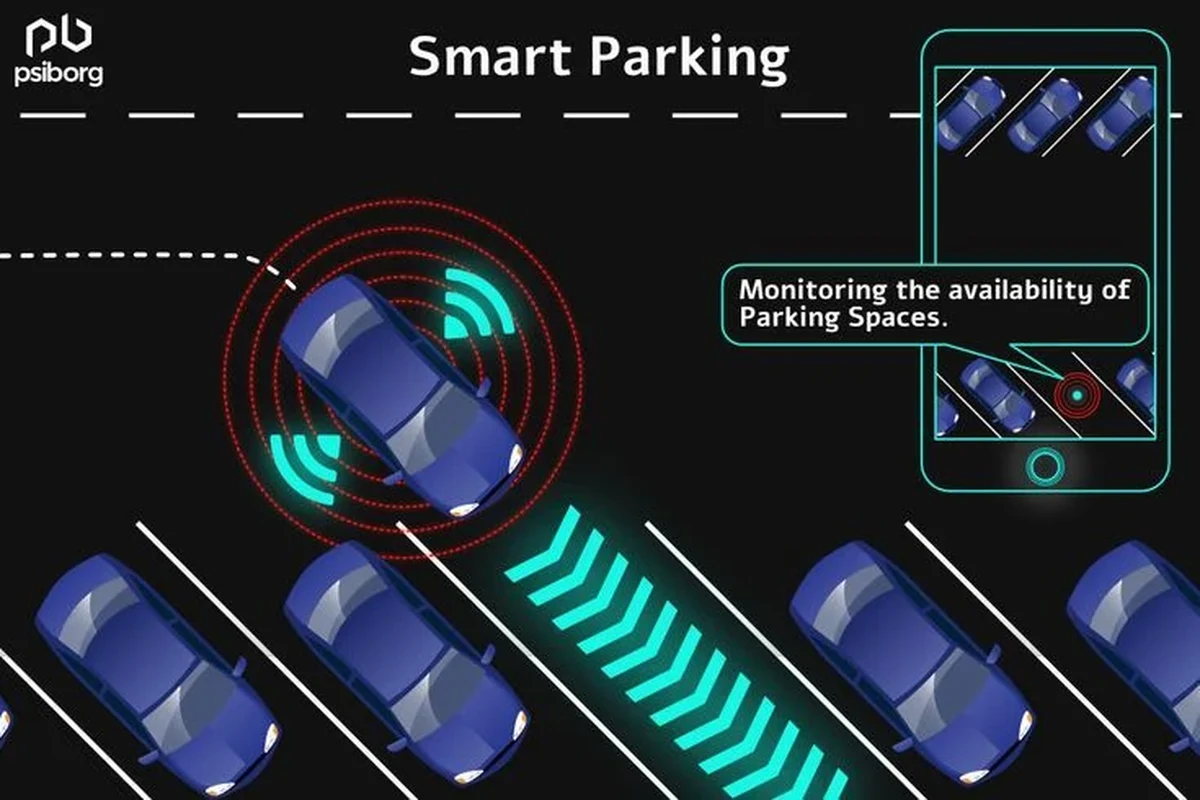
Parking sensors help most when visibility is limited and the risk is a slow-speed bump is highest. They are especially useful for close-in parking, curb awareness, and reducing stress when you are lining up a vehicle in a cramped spot.
For everyday drivers, the real value is not perfection; it is earlier warning. That can mean fewer taps against walls, posts, bumpers, and garage edges, plus more confidence in situations where a rearview mirror alone does not tell the full story.
How Parking Sensors Work and What They Actually Detect
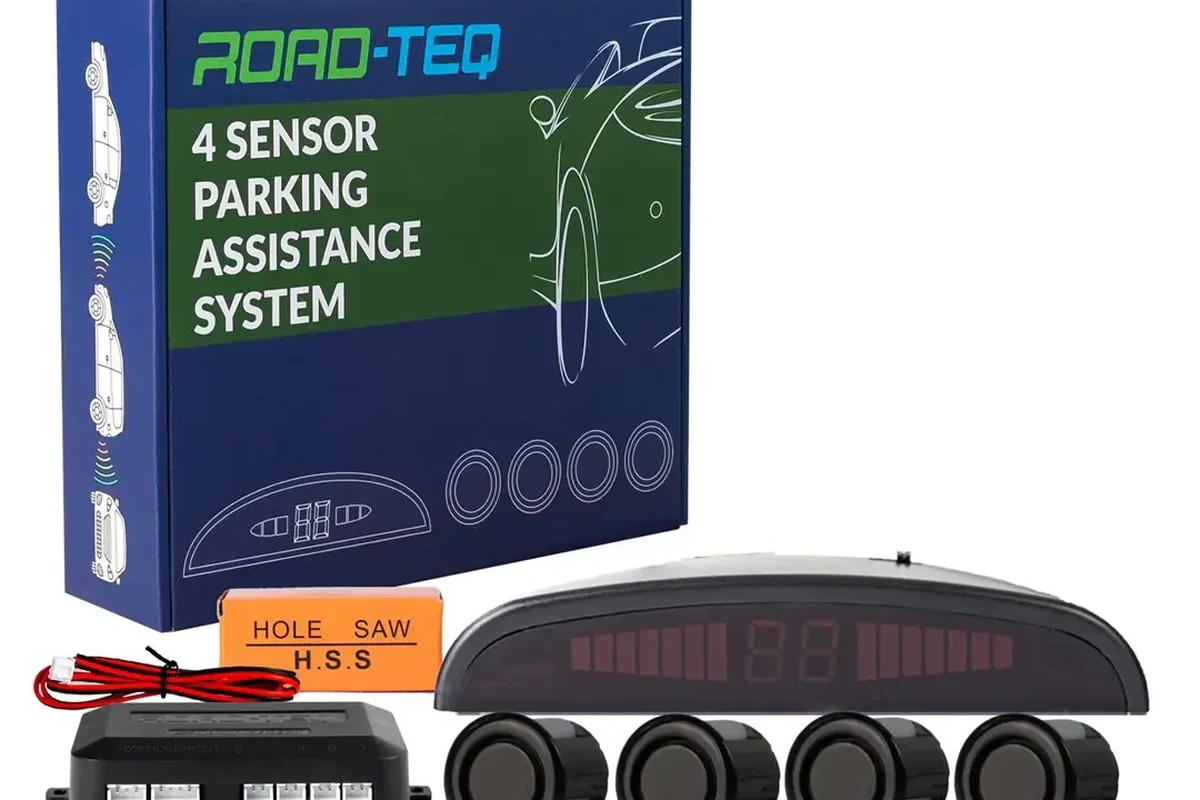
Parking sensors are designed to detect nearby objects at short range and alert the driver before contact happens. The exact behavior depends on the sensor type, where it is mounted, and how the vehicle’s system is calibrated.
Most systems focus on obstacles around the front or rear bumper, and some vehicles add side coverage or integrate sensor data with a backup camera. As with any driver-assist tool, the output is only as good as the placement, maintenance, and the environment around it.
Ultrasonic vs. electromagnetic sensor types
Ultrasonic sensors are the most common in parking systems. They send out sound waves and measure the time it takes for echoes to return, which helps estimate distance to an object.
Electromagnetic systems work differently and may be used in some aftermarket setups. They can detect objects near a sensing field, but performance varies by installation quality and vehicle shape, so it is important to verify the specific system’s design and limitations in the manual.
Parking sensor behavior can vary a lot by model, bumper material, installation angle, software tuning, and whether the system is factory-installed or aftermarket. Always check the vehicle or kit manual for the exact detection zone and alert behavior.
Alert methods: beeps, distance bars, and visual displays
Parking sensors usually warn the driver in one or more ways: audible beeps, colored distance bars, or a visual display on the dashboard or infotainment screen. Some vehicles also combine the sensor feed with a camera overlay for a more complete view.
Beep patterns are useful because they are quick to understand without looking away from the road, but they can be hard to interpret in noisy environments. Visual displays are clearer for many drivers, while a camera can help confirm what the sensor is sensing and what it may be missing.
Parking sensors are generally more helpful at very low speeds than at normal driving speeds because they are tuned for close-range obstacle detection.
When Parking Sensors Help Most: Best Use Cases and Driver Fit
Parking sensors are not equally valuable for every driver. Their usefulness rises when the vehicle is large, the parking space is tight, or the driver has limited visibility to the rear or front corners.
New drivers, tight urban parking, and large vehicles
New drivers often benefit because they are still learning vehicle length, bumper clearance, and parking angles. Sensors can reduce hesitation and help build confidence, especially in garages, apartment lots, and crowded city streets.
They are also helpful for SUVs, trucks, vans, and tall vehicles where rear visibility may be poor. In those cases, the sensors can compensate for blind spots close to the bumper that mirrors do not fully cover.
- Use sensors as a last warning layer, not the only guide when parking.
- Pair them with mirrors and a backup camera when available for better spatial awareness.
- If you drive in a garage often, learn the exact beep pattern at different distances before relying on it.
What sensors can and cannot do for parallel parking
For parallel parking, sensors can help you judge how close you are to the car behind you or the curb edge near the bumper. That can make the final inches less stressful and may reduce small contact mistakes.
However, they do not tell you the full side-to-side angle of the vehicle, and they may not detect every low or oddly shaped object. Parallel parking still depends on steering control, mirror use, and understanding the vehicle’s turning path.
Key Buying Criteria: Features That Matter Before You Choose
If you are comparing parking sensors, the most important question is not just whether they help, but whether they will help on your vehicle in your typical parking environment. That means looking at detection quality, display style, installation method, and compatibility.
Detection range, accuracy, and sensor placement
Detection range matters because sensors that warn too late are less useful, while overly sensitive systems can become annoying. Accuracy also depends on how well the sensors are positioned on the bumper and whether the kit is designed for your vehicle shape.
Placement is critical. A sensor mounted too high, too low, or at the wrong angle may miss curbs, short posts, or sloped obstacles. For aftermarket kits, check whether the product is intended for your bumper material and whether drilling is required.
Display quality, sound levels, and integration with cameras
A good display should be easy to read in daylight and not clutter the dashboard. Audible alerts should be noticeable without becoming overwhelming, and ideally they should be adjustable if the system supports that feature.
Integration with a backup camera can be especially helpful because sensors and cameras solve different problems. The camera shows shape and direction, while the sensors help with distance to nearby objects that may be hard to judge visually.
Drivers who want the clearest real-world help should look for a sensor system that pairs audible alerts with a visual display or camera integration. That combination is usually more useful than beep-only systems, though it still requires careful installation and regular cleaning.
Wired vs. wireless setups, installation complexity, and vehicle compatibility
Wired systems are often more common in permanent installations and may offer a more integrated feel, but they can take more effort to install. Wireless or simpler aftermarket options may be easier to set up, though the trade-off can be more dependence on batteries, charging, signal stability, or limited feature sets depending on the model.
Compatibility is one of the biggest buying filters. Before choosing a kit, confirm the vehicle make, model, model year, bumper material, and whether the system requires a specific head unit, display, or app. If the listing does not clearly state compatibility, verify it with the manufacturer before purchasing.
- Check compatibility with your exact vehicle model and bumper type.
- Confirm whether the kit needs drilling, wiring, a display, or a camera connection.
- Review the manual for maintenance, cleaning, and calibration guidance.
- Verify warranty terms, return policy, and any app or firmware support if the system is smart-enabled.
Real-World Benefits and Practical Trade-Offs
The biggest benefit of parking sensors is not just convenience. They can reduce small mistakes that happen during low-speed parking, which is where many minor bumper scrapes and curb taps occur.
Reduced low-speed bumps, curb scrapes, and parking stress
For many drivers, sensors lower the mental load of parking. Instead of guessing how much space is left, you get a warning that helps you stop before contact.
That can be especially useful in crowded apartment garages, school pickup lines, delivery areas, and city streets where parking space is tight. The system does not make parking effortless, but it can make it more predictable and less stressful.
- Helps reduce low-speed parking mistakes
- Useful in tight spaces and poor rear visibility
- Can improve confidence for newer drivers
- Does not detect every obstacle reliably
- Performance can drop in bad weather or on dirty sensors
- Can create false confidence if the driver stops paying attention
Limitations in rain, snow, dirt, and angled obstacles
Parking sensors can struggle when the sensor face is covered with mud, ice, road salt, or heavy grime. Rain and snow can also interfere with the reading, and unusual obstacle shapes may not reflect the signal cleanly.
Angled objects, thin poles, low curbs, and soft materials can be harder for some systems to interpret. That is why the sensor warning should be treated as one input, not the final word.
If sensors behave erratically after a storm, car wash, or winter driving, clean them first and check the manual before assuming the system is faulty. Do not ignore repeated warning errors, and do not rely on a malfunctioning system for close parking.
Common Mistakes Drivers Make With Parking Sensors
Parking sensors are helpful, but many problems come from how drivers use them rather than from the hardware itself. A good system can still be undermined by overconfidence or poor maintenance.
Over-relying on alerts instead of mirrors and situational awareness
The most common mistake is treating the sensor as a substitute for looking around. Sensors are designed to assist, not to replace mirrors, cameras, or checking the space before moving.
They can also lag behind your mental picture if you are backing up quickly or changing angle in a tight spot. That is why slow movement and deliberate checking still matter even when the alerts are active.
Ignoring sensor cleaning, alignment, and calibration issues
Dirty or misaligned sensors can reduce accuracy, and some systems may need calibration after repair work, bumper replacement, or installation changes. If the alerts seem inconsistent, it is worth checking the mounting position and the manufacturer’s maintenance guidance.
For aftermarket systems, professional installation can be worth it if the kit requires precise drilling, routing, or integration with the vehicle’s electrical system. A poorly placed sensor can be worse than no sensor at all because it gives misleading feedback.
If a sensor is cracked, loose, repeatedly false-alerting, or affected by bumper damage, follow the vehicle or kit manufacturer’s service guidance. Do not keep relying on a system that may no longer be reading distance accurately.
Safety, Maintenance, and Long-Term Value
Parking sensors are usually low-maintenance, but they are not maintenance-free. Small habits can keep them working more reliably and help you get more value from the system over time.
How to keep sensors clean and working reliably
Wipe the sensor faces gently during regular car washing or detailing, especially after winter driving or dusty road trips. Avoid harsh scrubbing or anything that could damage the sensor cover or surrounding bumper finish.
It is also smart to check for debris buildup after long drives, bad weather, or parking near construction areas. If the vehicle has a software-controlled parking system, review the owner’s manual for any update or reset steps that may apply after service work.
If you notice delayed warnings, random beeping, or no alerts at all, inspect the sensor surfaces first. Many problems come from dirt, ice, or physical misalignment rather than a full system failure.
When repairs, replacement parts, or professional installation make sense
Professional help makes sense when the system is tied into the vehicle’s electronics, when bumper removal is required, or when you are unsure about compatibility. That is especially true for newer vehicles where sensor and camera systems may be integrated with parking assist software.
Replacement parts are worth considering if only one sensor is damaged and the rest of the system is still in good shape. Before replacing anything, confirm the exact part number, model-year fit, and whether calibration is required after installation.
Final Verdict: Are Parking Sensors Worth It in 2026?
For most drivers, parking sensors are worth it if you regularly park in tight places, drive a larger vehicle, or want extra confidence during low-speed maneuvers. They are less valuable if you mostly park in open spaces and already have a clear view in all directions.
The best way to think about them is as a backup layer that reduces stress and helps catch close obstacles earlier. They work best when paired with mirrors, a backup camera, and careful driving habits.
Best-value recommendation by driver type
New drivers and city drivers usually get the most benefit from a sensor system with both audible and visual alerts. SUV, truck, and van owners should prioritize accurate placement and vehicle compatibility, while budget buyers should focus on dependable basic alerts rather than extra features they may not need.
If you are deciding between a simple sensor kit and a more integrated system, choose the one that fits your vehicle, parking environment, and comfort level. The right system is the one that gives clear, reliable feedback without making parking more complicated than it needs to be.
Parking sensors do help, especially for low-speed parking in tight spaces, but they work best as a support tool rather than a sole guide. Choose a system that matches your vehicle, installation comfort, and daily parking conditions, and verify compatibility before buying.
Frequently Asked Questions
Yes, especially in tight spaces and low-speed maneuvers. They are best used as a backup aid alongside mirrors and cameras.
New drivers, city drivers, and owners of larger vehicles usually benefit the most. They help reduce stress and improve awareness near the bumper.
No. Sensors and cameras solve different problems, and the best setup often uses both together.
Check vehicle compatibility, installation type, detection coverage, alert style, and whether calibration or professional installation is needed.
Keep the sensor faces clean, inspect them after bad weather or car washes, and follow the manufacturer’s maintenance guidance.
They can struggle with dirt, snow, rain, angled objects, and unusual obstacle shapes. They should not be treated as a substitute for driver attention.