Aqua Oasis Cool Mist Humidifier Manual Guide and Tips
If you need the aqua oasis cool mist humidifier manual, the main job is to help you set the unit up safely, understand the controls, and keep mist output consistent with regular cleaning. Because model details can vary, the official manual should always be your first reference for tank handling, indicator lights, and any special maintenance steps.
- Start with the manual: It is the best source for setup, controls, and safety steps.
- Watch water quality: Mineral buildup can reduce mist output and increase cleaning needs.
- Match the room size: This style usually works best in smaller, targeted spaces.
- Clean regularly: Daily wipe-downs and weekly descaling help prevent odor and weak mist.
Aqua Oasis Cool Mist Humidifier Manual: What It Covers and How to Use It Safely

Quick answer: what the manual helps you do, who should read it, and the biggest safety rule
The manual is most useful for first-time setup, daily operation, cleaning, storage, and troubleshooting. Anyone who owns the humidifier should read it, but it matters most for families, bedroom users, and anyone placing the unit near children, pets, electronics, or bedding.
Why this guide matters in 2026: setup, cleaning, and avoiding common mistakes
Humidifiers are simple appliances, but small mistakes can lead to weak mist, water leaks, mineral buildup, or unwanted odors. In 2026, the biggest practical issue is still the same: a humidifier works best when you follow the manual closely and stay consistent with cleaning and water management.
How the Aqua Oasis Cool Mist Humidifier Works
Cool mist basics: ultrasonic operation, water tank flow, and mist output
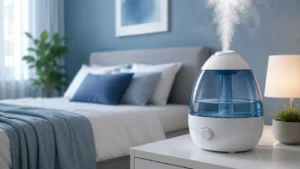
Most cool mist models in this class use ultrasonic vibration to turn water into a fine mist. Water moves from the tank into the base or misting chamber, and the output depends on tank fill level, cleaning condition, room airflow, and the selected setting.
Because this is a water-based appliance, performance is usually tied more to maintenance than to advanced features. If the tank, cap, or internal surfaces collect mineral residue, mist can become weaker or less consistent over time.
What to check in the manual: controls, indicator lights, and tank handling
Before using the unit, check how the power control works, what each indicator light means, and whether the tank has a specific fill line or locking method. Some humidifiers also include auto shutoff, low-water alerts, or optional night-mode behavior that should be confirmed in the guide.
Typical performance expectations and what can affect them
Cool mist humidifiers are usually best for small to medium spaces, but actual room coverage depends on layout, ventilation, and how dry the air is. Open doors, HVAC airflow, and hard water can all change how noticeable the mist feels in daily use.
Key Specifications to Verify Before You Buy or Set It Up
Tank capacity, room coverage, runtime, and mist settings
Do not assume the same Aqua Oasis model always ships with the same specs. Verify tank capacity, estimated runtime, and whether the unit offers one or multiple mist levels, because those details affect how often you refill it and how well it fits your space.
Dimensions, footprint, and placement needs for bedrooms, offices, or nurseries
Measure the surface where the humidifier will sit and leave room around it for airflow and safe moisture dispersion. A compact footprint helps on desks and nightstands, while nursery use usually calls for extra attention to cable placement and spill resistance.
Power use, cord quality, and any rated wattage or adapter details to confirm
For any plugged-in appliance, confirm the rated wattage and adapter information in the manual or product label before use. If the unit uses a detachable power adapter, make sure the replacement or extension you use matches the manufacturer’s electrical requirements.
Noise level, filter or cartridge requirements, and warranty details to check
Noise is usually a major reason people choose a cool mist humidifier for bedrooms or offices, but the actual sound level can vary with water level and placement. Also check whether the model needs a filter, cartridge, or other consumable, and read the warranty terms so you know what maintenance is expected.
- Check the exact model number and manual
- Confirm room size, tank capacity, and runtime
- Verify power requirements, cord condition, and adapter details
- Review filter, cartridge, cleaning, and warranty terms
Who the Aqua Oasis Cool Mist Humidifier Fits Best
Best use cases: dry bedrooms, small living spaces, desks, and seasonal comfort
This type of humidifier is usually a good fit for people who want targeted moisture in a small room rather than whole-home coverage. It can make sense in bedrooms, home offices, dorm rooms, and other spaces where dry air is most noticeable during seasonal heating or air conditioning use.
Ideal user profile: low-maintenance buyers, families, and first-time humidifier owners
Buyers who want a straightforward appliance with simple controls often do well with a basic cool mist model. Families and first-time owners may especially appreciate a design that is easy to refill, easy to wipe down, and easy to understand without a long learning curve.
Who may want a different model: larger rooms, hard-water areas, or ultra-quiet needs
If you need coverage for a large open space, you may want a larger-capacity humidifier or a different style altogether. People in hard-water areas may also want to compare models carefully, since mineral buildup can be a bigger maintenance issue, and very noise-sensitive users should compare sound claims and return policies before buying.
Setup Guide: Getting the Humidifier Ready the Right Way
Unboxing, inspection, and checking for damaged parts before first use
Start by confirming that all listed parts are present and that the tank, cap, base, and cord look intact. If you notice cracks, bent pins, loose parts, or water damage, stop and contact the seller or manufacturer before plugging it in.
- Main humidifier base
- Water tank and tank cap
- Power cord or adapter, if included
- Printed manual and any accessory parts
Filling the tank, placing the unit on a stable surface, and starting mist output
Connectivity or app setup only if your model includes smart features
Some versions may include smart features, but not all do. If your model connects to an app or home network, follow the official pairing steps, confirm app permissions, and update the app only through the approved store listing or manufacturer instructions.
First-run tips: water type, initial cleaning, and safe placement distance
Many owners prefer distilled or otherwise low-mineral water to reduce residue, but the manual should always have the final word on acceptable water types. A quick initial cleaning before first use can also help remove packaging dust, and the unit should stay far enough from walls, curtains, and electronics to avoid moisture buildup.
- Use the water type recommended in the manual when possible
- Keep the cord routed away from walkways and children
- Leave space around the mist outlet so moisture does not collect on nearby surfaces
- Empty leftover water after use if the manual recommends it
Safe Use, Maintenance, and Storage Tips
Daily care: emptying leftover water, wiping surfaces, and preventing buildup
Daily upkeep is simple but important. Empty unused water when the manual calls for it, wipe the tank opening and base, and let the unit dry enough to reduce stale water smells and residue buildup.
Weekly cleaning routine: descaling, sanitizing, and checking for mineral residue
Most humidifiers need more than a quick rinse. A weekly cleaning routine usually includes descaling mineral deposits, cleaning reachable surfaces with manufacturer-approved methods, and checking the tank cap, outlet area, and base for residue that can affect mist output.
How to store the unit between seasons without mold, odor, or tank damage
Before long-term storage, clean and dry every part thoroughly, then keep the humidifier in a cool, dry place with the tank open if the manual allows it. Avoid sealing away moisture, since trapped water can create odor or mold issues by the next season.
Replacement guidance for filters, pads, caps, or worn parts if applicable
If your model uses filters, pads, or removable caps, replace them according to the manual rather than waiting for visible failure. Worn seals, cloudy tanks, and damaged caps can all reduce performance or increase the chance of leaks.
Common Problems and Troubleshooting from the Manual
No mist, weak mist, or inconsistent output: likely causes and fixes
If the humidifier is not producing mist, first confirm that the tank is filled correctly, the unit is powered on, and the base is assembled as directed. Weak output can also come from mineral buildup, a dirty misting chamber, a low water level, or a setting that is lower than expected.
Leaks, strange odors, gurgling, and noise: what to inspect first
Leaks often point to a loose tank cap, poor seating, or a cracked part. Strange odors usually mean the unit needs cleaning or drying, while gurgling and extra noise can happen when the tank is nearly empty or when internal parts are not seated correctly.
Indicator light issues, shutoff behavior, and when to stop using the unit
Indicator lights can signal low water, power status, or a safety shutoff, so check the manual before assuming the unit is broken. Stop using the humidifier if you see cracks, smell burning, notice electrical problems, or find that the unit overheats or behaves unpredictably.
When a repair, part replacement, or warranty claim makes more sense
For simple issues like a worn cap or missing filter, a replacement part may be the cleanest solution if the manufacturer supports it. If the problem involves electrical failure, repeated malfunction, or damage from normal use, a warranty claim is often more practical than trying to troubleshoot beyond the manual.
Value, Limitations, and Final Recommendation
Real-world benefits: comfort, dryness relief, and ease of routine use
The main value of an Aqua Oasis cool mist humidifier is straightforward comfort. For the right room size, it can help reduce the dry-air feeling common in bedrooms and offices, and the manual-based routine is usually manageable for people who are willing to clean it regularly.
Limitations and trade-offs: maintenance demands, room-size limits, and water quality sensitivity
The trade-off is that cool mist humidifiers are not set-and-forget devices. They need regular cleaning, they work best within a limited room size, and their performance can drop faster when water quality is poor or the unit is placed carelessly.
Comparison points to consider against similar cool mist humidifiers
When comparing alternatives, focus on tank size, cleaning access, replacement part availability, noise claims, and whether the controls are simple enough for your routine. Also verify whether another model has better hard-water tolerance, a more helpful manual, or a warranty that matches how often you plan to use it.
Transparent verdict: whether the Aqua Oasis manual and product are a good fit in 2026
The Aqua Oasis cool mist humidifier can be a solid fit if you want a basic, room-focused humidifier and you are willing to follow the manual closely for filling, cleaning, and storage. If you need larger coverage, fewer maintenance steps, or confirmed smart-home features, it is worth comparing the exact model specs before you decide.
Choose this humidifier if you want simple cool mist comfort in a smaller space and you are comfortable with routine maintenance. Look elsewhere if your room is large, your water is very hard, or you need advanced features that are not clearly listed in the official manual.
Frequently Asked Questions
It typically explains setup, tank filling, controls, cleaning, storage, and troubleshooting. It may also include safety guidance and model-specific details like indicator lights or shutoff behavior.
Anyone using the unit should read it, especially first-time owners and families placing it in bedrooms or nurseries. The manual helps prevent leaks, poor mist output, and avoidable maintenance mistakes.
Daily wipe-downs and regular emptying help keep the unit in good shape, while deeper cleaning is often needed weekly. Follow the manual for descaling and any approved cleaning method.
Verify tank capacity, room coverage, runtime, noise claims, and whether the model needs filters or cartridges. Also confirm the exact power requirements and warranty terms.
Weak mist can come from low water, mineral buildup, incorrect assembly, or a lower output setting. The manual usually lists the first checks to make before assuming the unit is faulty.
Stop using it if you notice cracks, electrical damage, overheating, repeated leaks, or a burning smell. In those cases, follow the manufacturer’s guidance and consider warranty support.