Best 16k Camera Picks for Stunning Ultra Clear Photos
A 16K camera can be useful for smart home buyers who need maximum detail, but only if the lens, lighting, storage, and network are good enough to support it. For many homes, a lower-resolution camera with stronger night vision and easier setup is the better practical choice.
If you’re shopping for a 16k camera, the big question is not just whether the number sounds impressive, but whether that level of detail actually helps in your home. For most smart home buyers, the best choice is a camera that balances resolution, low-light performance, storage, and app reliability rather than chasing resolution alone.
- Resolution is not everything: Sensor quality, lens design, and lighting can matter more than a huge pixel count.
- Match the camera to the space: Indoor, outdoor, PTZ, and doorbell-style cameras solve different problems.
- Check storage and bandwidth: Ultra-high-resolution footage can increase network and storage demands quickly.
- Verify compatibility first: Smart home platform support and app features can vary by model and firmware.
Best 16K Camera Picks for Stunning Ultra Clear Photos: What to Know Before You Buy
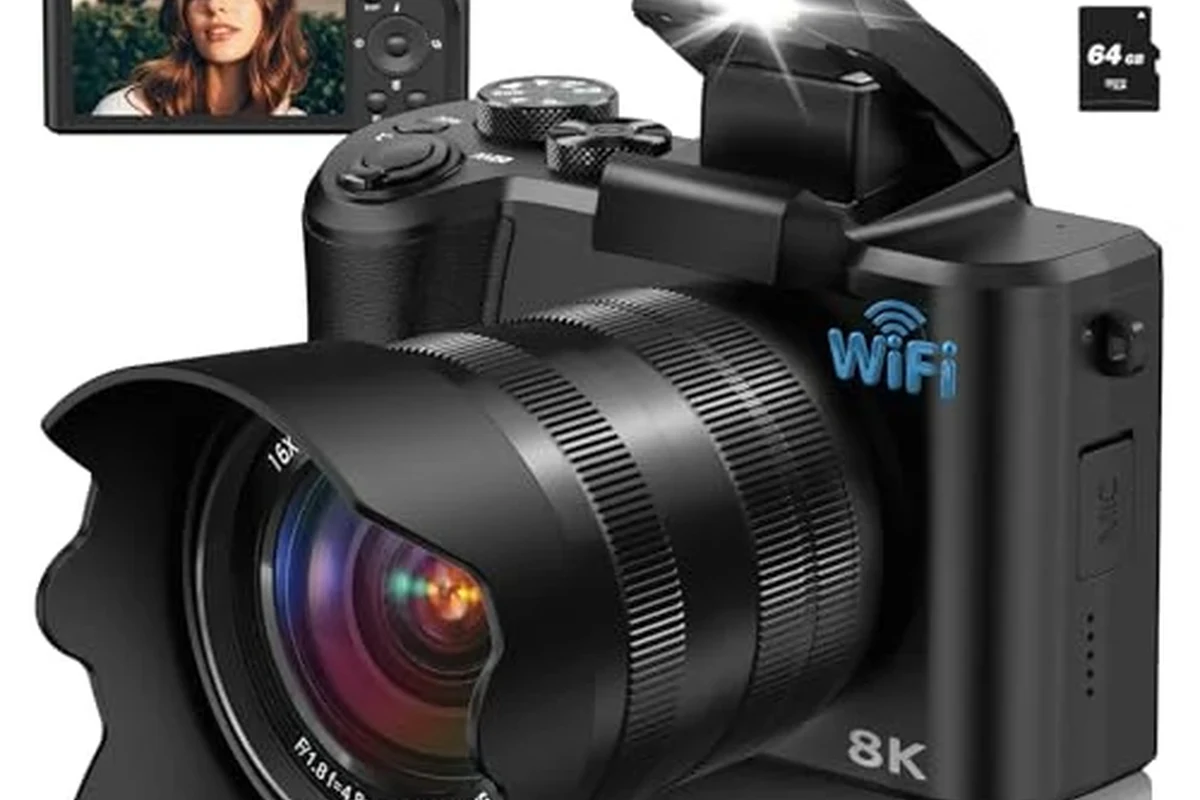
In smart home use, “16K” usually signals an ultra-high-resolution camera class or a marketing claim tied to very detailed capture and cropping flexibility. Before you buy, it helps to understand what the spec can and cannot do in a real home setup, because placement, lighting, network quality, and software often matter just as much as pixel count.
Quick answer: who a 16K camera is for, and whether it is worth it in 2026
A 16K camera makes the most sense for buyers who want maximum detail for monitoring large spaces, preserving evidence, or cropping into a scene without losing much clarity. It is worth considering if you have strong Wi-Fi or wired networking, good lighting, and a real need for zoom-friendly footage.
For many homes, a lower-resolution camera with better night vision, a wider field of view, and a more stable app will deliver a better everyday experience. If your main goal is simple alerts, pet monitoring, or checking who is at the door, the practical value of 16K can be limited.
How this guide evaluates image quality, usability, and smart home fit
This guide focuses on the features that affect real use: sensor performance, lens quality, motion tracking, storage options, connectivity, and smart home compatibility. It also considers installation effort, maintenance, and whether the camera fits common home layouts such as apartments, entryways, garages, nurseries, and outdoor perimeters.
- Check the model number, app requirements, mounting style, and whether the camera needs Wi-Fi, Ethernet, or PoE.
- Confirm storage options, privacy settings, warranty terms, and any region-specific compatibility notes before purchase.
How a 16K Camera Works and What “16K” Really Means
“16K” refers to an extremely high pixel count, but the label alone does not guarantee a sharper image in every situation. A camera’s actual image quality depends on the whole imaging chain: sensor size, lens quality, image processing, compression, and lighting.
Resolution basics: sensor size, pixel count, and real-world sharpness
Resolution describes how many pixels the camera can capture, which can improve the ability to zoom in or crop a section of the frame later. But if the sensor is too small for the pixel count, each pixel may receive less light, which can affect clarity in dim rooms or at night.
Higher resolution can help preserve detail, but it does not automatically improve motion handling, color accuracy, or low-light performance.
Why 16K footage can still depend on lens quality, processing, and lighting
A strong lens helps the sensor capture fine detail without softness at the edges. Processing also matters because the camera has to compress, sharpen, and sometimes stabilize the image before it reaches your app or storage device.
Lighting is equally important. Even a very high-resolution camera can look muddy in a dark hallway, a back porch with glare, or a room with mixed lighting if the sensor and night mode are not strong enough.
Where 16K helps most in smart home use cases like monitoring, zooming, and cropping
Ultra-high resolution is most useful when the camera covers a large area and you want to zoom in on a doorway, driveway, or window after the fact. It can also help when multiple people, pets, or objects move through the same scene and you need more detail from a recorded clip.
Top 16K Camera Types to Consider for Smart Home Setups
Rather than thinking only in terms of one “best” camera, it is smarter to match the camera style to the room or exterior area you want to cover. Different formats solve different problems, and the right one for a living room may be a poor fit for a driveway or front gate.
Indoor security cameras for living rooms, entryways, and nurseries
Indoor cameras are usually the easiest to install and reposition. They work well for checking on pets, children, package drops, or general activity in common areas, especially when you want a compact unit that blends into the room.
Outdoor cameras for driveways, porches, and perimeter coverage
Outdoor models need stronger weather resistance, better glare handling, and more dependable night performance. For porches and driveways, look for cameras that can handle changing light, rain exposure, and wider viewing angles without losing detail at the edges.
Pan-tilt-zoom models for wide areas and flexible viewing angles
PTZ cameras are useful when one camera needs to cover a broad space and you want to adjust the view remotely. They can be especially helpful in open-plan living areas, large rooms, or backyards where a fixed angle would miss too much action.
Doorbell-style cameras and compact options for space-limited homes
Doorbell cameras are ideal for front-door monitoring when you want a small footprint and a familiar installation point. Compact models also suit renters or smaller homes where a full-size camera would be visually intrusive or difficult to mount.
Homeowners who need premium detail across a large area should prioritize a high-resolution outdoor or PTZ model, while renters usually benefit more from a compact indoor or doorbell-style option with easy setup.
Key Buying Criteria: Specs That Matter More Than Resolution Alone
Resolution is only one part of the buying decision. The best camera for smart home use is the one that stays clear in your lighting, connects reliably to your network, and stores footage in a way that fits your budget and privacy preferences.
Sensor performance, low-light clarity, HDR, and night vision quality
Low-light performance is one of the most important quality checks because many home incidents happen in the evening or at night. Look for sensor and HDR features that help preserve detail in both bright and dark parts of the frame, and confirm whether night vision is infrared, color, or model-specific.
Field of view, zoom range, frame rate, and motion tracking accuracy
A wide field of view can reduce blind spots, while a useful zoom range helps you inspect details after motion is detected. Frame rate and motion tracking affect how smooth the footage looks and how accurately the camera follows movement, but actual results depend on the app and firmware.
Connectivity: Wi-Fi bands, Ethernet support, and app stability requirements
For a high-resolution camera, stable connectivity matters a lot because larger files can stress weak networks. Dual-band Wi-Fi, Ethernet, or PoE support can improve reliability, but you should verify what the specific model supports and whether your router can handle the load.
App features, streaming quality, and motion alerts can change with firmware updates, phone operating system versions, and subscription plans. Always check the current app listing and product page before buying.
Storage options: local microSD, NAS, cloud plans, and retention costs
Ultra-high-resolution footage consumes storage quickly, so it is worth checking whether the camera supports local microSD recording, network storage, cloud plans, or a mix of all three. If you expect frequent motion events, retention costs and storage management can matter more than the headline resolution.
Smart home compatibility with Alexa, Google Home, and Apple Home
Compatibility is often model-specific, and some cameras only support certain features inside each ecosystem. Before buying, confirm whether live view, alerts, or automations work with your preferred platform and whether any functions require a separate hub or subscription.
Setup, Placement, and App Requirements for Best Results
Even a powerful camera can underperform if it is mounted too high, aimed at reflective surfaces, or placed where Wi-Fi is weak. Good setup is what turns a high-resolution camera into a useful smart home tool instead of a complicated gadget.
Recommended mounting height, viewing angle, and room or exterior placement
Place indoor cameras where they can see the area you actually care about without pointing directly at windows or bright lamps. For outdoor use, aim the camera to reduce glare and avoid mounting it where rain, direct sun, or tree movement will constantly trigger false motion events.
Power needs, cable length, and whether PoE or adapter power is better
Check whether the camera is battery-powered, adapter-powered, or designed for PoE. For fixed locations and higher-resolution models, wired power or PoE is often more dependable, but the best choice depends on the layout of your home and where outlets are available.
Use only the power adapter, cable, and mounting hardware recommended by the manufacturer. Stop using any camera, charger, or cable that overheats, shows fraying, or has visible damage.
App setup, firmware updates, permissions, and account requirements to verify
Before installation, confirm whether the camera requires an account, a subscription, or a specific app version. It is also wise to review permissions, enable two-factor authentication if available, and install firmware updates through the official app only.
Dimensions, clearance space, and installation constraints to check before buying
Measure the mounting area carefully, especially for corners, doorframes, shelves, or outdoor soffits. Some cameras need extra clearance for tilt movement, cable routing, or antenna placement, and those physical details can determine whether the model is practical in your home.
- Test signal strength at the intended mounting spot before drilling or fastening anything.
- Keep the lens away from direct glare, reflective glass, and heat sources for more consistent footage.
- Review motion zones in the app after installation so alerts match the space you actually want to monitor.
Real-Use Benefits, Limitations, and Common Mistakes
A 16K camera can be impressive on paper, but the real-world value depends on what problem you are trying to solve. The biggest wins usually come from clearer identification and more flexible cropping, while the biggest downsides are storage demand and network strain.
Benefits: clearer identification, better digital zoom, and more usable evidence
When footage is detailed enough, you may be able to zoom in on a person, package, pet, or vehicle without losing the entire image. That can make recordings more useful for reviewing events later or sharing clips with property managers or authorities when needed.
Limitations: bandwidth demands, storage consumption, and diminishing returns
Ultra-high-resolution video can require more bandwidth, more storage, and more processing power from your camera, router, and app. At some point, the extra pixels may deliver less practical benefit than stronger low-light performance or better motion detection.
Common mistakes: overspending on resolution, weak Wi-Fi, poor placement, and ignored lighting
Many buyers focus on the biggest number and overlook the basics. A poorly placed high-resolution camera on a weak network will often perform worse than a lower-resolution model with better optics, stronger signal, and smarter alert settings.
Evidence limitations: when 16K claims may be marketing-forward rather than practical
Some product listings use “16K” as a shorthand for ultra-clear capture, but the real-world image may still be limited by sensor size, compression, or software scaling. If the manufacturer does not clearly explain how the resolution is achieved, it is worth treating the claim carefully and verifying the spec sheet, app details, and user manual.
If a camera is overheating, dropping connection constantly, or showing damage to its housing or cables, stop using it and follow the manufacturer’s support guidance.
Safety, Maintenance, and Long-Term Care
A smart home camera should be easy to maintain over time, especially if it is mounted outdoors or in a high-traffic area. Routine care helps preserve image quality and reduces the chance of avoidable failures.
Safe use for indoor and outdoor mounting, weather resistance, and overheating checks
Use the camera only within the mounting and weather range listed by the manufacturer. Outdoor units should be installed where seals, gaskets, and cable connections are protected as intended, and indoor units should have enough airflow to avoid heat buildup.
Cleaning the lens, housing, and mounts without damaging coatings or seals
Clean the lens gently with a soft microfiber cloth and avoid harsh chemicals that may damage coatings. If the camera has weather seals or gasketed covers, do not pry them open unnecessarily, since that can reduce protection against dust and moisture.
Storage care, cable inspection, and replacement guidance for adapters and mounts
Check memory cards, local storage devices, and cables periodically for wear or error messages. Replace damaged adapters or mounts with manufacturer-approved parts when possible, especially if the camera is exposed to vibration, temperature swings, or outdoor weather.
Warranty details to verify, including coverage for sensors, batteries, and accessories if included
Warranty terms vary widely by model, region, and retailer, so it is important to read the official policy before you buy. Pay attention to what is covered, how long coverage lasts, and whether accessories such as batteries, mounts, or power adapters are included.
Best Value Verdict: Which 16K Camera Setup Fits Different Users
The best 16K camera setup is the one that fits your space, network, and actual monitoring needs. For most smart home buyers, the smartest purchase is not the most extreme resolution on the market, but the model that delivers stable, clear footage where you need it most.
Choose a 16K camera if you want premium detail for a large area, strong zooming potential, and you are prepared for the storage and connectivity demands that come with it. If your home needs are simpler, a well-built lower-resolution camera with better low-light performance and easier setup is often the better value.
Best for homeowners who want premium detail and smart alerts
Homeowners with larger properties, long driveways, or multiple monitoring zones are the most likely to benefit from a high-resolution model. These users should prioritize strong app support, dependable motion alerts, and storage options that fit frequent recording.
Best for renters, small spaces, and easy installation
Renters and people in compact homes usually do better with a smaller indoor camera or a doorbell-style option, especially if they need a simple setup and minimal mounting changes. In those spaces, convenience often matters more than maximum resolution.
Best for buyers who should choose a lower-resolution camera instead
If your Wi-Fi is inconsistent, your lighting is poor, or you mainly want basic alerts, a lower-resolution camera may be the smarter purchase. You will often get a smoother experience, easier storage management, and fewer app frustrations.
Final recommendation: when a 16K camera is a smart buy in 2026
A 16K camera is a smart buy when you have a clear reason to capture and review fine detail, plus the network and storage setup to support it. If that does not describe your home, prioritize reliability, night vision, and placement first, then choose the highest resolution that still makes practical sense.
Frequently Asked Questions
It is best for people who need maximum detail for large areas, zooming, or later review of events. If you only want basic home monitoring, it may be more camera than you need.
It can be, but only when your lighting, network, and storage can support it. Many homes get better results from a camera with stronger low-light performance and a more reliable app.
Sensor quality, lens performance, field of view, motion tracking, storage options, and app stability often matter more than pixel count. Smart home compatibility is also important.
High-resolution video can use more bandwidth and storage than lower-resolution footage. Check for microSD, NAS, cloud, or wired networking options before buying.
Some models can, but compatibility is often model-specific and feature-specific. Verify the current support list before purchase.
Confirm mounting location, power source, cable length, app requirements, privacy settings, and outdoor weather resistance if needed. Also review warranty and update support.