1890 Camera Guide for Vintage Photography Lovers
An 1890 camera is mainly a collectible or educational antique, though some restored examples can still be used for historical photography. The best buy depends on condition, completeness, and whether you want display value or real shooting capability.
An 1890 camera is usually a late-19th-century photographic camera built for glass plates, early sheet-film systems, or other period formats. For buyers today, it is most often a collectible, display piece, or educational tool rather than a simple everyday camera.
- Best use: Collecting, display, reenactment, and educational demonstrations.
- Buying priority: Check shutter action, bellows integrity, lens clarity, and missing parts.
- Usability: Restored or reproduction models are usually easier than unrestored originals.
- Ownership reality: Expect slow setup, careful handling, and specialized workflow.
1890 Camera Guide for Vintage Photography Lovers: What It Is and Whether It’s Worth Buying
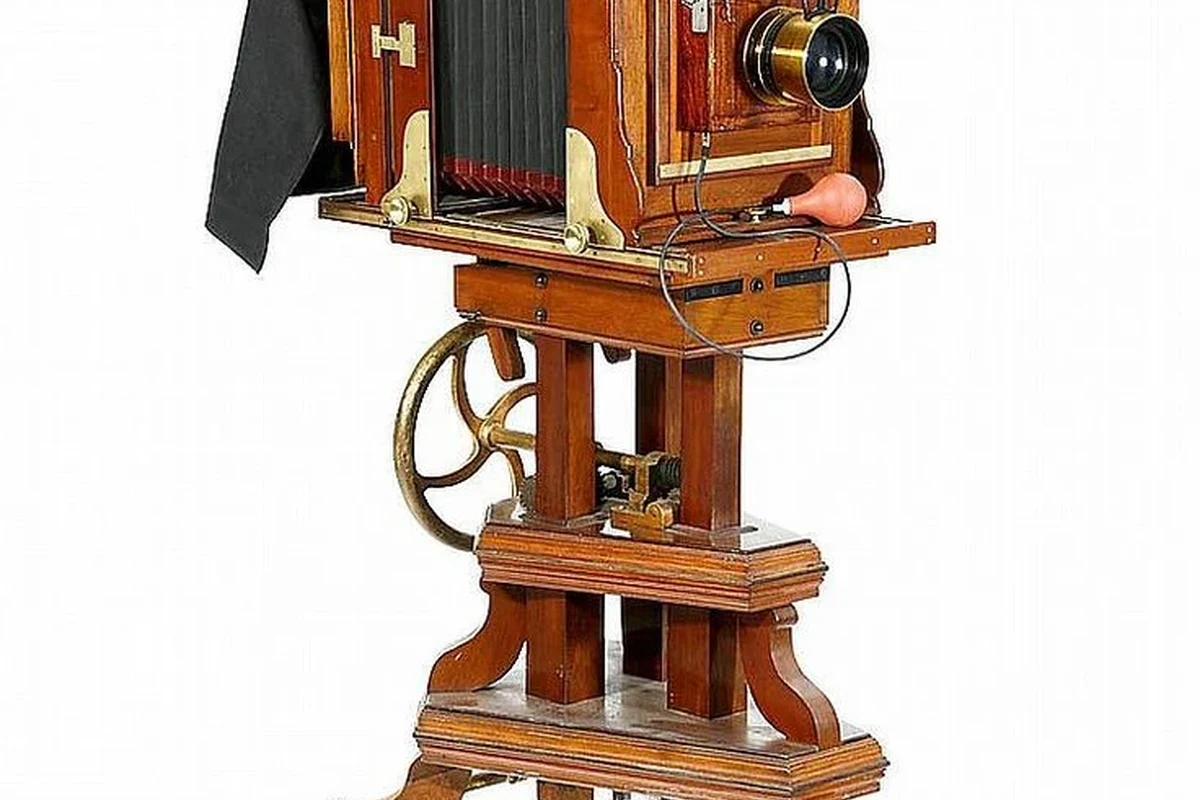
Understanding an 1890 camera starts with knowing that “camera” in this era meant a very different workflow from modern digital gear. These cameras were built for careful setup, manual exposure, and a separate development process, so the real value depends on whether you want history, hands-on experimentation, or a decorative antique.
Quick answer: what an 1890 camera is, how it works, and who it’s best for
An 1890 camera is a pre-1900 photographic camera, commonly using glass plates or early film formats and requiring tripod use, manual focusing, and darkroom processing. It is best for collectors, vintage-photo enthusiasts, museums, educators, reenactors, and decorators who appreciate authenticity more than convenience.
Why this matters in 2026 for collectors, reenactors, and analog photography fans
Interest in analog photography has stayed strong because older cameras offer a slower, more tactile experience than digital devices. In 2026, the practical question is not whether the camera is “cool,” but whether it is complete, restorable, and suitable for the level of effort you want to invest.
Many listings use “1890 camera” loosely to describe an actual 1890s camera, a later camera in a similar style, or a reproduction. Always confirm the exact make, model, and format before buying.
How 1890 Cameras Work: The Core Design, Materials, and Image Process
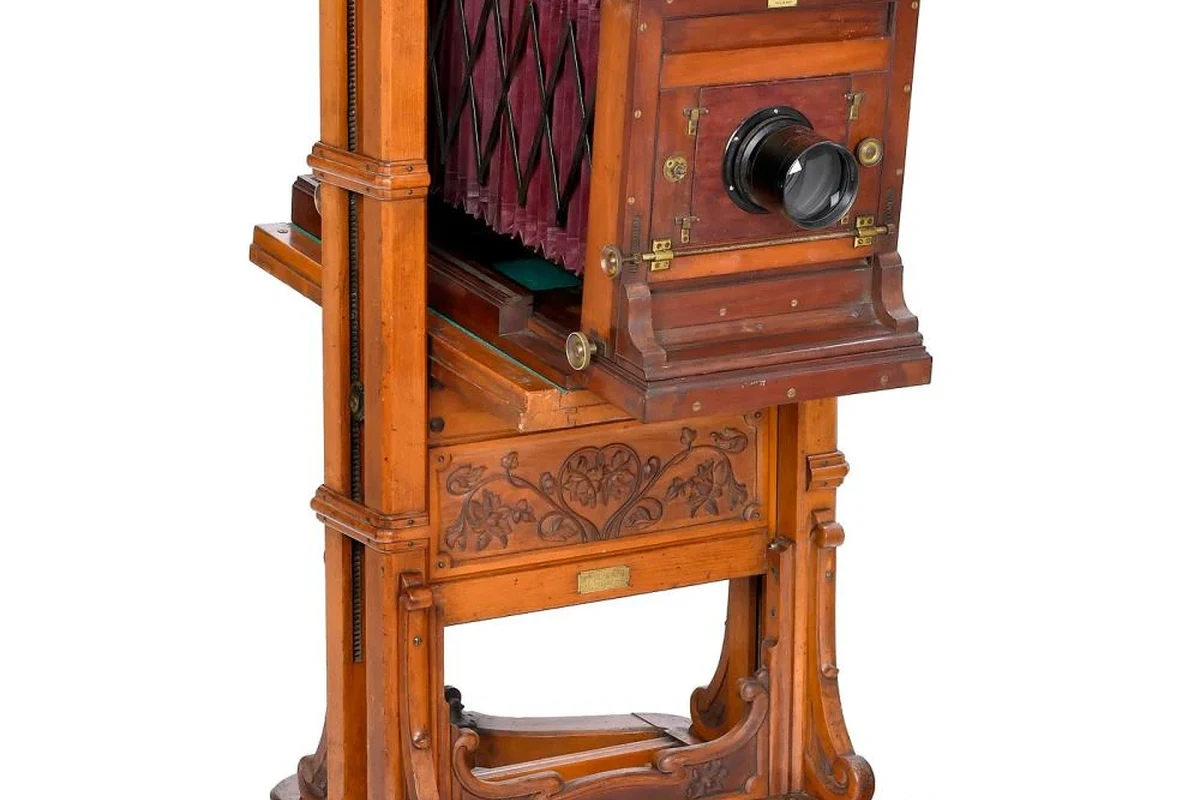
Most cameras from this period were mechanical, not electronic. They depended on light-tight construction, a lens, a shutter or lens cap method, and a photosensitive plate or film holder that had to be handled carefully before and after exposure.
Typical camera formats from the era: box cameras, plate cameras, and early folding models
Common styles included box cameras for simpler operation, plate cameras for higher image quality, and early folding cameras that used bellows to make the camera more compact. The exact format matters because it affects size, portability, focusing method, and what kind of image carrier the camera can accept.
Key components to understand: lens, shutter, bellows, plate holder, and tripod use
The lens controls how the scene is projected onto the plate or film. The shutter determines exposure time, while bellows allow the lens standard to move for focusing on many models; plate holders keep the sensitive material in position, and a tripod is often needed because exposures can be slow.
Many late-1800s cameras were designed around glass plates because they offered a stable, flat surface for sharp negatives before flexible film became dominant.
What “shooting” really means with period cameras: exposure, plates, film adapters, and darkroom workflow
Using an 1890 camera usually means loading a plate holder or compatible adapter, composing the image, setting exposure manually, and then developing the result separately. Some owners use modern adapters or restoration work to make the camera more practical, but that depends entirely on the specific model and its condition.
Load the correct plate, sheet film adapter, or approved substitute only if the camera is designed for it.
Use the ground glass or other focusing method, then choose an exposure based on the lens, shutter, and lighting.
Develop the plate or film using the proper darkroom workflow for that material.
Who an 1890 Camera Fits Best: Collectors, Display Buyers, and Hands-On Users
Not every buyer wants the same thing from a vintage camera. Some want a historically accurate object for display, while others want a working antique that can still produce images with patience and the right supplies.
Best use cases: vintage photography, museum-style display, prop styling, and educational demonstrations
These cameras make sense for collectors who value originality, educators who want to demonstrate early photographic methods, and stylists who need a period-accurate prop. They also appeal to analog fans who enjoy process-driven photography and do not mind a slower workflow.
Collectors and display buyers usually get the most satisfaction from an original 1890 camera, because authenticity and visual presence matter more than daily usability.
Skill level and patience required for operation, loading, and developing
Operating one of these cameras is not beginner-friendly in the modern sense. You need patience, careful handling, and a basic understanding of exposure, loading, and development, plus the willingness to troubleshoot old mechanical parts without forcing them.
When a replica or restored unit makes more sense than an unrestored original
A replica or restored camera can be the better choice if you want safer operation, fewer surprises, and a higher chance of making images. An unrestored original is often better suited to display, but only if you are comfortable with possible wear, missing parts, and limited service options.
- More authentic historical character
- Can be a strong display or teaching piece
- May still be usable with proper restoration
- Often fragile or incomplete
- May need specialized supplies or repair
- Not ideal for quick, repeatable shooting
Key Buying Criteria: Condition, Authenticity, Compatibility, and Value
Buying an antique camera is mostly about reducing risk. Because condition varies so widely, the best purchase is the one with the clearest evidence of originality, completeness, and safe operation.
What to inspect before buying: shutter action, lens clarity, bellows integrity, wood or metal corrosion, and missing parts
Check whether the shutter moves at all, whether the lens is clear enough for your goals, and whether the bellows still hold light. Also look for rust, corrosion, warped wood, cracked leather, missing knobs, broken hinges, and signs that parts have been replaced with mismatched pieces.
Do not force stuck shutters, hinges, or focusing rails. Old mechanical parts can crack or break suddenly, and repairs may be harder than the original damage.
Authentic original vs restored vs reproduction: trade-offs in price, usability, and collectability
An original camera usually has the strongest collector appeal, especially if it is complete and documented. A restored unit may be easier to use but less desirable to strict collectors, while a reproduction is often the most practical for demonstrations when you want the look without the same level of risk.
Evidence limits when buying online: photos, serial numbers, seller notes, and return policy
Online listings can hide a lot, so inspect every photo carefully and ask for close-ups of the lens, bellows, shutter, and any serial numbers. Seller notes help, but they are not a substitute for a return policy and clear photos of the exact item you will receive.
- Confirm the exact model, format, and intended image carrier.
- Check for missing parts, light leaks, corrosion, and broken movement.
- Review return terms, shipping protection, and seller documentation.
Value factors in 2026: rarity, completeness, provenance, and repairability
Value depends less on age alone and more on how complete and documented the camera is. Provenance, original accessories, a usable shutter, and the ability to restore or service the camera usually matter more than a vague “museum quality” label.
Real-World Benefits and Limitations of Owning an 1890 Camera
An antique camera can be deeply rewarding, but only if you understand its practical limits. The experience is closer to historical craft than modern point-and-shoot photography.
Benefits: historical appeal, tactile shooting experience, display value, and educational use
The biggest advantages are atmosphere and authenticity. A period camera creates a hands-on connection to photography history, looks striking in a collection or room, and works well for demonstrations that show how early imaging technology developed.
Limitations: slow workflow, fragile materials, limited parts availability, and inconsistent image results
The downsides are just as important. Loading takes time, materials may be hard to find, and old optics or shutters can produce uneven results that vary from shot to shot. If you want fast, predictable image capture, this is the wrong category.
Common mistakes buyers make: overpaying for “museum quality,” ignoring hidden damage, and assuming it’s ready to shoot
Many buyers assume that age automatically means value, but hidden damage can make a camera more decorative than functional. Another common mistake is assuming a restored-looking exterior means the bellows, shutter, and lens are all ready for use.
Setup and Safe Use: Loading, Handling, and Operating Without Damage
Safe use is mostly about gentle handling and realistic expectations. Treat the camera like a delicate mechanical object, not a modern device that can be powered on and tested repeatedly without consequence.
Basic setup steps: mounting, leveling, focusing, and preparing plates or film adapters
Place the camera on a stable tripod or support that can handle its weight and shape.
Keep the body steady so the image plane stays square to the subject when needed.
Use the camera’s focusing method slowly, then lock everything down before exposure.
Safe handling rules for old lenses, bellows, glass, and fragile finishes
Use clean hands, avoid abrasive cleaners, and support the camera from the body rather than delicate knobs or decorative trim. Glass plates, if present, should be handled with extra caution because chips or cracks can make them unsafe and unusable.
If a camera has broken glass, loose fragments, mold, or unstable structural damage, stop handling it casually and have it evaluated by a qualified conservator or restorer.
Lighting and exposure basics to avoid ruined shots or unnecessary strain on the mechanism
Because these cameras often rely on long or carefully timed exposures, good lighting and stable support matter more than speed. Bright, even light helps reduce the need to repeatedly trigger old shutters or strain delicate controls during trial-and-error shooting.
Limits of safe use: when not to force shutters, hinges, or winding parts
If a part resists movement, do not push harder just to see what happens. Old lubricants can harden, springs can weaken, and forcing the mechanism can turn a repairable issue into permanent damage.
Care, Cleaning, and Storage: How to Preserve an 1890 Camera
Preservation is about slowing deterioration, not making the camera look brand new. The safest approach is usually gentle cleaning, controlled storage, and occasional inspection rather than aggressive restoration attempts.
Cleaning methods that are safe for wood, brass, leather, and fabric bellows
Use a soft brush or microfiber cloth for dust, and avoid soaking wood, brass, or leather with liquid cleaners. Bellows should be cleaned carefully and only with methods appropriate to their material, since strong cleaners can worsen cracking or separation.
Storage conditions: temperature, humidity, dust control, and UV protection
Store the camera in a stable, dry environment away from direct sunlight and temperature swings. Excess humidity can encourage corrosion and mold, while strong UV exposure can fade finishes, dry out leather, and weaken old fabrics.
If you display the camera, rotate it out of direct sun and dust it regularly with a soft, dry tool rather than a wet cloth.
Maintenance checklist: lubrication cautions, periodic inspection, and when to seek restoration help
Inspect the camera periodically for new cracks, loose hardware, or signs of corrosion. Lubrication should be approached cautiously because the wrong product can attract dust or damage old materials, so professional restoration help is often the safer choice for valuable pieces.
Replacement guidance for worn straps, seals, cases, and missing accessories
Replace only what is necessary and try to match period-appropriate materials when authenticity matters. For a display piece, modern replacements may be acceptable, but for a collector-grade camera, document any changes so provenance is not lost.
Final Verdict: Is an 1890 Camera a Smart Buy in 2026?
An 1890 camera is a smart buy only if you value history, craftsmanship, and careful ownership more than convenience. The right choice depends on whether you want a collectible, a display object, or a camera you can realistically use with patience and restoration support.
Best recommendation by buyer type: collector, beginner, decorator, or serious vintage shooter
Collectors should prioritize originality and completeness. Beginners are usually better off with a restored unit or a reproduction, decorators can focus on visual condition, and serious vintage shooters should look for a camera with verified working parts and a clear path to servicing.
Top alternatives to consider if you want easier use, lower risk, or better image consistency
If you want easier shooting, consider a later large-format camera, a restored vintage model with more available parts, or a modern camera that supports manual controls and film photography. Those options usually offer better consistency and less risk than an unrestored antique.
Transparent conclusion on value, practicality, and long-term ownership
The best 1890 camera purchase is the one that matches your goal. For display and historical interest, it can be a rewarding and meaningful acquisition; for regular shooting, it is often more practical to choose a restored or later-format alternative.
Choose an 1890 camera if you want authenticity, display value, and a connection to early photography history. Choose a restored or reproduction option if your priority is safer handling, easier operation, and fewer surprises.
Frequently Asked Questions
An 1890 camera is mostly used for collecting, display, education, reenactment, and historical photography demonstrations. Some restored examples can still be used for image-making, but they usually require patience and special supplies.
An original usually has more collector value and historical authenticity. A reproduction or restored unit is often better if you want easier handling and lower risk.
Check shutter movement, lens clarity, bellows condition, corrosion, missing parts, and whether the exact model is identified clearly. Ask for close-up photos and review the return policy before buying.
Some can, especially if they are restored and matched to the correct plates, film adapters, or workflow. Results vary widely based on condition, format, and available accessories.
Store it in a dry, stable environment away from direct sunlight, high humidity, and big temperature swings. Gentle dusting and periodic inspection help preserve wood, brass, leather, and bellows.
Beginners who want a ready-to-use camera, buyers without restoration support, and anyone expecting modern convenience should usually avoid unrestored examples. A restored or reproduction model is often a better fit.