Are Sensor Trash Cans Worth It
Yes, sensor trash cans are worth it for frequent-use areas where hands-free convenience and cleaner handling matter. If you want the cheapest and simplest bin, a standard trash can is usually the better choice.
Sensor trash cans are worth it for many homes if you want hands-free convenience, better hygiene around food prep, and easier use for kids or mobility-limited users. They are less compelling if you mainly want a low-cost bin, rarely touch the lid, or do not want to deal with batteries, charging, or a lid mechanism that can eventually wear out.
- Best use cases: Kitchens, bathrooms, nurseries, and accessibility-focused setups benefit most.
- Main trade-off: Convenience and hygiene come with more cost, power needs, and maintenance.
- What matters most: Sensor behavior, power source, lid noise, and fit in your space.
- Common mistake: Buying a premium model without checking dimensions, battery needs, or warranty support.
Are Sensor Trash Cans Worth It? Quick Verdict for 2026
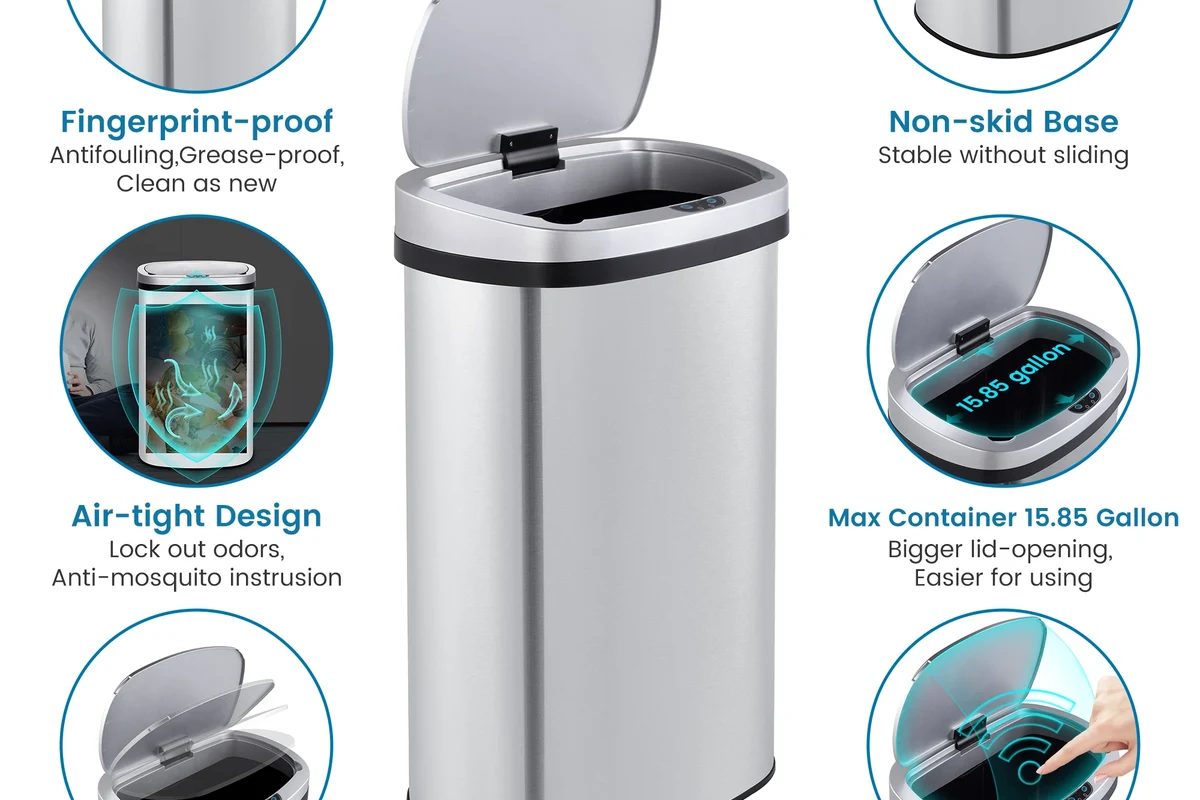
The short answer is yes, but only for the right household and the right bin. A sensor trash can is usually worth the extra cost when convenience and cleanliness matter more than the absolute lowest price.
What makes them appealing is not just the “futuristic” lid. The real value comes from reducing contact with the can during cooking, cleaning, diaper changes, pet cleanup, and other messy tasks where touching a lid feels annoying or unsanitary.
How Sensor Trash Cans Work: Motion, Infrared, and Touchless Lids
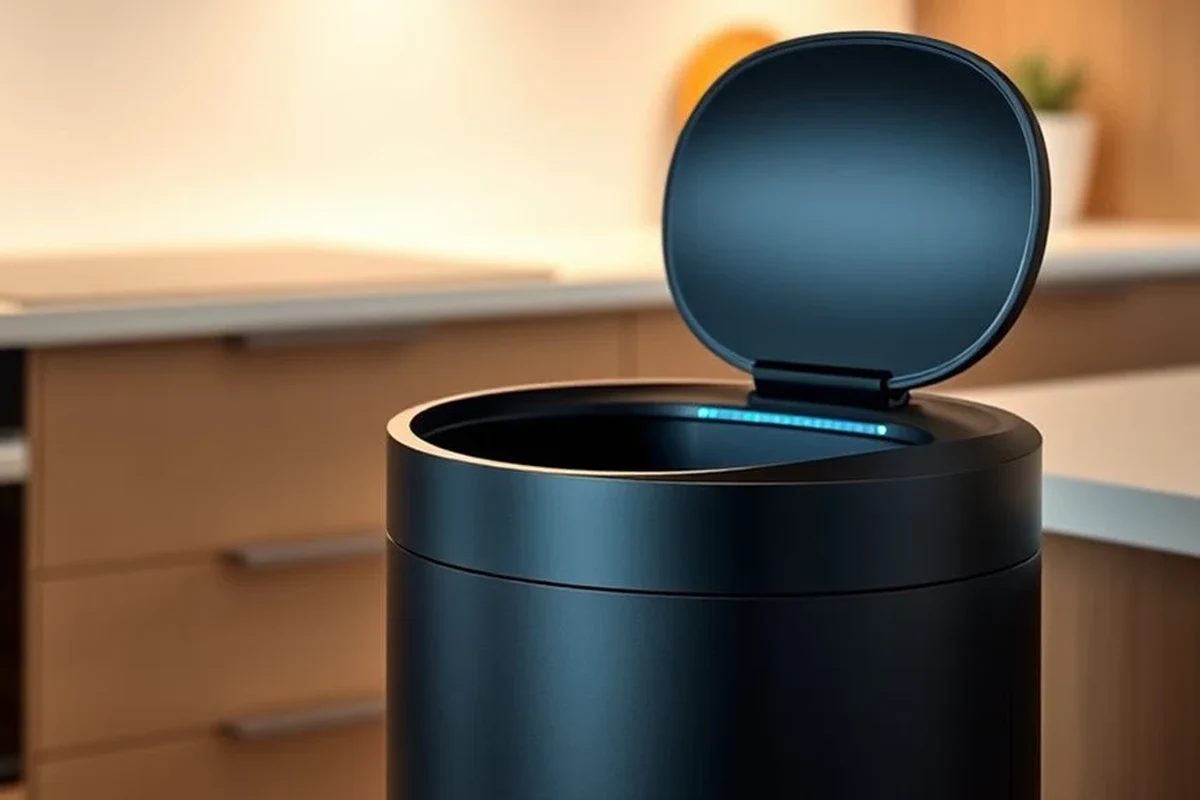
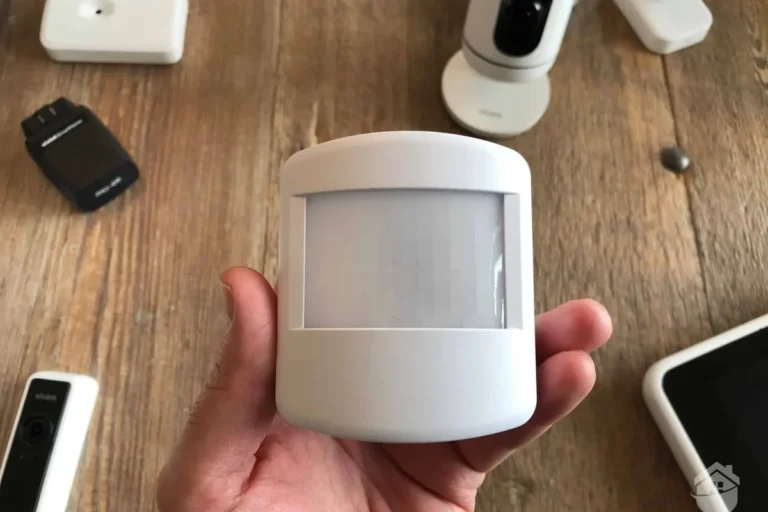
Most sensor trash cans use an infrared or motion sensor to detect your hand, body, or nearby movement. When the sensor is triggered, a small motor opens the lid automatically and then closes it after a short delay.
Some models use a simple wave-to-open design, while others are tuned to respond to motion within a certain distance. A few “smart” versions add app features, voice control, or status alerts, but the basic opening mechanism is still usually sensor plus motor.
Core components and opening mechanism
At minimum, a sensor trash can includes a sensor module, a control board, a lid, a motor or actuator, and a power source. The quality of those parts affects how fast the lid opens, how quietly it moves, and how reliably it closes.
More expensive models may add soft-close behavior, odor seals, deodorizer compartments, or better lid alignment. Those extras can improve the experience, but they do not always mean the sensor itself is more accurate.
Infrared sensors detect changes in reflected light, which is why placement, lighting, and nearby surfaces can affect how well some touchless lids respond.
Power sources: batteries vs. rechargeable vs. plug-in models
Battery-powered cans are the most flexible because they can go anywhere, but they require replacement batteries or periodic charging. Rechargeable models reduce disposable battery waste, though actual runtime depends heavily on how often the lid opens.
Plug-in models can be convenient in a fixed location, especially in kitchens or utility areas, but they need a safe cable route and a nearby outlet. Before buying, confirm the power method, cable length, and whether the unit can still open manually if power is interrupted.
Keep charging cables, adapters, and power connections away from sinks, wet floors, and heat sources. If a cable is frayed, the unit overheats, or the lid behaves unpredictably, stop using it and follow the manufacturer’s guidance.
Who Sensor Trash Cans Fit Best
Sensor trash cans fit best in homes where the lid gets opened many times a day and hands are often full, dirty, or wet. They are especially useful when a touchless setup improves hygiene or makes a small daily task feel easier.
Best for kitchens, bathrooms, nurseries, and home offices
Kitchens are the strongest use case because cooking creates frequent, messy interruptions. Bathrooms and nurseries also benefit because touchless use can feel cleaner and more practical when handling tissues, wipes, or diapers.
Home offices, craft rooms, and gaming setups can also benefit if you want a cleaner-looking bin and less contact with the lid. For pet owners, a sensor can help when disposing of waste without touching the can with dirty hands.
When a standard trash can makes more sense
A standard trash can often makes more sense if the bin is used lightly, sits in a low-traffic room, or needs to be as inexpensive and simple as possible. If you mostly want a container for paper waste or occasional packaging, a sensor lid may be unnecessary complexity.
It can also be the better choice if your space is cramped, the can will be moved often, or you do not want to manage batteries, charging, or electrical cords. In those cases, durability and simplicity usually matter more than touchless convenience.
Key Buying Criteria to Compare Before You Pay More
Not every sensor trash can is better simply because it costs more. The best choice depends on size, sensor behavior, power design, materials, and how well the lid mechanism fits your room and routine.
Capacity, dimensions, and bin shape
Capacity should match the room and waste volume, but the external dimensions matter just as much. A tall narrow can may fit beside a cabinet, while a wider can may be easier to use and empty.
Check the opening size too, not only the total capacity. A bin that is technically large enough can still feel awkward if the lid opening is too small for common trash items.
Sensor range, response speed, and lid noise
Sensor range determines how close you need to be before the lid opens. If the range is too sensitive, the lid may trigger at the wrong time; if it is too short, you may have to hover awkwardly to activate it.
Response speed and lid noise also matter more than many buyers expect. A slow or loud lid can be annoying in a shared kitchen, bedroom, or office, especially if the can is used frequently.
Look for product pages or manuals that explain the trigger distance, close delay, and manual-open option. If that information is missing, treat the model as a placement-dependent purchase.
Battery life, rated power, and cable quality for powered models
Battery life claims can vary widely based on how often the lid opens, how long it stays open, and whether the sensor is constantly active. Treat any battery estimate as a best-case guide unless the manufacturer explains the test conditions.
For plug-in or rechargeable models, check the rated input, connector type, and cable quality. A flimsy cable or a poorly placed power port can turn a convenient bin into a daily annoyance.
Materials, odor control, and warranty details to verify
Stainless steel, coated metal, and plastic each have trade-offs. Metal can feel sturdier and resist fingerprints better on some finishes, while plastic can be lighter and easier to move but may look less premium over time.
Odor control features vary by model and may include tight-fitting lids, carbon filters, or sealed compartments. Also review warranty length, what it covers, and whether replacement lids, motors, or sensors are available if something fails later.
Real-World Benefits: Convenience, Hygiene, and Accessibility
The main reason people buy sensor trash cans is not novelty. It is the practical advantage of reducing contact during everyday tasks that already involve mess, speed, or limited hands.
Hands-free use for cooking, cleaning, and waste sorting
Hands-free operation is most useful when you are holding food scraps, paper towels, packaging, or cleaning cloths. It can also help when you are sorting waste and want to avoid repeatedly touching the lid.
That convenience adds up in busy households. Even if each opening only saves a few seconds, the smoother workflow can make the can feel worth it over time.
- Reduces contact during messy tasks
- Can feel cleaner in kitchens and bathrooms
- Helpful when hands are full
- Needs power and maintenance
- Can misread movement in some spaces
- Usually costs more than a basic bin
Accessibility advantages for seniors and mobility-limited users
Touchless lids can be especially helpful for older adults, people with arthritis, and anyone with limited grip strength or mobility. Removing the need to press a pedal or lift a lid can make everyday waste disposal easier and less frustrating.
That said, accessibility depends on the model. A can that opens too slowly, requires awkward positioning, or closes too quickly may be less helpful than a simple pedal can with a stable design.
Limitations and Common Mistakes Buyers Make
Sensor trash cans have a few predictable weaknesses, and many negative experiences come from choosing the wrong model or placing it poorly. Understanding those limits helps you avoid paying more for a bin that becomes irritating.
False triggers, lag, and placement problems
False triggers can happen when the sensor is too sensitive, the can sits in a busy walkway, or nearby surfaces reflect the sensor signal. Lag can happen when the sensor is weak, the batteries are low, or the lid mechanism is under strain.
Placement matters more than many people expect. A can tucked too close to a wall, cabinet, or appliance may not open consistently, while a can placed in a high-traffic zone may activate too often.
Battery drain, sensor contamination, and lid mechanism wear
Dust, grease, soap residue, and moisture can interfere with the sensor over time. In kitchens, that means the front sensor area may need regular cleaning even if the rest of the bin looks fine.
Motorized lids also have more moving parts than a standard trash can, so wear is a real concern. If the lid starts sticking, opening unevenly, or making new noises, check the manual before assuming it is a simple fix.
Stop using damaged electronics, swollen batteries, frayed cables, overheating chargers, or unstable appliances and follow the manufacturer’s guidance.
Why premium pricing does not always mean better performance
Higher prices sometimes buy better materials, quieter operation, or improved lid design, but they do not automatically guarantee better sensing or longer battery life. Some expensive models spend more on styling and smart features than on the parts that affect daily reliability.
That is why spec sheets, manuals, and warranty terms matter more than marketing language. If a brand does not explain sensor range, power requirements, or replacement-part support, the premium may not be justified.
Setup, Safe Use, and Maintenance Guide
Good setup is the difference between a sensor trash can that feels effortless and one that becomes annoying. The same is true for maintenance: a little care can improve reliability and help the lid mechanism last longer.
Placement, calibration, and app or connectivity requirements for smart models
Place the can on a flat, stable surface with enough room for the lid to open fully. Keep it away from direct splashes, heat, and clutter that could block the sensor or lid path.
If the model includes app features or connectivity, confirm the app requirements before buying. Features can vary by region, phone platform, firmware version, and account setup, so it is smart to verify the manual and app store listing first.
- Check compatibility, model number, app requirements, dimensions, ports, wattage, and intended use
- Confirm safety guidance, warranty, return policy, privacy settings, and update support
Cleaning the sensor, lid, and liner area without damaging electronics
Use the cleaning method recommended by the manufacturer, especially around the sensor and motor housing. In general, avoid soaking electronic parts, spraying liquid directly into openings, or using abrasive cleaners on sensor surfaces.
Pay attention to the liner area too, since spills and bag overhang can interfere with closure. A clean bag fit and a dry interior help the lid move more consistently.
- Wipe the sensor area regularly with a soft, slightly damp cloth
- Keep bag edges from blocking the lid path
- Use the recommended liner size if the manual specifies one
Storage, replacement parts, and inspection intervals for long-term use
If you store the can for a season or move it between rooms, remove batteries if the manual recommends it and keep the unit dry. Store it with the lid protected so the hinge and sensor area are not stressed.
Check whether replacement lids, motors, sensors, or liners are sold by the manufacturer or authorized sellers. For long-term ownership, parts availability can matter as much as the original purchase price.
Final Recommendation: Are Sensor Trash Cans Worth It for Most Homes?
For most homes, sensor trash cans are worth it when the bin is used often and hands-free convenience will be appreciated every day. They are especially strong for kitchens, bathrooms, nurseries, and accessible living setups where hygiene and ease matter more than having the cheapest possible trash can.
Best-value buyer profiles and situations to skip them
The best-value buyers are people who cook frequently, want a cleaner touch-free routine, or need a bin that is easier to use with limited mobility. They also make sense if you are comfortable checking power needs, cleaning the sensor area, and following the manual for setup.
Skip them if you want the simplest possible waste bin, if the can will sit in a low-use room, or if you are unlikely to notice the hands-free benefit enough to justify extra cost and upkeep.
Transparent verdict on value, trade-offs, and alternatives
The honest verdict is that sensor trash cans are a convenience upgrade, not a universal improvement. They can be excellent in the right space, but a high-quality pedal can or standard open-top bin may be the smarter buy when simplicity, durability, and price matter more.
Choose a sensor trash can if you will use the touchless feature often and are willing to maintain the lid, power source, and sensor area. Choose a standard trash can if you want the most reliable low-maintenance option or if the added features will not change your daily routine much.
Frequently Asked Questions
Yes, kitchens are one of the best uses because hands are often full or messy. Just verify the sensor range, lid speed, and cleaning instructions before buying.
They are better for hands-free convenience, but not always better for simplicity or long-term reliability. A pedal can may be the smarter choice if you want fewer parts and less maintenance.
Battery life varies a lot by model and how often the lid opens. Check the manufacturer’s estimate and treat it as dependent on real-world use, room layout, and battery type.
Verify capacity, dimensions, sensor range, power source, liner fit, noise, and warranty terms. If it has app features, confirm compatibility and setup requirements too.
They do not usually need special cleaners, but the sensor and lid area should be cleaned carefully. Avoid soaking electronics or spraying liquid directly into openings unless the manual says it is safe.
Skip one if you want the cheapest, simplest, or most maintenance-free option. They are also less appealing in low-use rooms or tight spaces where the sensor may not work as well.