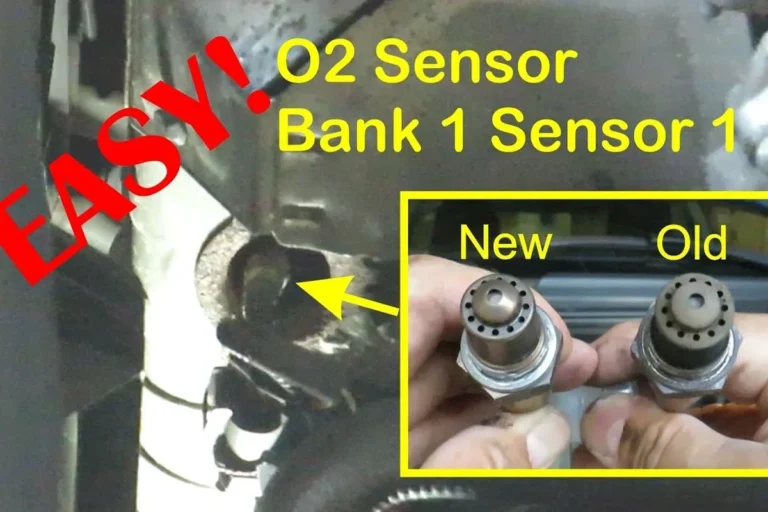
Do O2 Sensors Help with Gas Mileage
Yes, a working O2 sensor can help gas mileage by keeping the engine’s fuel mixture accurate. If the sensor is failing or slow, replacing it may improve MPG, but only if no other engine problem is causing the loss.
Yes—working oxygen sensors can help improve gas mileage by helping the engine run at the correct air-fuel ratio. But the fuel-economy gain is usually noticeable only when a sensor is failing, slow, or causing the engine to run too rich.
- Fuel control: O2 sensors help the ECU adjust fuel for efficiency once the engine is warm.
- Best-case gain: Replacing a bad sensor can restore lost MPG, especially on older or high-mileage vehicles.
- Not a cure-all: Vacuum leaks, misfires, MAF issues, and injector problems can also hurt mileage.
- Fit matters: Upstream vs. downstream location, connector type, and thread size must match the vehicle.
Do O2 Sensors Help with Gas Mileage? Short Answer and What to Expect
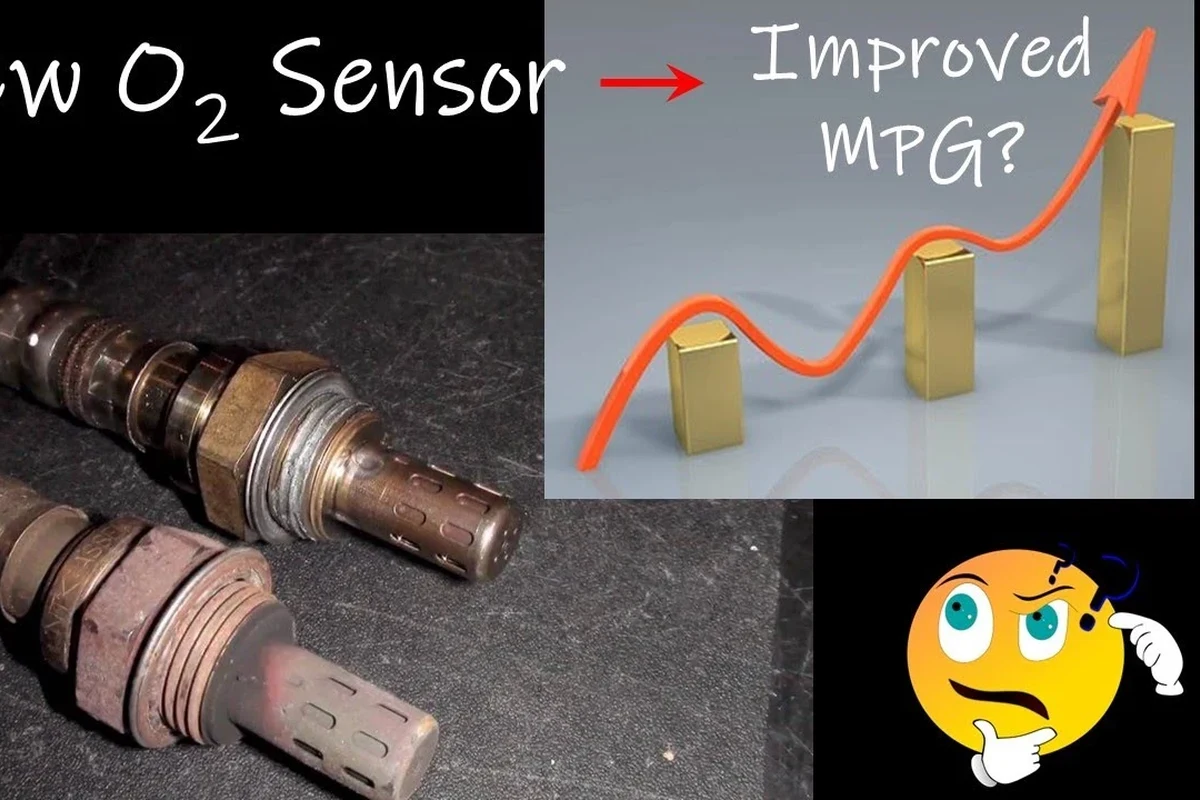
O2 sensors do not “add” mileage on their own; they help the engine computer make better fuel decisions. If the sensor is healthy, replacing it may not change MPG much. If it is worn out or sending bad data, the improvement can be real because the engine can stop wasting fuel.
That is why the right question is not just whether O2 sensors help with gas mileage, but whether your current sensor is still doing its job. In many vehicles, poor MPG is tied to a broader engine issue, so diagnostics matter more than guesswork.
How an Oxygen Sensor Works in the Fuel System
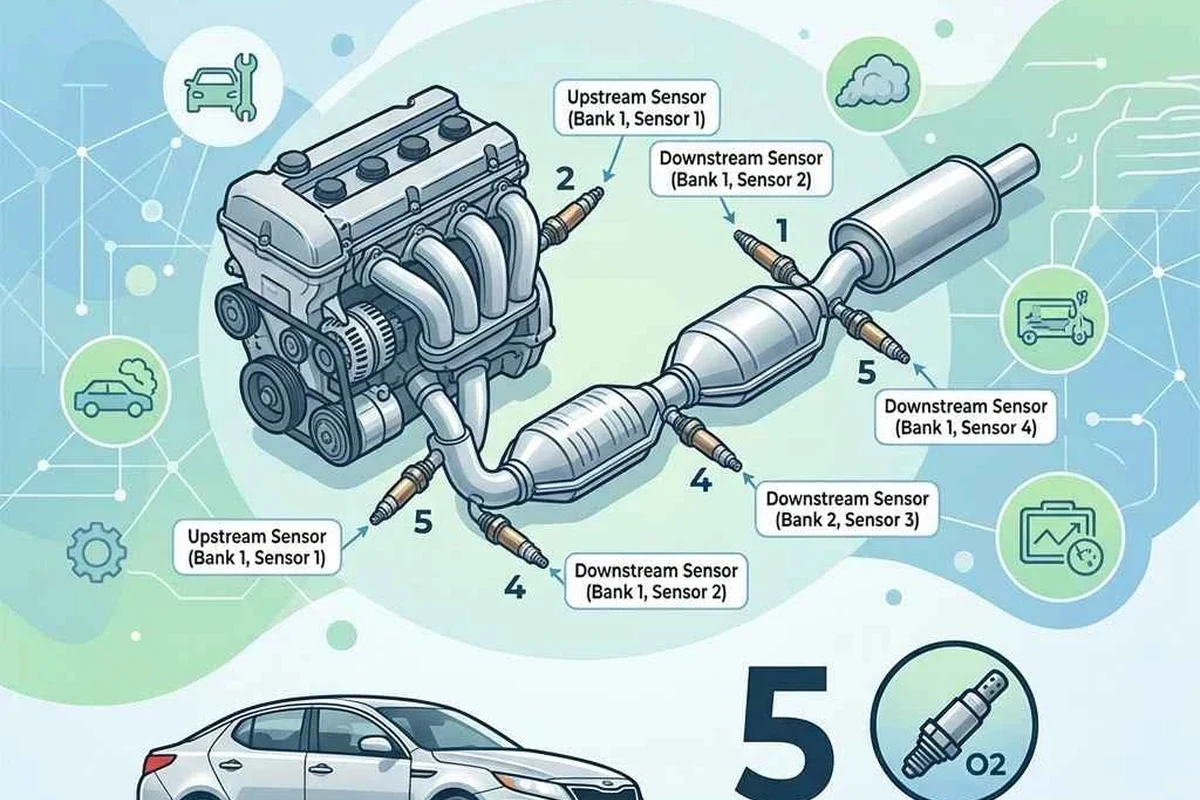
An oxygen sensor measures how much oxygen is left in the exhaust after combustion. The engine control unit, or ECU, uses that information to fine-tune fuel delivery so the engine stays close to the ideal air-fuel mixture for efficiency, drivability, and emissions.
Why the engine control unit relies on O2 sensor readings
The ECU constantly adjusts fuel delivery based on inputs from sensors such as the O2 sensor, mass airflow sensor, coolant temperature sensor, and throttle position sensor. The O2 sensor is especially important once the engine reaches operating temperature and enters closed-loop operation, where the ECU actively trims fuel based on exhaust feedback.
Most modern gasoline engines use both upstream and downstream oxygen sensors, but only the upstream sensor is typically the main fuel-control sensor.
When the ECU trusts the signal, it can keep combustion efficient without running overly rich. That helps fuel economy, protects the catalytic converter, and can improve idle quality and throttle response.
How a failing sensor can lead to richer fuel mixtures
A worn or contaminated sensor may respond slowly or report the wrong oxygen content. If the ECU thinks the engine is running lean when it is not, it may add extra fuel, which can lower MPG and increase emissions.
In some cases, the ECU may also stay in a default strategy if the sensor signal is unreliable. That can hurt efficiency even if the car still seems drivable.
Signs Your O2 Sensor May Be Hurting Fuel Economy
Fuel economy problems from an O2 sensor usually show up alongside other driveability clues. A single bad tank of gas is not enough to blame the sensor, but repeated MPG loss with a check-engine light deserves attention.
Common symptoms drivers notice before mileage drops
Typical warning signs include a check-engine light, rough idle, hesitation, sulfur or fuel smell from the exhaust, failed emissions testing, and stronger-than-usual fuel consumption. Some drivers also notice the engine sounds “busy” or that the fan and idle behavior seem unusual after warm-up.
- Read the trouble code before replacing parts.
- Compare short-term and long-term fuel trims if your scanner supports them.
- Look for a slow or stuck sensor signal, not just a code number.
If the O2 sensor is the problem, the issue often becomes more obvious after the engine warms up. Cold-start fuel use is normal, so the key is whether MPG stays poor once the vehicle is in closed loop.
When poor gas mileage is caused by something else
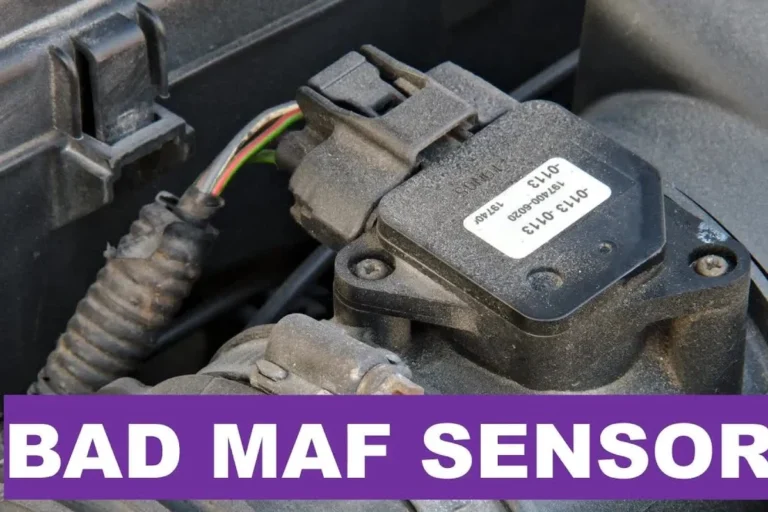
Bad MPG can also come from underinflated tires, dirty air filters, dragging brakes, faulty spark plugs, vacuum leaks, a bad mass airflow sensor, a stuck thermostat, or excessive idling. In other words, an O2 sensor is only one possible cause.
If the engine has other air, ignition, or exhaust problems, replacing the sensor alone may not help. That is why diagnostic trouble codes, live data, and a basic inspection are more useful than swapping parts at random.
Who Benefits Most from Replacing an O2 Sensor
Replacing an oxygen sensor is most likely to help when the vehicle has high mileage, an aged sensor, or a code pointing to sensor performance. The benefit is usually smaller when the sensor is working normally and the MPG issue has another cause.
High-mileage vehicles, older cars, and check-engine-light cases
Older vehicles and high-mileage engines are more likely to have slow sensor response, contamination, or heater failures. If the check-engine light points to the upstream sensor or a related mixture code, replacement can restore more accurate fuel control and sometimes improve fuel economy.
Sensor placement, connector shape, and thread size vary by vehicle, engine, and even trim level. Always confirm the exact fit with the VIN, engine code, and official parts catalog before buying.
Vehicles that fail emissions testing may also benefit because a bad sensor can affect both fuel use and emissions readiness. In those cases, the repair may solve more than one problem at once.
When replacement is less likely to improve MPG
If the sensor is new, the engine runs well, and there are no codes or fuel-trim abnormalities, replacing the O2 sensor is unlikely to create a dramatic MPG jump. The same is true if the real issue is mechanical, such as low compression, misfires, exhaust leaks, or transmission problems.
In short, replacement makes the most sense when diagnostics suggest the sensor is inaccurate or slow. Without that evidence, the repair is more of a gamble than a solution.
Key Specs and Decision Criteria When Choosing an O2 Sensor
Choosing the right sensor is mostly about fit, placement, connector compatibility, and signal behavior. The wrong part may not fit physically, may trigger codes, or may fail to communicate correctly with the vehicle’s ECU.
- Check the exact vehicle year, make, model, engine, and VIN match.
- Confirm upstream vs. downstream location and connector style.
- Review warranty terms, return policy, and installation instructions.
Upstream vs. downstream sensor placement
Upstream sensors sit before the catalytic converter and are usually the primary sensors used for fuel control. Downstream sensors sit after the catalytic converter and mainly monitor catalyst efficiency rather than directly controlling fuel mixture.
That distinction matters because replacing the downstream sensor may fix a code, but it often will not change MPG much. If fuel economy is the goal, the upstream sensor is usually the one to inspect first.
Compatibility, connector type, thread size, and response speed
Compatibility is not just about the vehicle model. You also need the right connector, wire count, thread size, sensor length, and heater configuration, all of which can vary by engine and emissions package.
Response speed also matters because a sluggish sensor can delay fuel corrections. Manufacturer specifications, shop manuals, and parts catalogs are the safest places to verify these details.
OEM vs. aftermarket options and value trade-offs
OEM sensors are often the safest choice when you want the closest match to factory behavior. Aftermarket sensors can be a good value, but fitment, calibration, and connector quality vary more from brand to brand.
- OEM parts usually offer the most predictable compatibility
- Aftermarket options can cost less and still work well when correctly matched
- OEM parts may cost more
- Some aftermarket sensors can cause repeat codes or weaker signal quality
If the vehicle is sensitive to sensor quality, paying for the better match may save time and repeated labor. If the car is older and the part is well reviewed by fitment data, a reputable aftermarket option may be reasonable.
Real-World Fuel Economy Gains: What’s Realistic and What Isn’t
Replacing a bad O2 sensor can improve MPG, but the gain is rarely magical. The bigger the sensor error, the more likely you are to see a meaningful change after repair.
How much MPG improvement is possible after repair
There is no universal MPG number because results depend on the vehicle, the fault, and whether other problems exist. A mildly degraded sensor may produce a small improvement, while a severely faulty sensor that keeps the engine rich could restore a much larger amount of lost efficiency.
What matters most is whether the engine returns to normal fuel trims and smooth closed-loop operation. If it does, the vehicle may recover some of the mileage it had been losing.
Evidence limits and why results vary by vehicle condition
Published outcomes vary because real-world MPG is affected by driving style, traffic, weather, tire pressure, load, terrain, and maintenance condition. A sensor replacement can improve one car noticeably and barely move the needle on another.
If the check-engine light is flashing, the engine is misfiring, or the car smells strongly of fuel, stop driving hard and get a proper diagnosis quickly. Continuing to drive can damage the catalytic converter and worsen fuel waste.
That is why a repair should be judged against diagnostic data, not just hope. If the sensor was only slightly aged, the MPG change may be subtle even when the repair is correct.
Common Mistakes That Reduce Mileage Even with a New Sensor
A new O2 sensor cannot fix every fuel-economy problem. If the rest of the engine system is unhealthy, MPG may stay poor even after replacement.
Ignoring vacuum leaks, dirty MAF sensors, spark issues, or clogged injectors
Vacuum leaks can create false lean conditions, dirty MAF sensors can distort airflow readings, and weak spark can leave unburned fuel in the exhaust. Clogged injectors or fuel pressure problems can also throw off the mixture and confuse the ECU.
Before replacing multiple parts, inspect for obvious intake leaks, damaged wiring, loose exhaust connections, and other visible issues. Follow the manufacturer’s diagnostic flow when possible.
Those problems can mimic a bad sensor or even damage a new one over time. Fixing the root cause first is usually the smarter move.
Replacing the wrong sensor without proper diagnostics
Many vehicles have multiple oxygen sensors, and not all of them affect fuel economy in the same way. Replacing a downstream sensor when the upstream sensor is at fault may clear one code but leave MPG unchanged.
Using an OBD-II scanner, checking freeze-frame data, and confirming the sensor location can prevent wasted money. When in doubt, a repair manual or qualified technician can help interpret the codes correctly.
Installation, Maintenance, and Safe Use Tips
O2 sensor replacement is usually straightforward in concept, but the exhaust environment makes it a job that deserves care. Heat, rust, and wiring damage are the main risks.
Basic setup considerations, wiring care, and exhaust heat safety
Always let the exhaust cool before working near the sensor. The sensor and surrounding pipe can stay dangerously hot long after the engine is turned off.
Match the sensor to the vehicle, position, connector, and engine code before removal.
Keep wiring away from sharp edges, hot exhaust parts, and moving components.
Use the manufacturer’s installation instructions for thread treatment and tightening.
If the sensor is hard to reach or heavily rusted, forcing it can damage the exhaust bung or wiring. In that case, professional help may be the safer and cheaper choice in the long run.
Inspection intervals, replacement guidance, and long-term maintenance
There is no single replacement interval that fits every vehicle because sensor life depends on engine condition, fuel quality, oil consumption, and driving environment. Some sensors last a long time; others wear sooner due to contamination or heat.
Long-term maintenance helps the new sensor last: keep up with spark plugs, air filtration, oil leaks, and cooling-system health. If the engine runs cleanly, the O2 sensor has a better chance of staying accurate.
After replacement, clear codes only if you have confirmed the repair path, then monitor fuel trims and readiness monitors to make sure the problem does not return.
Final Recommendation: Should You Replace an O2 Sensor for Better Gas Mileage?
Yes, but only when diagnostics suggest the O2 sensor is actually causing inefficient fuel control. If the sensor is slow, contaminated, or triggering mixture-related codes, replacement can improve MPG and restore smoother engine behavior.
Best-case scenario, limitations, and the smartest next step
The best-case scenario is a high-mileage or aging vehicle with clear sensor-related symptoms, rich running, or a relevant check-engine light. In that situation, replacing the correct sensor can be a worthwhile repair.
The smartest next step is to confirm the fault before buying parts. Check the code, verify the sensor location, inspect for vacuum or ignition issues, and consult the official service information so you fix the real cause of poor mileage instead of guessing.
- A healthy O2 sensor supports good MPG by helping the ECU control fuel accurately.
- Fuel economy usually improves only when the old sensor is slow, inaccurate, or causing rich running.
- Other problems like vacuum leaks, MAF issues, or misfires can hide the real cause.
- Correct sensor placement and fitment matter more than simply buying “an O2 sensor.”
Frequently Asked Questions
Yes. A failing oxygen sensor can cause the ECU to add too much fuel or stay in a fallback strategy, which can reduce MPG.
No. Mileage improves mainly when the sensor is actually faulty or slow, and not when another engine problem is causing the fuel loss.
The upstream sensor usually matters most because it helps control the air-fuel mixture. The downstream sensor mainly monitors catalytic converter performance.
Vacuum leaks, dirty MAF sensors, misfires, clogged injectors, weak spark, and exhaust leaks can all mimic sensor-related fuel economy issues.
Match the exact vehicle, engine, sensor position, connector type, and thread size using the VIN, parts catalog, or official service information.
Often the car will still run, but poor fuel economy, emissions issues, and possible catalytic converter damage can get worse. If the engine misfires or smells strongly of fuel, get it checked promptly.