Can Maf Sensor Cause Transmission Problems
Yes, a bad MAF sensor can cause symptoms that feel like transmission problems, especially harsh shifting, hesitation, and limp mode. The safest first step is to inspect the intake system and scan live data before assuming the transmission is failing.
Yes, a bad MAF sensor can absolutely cause symptoms that feel like transmission trouble, including harsh shifting, hesitation, and limp mode. In many cases, the transmission itself is fine—the engine is sending incorrect load and airflow data that changes how the drivetrain behaves.
- MAF impact: Wrong airflow data can change engine load and shift behavior.
- Common clue: Hesitation, rough shifting, or delayed engagement may be engine-related, not a bad transmission.
- Best first checks: Inspect wiring, air leaks, filters, and sensor contamination.
- Diagnosis matters: Scan tool data and codes help separate sensor issues from true transmission faults.
Can a MAF Sensor Cause Transmission Problems? The Short Answer
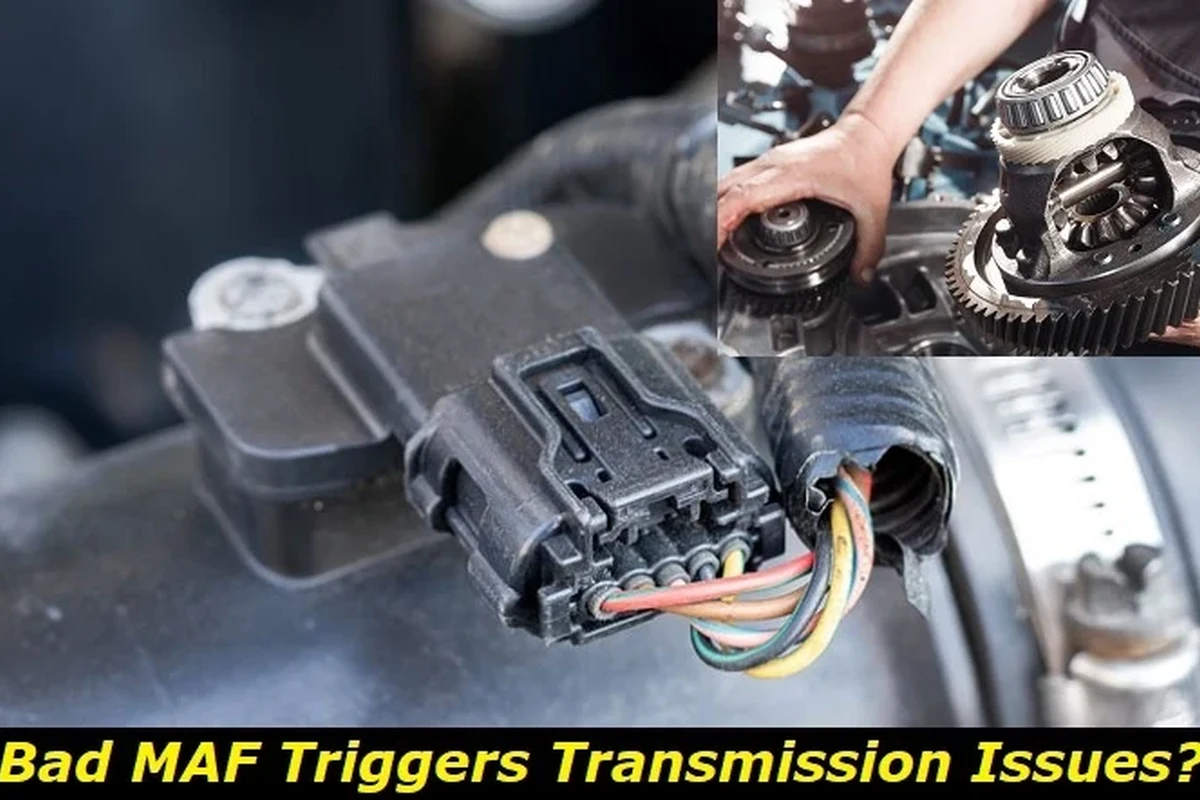
The mass air flow sensor does not control the transmission directly, but it can influence how the engine computer calculates load, fuel delivery, and shift timing. When that data is wrong, the transmission may shift at the wrong time or feel unstable even if the gearbox has no internal fault.
That is why a driver may notice rough engagement, delayed shifts, or poor throttle response and assume the transmission is failing. The smarter approach is to check the intake system, scan data, and fault codes before authorizing major transmission work.
How the MAF Sensor Affects Engine and Transmission Behavior
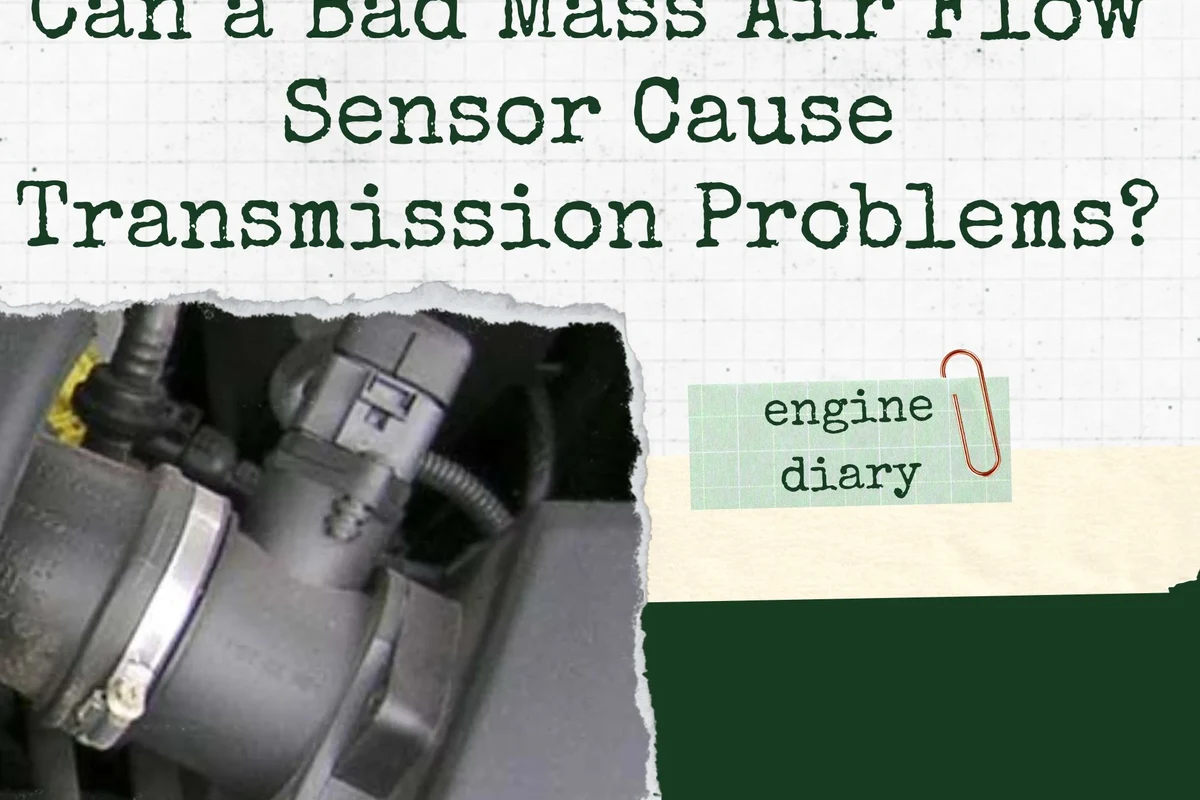
The MAF sensor is part of the engine’s air-and-fuel calculation. If it reports too much or too little airflow, the engine control module may command the wrong fuel mixture, which can ripple into drivability and shift quality.
What the mass air flow sensor measures
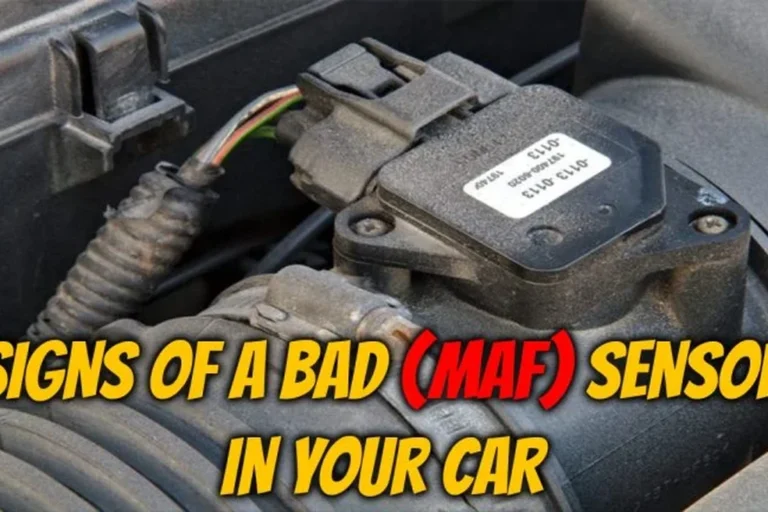
A MAF sensor measures the amount of air entering the engine. The engine computer uses that information to estimate engine load, calculate fuel injector pulse width, and decide how the powertrain should respond under acceleration, cruising, and idle.
On many vehicles, the transmission control strategy is closely tied to engine load. If the computer thinks the engine is under heavier or lighter load than it really is, it may alter shift points, torque converter behavior, or downshift timing.
How bad airflow data can change shifting and drivability
When airflow data is inaccurate, the engine may run too rich or too lean. That can cause hesitation during acceleration, stumbling at low speeds, or a momentary loss of power that feels like a transmission slip.
It can also trigger the vehicle’s protection logic. Some cars and trucks will enter a reduced-power or limp strategy when sensor data is implausible, and that often changes how the transmission behaves as a safeguard.
Many modern vehicles use engine-load information from airflow and throttle sensors to help decide shift timing, not just engine fueling.
Signs Your MAF Sensor May Be Mimicking Transmission Trouble
Symptoms from a failing MAF often show up during acceleration, merging, or stop-and-go driving. The key clue is that the problem may come and go with throttle input rather than showing constant mechanical transmission noise or fluid issues.
Rough shifting, hesitation, and delayed engagement
A dirty or failing MAF can cause hesitation when you press the gas, followed by a sudden surge. That can feel like a delayed shift, a hard shift, or a transmission that “hunts” between gears.
You may also notice delayed engagement when shifting from park to drive or reverse, especially if the engine is idling poorly. Still, delayed engagement can also point to low fluid, worn seals, or valve-body issues, so it should not be blamed on the sensor alone.
Check engine light codes and related symptoms to watch for
Common codes related to airflow problems include MAF-specific faults and fuel-trim codes, but the exact code list varies by vehicle. If the check engine light appears along with rough idle, poor fuel economy, black exhaust smoke, or surging, the MAF deserves attention.
Transmission trouble codes and engine codes can appear together. That does not automatically mean the transmission has failed; one bad sensor or air leak can trigger multiple symptoms.
Watch for patterns. If the vehicle shifts better after restarting, or if symptoms worsen in wet, dusty, or recently serviced intake conditions, the issue may be airflow-related rather than internal transmission wear.
When Transmission Problems Are Actually Caused by the MAF Sensor
In some cases, the MAF is not just mimicking a transmission issue—it is the root cause of the drivability problem that makes the transmission act strangely. This is most likely when the vehicle is electronically controlled and depends heavily on engine load data.
Fuel trim errors, limp mode, and engine load misreads
If the MAF sends incorrect readings, the computer may compensate by adding or subtracting fuel. Large fuel-trim corrections can make the engine run unevenly, and that unevenness can affect shift quality because the transmission is reacting to unstable torque output.
In more severe cases, the vehicle may enter limp mode. That can lock out certain gears, make shifts feel abrupt, or limit acceleration to protect the drivetrain until the fault is addressed.
Do not assume a transmission rebuild is needed until airflow, intake leaks, wiring, and scan data have been checked. A sensor or air-entry fault can create expensive-looking symptoms.
Which vehicles and drivetrains are most likely to be affected
Vehicles with electronically controlled automatic transmissions are more likely to show shift changes from bad airflow data than older hydraulic systems. Turbocharged engines, vehicles with sensitive drive-by-wire throttle systems, and models that rely heavily on torque management may be especially noticeable when the MAF is inaccurate.
The exact behavior varies by make, model, calibration, and software version. Some vehicles will show obvious shift changes, while others mainly show hesitation, poor throttle response, or reduced power without dramatic transmission symptoms.
How to Diagnose the Issue Safely and Accurately
Start with the simplest checks first. A careful diagnosis can save time and prevent replacing parts that are not actually bad.
Basic inspection steps: wiring, contamination, air leaks, and filters
Inspect the MAF connector and wiring for corrosion, loose pins, broken clips, or damaged insulation. Look at the sensor element for dirt, oil residue, or contamination from an over-oiled aftermarket filter.
Also check for intake leaks after the MAF, because unmetered air can create the same kind of drivability problems. A clogged air filter, loose ducting, cracked intake hose, or poorly seated clamp can all distort airflow readings.
- Check the air filter and intake tube before replacing the sensor.
- Look for cracked boots, loose clamps, and disconnected vacuum lines.
- Use only sensor-safe cleaner if the manufacturer allows cleaning.
Scan tool data, live readings, and what values matter
A scan tool can help confirm whether the MAF is reporting plausibly. Compare live airflow readings, fuel trims, throttle position, and engine load at idle and under light acceleration, then look for values that jump around unexpectedly or do not match the driving condition.
What counts as normal varies by engine size, sensor design, and software calibration, so do not rely on a generic number alone. The better test is whether the data changes smoothly and makes sense alongside other readings.
- Check the exact vehicle engine code and sensor part number
- Confirm scan tool compatibility with your car’s data stream
- Review the service manual for test procedures and expected behavior
When to clean, replace, or test the sensor further
Cleaning may help if the sensor is only lightly contaminated and the manufacturer allows it. If the readings remain unstable after cleaning, or if the sensor has wiring damage, persistent codes, or obvious internal failure signs, replacement is usually the better path.
If you are unsure, compare the sensor data against the vehicle’s service information and perform any recommended pinpoint tests. That is especially important when symptoms could also come from the throttle body, vacuum leaks, or transmission control faults.
Common Mistakes That Lead to Misdiagnosis
Because the symptoms overlap, the biggest mistake is assuming every hard shift means the transmission is failing. Another common mistake is replacing the MAF without checking the intake system or reading live data first.
Confusing MAF failure with transmission wear or solenoid issues
Worn clutches, low fluid, failing solenoids, and valve-body problems can also cause harsh or delayed shifting. The difference is that those issues often show up with persistent transmission-specific codes, fluid condition problems, or symptoms that do not change much with engine airflow repairs.
If the vehicle shifts oddly only when the engine is running poorly, the MAF or another engine-management fault may be the real cause. If the transmission still shifts badly after the engine runs correctly, the transmission itself deserves deeper inspection.
Overlooking intake leaks, throttle body issues, or bad maintenance
Air leaks after the MAF can confuse the engine computer just as much as a bad sensor. A dirty throttle body, neglected air filter, or poorly fitted intake component can also create hesitation and unstable shifting behavior.
Maintenance history matters. If the vehicle has an aftermarket intake, recent air filter changes, or recent work near the intake tract, those details can be just as important as the sensor itself.
Replacement, Maintenance, and Long-Term Prevention
Once you confirm the problem, focus on the cause rather than just the symptom. Good maintenance can prevent repeat airflow issues and reduce the chance of confusing drivability complaints later.
Cleaning and care best practices for sensor longevity
Only clean the sensor if the manufacturer says it is serviceable and you have the correct cleaner. Avoid touching the sensing element, and let the part dry fully before reinstalling it.
Keep the air filter in good condition and make sure the intake tract is sealed properly. Dust, oil mist, and poor filter fit are common reasons MAF problems return.
Choosing a quality replacement part and avoiding cheap fit issues
Choose the exact part number or a verified cross-reference for your vehicle. Fit, connector shape, calibration, and signal quality can vary enough that a cheap incorrect sensor may create new drivability problems even if it plugs in.
When comparing replacements, confirm compatibility with your engine code, model year, and trim. If the listing does not clearly match your vehicle, check the manufacturer catalog or service information before buying.
Aftermarket sensors can work well, but compatibility and calibration quality vary by brand and vehicle platform. When in doubt, verify against the OEM part number and current service data.
Preventive maintenance habits that reduce repeat problems
Replace the air filter on schedule, inspect intake hoses during routine service, and keep the airbox sealed correctly. If you use an aftermarket performance intake, make sure it is installed exactly as intended and does not create unmetered air leaks.
Also pay attention to software updates, recall notices, and service bulletins from the manufacturer when relevant. Some drivability complaints are corrected through updated calibration rather than hardware replacement.
Final Verdict: Is the MAF Sensor the Problem or Just a Symptom?
A bad MAF sensor can cause transmission-like symptoms, and in some vehicles it can directly influence how the transmission shifts. But because the signs overlap with intake leaks, throttle issues, and true transmission faults, the sensor should be treated as one possible cause—not the automatic answer.
If the vehicle hesitates, shifts oddly, or enters limp mode, check the MAF, intake tract, wiring, and scan data before assuming major transmission damage. If those checks do not explain the symptoms, or if transmission-specific codes and fluid problems are present, a professional diagnosis is the safest next step.
Best next steps for drivers, DIYers, and when to seek a professional diagnosis
Drivers can start with a visual inspection, air filter check, and code scan. DIYers with a scan tool can compare live airflow and fuel-trim data, but should stop short of guessing when the readings are unclear.
Seek professional diagnosis if the vehicle is stuck in limp mode, the transmission slips after the engine issue is corrected, or the scan data points to both engine and transmission faults. That approach helps avoid unnecessary repairs and gets to the real cause faster.
Frequently Asked Questions
Yes. Incorrect airflow data can change engine load calculations and make shifts feel harsh, delayed, or inconsistent even when the transmission is not mechanically damaged.
MAF-related faults and fuel-trim codes are common clues, but the exact codes vary by vehicle. A scan tool and the service manual help confirm whether the airflow data is plausible.
Sometimes, if contamination is the cause and the manufacturer allows cleaning. If the readings stay unstable or the sensor has wiring damage, replacement or further testing may be needed.
If the symptoms track with poor engine running, hesitation, or airflow-related codes, the MAF or intake system may be the issue. If the transmission still shifts poorly after the engine runs correctly, the transmission itself may need diagnosis.
Yes. Air leaks after the MAF can create incorrect fuel trims and drivability problems that feel very similar to sensor failure or transmission trouble.
See a professional if the vehicle is in limp mode, has multiple fault codes, or still shifts badly after the intake and sensor checks. That helps avoid replacing parts without confirming the real cause.