Does Every Traffic Light Have a Camera Find Out Now
No, not every traffic light has a camera. Some intersections use cameras, while others rely on sensors, radar, or simple signal timing instead.
If you’re asking does every traffic light have a camera, the short answer is no. Many intersections have no camera at all, and when a camera is present it may be for enforcement, traffic monitoring, or signal management rather than recording every driver.
- Not universal: Many traffic lights operate without any camera hardware.
- Different functions: Cameras may enforce red lights or monitor traffic flow.
- Look carefully: Some roadside devices are sensors, not cameras.
- Check official sources: City transportation pages are more reliable than guessing.
Does Every Traffic Light Have a Camera? The Short Answer and What It Really Means
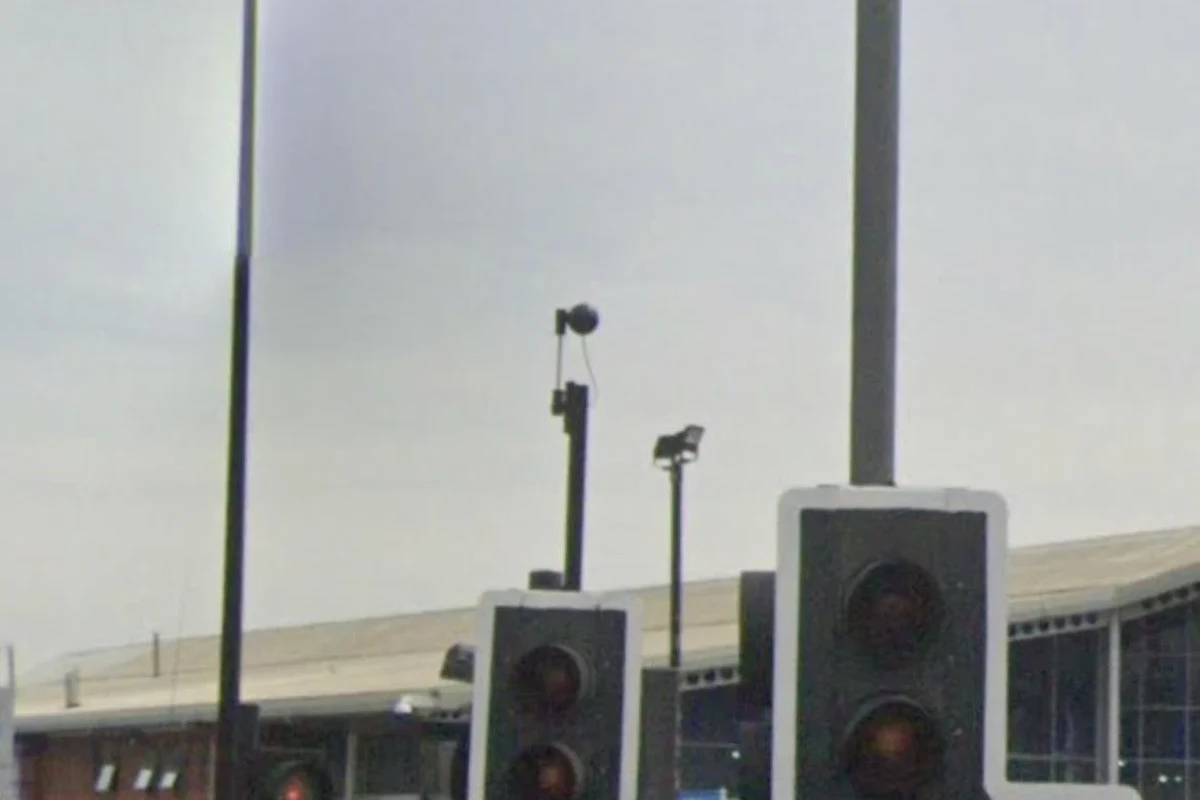
Not every traffic light includes a camera, and many do not need one to function. A signal can control traffic with timers, sensors, or networked controllers without any visible camera hardware.
What makes this confusing is that people often use “camera” as a catch-all term for anything mounted near a signal. In reality, an intersection may have a camera, a radar unit, a loop detector, or an adaptive signal sensor—and each serves a different purpose.
How Traffic Light Cameras Actually Work in 2026
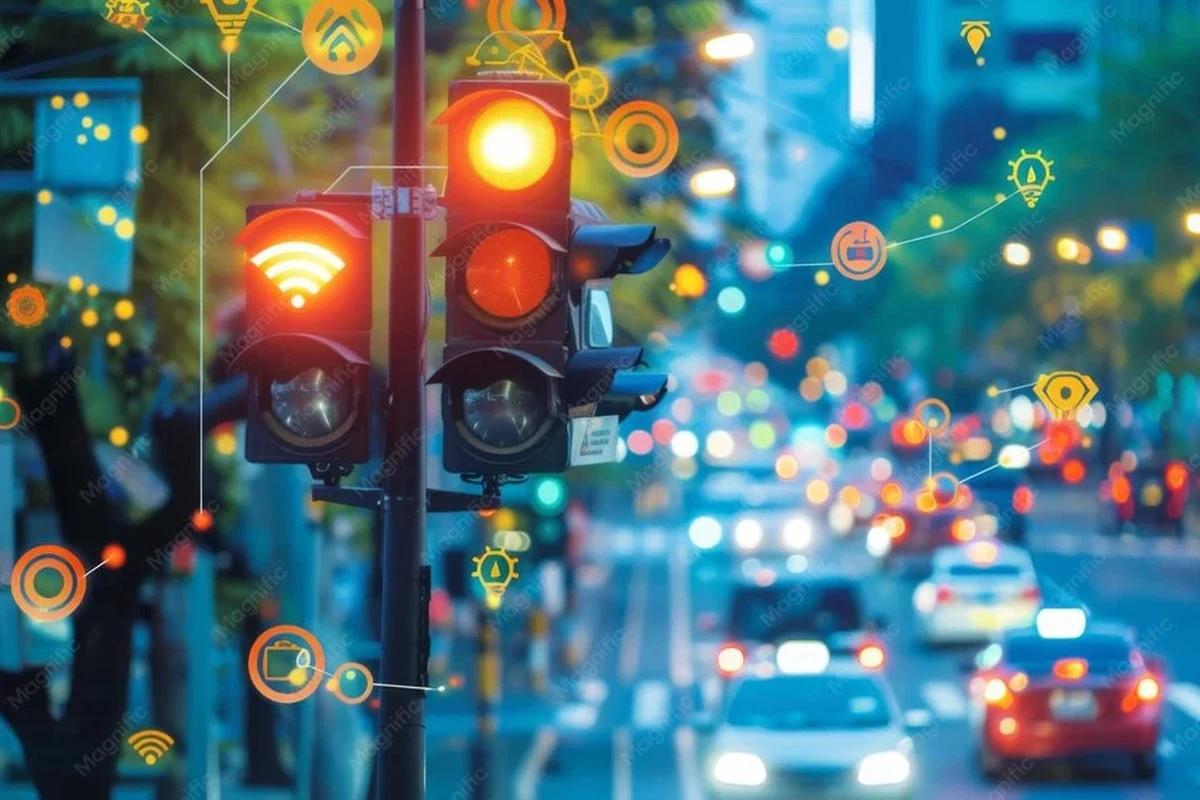
Traffic systems have become more connected, but the hardware still varies widely by city, state, and intersection design. Some cameras are used to observe traffic flow, while others are tied to red-light enforcement programs that capture violations under specific local rules.
Red-light enforcement vs. traffic monitoring systems
Red-light enforcement cameras are usually installed to document vehicles that enter an intersection after the signal turns red. These systems typically work with sensors that detect when a vehicle crosses a stop line, then trigger image or video capture.
Traffic monitoring systems are different. They may help transportation departments study congestion, queue length, turning patterns, or incident response. In many places, the footage may be live-only, temporarily stored, or not publicly accessible depending on local policy.
Sensors, radar, and video: what may be installed instead of a camera
Some intersections use induction loops embedded in the road, radar units mounted on poles, or overhead detection hardware that looks like a camera from a distance. These tools can detect vehicle presence and movement without recording identifiable video.
That distinction matters for drivers. A black box near a signal arm might be a sensor for adaptive timing, not a camera aimed at license plates. If you want to understand a specific intersection, the best source is usually the city transportation department rather than guesswork from the roadside.
Hardware names and functions vary by region. A device that looks like a camera may be a detector, while a real camera may be housed in a weatherproof enclosure that is hard to identify from the street.
Where Cameras Are Commonly Found and Where They Usually Are Not
Camera placement is usually driven by traffic volume, crash history, safety policy, and budget. That means some intersections have multiple devices while others have none at all, even within the same city.
High-traffic intersections, school zones, and toll-adjacent corridors
Cameras are more common where congestion, violations, or safety concerns are higher. Busy urban intersections, school zones, work zones, and corridors near toll facilities are more likely to have monitoring or enforcement equipment than quiet residential crossings.
That said, “more common” is not the same as “guaranteed.” A major intersection may still be camera-free if the city relies on timing plans, police enforcement, or other detection systems instead.
Why many traffic lights are camera-free by design
There are practical reasons many signals do not use cameras. Some cities avoid them because of privacy concerns, maintenance costs, network requirements, weather exposure, or limited enforcement programs.
In other cases, a camera simply is not necessary. A standard signal can run on fixed timing or sensor-based control without capturing video, storing footage, or transmitting data over a network.
Many modern signal systems can detect vehicles using radar or embedded road sensors, which means the intersection can respond to traffic without any visible camera lens.
How to Tell Whether an Intersection Has a Camera
You can often make a reasonable guess, but you usually cannot confirm camera use just by looking once from the car. The safest approach is to treat visible hardware as an indicator, not proof.
Visible housings, poles, and signal boxes to look for
Look for small enclosed units mounted above the lanes, on mast arms, or near the signal head. Real cameras are often tucked inside weather-resistant housings, sometimes with a dark window or dome-shaped front.
Also watch for separate cabinets near the base of the pole or on the sidewalk. Those boxes can contain controllers, communication gear, or power equipment, so they are not proof of a camera by themselves.
Signs that indicate enforcement, monitoring, or adaptive signal control
Posted signs are often the clearest clue. Some intersections display notices about red-light cameras, speed enforcement, or traffic monitoring, while others mention that the signal uses adaptive control or detection.
If you see multiple devices aimed at different approaches, the system may be monitoring traffic rather than enforcing violations. A city traffic department map or public camera portal is usually more reliable than visual assumptions.
- Check local transportation websites before assuming a camera is present.
- Look for posted notices near the intersection, not just hardware.
- Remember that some devices detect vehicles but do not record video.
Who Needs to Know This Most: Drivers, Parents, Delivery Workers, and Commuters
This question matters for more than just cautious drivers. It can affect route planning, stop behavior, and how people think about privacy and enforcement during everyday travel.
Practical situations where camera presence changes behavior and planning
Drivers may slow down earlier, avoid rolling turns, or pay closer attention to yellow timing if they believe enforcement is active. Parents may want to know whether a school-zone intersection is monitored, especially during pickup and drop-off windows.
Delivery workers and commuters often care about camera presence because it affects route choice and timing. If you drive the same corridor daily, knowing whether an intersection is monitored can help you plan stops more carefully and reduce surprise.
- Check the city or county transportation site for official camera or signal maps.
- Look for posted enforcement or monitoring notices at the intersection.
- Confirm whether the hardware is a camera, radar sensor, or signal detector.
- Verify local rules before making any driving decisions based on camera assumptions.
Benefits, Limits, and Common Misconceptions About Traffic Light Cameras
Traffic cameras can improve safety and visibility in some settings, but they are not a universal solution. They also do not always work the way people assume they do from the curb.
Safety benefits, privacy concerns, and evidence limitations
Supporters argue that cameras can help discourage red-light running, document dangerous behavior, and give transportation teams better data. In some places, they also help with incident review or signal timing analysis.
At the same time, privacy concerns are real, especially when people do not know what is being recorded, how long it is stored, or who can access it. The exact rules depend on local policy, vendor contracts, and public records laws, so readers should confirm details through official sources rather than online rumors.
Common mistakes drivers make when guessing camera coverage
One common mistake is assuming every box near a signal is a camera. Another is assuming a camera means a ticket will definitely be issued, when some systems are only for monitoring or may not be active.
Drivers also sometimes assume a camera is always on and always recording. In practice, status can change because of maintenance, software updates, weather damage, network issues, or policy changes.
If an intersection has damaged poles, hanging equipment, or exposed wiring, treat it as a maintenance issue and let local authorities handle it. Do not touch roadside hardware or try to inspect it up close.
What to Check Before Relying on Traffic Camera Assumptions
If you need a real answer for a specific intersection, official information is more useful than visual guesswork. The exact setup can differ block by block, and it can also change without much notice.
Local rules, posted notices, app data, and city transportation resources
Start with the local transportation department, public works office, or city traffic engineering page. Some municipalities publish camera locations, signal plans, or live traffic feeds, while others only describe the program in general terms.
Navigation apps can help, but they should not be treated as the final word. App data may be outdated, incomplete, or focused on congestion rather than enforcement, so confirm with official city resources when the answer matters.
Maintenance, outages, and why camera status can change
Even when a camera exists, it may not always be active. Weather, power interruptions, damaged housings, firmware updates, or scheduled maintenance can affect whether a system is operating normally.
That is one reason it is risky to drive based on assumptions like “that light never has a camera” or “that corner always records.” Camera presence and operational status are separate questions.
If you are checking an intersection for work, school pickup, or route planning, save the official page or map so you can revisit it later. Camera programs are often updated without broad public notice.
Final Verdict: Should You Assume Every Traffic Light Has a Camera?
No—you should not assume every traffic light has a camera. A better assumption is that some intersections have no camera at all, and others may have monitoring, detection, or enforcement hardware that serves very different purposes.
Best-practice recommendation for safer, smarter driving in 2026
The safest approach is to drive as if any intersection could be monitored, while still checking official local resources when you need certainty. That way you avoid relying on guesses, protect your privacy expectations, and make better route decisions without overreading the hardware on the pole.
If you want a simple rule: assume the signal may be monitored, but never assume every traffic light has a camera. The exact setup depends on the city, the corridor, and the purpose of the equipment.
- Many traffic lights have no camera at all.
- Some intersections use radar or sensors instead of video.
- Official city resources are the best way to confirm camera presence.
- Camera presence does not always mean enforcement is active.
Frequently Asked Questions
Yes. Signals can run on timers, radar, or embedded road sensors without recording video. A camera is optional, not required, for normal operation.
No. Some are only for traffic monitoring or signal management. Ticketing depends on local laws and the specific program in that area.
Look for official city information and posted signs first. Hardware that looks like a camera may actually be a detector or radar unit.
They are more common at busy intersections, school zones, and corridors with higher safety concerns. Still, placement varies a lot by city and region.
Yes. Maintenance, outages, firmware updates, and policy changes can affect whether a system is active. A device may be present but not currently operating.
Drive as if the intersection could be monitored, but do not rely on that assumption alone. Follow the signal and confirm details through official local transportation resources when needed.