

What Is the Best Wired Video Doorbell for Your Home
The best wired video doorbell is the one that matches your home’s wiring, chime, and Wi-Fi while giving you the app and storage setup you prefer. For most buyers, compatibility and reliable alerts matter more than the longest feature list.
If you want the most reliable option for a busy front door, the best wired video doorbell is usually the one that matches your existing wiring, supports your preferred app ecosystem, and offers the clearest alerts without forcing you into a battery routine. For most homes, that means prioritizing stable power, strong motion detection, and a subscription plan you can actually live with.
- Compatibility first: Check transformer voltage, chime support, and wiring before comparing extras.
- Best fit varies: Homeowners, smart home users, and privacy-focused buyers often want different models.
- Storage matters: Cloud, local, and hybrid options can change long-term value more than resolution.
- Installation can be tricky: If wiring looks uncertain, use a licensed electrician.
What Is the Best Wired Video Doorbell for Your Home? A Quick Answer
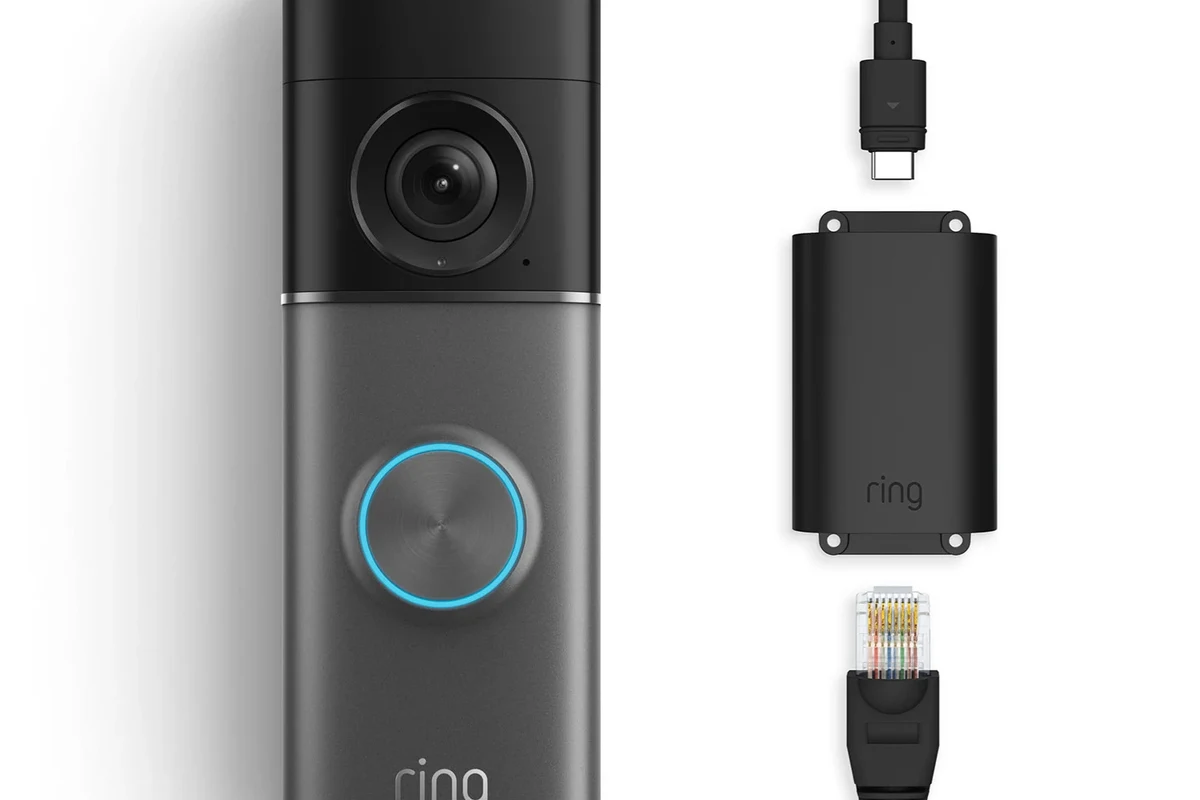
The best wired video doorbell for your home is the model that fits your transformer, chime, Wi-Fi, and privacy preferences while giving you dependable alerts and good night visibility. If you want the simplest buying rule, choose a wired model with verified compatibility, clear app support, and the storage setup you prefer.
In practice, the “best” choice depends on whether you value premium smart-home integration, local storage, lower upfront cost, or a more polished app experience. Wired models are strongest when your home already has the right infrastructure and you want fewer battery-related compromises.
How Wired Video Doorbells Work and Why They’re Still a Top Choice in 2026
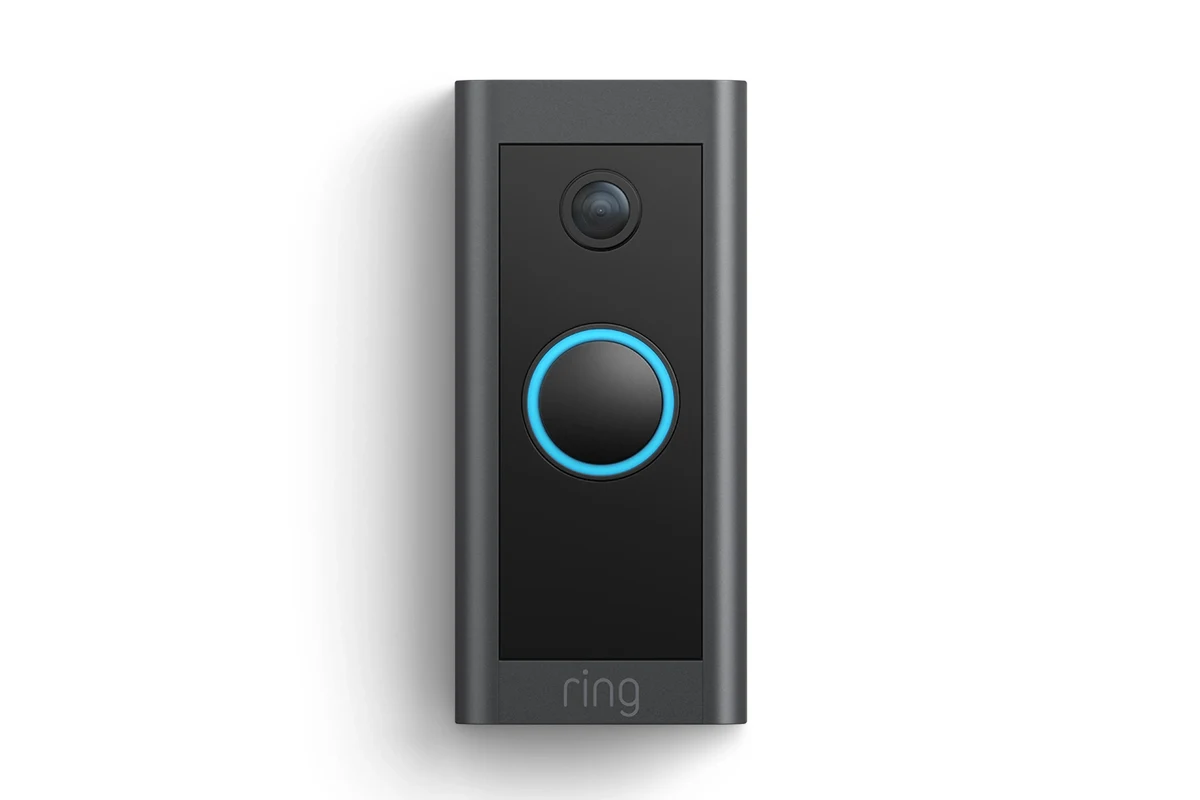
Wired video doorbells draw power from your existing doorbell circuit, which helps them stay online without regular charging. That steady power can support faster wake times, more consistent alerts, and features that would be harder to run on a battery alone.
Power, continuous recording, and why wiring matters
Because they are connected to household wiring, wired doorbells are often better suited for features that benefit from constant power, such as quicker motion response or more frequent event handling. Some models also support continuous or near-continuous recording, but that usually depends on the brand, the plan, the local storage method, and the specific camera hardware.
Not every wired video doorbell offers the same recording mode. Always confirm whether the model supports event-only recording, cloud storage, local storage, or a subscription-based continuous option before buying.
How they connect to your home network and chime system
Most wired video doorbells connect to your home Wi-Fi and send alerts through a mobile app. Many also integrate with your existing indoor chime, but compatibility can vary based on voltage, transformer output, chime type, and the manufacturer’s installation requirements.
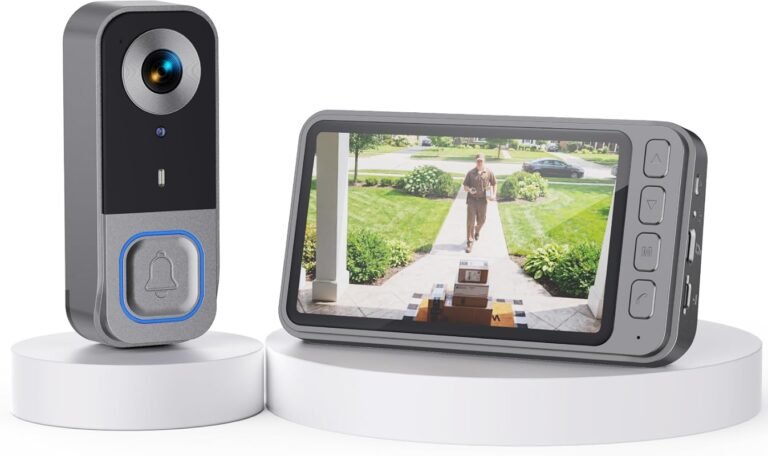
If you already use a smart home platform, this is where wired models can shine. Some work especially well with voice assistants, smart displays, and automation platforms, which can make it easier to see who is at the door from inside the house or while you are away. If you are comparing broader home tech too, our guide to smart lights is a useful example of how ecosystem support can influence long-term value.
Who a Wired Video Doorbell Fits Best
Wired video doorbells are a strong match for people who want a stable, always-powered front-door camera and do not want to think about charging schedules. They also make sense for homeowners who plan to stay in the property for a while and want a more permanent setup.
Best for homeowners, long-term renters, and smart home users
Homeowners usually get the most value because they can verify wiring, replace a transformer if needed, and choose a model that fits the house long term. Long-term renters may also benefit if the landlord allows a swap and the unit can be removed cleanly later.
Smart home users are another strong fit because wired models often pair well with other connected devices. If your household already relies on connected gear, the doorbell becomes part of a larger ecosystem rather than a standalone camera.
When wireless may be the better fit instead
Wireless models can be better if you do not have compatible wiring, if your building rules limit electrical changes, or if you want a simpler temporary install. They also make sense if you move often, because you may not want to deal with transformer checks, chime compatibility, or hardwired mounting.
- Stable power with no charging routine
- Usually faster to wake and alert
- Better fit for permanent installations
- Requires compatible wiring and transformer support
- Installation can be more involved
- Some useful features still depend on subscriptions
Key Specs That Decide Which Wired Video Doorbell Is Best
The best wired video doorbell is rarely the one with the longest spec sheet. It is the one whose core specs line up with your home layout, your router, and your privacy expectations.
Video quality, field of view, and night vision
Video resolution matters, but so does the field of view. A wider view can help you see packages and visitors, while stronger night vision helps if your porch lighting is weak or uneven.
Look at the overall image quality, not just the resolution number. Lens design, aspect ratio, motion processing, and low-light performance can change how useful the footage feels in real life.
Power requirements, transformer compatibility, and rated voltage
This is one of the most important checks for wired models. Doorbells vary in their voltage and transformer requirements, so you should confirm your existing setup against the manufacturer’s compatibility list before ordering.
- Check your existing transformer rating and indoor chime compatibility
- Confirm the manufacturer’s recommended voltage range for your exact model
- Verify whether a chime connector, power kit, or adapter is required
- Review app, Wi-Fi, and mounting requirements before installation
App support, smart alerts, and storage options
App quality can matter as much as camera quality. A good app should make it easy to get motion alerts, review clips, adjust zones, and manage privacy settings without confusion.
Storage also deserves attention. Some brands rely heavily on cloud subscriptions, while others offer local storage or a mix of both. If privacy and recurring costs matter to you, compare those options closely before buying. For readers who care about storage trade-offs in other device categories too, our guide on fast charging power banks shows how feature sets can differ more than the marketing suggests.
Weather resistance, dimensions, and build quality
A wired video doorbell sits outside all year, so its weather resistance and build quality are not small details. Check the product’s environmental rating, mounting depth, and overall dimensions to make sure it fits your entryway and can handle your climate.
Build quality also affects how well the unit resists sun exposure, rain, and temperature swings. If your porch gets direct afternoon heat or heavy weather, that can matter more than a minor spec difference in resolution.
Top Wired Video Doorbell Picks to Consider in 2026
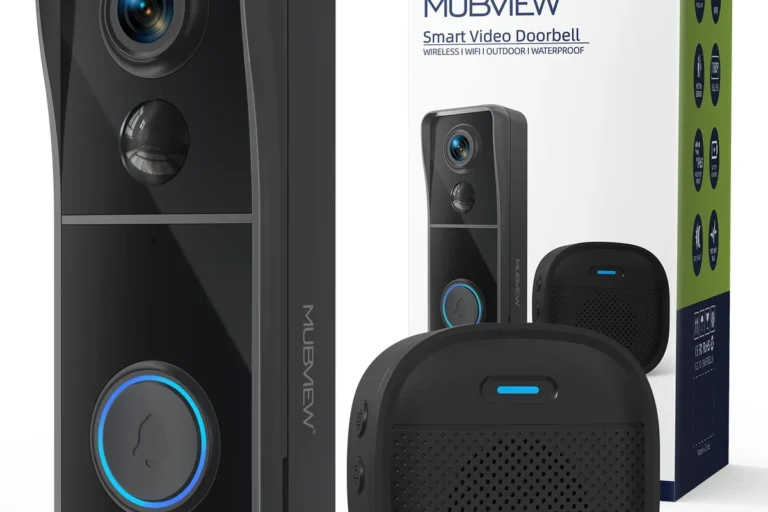
Because current pricing, firmware behavior, and package contents can change, the smartest way to shop is by buyer profile rather than by chasing a single “winner.” The picks below are category-based recommendations, not lab-ranked claims.
Best overall value for most homes
A balanced wired doorbell with dependable basics, broad compatibility, and a feature set that feels practical instead of overcomplicated. This is the safest choice for most households, especially if you want solid alerts and a straightforward app without paying for features you may not use.
Choose this type if you want a reliable everyday setup and do not need the most advanced smart-home extras. The main limitation is that some value-focused models may lean more heavily on cloud subscriptions for full functionality.
Best for premium features and smart home integration
This category fits buyers who want the most polished app experience, stronger ecosystem support, and deeper automation options. It is especially appealing if you already use a smart display, voice assistant, or connected-home platform and want the doorbell to feel integrated rather than separate.
The trade-off is that premium models often cost more and may depend more on subscriptions or brand-specific ecosystems. If you like comparing premium home gadgets, you may also find our article on which gaming console is best in 2026 helpful for understanding how ecosystem commitment changes the buying decision.
Best budget-friendly wired option
A budget-friendly wired doorbell is a good fit if you mainly want reliable motion alerts, live view, and a basic visitor camera without extra frills. These models can be a smart buy for side doors, secondary entrances, or homes where you want coverage without a large upfront spend.
Just be careful not to assume “budget” means low maintenance. Cheaper models may still require a subscription for important features, and app polish can vary a lot.
Best for local storage and privacy-focused buyers
If you prefer to keep footage off the cloud when possible, look for a wired model that supports local storage or a clearly documented hybrid setup. This can be a better fit for buyers who want tighter control over clips and fewer recurring fees.
Before choosing a privacy-focused model, confirm where clips are stored, how long they remain available, and whether the app still requires an account to access basic features.
Real-World Benefits and Trade-Offs of Wired Models
Wired video doorbells are popular for good reason, but they are not automatically better for everyone. The right choice depends on what you want to avoid as much as what you want to gain.
Always-on power, fewer battery worries, and faster alerts
The biggest advantage is steady power. That means you do not have to remove the device to recharge it, and you are less likely to miss a period of downtime because the battery ran low.
In many homes, wired power also helps the doorbell respond more quickly to motion or ring events. That can make a noticeable difference when you care about seeing packages, guests, or porch activity in near real time.
Common drawbacks: installation limits, subscription fees, and wiring constraints
The downside is that wired models depend on existing infrastructure. If your transformer is outdated, your chime is incompatible, or your wiring is not where you need it, installation can become more complicated.
Another common issue is recurring cost. Some brands lock important features behind subscriptions, and that can change the long-term value of an otherwise good-looking doorbell.
Evidence limits to keep in mind when comparing brands
Marketing claims can make one wired doorbell sound far better than another, but real-world performance depends on many variables: Wi-Fi strength, porch layout, light levels, firmware version, and the app on your phone. That is why it is smart to compare official specs, compatibility lists, and current app-store reviews rather than relying on a single headline feature.
When you are comparing models, check the manufacturer’s manual, supported voltage range, recording terms, and warranty page. If a product’s documentation is vague, treat that as a signal to investigate further before buying.
Installation, Setup, and Safe Use
Most wired doorbells are manageable for a confident DIYer, but only if the existing wiring and transformer are suitable. If anything looks uncertain, it is better to pause and verify than to force the install.
Checking your existing wiring, transformer, and chime compatibility
Start by identifying your current doorbell system and reading the new model’s compatibility notes carefully. The doorbell may require a specific voltage range, a chime adapter, or a power module to work correctly.
If the manufacturer provides a compatibility checker, use it before you order. That small step can prevent a frustrating return or a partially working setup.
App setup requirements, Wi-Fi strength, and placement tips
Most wired video doorbells need a stable 2.4 GHz Wi-Fi connection, though some also support 5 GHz or dual-band operation depending on the model. Placement should give a clear view of visitors while avoiding reflections, direct glare, and blind spots caused by railings or screen doors.
During setup, follow the app prompts carefully and update firmware only through the official app or manufacturer instructions. If you are also comparing setup-heavy home devices, our guide to which wall charger is best is another example of why compatibility checks matter before purchase.
Safe installation practices and when to call an electrician
Turn off power at the breaker before touching doorbell wiring, and stop if you see damaged insulation, heat damage, corrosion, or loose conductors. If the transformer, wiring, or junction area looks uncertain, hire a licensed electrician.
Call an electrician if your home has unusual wiring, no existing chime, or a transformer that does not match the doorbell’s requirements. That is especially important if the installation involves more than a simple swap.
Maintenance, Troubleshooting, and Long-Term Value
A good wired doorbell should be low-maintenance, but not maintenance-free. A little routine care can help it stay responsive and extend its useful life.
Cleaning the lens, checking cables, and inspecting for heat or wear
Wipe the lens gently with a soft, clean cloth and avoid harsh cleaners that could damage coatings or seals. Periodically inspect the mounting area and any visible cabling for looseness, wear, or moisture intrusion.
Stop using damaged electronics, frayed cables, overheated adapters, or units that show signs of moisture inside the housing, and follow the manufacturer’s guidance before powering them again.
Fixing common issues like weak Wi-Fi, power loss, or delayed notifications
If notifications are delayed, check Wi-Fi signal strength near the door, review app permissions, and confirm that motion settings are not too restrictive. If the doorbell loses power, revisit the transformer requirements and make sure the connection is secure.
For weak motion detection, the problem may be placement rather than the camera itself. Adjusting the angle, motion zones, or porch lighting often helps more than changing the device.
Warranty details to verify before buying and final recommendation
Before you choose a model, verify the warranty length, what it covers, and whether you need to register the product. Also check return rules, software support notes, and whether the manufacturer publishes current recall or safety notices.
Final recommendation: for most homes, the best wired video doorbell is the one that matches your electrical setup first and your preferred app ecosystem second. If you want the most dependable long-term choice, prioritize verified compatibility, sensible storage terms, and a model from a brand that clearly documents updates and support.
If you are still narrowing the field, focus on one question: do you want the most polished smart-home experience, or the most practical everyday front-door security? Answering that honestly will usually point you to the right wired doorbell faster than comparing spec sheets alone.
Frequently Asked Questions
Wired video doorbells are best for homeowners, long-term renters, and smart home users who want stable power and fewer charging worries. They are a strong fit when your existing wiring and transformer are compatible.
Check your transformer voltage, chime compatibility, Wi-Fi strength, and whether the model needs a power module or adapter. Also confirm the app, storage plan, and warranty details before you order.
Some do, especially for cloud storage, smart alerts, and advanced event history. Others offer local storage or limited free features, so compare the plan terms before buying.
Video quality matters, but field of view and night vision are just as important for real-world usefulness. A well-designed camera with a wide, clear image is often better than one that only advertises a high resolution.
Many people can handle a basic swap if the wiring is compatible and the instructions are clear. If the transformer, wiring, or chime setup looks uncertain, call a licensed electrician.
Clean the lens gently, check the mounting area and cables for wear, and keep the app updated through the official manufacturer app. If you notice heat, corrosion, or damage, stop using the unit until it is inspected.


One Comment