Driver Facing Camera Lawsuit Illinois What Drivers Need
Driver-facing camera lawsuits in Illinois usually revolve around notice, consent, retention, and access to footage. Drivers should verify the policy, the app settings, and whether a road-facing-only option would better fit their privacy needs.
If you’re searching for “driver facing camera lawsuit Illinois,” the short answer is that the issue usually centers on privacy, notice, consent, and how footage is stored or shared—not just the camera itself. For Illinois drivers, the safest path is to understand what the device records, what policies apply to your work or vehicle, and what to verify before you agree to use one.
- Privacy first: Check whether the system records audio, uploads to the cloud, or shares clips with.
- Policy matters: Written notice and retention rules are often as important as the camera hardware itself.
- Best fit: Fleets and safety-focused employers usually get the most value from driver-facing cameras.
- Buyer check: Verify app requirements, power method, low-light performance, and storage controls before approval.
Driver Facing Camera Lawsuit Illinois: What Drivers Need to Know First
Quick answer: what the lawsuit means for Illinois drivers and why it matters in 2026
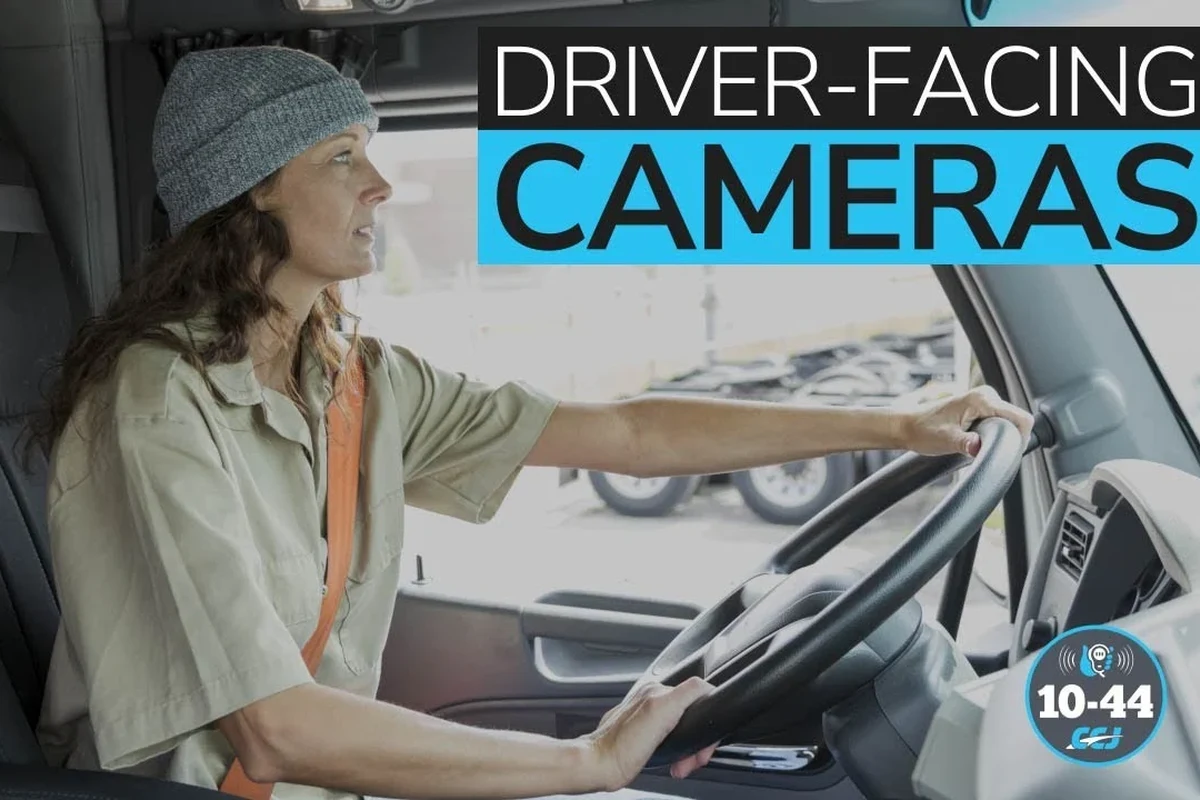
A driver-facing camera lawsuit in Illinois typically raises questions about whether people were properly informed, whether consent was required, and whether video or audio was handled in a way that fits state privacy rules and workplace policies. It matters because these systems can affect rideshare drivers, delivery workers, fleet operators, and employers who rely on in-cab monitoring for safety, coaching, and liability protection.
For everyday drivers, the practical takeaway is simple: don’t focus only on whether a camera exists. Focus on who can access the footage, how long it is kept, whether audio is recorded, and whether the policy you agreed to matches the way the system actually works.
Who this guide is for: rideshare drivers, fleet drivers, commuters, and employers
This guide is for people who drive for work or share vehicles with others, including rideshare drivers, courier and delivery drivers, fleet managers, and employers writing vehicle policies. It also helps commuters and parents who may encounter driver-facing cameras in rentals, company cars, or shared family vehicles.
If you’re only comparing camera systems, the legal side still matters because privacy, retention, and notification settings can change the value of the hardware. A camera that is technically impressive may still be a poor fit if it creates trust problems or conflicts with a driver agreement.
How Driver-Facing Cameras Work in Illinois Vehicles
What a driver-facing camera records, stores, and transmits
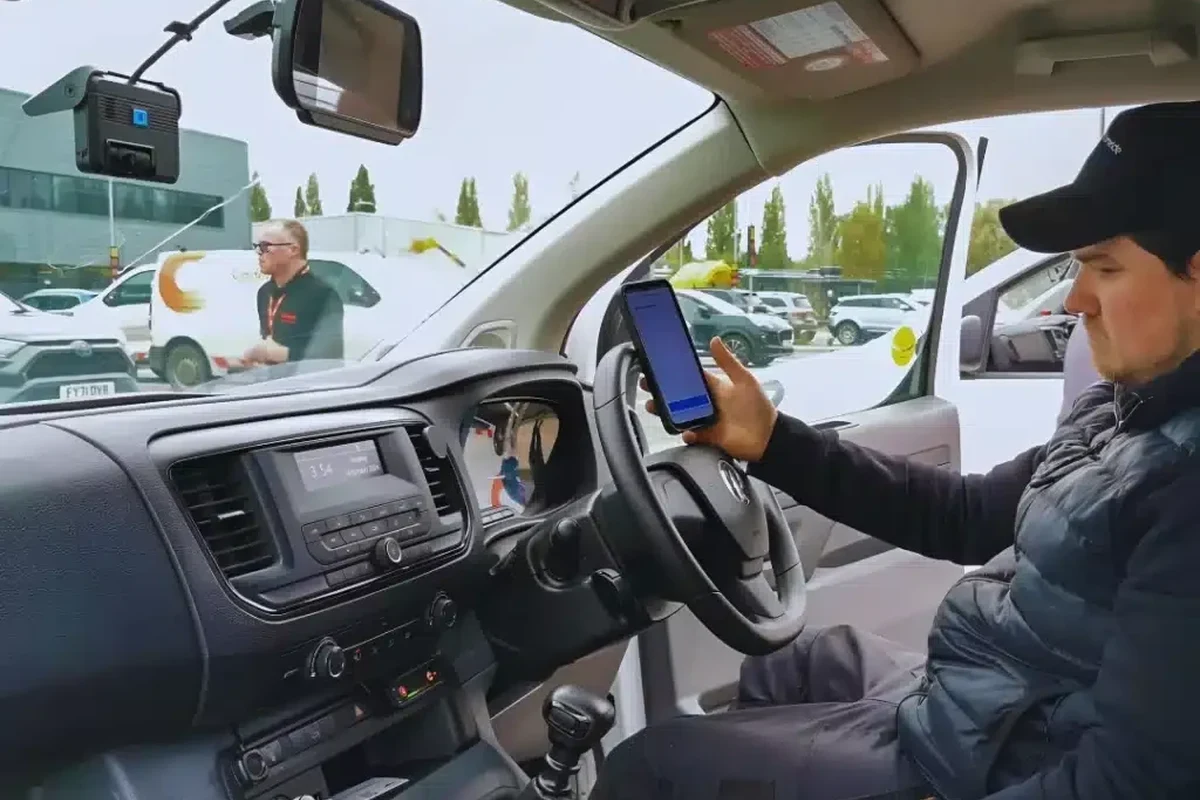
A driver-facing camera is aimed at the cabin, so it can record the driver’s face, hands, posture, and sometimes passengers depending on placement and field of view. Some systems also record audio, motion events, harsh braking, or other telematics data, but those features vary by model and settings.
Storage can happen locally on a memory card, remotely in the cloud, or both. In many systems, the footage is not constantly reviewed; instead, it may be uploaded when triggered by an event or when the vehicle reconnects to the network.
Exact recording behavior depends on the camera model, the app version, and the fleet platform. Always check the current manual and privacy settings before assuming audio, cloud upload, or event detection is disabled.
How these systems connect to apps, cloud dashboards, and fleet platforms
Many driver-facing cameras pair with a mobile app or a fleet dashboard so managers can review clips, flag safety events, or adjust retention settings. Some systems use LTE for live uploads, while others depend on Wi-Fi syncing after the vehicle returns to base.
That connection matters legally and practically because footage shared through a dashboard can be easier to copy, export, or retain longer than drivers expect. If a system includes account access for multiple users, the permissions structure should be reviewed carefully.
Typical specs to verify: resolution, field of view, night vision, storage, and connectivity
Before buying or approving a camera, verify the resolution, cabin coverage, low-light performance, local storage capacity, upload behavior, and whether the unit supports app-based controls. Night vision is especially important for early-morning, late-night, and rideshare driving, but its quality varies widely by model.
Why Driver Facing Camera Lawsuits Happen
Common legal triggers: consent, notice, data retention, and privacy concerns
These lawsuits often start when a driver believes the camera was installed or used without clear notice, or when footage was kept longer than expected. Other triggers include unclear consent language, recording audio without proper disclosure, or sharing clips beyond the original purpose.
Privacy concerns can also arise when cameras are placed in a way that captures more of the cabin than necessary. Even if the goal is safety, the use still has to be consistent with policy, notice, and the actual data practices of the system.
How Illinois privacy rules and workplace policies can affect camera use
Illinois drivers should pay close attention to both state privacy rules and employer policies. In practice, that means looking at whether the vehicle is privately owned or company-controlled, whether the driver is an employee or contractor, and whether the organization has a written policy covering video, audio, and data access.
Ask for the camera policy in writing before signing up for a job or agreeing to use a shared vehicle. The most useful version is the one that explains who can view footage, how long it is kept, and how drivers can raise a complaint or request clarification.
Evidence limitations: what an article can confirm versus what a court decides
An informational article can explain common legal issues, but it cannot determine whether any specific lawsuit is valid or how a judge will rule. Court outcomes depend on the exact facts, the contract language, the notice provided, the data settings, and the evidence in the record.
That’s why it’s better to treat general guidance as a starting point, not a final answer. If you’re already involved in a dispute, you should review the official paperwork and seek qualified legal advice rather than relying on summaries alone.
Who Driver-Facing Cameras Fit Best and Who Should Be Cautious
Best fit: commercial fleets, delivery drivers, insurance-focused operators, and safety-first employers
Driver-facing cameras often make the most sense for commercial fleets that want event evidence, coaching tools, and a record of what happened before or after a crash. They can also be useful for delivery operations and insurance-focused businesses that need a clearer picture of driver behavior during incidents.
Fleet operators and safety-first employers who can document notice, limit access, and manage retention responsibly.
When drivers may want extra caution: shared vehicles, union settings, and privacy-sensitive roles
Drivers may want extra caution when the vehicle is shared, when the workplace is unionized, or when the role involves confidential conversations or sensitive routes. In those settings, the camera may create more friction than value if the policy is vague or if the cabin view feels overly intrusive.
Privacy-sensitive roles may also need a narrower setup, such as a road-facing camera only, or a system with stricter retention controls. The right choice is often the one that solves the safety problem without collecting more than necessary.
Practical trade-offs: safety monitoring versus driver comfort and trust
Driver-facing cameras can improve accountability, but they can also reduce comfort if drivers feel watched instead of supported. That trade-off matters because trust affects adoption, and a poorly explained system may lead to complaints even if the hardware is good.
- Can provide strong evidence after collisions or disputes
- May support coaching and safer driving habits
- Can deter theft or false claims in some fleets
- May feel intrusive in private or shared vehicles
- Requires careful notice, access control, and retention settings
- Not all systems balance safety and privacy equally well
Key Buying Criteria for a Compliant and Useful Camera System
Image quality, cabin coverage, and low-light performance
For a useful system, image quality should be good enough to identify the driver’s posture and key cabin events without becoming overly wide or distorted. The ideal field of view depends on the vehicle, but it should be verified in the manufacturer’s coverage diagrams rather than guessed from marketing photos.
Low-light performance matters as much as resolution. A camera that looks sharp in daylight may be far less useful at night if it lacks infrared support or if the cabin layout creates glare and shadows.
Storage options, upload behavior, and data retention controls
Storage and retention are among the most important buying criteria for Illinois drivers. Look for clear controls over how long footage stays on the device, when it uploads, and whether old clips are overwritten automatically or kept in the cloud.
App requirements, account setup, and connectivity: LTE, Wi-Fi, Bluetooth, or hardwired
Some cameras require a phone app for setup, clip review, firmware updates, or account management. Others are designed for fleet dashboards and may not be very useful without a subscription or admin portal.
Connectivity also affects privacy and convenience. LTE-enabled systems can upload clips more quickly, while Wi-Fi-based units may be simpler and less expensive to run, depending on the vehicle and use case.
Power and installation details: voltage, cable quality, heat tolerance, and safe mounting
Check the power method before buying. A hardwired unit, a 12V plug-in model, and a battery-backed system all have different installation needs, and cable routing should never interfere with airbags, pedals, steering, or visibility.
Do not mount a camera where it blocks the windshield, distracts the driver, or interferes with safety systems. If a cable is damaged, frayed, or getting unusually hot, stop using the setup and follow the manufacturer’s instructions.
Benefits, Limitations, and Common Mistakes to Avoid
Real-world benefits: accident evidence, coaching, theft deterrence, and liability support
When used well, driver-facing cameras can help document what happened in a crash, support driver coaching, and reduce arguments over fault or behavior. They may also deter some forms of theft or false reporting because the cabin is visibly monitored.
For employers, the biggest benefit is often consistency. A system can create a repeatable record of events, but only if the camera is configured correctly and the footage is reviewed with a clear policy.
Common mistakes: poor placement, weak notice, ignoring retention settings, and overreliance on footage
One common mistake is placing the camera so it captures too much—or too little—of the cabin. Another is failing to give clear notice, which can create confusion even if the hardware is functioning normally.
Retention settings are often overlooked, especially when the default is longer than the organization intended. It’s also a mistake to assume footage tells the whole story; camera angles, lighting, and missing context can all affect interpretation.
Stop using damaged electronics, unstable mounts, overheating chargers, or frayed cables and follow the manufacturer’s guidance. If a driver-facing camera is loose, blocked, or unreliable, it should be repaired or replaced before daily use.
Limits of safe use: what cameras cannot solve and where legal advice is still needed
Cameras do not replace good training, clear policies, or careful driving. They also cannot settle every privacy question, especially when consent, audio recording, or employer monitoring rules are involved.
If the issue has already escalated into a complaint or lawsuit, general guidance is not enough. That’s the point to review the contract, the camera settings, the notice language, and any official notices from the employer or platform.
Setup, Maintenance, and Safe Use Checklist
Installation basics: positioning, power routing, and testing before daily use
Before regular use, confirm that the camera is centered, secure, and aimed at the intended area. Route power cables cleanly so they do not hang in the driver’s path or create a snag hazard.
- Check compatibility, model number, app requirements, dimensions, ports, wattage, and intended use
- Confirm safety guidance, warranty, return policy, privacy settings, and update support
Routine maintenance: lens cleaning, firmware updates, storage checks, and cable inspection
Driver-facing cameras work best when they are maintained like any other safety device. Keep the lens clean, check that storage is not full, review firmware updates from the manufacturer, and inspect cables and mounts for wear.
Schedule a quick monthly check of the camera app, storage status, and retention settings. Small issues like a misaligned lens or a disconnected cable are easier to fix before they affect a real incident.
Replacement guidance: when to replace damaged mounts, worn cables, or aging hardware
Replace any mount that no longer holds position, any cable with visible wear, and any hardware that repeatedly loses power or fails to sync clips. Aging units may still turn on but produce unreliable footage, which is a problem when the camera is supposed to support safety or liability decisions.
If the manufacturer has issued a recall, safety notice, or software fix, follow the official guidance before continuing use. That is especially important for fleet systems that depend on cloud access and firmware updates.
Value, Alternatives, and Final Recommendation for Illinois Drivers
How to judge value: upfront cost, subscription fees, warranty details, and compliance support
Value is not just the purchase price. It also includes subscription fees, cloud storage terms, warranty coverage, and whether the vendor offers policy tools or admin controls that help with compliance and recordkeeping.
For businesses, the best value often comes from a system that reduces administrative headaches as much as it improves safety. For individual drivers, value may be lower if the camera adds cost and complexity without a clear reason to collect cabin footage.
Alternatives to consider: dash cams without driver-facing lenses, privacy-first systems, and fleet policy changes
If privacy is the main concern, consider a dash cam that faces the road only. Privacy-first systems may also limit audio capture, shorten retention, or give drivers more control over uploads and account access.
In some cases, a better answer is a policy change rather than a new device. Clear training, incident reporting rules, and limited-access video can solve part of the problem without adding a cabin lens.
Transparent verdict: when a driver-facing camera is worth it and when to look elsewhere
A driver-facing camera is worth considering when the vehicle is used for commercial work, the safety goal is clear, and the organization can explain notice, consent, access, and retention in plain language. It is less attractive when the vehicle is shared, the role is privacy-sensitive, or the policy cannot be documented well.
For Illinois drivers, the smartest choice is usually the one that balances evidence value with privacy discipline. If you can’t verify the settings, the policy, and the data handling, look at a road-facing or privacy-first alternative instead.
Frequently Asked Questions
These cases often focus on notice, consent, audio recording, data retention, and who can access the footage. The exact issue depends on the policy, the camera settings, and the facts of the dispute.
Rideshare drivers, delivery drivers, fleet employees, and people in shared vehicles should review the policy closely. Privacy-sensitive roles and union settings may need extra caution.
No, audio recording varies by model and by settings. Drivers should check the manual and privacy controls before assuming audio is off.
Look at cabin coverage, low-light performance, storage behavior, upload settings, and connectivity. These features affect both usefulness and privacy.
Confirm the app requirements, power method, warranty, retention controls, and whether the camera fits your vehicle and use case. Also check the current manual and policy terms.
Yes, if privacy is a priority or if you only need crash evidence from the road view. They can be a better fit when cabin monitoring is unnecessary.