Frio River Cameras Live Views for Scenic River Updates
Frio River cameras are useful for a fast visual check of scenery, crowding, and general river conditions before you go. Use them with weather reports, river gauges, and official notices because a camera alone cannot confirm safety.
Frio River cameras are useful when you want a quick live look at river conditions before you drive, float, fish, or book a stay nearby. They can help you check scenery, crowd levels, water appearance, and whether a spot looks worth the trip, but they should be treated as one part of your planning—not the only source.
- Best use: Quick scenic and crowd checks before a river trip.
- Trust signal: Timestamps, source labels, and visible refresh behavior matter most.
- Safety limit: A camera cannot replace gauges, forecasts, or official advisories.
- Smart habit: Compare at least two sources before deciding on float or flood-related plans.
Frio River Cameras Live Views: What They Show and Why They Matter
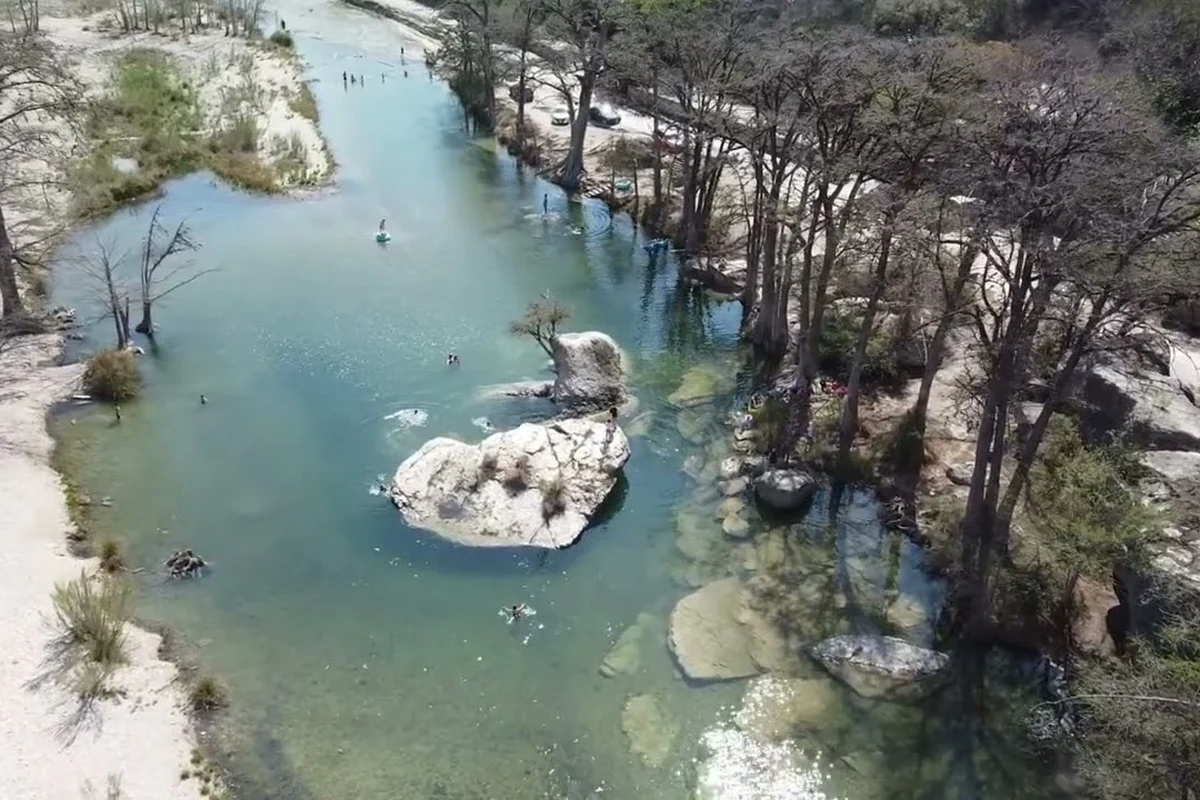
Live river views are popular because they turn a vague plan into something more concrete. Instead of guessing whether the river is calm, busy, muddy, or low, you can often see a current snapshot from a bridge, resort, outfitter, or local monitoring point.
Quick answer: how live Frio River camera views help with scenic checks, water conditions, and trip timing
In practical terms, Frio River camera feeds help you decide whether the view matches your expectations, whether the river looks crowded, and whether the timing of your visit makes sense. They are especially helpful for short-notice decisions, but they do not replace official water data, weather alerts, or local guidance.
What “Frio River cameras” usually means in 2026: public webcams, resort feeds, and local river monitoring views
Most people searching for Frio River cameras are looking for public webcams or live feeds hosted by resorts, river outfitters, property owners, or community groups. Some feeds focus on scenery, while others are set up for general monitoring and may show a bridge, bank, crossing, or popular access area.
The exact camera source matters. A resort webcam may be aimed at guest-facing scenery, while a local monitoring view may prioritize conditions at a specific crossing or bank section.
How Frio River Live Cameras Work Behind the Scenes
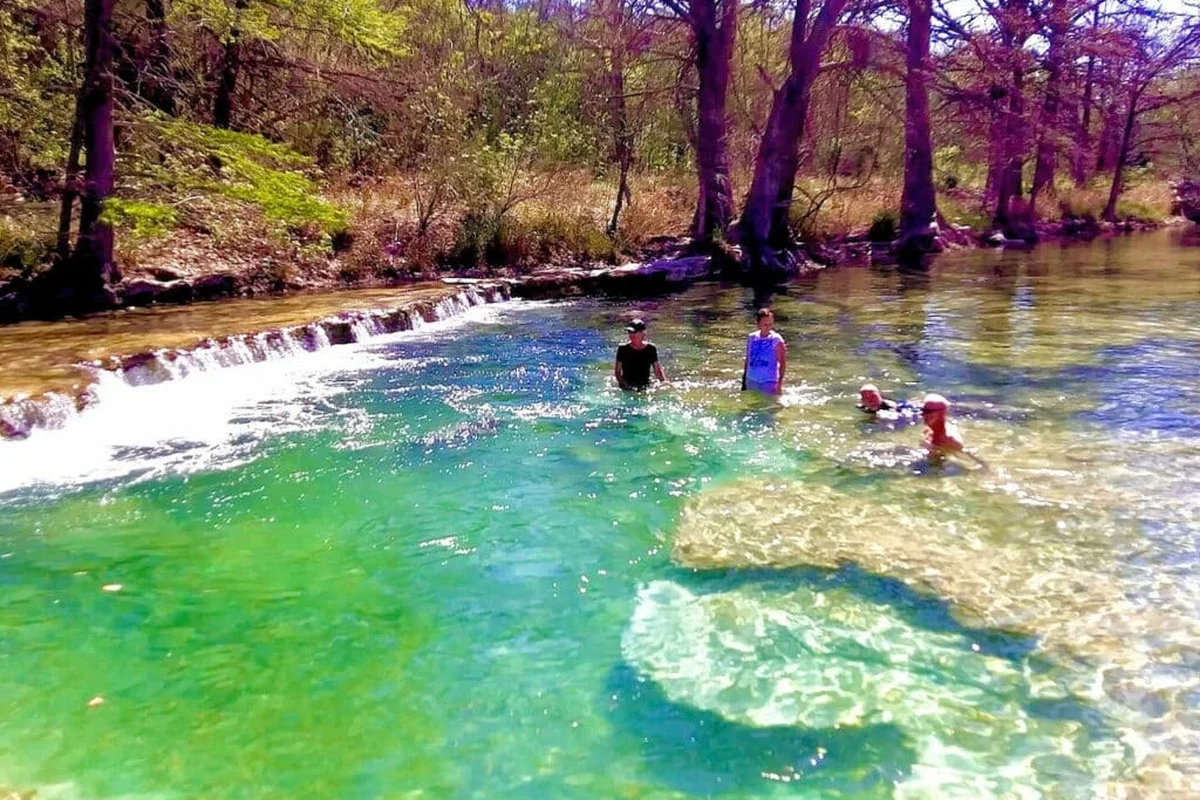
Most river cameras are simple in concept but vary a lot in quality and reliability. The camera captures a fixed view, sends the image or video stream over a network connection, and then displays it in a browser, app, or embedded player.
Camera placement along the river and what each angle can reveal
Placement determines what you can actually learn from a feed. A high angle from a bridge can reveal current, bank width, and general water level, while a lower shoreline angle may show clarity, debris, or how close the water is to access points.
When comparing feeds, look for landmarks such as bridges, docks, trees, signs, or cabins so you can tell whether the camera is showing the exact stretch you care about or a nearby section.
Streaming setup: connectivity, refresh rates, and typical app or browser access requirements
Some feeds are truly live video streams, while others refresh still images every few seconds or minutes. Access may be through a website, a resort app, or an embedded player, and performance often depends on the camera’s internet connection, local power, and the device you are using.
What to verify before trusting a feed: timestamp, uptime, weather overlays, and source credibility
A trustworthy camera page should make it easy to tell when the image was last updated and who operates it. Timestamps, uptime indicators, weather overlays, and clear source labels all help, but the most important question is whether the operator has a reason to keep the feed current and accurate.
If a feed has no visible timestamp, looks frozen, or keeps showing the same scene for long periods, treat it as a possibly stale image and confirm conditions elsewhere before making plans.
Who Frio River Cameras Are Best For
These feeds are most useful for people who want fast, visual context before leaving home or making a reservation. They are not specialized tools, but they can save time and reduce uncertainty for common river trips.
Weekend visitors, float trip planners, anglers, photographers, and local property owners
Weekend visitors may use live views to judge whether a trip is worth the drive. Float trip planners can check crowding and water appearance, anglers may look for general flow and access conditions, photographers may want lighting and scenery cues, and property owners may use the feed as a simple local awareness tool.
Frio River cameras are best for casual planners who want a quick visual check before heading out, especially when they need a simple yes-or-no impression rather than a technical water report.
When live views are most useful: flood awareness, crowd checks, water clarity, and seasonal planning
Live views are most valuable when conditions can change enough to affect a trip, such as after rain, during busy weekends, or in seasons when the river level and appearance vary widely. They are also helpful for planning photography, lodging, and arrival timing because you can see how much activity is already on the water.
Who should not rely on them alone: safety-critical decisions and rapidly changing conditions
Do not use a camera feed as your only source for flood safety, evacuation decisions, or fast-changing weather situations. A single view cannot tell you what is happening upstream, downstream, or around bends you cannot see.
Key Decision Criteria for Choosing a Reliable Frio River Camera Source
If you are comparing different feeds, focus on the details that affect usefulness rather than just whether the page loads. A pretty image is nice, but reliability and context matter more.
Image quality, field of view, daylight performance, and night visibility
Clear image quality helps you see whether the water is moving, how full the river looks, and whether people are present. A wide field of view is useful for context, while night visibility matters if you check conditions early or late in the day; however, many cameras perform much better in daylight than after dark.
Update frequency, lag time, and whether the feed is truly live or delayed
Some feeds update every few seconds, while others can lag by a minute or more. That delay may be fine for scenic checking, but it becomes less useful if you are trying to judge fast-changing weather or crowd movement.
Many “live” webcams are actually refreshed still images, not continuous video, so a visible timestamp is one of the best clues that the feed is current.
Device compatibility, mobile loading speed, and data usage considerations
If you plan to check a feed on your phone while traveling, make sure it loads cleanly on mobile data and does not require an outdated plugin or a heavy app download. High-resolution streams can use more data than still-image pages, so a lighter feed may be better for quick checks.
Source transparency: who operates the camera, maintenance frequency, and outage history
Reliable feeds usually come from operators who clearly identify the camera location and keep the page updated. If a source rarely mentions maintenance or routinely goes offline, it may still be useful, but it is less dependable for planning around time-sensitive travel.
- Check the exact camera location and whether it matches the river section you care about
- Confirm the feed type, update speed, and whether timestamps are visible
- Verify mobile compatibility, loading speed, and any app or browser requirements
- Review source transparency, maintenance habits, and whether the feed is still active
Real-World Benefits and Practical Limitations
Frio River camera views are best understood as a convenience tool. They give you a visual shortcut, but they do not provide the full picture of river safety or long-range conditions.
Benefits: trip timing, scenic previewing, safer planning, and reduced guesswork
The biggest benefit is simple: less guessing. You can check whether the river looks inviting, whether the access area is busy, and whether the scene matches the kind of outing you want, which can help you choose the right day or time.
Limitations: weather interference, blind spots, seasonal low water, and camera obstructions
Camera feeds can be blocked by glare, rain, fog, insects, dirt, or poor lighting. They also show only one angle, so they may miss upstream flow changes, hidden debris, or areas outside the camera’s field of view.
Evidence limits: why a camera view cannot replace local alerts, gauges, or official advisories
A live image is not the same as a hydrologic report. If you need to know about flood risk, water depth trends, or official closures, check river gauges, weather services, park notices, and local emergency updates in addition to the camera.
Never use a webcam alone to judge whether it is safe to enter, cross, float, or recreate in moving water. Conditions can change quickly, and upstream weather may not be visible in the frame.
Safety, Common Mistakes, and Best Practices for Using River Camera Views
The safest approach is to treat each feed as one data point. That mindset helps you avoid overconfidence and makes the camera genuinely useful instead of misleading.
How to avoid overtrusting a single feed or a static screenshot
Do not assume one camera represents the whole river or even the whole nearby area. A screenshot can be outdated almost immediately, and a single angle may hide current conditions just out of frame.
Safe-use checklist: pair camera views with weather reports, river gauges, and park notices
Before you leave, compare the camera view with a weather forecast, a river gauge if available, and any posted notices from parks, resorts, or local authorities. If those sources disagree, give more weight to the official or time-sensitive safety information.
- Use the camera for visual confirmation, not final safety approval
- Refresh the page manually if the image looks frozen or unusually old
- Check more than one source when rain, flooding, or closures are possible
- Save the official weather and river pages in your browser before a trip
Common mistakes: ignoring timestamps, confusing nearby locations, and assuming conditions are uniform
One of the most common mistakes is assuming a camera near one access point tells you everything about the river miles away. Another is overlooking a timestamp and treating an old image like a live one, especially when the scene looks calm or inviting.
Maintenance, Reliability, and Value in 2026
Even if you are only viewing the camera, it helps to understand what makes a feed reliable over time. Good upkeep usually shows up in cleaner images, fewer outages, and fewer surprise dead links.
What to look for in upkeep: lens cleaning, weatherproof housing, power stability, and uptime
For hosted camera systems, regular lens cleaning and weatherproof housing help preserve image quality. Stable power and network connectivity also matter, because a camera that drops offline often is less useful than one with slightly lower resolution but better uptime.
Warranty or support details to verify for camera systems and hosted live-view services
If you are evaluating a camera system for a property, resort, or business, check the manufacturer’s warranty terms, support availability, and replacement process before committing. For hosted live-view services, verify whether the operator offers maintenance updates, service status notices, or a contact method for reporting outages.
Value comparison: free public feeds versus premium monitoring or resort-hosted camera access
Free public feeds are usually enough for casual checking and scenic previews. Premium or resort-hosted access may be worthwhile if you need a more specific angle, better uptime, or additional context, but the value depends on how often you will actually use it and whether the source stays current.
- Choose feeds with visible timestamps, clear location labels, and reliable refresh behavior.
- Use camera views for planning and context, not as your only safety source.
- Compare the feed with weather, gauges, and local notices before making river decisions.
Final Recommendation: When Frio River Cameras Are Worth Using
Frio River cameras are worth using if you want a fast, visual way to check scenery, crowding, and general river appearance before a trip. They are especially helpful for casual visitors and repeat travelers who want to reduce uncertainty without spending a lot of time researching.
Best-fit recommendation for casual planners, frequent visitors, and safety-conscious travelers
Casual planners will appreciate the convenience, frequent visitors may use the feed as part of a routine trip check, and safety-conscious travelers can use it as a visual companion to official alerts. If you need exact water conditions or flood information, choose sources with real status data in addition to the camera.
Transparent verdict: what live views do well, where they fall short, and the smartest way to use them
The smartest way to use Frio River cameras is to treat them as a quick visual layer on top of better evidence. They do a good job showing what the river looks like right now, but they fall short when the question is safety, upstream change, or anything that requires official confirmation.
Frequently Asked Questions
They are used to check live scenery, crowding, and general river appearance before a trip. They can also help with timing a visit, but they should not replace official alerts or river data.
No. Some feeds are true live video, while others refresh still images at set intervals. A visible timestamp is one of the best ways to tell how current the feed is.
Look for a clear location label, timestamp, and a named operator or organization. Reliable sources also tend to explain maintenance, uptime, or contact details for outages.
A camera can help you see general conditions, but it is not enough for a safety decision. Pair it with weather reports, river gauges, and local advisories before floating.
Make sure the feed loads well on mobile, updates clearly, and does not require outdated plugins. Also confirm that the camera is showing the exact river section you care about.
Free public feeds are usually enough for casual planning and scenic checks. Premium access may be worth it if you need a specific angle, better uptime, or extra monitoring features.