Best Equine Safe Camera Picks for Horse Owners
The best equine safe camera is one that mounts securely, keeps cables protected, and gives reliable night vision and alerts in your barn layout. For most horse owners, safety, app stability, and coverage matter more than the highest resolution.
If you want to monitor a barn, stall, or paddock without creating extra risk for your horses, the best equine safe camera is one that stays cool, mounts securely, keeps cords out of reach, and sends dependable alerts when something changes. In practice, that usually means a camera with solid night vision, stable Wi‑Fi, and a setup that fits the layout of your stable rather than just the highest resolution on the box.
- Safety first: Mount high, protect cords, and avoid glare or reachable hardware.
- Connectivity matters: Check 2.4 GHz support, Wi‑Fi range, and app reliability before buying.
- Best use case: Foaling stalls need wide low-light coverage; outdoor areas need weather protection.
- Watch the trade-offs: Subscriptions, storage limits, and weak night zoom can affect long-term value.
- Verify details: Confirm power ratings, warranty terms, and model-specific app features with the manufacturer.
Best Equine Safe Camera Picks for Horse Owners: What Makes a Camera Safe for Stables and Barns?
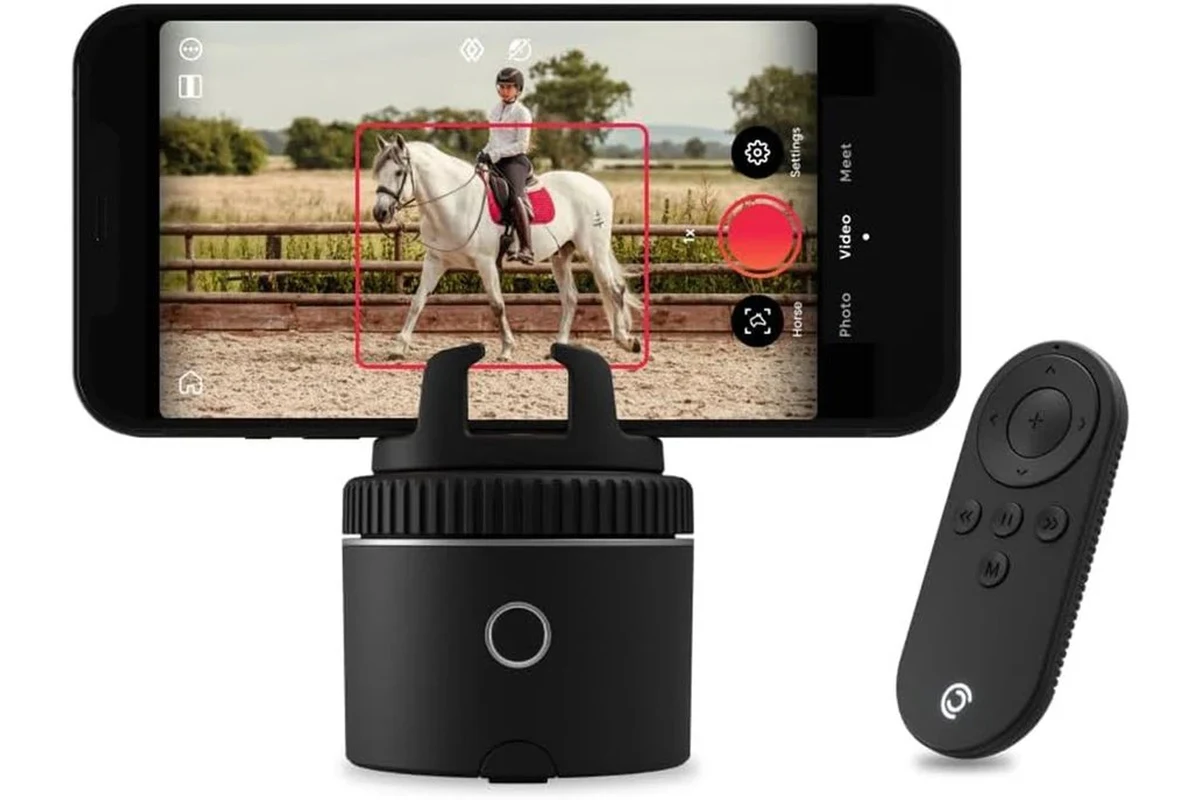
Quick answer: the best equine safe camera balances low heat, secure mounting, reliable night vision, and stable app alerts without adding stress or hazards to horses
For most horse owners, “safe” matters more than flashy features. A good equine camera should be quiet, hard to knock loose, and installed so horses cannot chew, rub, or reach the power cable.
How an Equine Safe Camera Works in a Barn, Stall, or Paddock
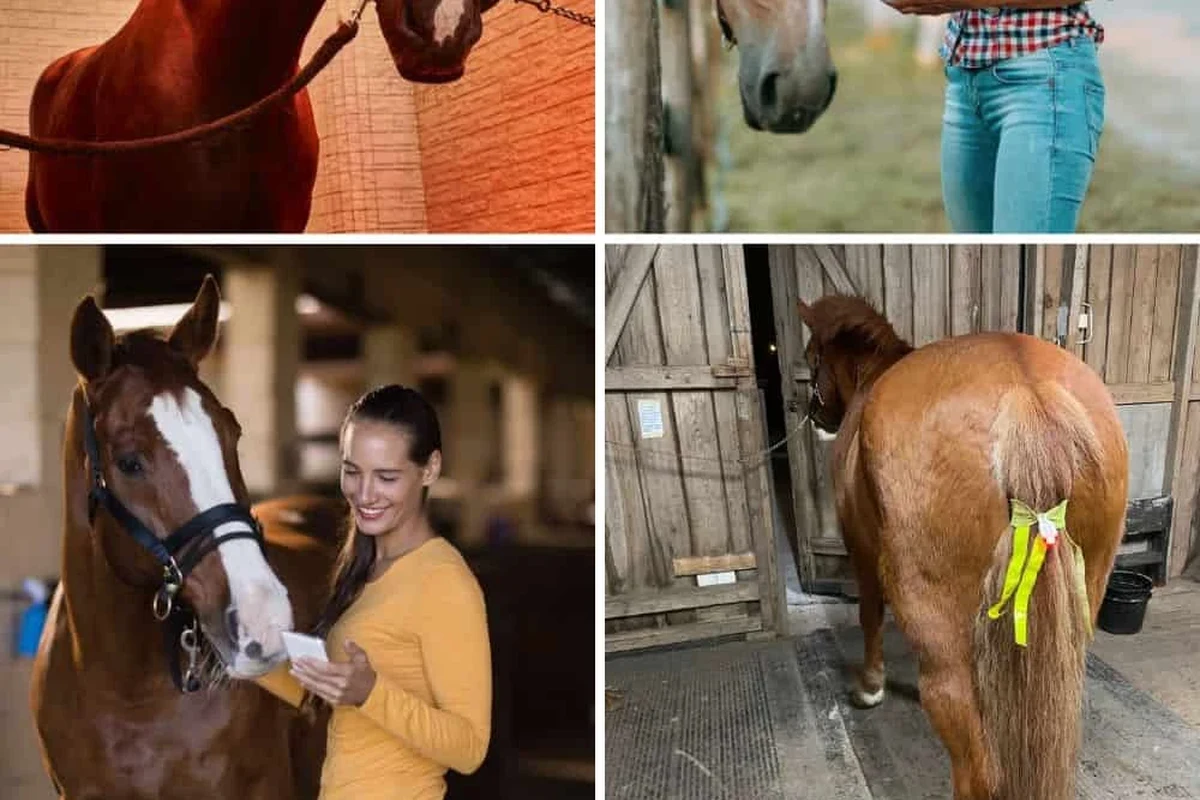
Core features to explain: motion detection, live view, infrared night vision, two-way audio, and remote alerts
An equine safe camera works like a standard smart camera, but the value comes from how you use it. Motion detection can flag activity in a stall, live view lets you check a horse without walking to the barn, infrared night vision helps after dark, two-way audio may let you speak calmly through the app, and remote alerts can notify you when movement starts or stops.
These features are useful only if the app stays connected and the camera is positioned well. A wide view can cover an entire foaling stall, while a narrower lens may be better for watching one door, feeder, or aisleway.
Why horse-safe design matters: reduced glare, quiet operation, protected cables, and stable mounting
Horses notice changes quickly, so camera placement should avoid bright indicator lights, reflective housings, and dangling cords. Quiet operation also matters because fans, buzzes, or loose mounts can become distractions in a calm barn.
For indoor and outdoor use, protected cable routing and firm mounting reduce the chance of accidental damage. If you are comparing power accessories too, it helps to think the same way you would when checking whether wall chargers are safe or whether budget chargers are safe to use: the safest choice is the one with the right ratings, not just the lowest price.
Key Buying Criteria for Horse Owners in 2026
Safety and durability: chew-resistant cable routing, heat output, impact resistance, and weather rating for indoor/outdoor use
Start with the physical build. For barns, look for a camera that can be mounted high enough to stay out of reach and has a cable path that can be protected with conduit, clips, or other approved routing methods.
Heat output is another practical concern. Most small cameras run warm, but you should still follow the manufacturer’s installation guidance and avoid placing any power device where bedding, hay, or dust can collect around it. For outdoor areas, check the weather rating and confirm whether the housing is meant for rain, dust, cold, or direct sun.
Connectivity and app requirements: Wi‑Fi range, 2.4 GHz support, cloud vs local storage, and multi-device access
Stable connectivity often matters more than ultra-high resolution. Many barn setups rely on 2.4 GHz Wi‑Fi because it usually reaches farther through walls than 5 GHz, but actual performance depends on the building materials and router placement.
Storage choice also matters. Cloud storage can make it easier to review clips remotely, while local storage may reduce subscription dependence, but both options vary by model. If multiple people need access, verify whether the app supports shared viewing, multiple logins, or role-based permissions.
Power and installation details to verify: adapter wattage, cable quality, battery backup, and safe placement near stalls
Before buying, confirm the exact adapter wattage and plug type listed by the manufacturer. Do not substitute a random power brick just because it fits; camera power needs vary, and mismatched adapters can lead to unreliable performance or overheating.
Keep cords out of bite range, avoid overloaded outlets, and stop using any charger, cable, or camera that shows fraying, looseness, overheating, or damage. For other small electronics, the same caution applies as with multi-port chargers: the rating and condition of the power gear matter as much as the device itself.
If you need backup during outages, look for a model with battery support or a separate backup plan that follows the manufacturer’s instructions. For stall placement, avoid low corners, swinging doors, and places where curious horses can rub the unit loose.
Dimensions, field of view, and zoom: choosing coverage for foaling stalls, aisleways, tack rooms, or turnout areas
Field of view determines how much of the barn the camera can see at once. Foaling stalls usually benefit from a wider view, while tack rooms or aisleways may need a more focused angle to identify movement near doors or equipment.
Digital zoom can help, but it usually reduces detail, especially at night. If you need to watch a larger barn, a multi-camera layout is often more practical than trying to make one camera cover everything.
Top Equine Safe Camera Picks: Best Options by Use Case
Best overall for most horse owners: balanced safety, clarity, and app reliability
The best overall choice is usually a camera that combines dependable app alerts, decent low-light performance, secure mounting, and straightforward setup. For most owners, that means prioritizing a model with a stable mobile app and flexible placement options over one with the longest feature list.
Horse owners who want one camera to handle everyday barn monitoring with minimal fuss, as long as the app and Wi‑Fi setup are dependable.
Best for foaling watch: low-light performance, wide angle, and dependable alerts
Foaling watch calls for a camera that can see clearly in low light and send alerts without constant false alarms. A wide angle is especially helpful because it lets you monitor the mare’s position, the stall floor, and a larger portion of the space at once.
Two-way audio can be useful here, but only if it is clear and does not startle the horse. In this use case, image quality at night and app reliability matter more than advanced smart detection features.
Best budget pick: essential features without sacrificing safe mounting and basic reliability
A budget camera can still be a smart buy if it has secure mounting, acceptable night vision, and a simple app. The trade-off is usually fewer advanced features, less polished software, or weaker accessory support.
Budget shoppers should be especially careful with power accessories and build quality. If the camera depends on a low-cost adapter or flimsy mount, the savings can disappear quickly in a barn environment.
Best outdoor barn camera: weather protection, stronger connectivity, and night visibility
Outdoor barn cameras need stronger weather resistance and better signal handling than indoor units. Look for a model that is rated for the conditions you actually have, whether that means dust, rain, freezing temperatures, or bright sun.
Night visibility is critical outside because paddocks and run-in sheds often have uneven lighting. A camera with reliable infrared performance and a sturdy housing is usually a better fit than a compact indoor-only device placed near a window.
Best multi-camera system: easy expansion for larger barns and multiple stalls
Large barns often need a system that can grow. Multi-camera setups make it easier to monitor several stalls, an aisle, a tack room, and an entry point without switching between incompatible apps or separate logins.
Before choosing a system, confirm whether the app supports multiple cameras, easy naming, clip review, and shared access. Expansion should feel manageable, not like a second job.
| Option | Best For | Key Consideration |
|---|---|---|
| Best overall | Most horse owners | Balanced app stability, mounting, and night vision |
| Foaling watch | Breeders and late-pregnancy monitoring | Wide view and dependable alerts matter most |
| Budget pick | Simple barn monitoring | Check mount quality and power safety carefully |
| Outdoor camera | Paddocks and exterior barns | Weather rating and signal strength are essential |
| Multi-camera system | Large barns | App expansion and shared access should be easy |
Real-World Benefits, Limitations, and Who Each Camera Type Fits Best
Ideal users: backyard horse owners, boarding barns, breeders, trainers, and first-time camera buyers
Backyard owners usually want simple stall checks and peace of mind. Boarding barns may need shared access and broader coverage, while breeders often care most about foaling visibility and alert timing.
Trainers and first-time buyers may prefer a camera that installs quickly and has a clear app interface. For all of these users, the best choice is the one that fits the daily workflow, not just the spec sheet.
Benefits in daily use: faster checks, better foaling monitoring, reduced unnecessary barn trips, and peace of mind
A good camera can reduce the number of times you walk out to the barn just to confirm that everything is normal. That is especially helpful at night, during bad weather, or when you are checking on a horse that needs closer observation.
For foaling, a camera can help you notice changes sooner and avoid disturbing the mare with repeated physical checks. The result is often less stress for both the horse and the owner.
Limitations to expect: Wi‑Fi dead zones, false motion alerts, subscription costs, and limited zoom detail at night
Even a strong camera can struggle if the barn has weak Wi‑Fi or thick walls. Motion alerts can also be overly sensitive in a barn where shadows, fans, or other animals move frequently.
Some models rely on subscriptions for cloud storage or advanced alerts, so check ongoing costs before you buy. Night zoom is another common limitation: a camera may look sharp in daylight but still show soft detail after dark.
Evidence limits and review transparency: what can be verified from specs, user reports, and manufacturer documentation
Because no verified first-hand testing evidence is available here, the safest way to evaluate any equine safe camera is by checking official specs, app store listings, compatibility pages, manuals, and warranty terms. User reports can help identify recurring issues, but they should not replace the manufacturer’s documentation.
Features can vary by model, firmware, retailer bundle, region, and app version. Before buying, confirm the exact camera name and current support policy on the manufacturer’s site.
Safe Setup Guide for Barns, Stalls, and Outdoor Areas
Mounting height and placement: avoiding blind spots, glare, and reach from curious horses
Mount the camera high enough that a horse cannot bump, rub, or chew it. Aim it so the lens covers the stall or area without pointing directly into bright lights, reflective windows, or shiny metal surfaces that can cause glare.
Pick a location with a clear view but limited reach from the horse and minimal exposure to direct contact.
Use the live view to confirm that doors, feeders, and bedding areas are visible without blind spots.
Power safety: using the correct rated wattage adapter, checking cable insulation, keeping cords out of bite range, and avoiding overloaded outlets
Use only the adapter and cable specified for the camera. If the plug, cord, or housing is damaged, stop using it and replace it with a manufacturer-approved part or an approved equivalent listed by the maker.
Stop using damaged electronics, swollen batteries, frayed cables, overheating chargers, or unstable mounts and follow the manufacturer’s guidance.
For more general power-safety context, readers often find it helpful to compare product guidance like whether wireless chargers are safe and other charger safety guides before bringing any powered device into a barn.
Connectivity setup: router placement, signal extenders, app pairing, and test alerts before relying on the camera
Place the router or access point where it has the best chance of reaching the barn, then confirm the camera stays connected in the exact spot where it will be mounted. If the signal is weak, a properly placed extender or mesh node may help, but the result depends on your building layout.
After pairing the camera, test live view, motion alerts, and notification timing before you trust it for overnight monitoring. A camera that looks fine during setup may still miss alerts if the network becomes unstable later.
Noise, heat, and light considerations: minimizing fan noise, LED distraction, and warm surfaces near animals
Keep the camera’s light indicators as discreet as possible, especially in a dark stall. If the model has adjustable LEDs or status lights, use the least distracting setting the manufacturer allows.
Also check whether the unit feels unusually warm during normal operation. A little warmth is normal for many electronics, but anything that seems excessive should be inspected according to the manual.
Maintenance, Inspection, and Storage Tips to Keep the Camera Reliable
Routine care: lens cleaning, dust removal, checking mounts, and verifying firmware/app updates
Barns collect dust quickly, so clean the lens regularly with a soft, approved cloth and inspect the housing for buildup. Also check that screws, brackets, and adhesive mounts remain tight and secure.
Firmware and app updates can improve stability or fix bugs, but update only through the official app or vendor instructions. If the camera starts behaving oddly after an update, review the release notes and support page before changing anything else.
Battery and charger guidance: inspect for swelling, frayed cables, loose plugs, and replace worn components promptly
If your camera uses a battery or backup pack, inspect it periodically for swelling, heat, or reduced run time. Replace worn batteries and cables promptly rather than trying to keep them in service beyond their safe condition.
Battery care matters in barns because dust, vibration, and temperature swings can shorten component life. Store spares according to the manufacturer’s instructions and keep them away from moisture and direct heat.
Seasonal storage and weather protection: moving indoor-only units, protecting outdoor housings, and checking seals after storms
Indoor-only cameras should be moved out of exposed areas before cold, rain, or dust become a problem. Outdoor units should be checked after storms for loose mounts, cracked seals, or moisture inside the housing.
If the camera has gaskets or weather seals, inspect them as part of seasonal maintenance. A small seal failure can create a much larger reliability problem later.
Warranty details to verify before buying: coverage length, water-damage exclusions, and replacement part availability
Warranty terms vary widely, so read the current policy before you buy. Pay special attention to what counts as water damage, whether mounting hardware is covered, and whether replacement power adapters or brackets are available separately.
- Check the exact model number, app requirements, Wi‑Fi band support, and mounting options
- Confirm power adapter ratings, cable routing needs, weather resistance, and warranty terms
- Review privacy settings, storage options, and update support before installing in a barn
Common Mistakes Horse Owners Make When Choosing or Using a Camera
Overlooking cable safety, weak Wi‑Fi, poor night vision, or placing the camera where horses can reach it
The most common mistake is treating the camera like a normal indoor gadget. A barn has movement, dust, moisture, curious animals, and longer cable runs than a typical room.
If the Wi‑Fi is weak or the camera is mounted too low, the system may look fine on paper but fail in daily use. Safety and placement should come before convenience.
Buying for specs only: why app stability, alert quality, and mounting options matter as much as resolution
High resolution sounds impressive, but it does not fix a bad app, slow alerts, or a mount that loosens over time. In a barn, a reliable notification and a stable camera position are often more valuable than extra pixels.
Ignoring practical trade-offs: subscription fees, storage limits, and setup complexity versus convenience
Some cameras are inexpensive upfront but become costly once storage or advanced alerts require a subscription. Others are easier to manage but may need more time to install or configure.
It helps to choose the system you will actually maintain. A simpler camera that stays online and is easy to check is usually better than a feature-rich one that you stop trusting.
Final Recommendation: Which Equine Safe Camera Is the Best Fit for Your Stable?
Transparent verdict by scenario: best for foaling, best for small barns, best for outdoor coverage, and best value
For foaling, choose the camera with the best low-light view, wide coverage, and dependable alerts. For a small barn, the best value is usually a simple indoor or indoor/outdoor model with secure mounting and a stable app.
For outdoor coverage, prioritize weather rating, signal strength, and night visibility. For larger barns, a multi-camera system is the most practical long-term choice because it scales better than a single camera trying to do everything.
Bottom line for buyers: prioritize safety, reliable power, strong connectivity, and easy maintenance over flashy extras
The best equine safe camera is the one that fits your barn safely and works consistently when you need it. If you confirm the mounting, power, app, and coverage details before buying, you are far more likely to end up with a camera you can trust.
Frequently Asked Questions
An equine safe camera should stay cool, mount securely, and keep cords out of reach. It should also have reliable night vision and stable app alerts without creating glare or noise that could stress horses.
Many barn cameras work better on 2.4 GHz because it usually reaches farther through walls than 5 GHz. Actual performance depends on your building materials, router placement, and the camera model.
Cloud storage can make remote review easier, while local storage may reduce subscription dependence. The better choice depends on the model, your internet reliability, and whether you want ongoing fees.
Mount it high enough that horses cannot reach it and angle it to avoid glare, blind spots, and direct contact with doors or feeders. Test the live view before final installation.
Verify the adapter wattage, cable quality, and plug type listed by the manufacturer. Never use a damaged cord or an unapproved power adapter, and keep cables out of bite range.
Weak Wi‑Fi, false motion alerts, subscription costs, and limited night zoom detail are common trade-offs. Review the official specs and app requirements before buying so the camera fits your barn setup.