Is the iPhone 18 Charger Different What You Need to Know
The iPhone 18 charger may differ in port, cable compatibility, or charging speed, so check the exact model before buying anything. If your current setup is certified and compatible, you may not need a full replacement.
If you’re asking whether the iPhone 18 charger is different, the short answer is: probably yes in some important ways, but the exact answer depends on the model, region, and what Apple includes in the box. The safest approach is to check the official specs for your exact iPhone 18 variant before buying any cable, adapter, or wireless stand.
- Compatibility first: Match the charger and cable to the exact iPhone 18 model.
- Speed varies: Fast charging depends on the phone, cable, adapter, and heat.
- Wireless vs. wired: Wireless is convenient; wired is usually faster and more efficient.
- Safety matters: Replace damaged or overheating accessories immediately.
Is the iPhone 18 Charger Different? The Short Answer for Buyers
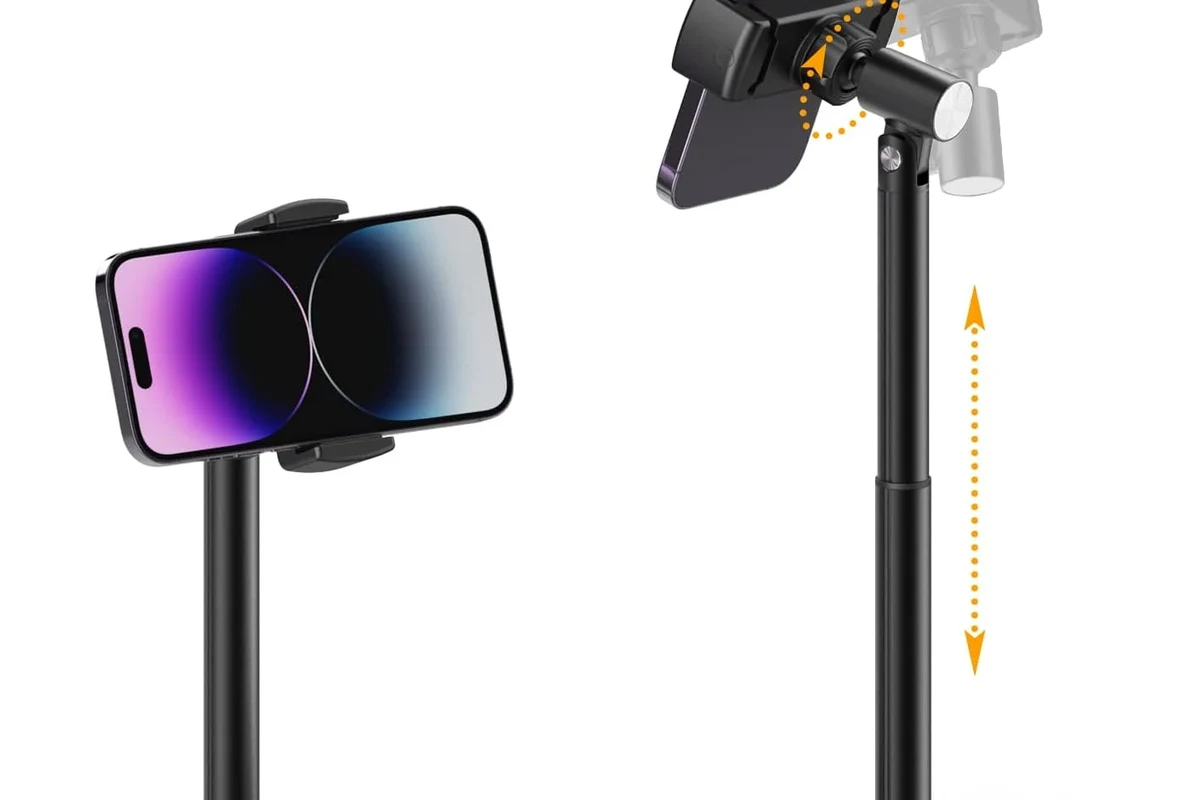
For most buyers, the “difference” is less about a totally new charging concept and more about which cable, port, wattage, and charging standard the phone expects. In practice, that can affect whether your current USB-C accessories still work, whether you need a new power adapter, and how fast the phone can charge from a wall outlet, car charger, or power bank.
Because Apple’s packaging and charging accessories can vary by market and product configuration, it’s smart to verify the exact in-box contents and supported charging specs before assuming your old setup will carry over. If you’re upgrading from a much older iPhone, expect at least some accessory changes even when the charging experience feels familiar.
What Changed in the iPhone 18 Charging System in 2026
Charging systems usually evolve in small but meaningful steps: connector changes, improved power management, higher supported wattage, and better accessory compatibility. If the iPhone 18 introduces any charging update, the practical result is usually faster top-ups, broader accessory support, or a new requirement for certified cables and adapters.
Charging port type, cable compatibility, and accessory ecosystem
The first thing to check is the port on the phone itself. If the iPhone 18 continues with USB-C, many existing USB-C cables and chargers may still work, but not all will deliver the same speed or reliability. Older Lightning accessories would not be directly compatible without an adapter, and even then, adapters can limit convenience or charging performance.
Accessory ecosystems matter because a cable that “fits” is not the same as a cable that charges safely and efficiently. Look for certified accessories from reputable brands, especially if you want charging from a desk dock, MagSafe-style wireless pad, power bank, or in-car charger. When the manufacturer provides a compatibility list, use that as the final word.
Compatibility can vary by model, region, and accessory firmware. If you use third-party chargers, confirm support for your exact iPhone 18 version before relying on them for daily charging.
Wattage expectations and what “fast charging” means now
“Fast charging” is not one universal number. It depends on the phone’s charging controller, the adapter’s rated output, the cable’s quality, battery temperature, and how much charge the phone already has. In real use, the phone may charge quickly at low battery levels and slow down as it approaches full to protect battery health.
That means a higher-watt adapter is not always better if the phone does not draw the extra power. The best charger is the one that matches the phone’s supported charging profile, uses a proper cable, and stays within safe thermal limits during everyday use.
How the iPhone 18 Charger Works in Daily Use
In daily use, charging performance is shaped by convenience as much as speed. A good charger should be easy to plug in, stable on a desk or nightstand, and capable of charging without creating unnecessary heat or cable clutter.
Power delivery, charging speed, and heat management
Modern phone charging relies on power negotiation between the phone and the charger. The phone requests only the power it can safely accept, and the charger responds within its supported range. This helps prevent overload, but it also means charging speed can vary based on battery level, background activity, and ambient temperature.
Heat is the main trade-off with faster charging. A warm phone is normal during active charging, but excessive heat, repeated overheating, or a charger that feels unusually hot are signs to stop using it and inspect the setup. Heat management is especially important if you charge on a bed, under a pillow, in direct sunlight, or inside a tightly packed bag.
Stop using chargers, cables, or power banks that overheat, smell burnt, spark, or show visible damage. Use only manufacturer-approved or properly certified accessories and keep charging gear away from water, bedding, and flammable materials.
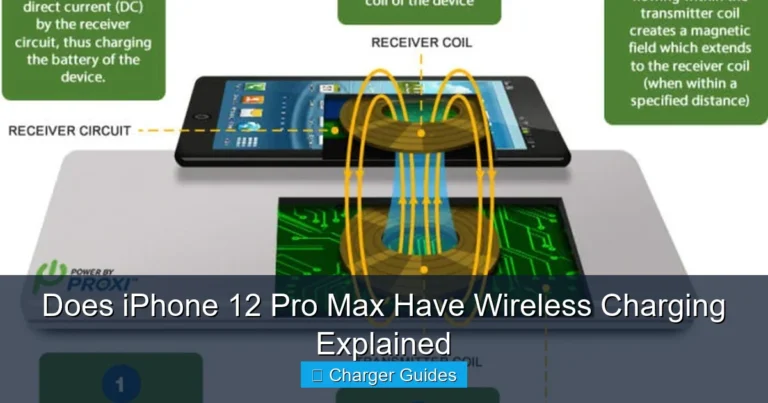
Wireless charging vs. wired charging trade-offs
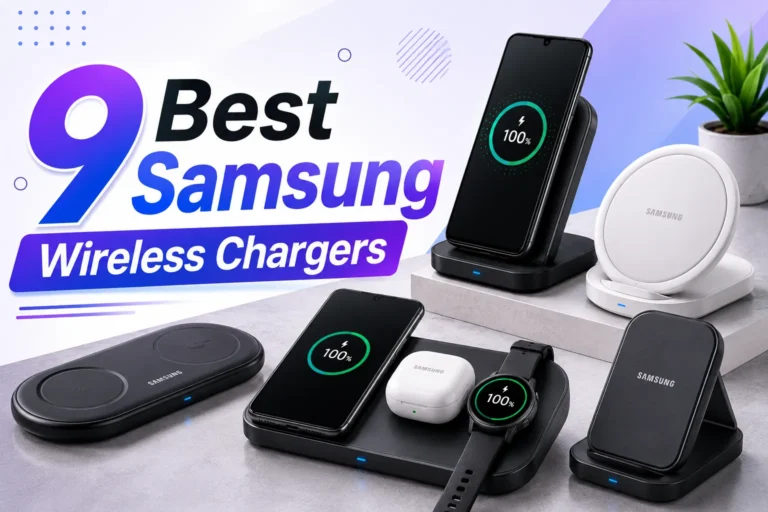
Wireless charging is convenient for desks, nightstands, and casual top-ups, but wired charging usually remains the better choice when you want the fastest and most efficient charge. Wireless setups can also be more sensitive to alignment, case thickness, and heat buildup.
Wired charging is often the better fit for travelers, gamers, and heavy users who need dependable top-ups during short breaks. Wireless charging is better when convenience matters more than maximum speed, especially if you prefer a simple drop-and-go routine.
Who the iPhone 18 Charger Fits Best
The best charger for the iPhone 18 depends on how you use your phone. A student who charges overnight has different needs than a creator who drains the battery during long shoots or a commuter who needs a quick top-up before leaving home.
Best for current iPhone users upgrading from older models
If you’re upgrading from an older iPhone, the biggest question is whether your existing cables and adapters still match the new port and power profile. Users already on USB-C are more likely to keep some accessories, while people coming from older connector systems may need a fresh cable and possibly a new wall adapter.
This group should pay close attention to cable certification, because older or low-quality cables can cause slower charging, intermittent connections, or unnecessary heat. If you already own a reliable multi-port charger, it may still be useful, but confirm that it supports the right output for the iPhone 18.
Best for travelers, heavy users, and mixed-device households
Travelers usually benefit from compact chargers with foldable plugs, broad voltage support, and the ability to handle multiple devices from one outlet. Heavy users may prefer a higher-quality wired charger and a durable cable that can survive frequent plugging, packing, and daily carry.
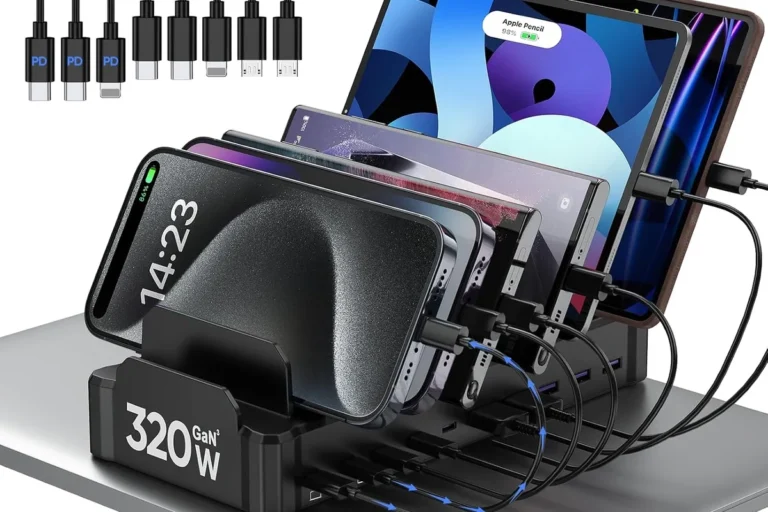
Mixed-device households should look for chargers that can handle phones, tablets, earbuds, and sometimes laptops without forcing a compromise on safety or speed. The key is choosing a charger with enough ports and the right power distribution, not just the biggest number on the box.
- Keep one charger at your main desk and one in a travel bag to reduce wear from constant unplugging.
- Use shorter cables for desks and longer cables for bedsides or couches only if the cable is well made.
- If a charger runs hot every day, replace it rather than hoping the heat will improve over time.
Key Specs and Buying Criteria to Check Before You Buy
Before buying anything for the iPhone 18, focus on the specs that affect safety, speed, and long-term usability. Marketing labels can be vague, so the details matter more than the headline claim.
Rated wattage, cable quality, and certified accessories
Check the charger’s rated wattage and make sure it supports the phone’s charging standard. The cable should also be rated for the kind of power you expect to use; a weak cable can bottleneck charging or fail earlier under daily stress.
Certification matters because it helps reduce the risk of overheating, unstable power delivery, and accessory failure. When possible, choose accessories from the phone maker or from reputable brands that clearly state compatibility and safety compliance.
- Check the iPhone 18 model number and supported charging standard
- Confirm charger wattage, cable type, and accessory certification
- Review warranty terms, return policy, and safety notices
Connector type, length, durability, and portability
Connector type determines whether your current accessories work at all. Cable length affects where you can charge comfortably, but longer cables are not always better if you want a tidy desk or maximum portability.
Durability depends on strain relief, braided or reinforced construction, and how often the cable gets packed, bent, or yanked. For travel, a compact charger with a short cable can be easier to manage. For home use, a longer cable may be worth it if the build quality is strong.
Compatibility with adapters, power banks, and car chargers
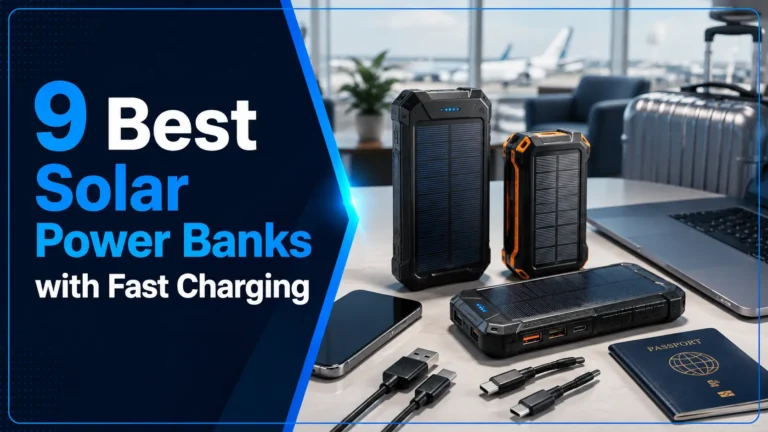
Not every charger behaves the same across wall outlets, power banks, and car ports. Some power banks are optimized for phones, while others are better for tablets or laptops. Car chargers can also vary widely in output, especially when multiple devices are plugged in at once.
If you rely on adapters, verify that they support the same charging standard as the phone and cable. A mismatch may still charge the phone, but it can reduce speed or reliability.
Real-World Benefits and Practical Trade-Offs
The main benefit of a better iPhone 18 charger is convenience. The main trade-off is that faster or more capable charging gear can cost more and may produce more heat than basic accessories.
Faster top-ups, less downtime, and better convenience
A charger that matches the phone well can reduce the time you spend tethered to an outlet. That matters if you work remotely, commute often, stream media, game, record video, or use battery-heavy apps throughout the day.
Convenience also comes from reliability. A well-matched charger should connect cleanly, charge consistently, and work across your routine without needing constant troubleshooting. That’s especially useful in shared spaces, dorm rooms, offices, and family homes where multiple people may use the same charging setup.
Limitations: heat, battery wear, and accessory costs
Any charging system has limits. Faster charging can create more heat, and repeated heat exposure is not ideal for battery longevity. That does not mean fast charging is unsafe by default, but it does mean you should avoid cheap gear and poor ventilation.
Accessory costs can also add up if you need a new cable, wall adapter, car charger, and power bank all at once. If your current setup already works safely and efficiently, you may not need to replace everything just because the phone is new.
Replace frayed cables, bent connectors, loose plugs, swollen batteries, and chargers that behave unpredictably. When in doubt, follow the manufacturer’s guidance and stop using accessories that no longer feel secure or stable.
Safe Use, Common Mistakes, and Maintenance Tips
Good charging habits extend the life of both the phone and the accessory. Most charging problems come from cheap gear, damaged cables, bad placement, or using the wrong adapter for the device.
Avoiding counterfeit chargers, damaged cables, and unsafe adapters
Counterfeit and no-name chargers can look convincing while skipping important safety protections. That’s why it helps to buy from reputable sellers, inspect packaging carefully, and avoid accessories with vague or missing specifications.
Do not keep using a cable with exposed wiring, a loose connector, or a charger that runs abnormally hot. If you need an adapter for travel or a different plug shape, make sure it is rated for the destination’s electrical standards and the charger’s input range.
Inspection, replacement guidance, and storage best practices
Check cables regularly for kinks, fraying, discoloration, and bent ends. Inspect the charger brick for cracks, rattling parts, or scorch marks. If anything seems off, replace the accessory instead of trying to stretch its life.
For storage, coil cables loosely, avoid sharp bends, and keep chargers dry and out of direct heat. In bags, separate charging gear from keys, coins, and other metal objects that can scratch or stress the connectors.
- The iPhone 18 charger may be different in port, cable, or charging speed, so verify the exact model first.
- Match wattage, cable quality, and certification to the phone’s supported charging standard.
- Use safe charging habits, inspect gear regularly, and replace damaged accessories promptly.
Should You Upgrade Your Charger for the iPhone 18? Final Verdict
For most people, the best answer is to upgrade only what the phone actually needs. If your current accessories already match the port, support the right charging standard, and stay cool in daily use, you may only need a new cable or nothing at all.
If you’re moving from an older iPhone, travel often, or charge multiple devices in one place, a better-quality charger can be a worthwhile upgrade because it improves convenience and reduces friction. The transparent recommendation is to prioritize verified compatibility first, then choose the smallest set of accessories that gives you safe, reliable charging without paying for features you won’t use.
Best-value choices by user type and a transparent recommendation
Current iPhone users with compatible accessories should start by checking whether their existing charger and cable are still supported. Travelers and heavy users should prioritize compact, certified, well-built chargers with dependable cables. Mixed-device households should look for a charger that balances multiple ports, safe power distribution, and easy everyday use rather than chasing the highest advertised wattage.
The best overall choice is the charger setup that matches your exact iPhone 18 model, uses certified accessories, and fits your daily charging routine. If your current gear is already compatible and safe, keeping it may be the smartest value move.
Frequently Asked Questions
It may be different in port type, cable compatibility, or charging speed depending on the exact model. Check the official specs for your iPhone 18 version before assuming older accessories will work the same way.
Use a charger that matches the phone’s supported charging standard and rated power needs. Higher wattage is not always better if the phone cannot draw it, so verify the official guidance first.
Only if the connector type and charging standard are compatible. Even when a cable fits, it may not support the best charging speed or safest performance.
Wireless charging is more convenient, but wired charging is usually faster and more efficient. The better choice depends on whether you value speed or convenience more.
Look for clear specifications, reputable branding, and certification that matches the charger type. Stop using any charger or cable that overheats, sparks, smells burnt, or shows visible damage.
Not always. If your current charger is compatible, certified, and in good condition, you may only need a new cable or no replacement at all.