Netflix Camera List Guide for Better Streaming Quality
The best Netflix camera list is really a shortlist of cameras that deliver clean image quality, reliable color, and stable long-session performance. For home streaming, the right camera is the one that matches your room, connection method, and power setup.
If you’re searching for a Netflix camera list, the practical answer is a shortlist of cameras that meet Netflix’s technical standards for clean 1080p or 4K capture, dependable color, and strong low-light performance. For streaming-quality work at home, that usually means focusing less on brand hype and more on sensor size, connection options, heat management, and workflow compatibility.
- Focus on workflow: HDMI, USB-C, app support, and power options matter as much as image quality.
- Match the room: Low-light performance and autofocus are crucial in real home studios.
- Use the right type: Mirrorless, compact, and cinema-style cameras fit different budgets and spaces.
- Verify before buying: Check compatibility, firmware support, warranty terms, and continuous-use limits.
Netflix Camera List Guide for Better Streaming Quality: What It Really Means in 2026
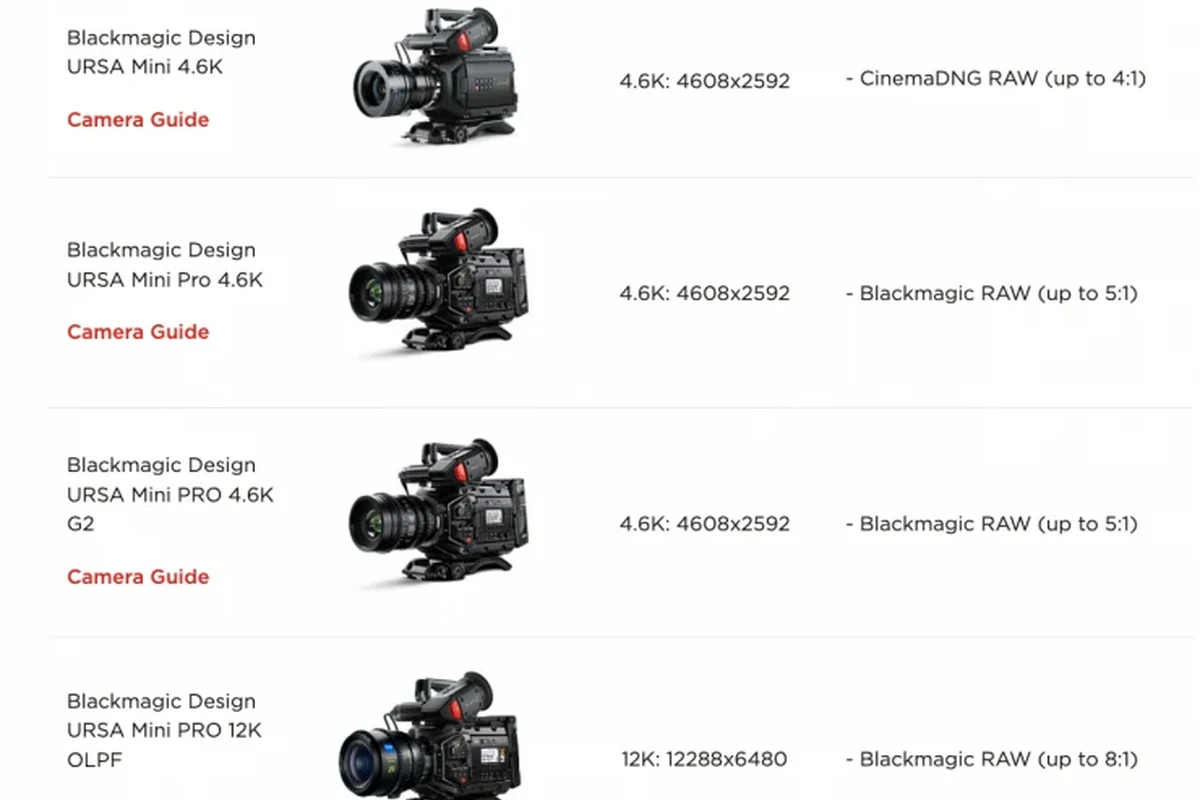
Quick answer: the best “Netflix camera list” is a shortlist of Netflix-approved cameras that meet the platform’s technical standards for clean 1080p/4K capture, reliable color, and low-light performance.
In everyday use, people often search for “Netflix camera list” when they really want a reliable camera recommendation for polished streaming, recording, or a small home studio. The useful approach is to treat the phrase as a buying shortcut: look for cameras that are known to produce professional-grade images and that fit your exact setup, rather than assuming every popular camera is a good match.
How the Netflix Camera List Works and Why It Matters for Streaming Quality
Netflix’s camera guidance is not a general “best camera” ranking. It is a production-focused standard that helps crews choose cameras capable of high-end image capture, consistent color, and dependable recording behavior under demanding conditions. For streamers and home creators, that matters because the same qualities that help on professional sets also improve the look of live and recorded content.
Netflix approval versus general camera popularity: what creators should actually look for
A camera can be popular on social media and still not be ideal for a clean, professional stream. What matters more is whether the camera can output a stable image, handle long sessions, and integrate with your software or capture hardware without introducing lag, overheating, or color issues.
Netflix-approved cameras are typically selected for production reliability, but your streaming needs may be simpler. If you are building a smart home studio, you may care more about HDMI output, USB webcam mode, autofocus behavior, and power delivery than about cinema-specific recording profiles.
How camera specs affect image quality, compression, and viewer experience
Streaming platforms compress video, so camera quality still matters even when the final file is heavily processed. A camera with better dynamic range, cleaner shadows, and accurate color gives the encoder more useful image data to work with, which can make the final stream look sharper and more natural.
That does not mean the highest resolution always wins. A well-lit 1080p camera with strong autofocus and good skin tones can look better on a live stream than a high-resolution model that struggles with heat or low-light noise.
Who This Guide Is For: Creators, Smart Home Streamers, and Small Production Setups
This guide is useful for anyone building a home-based camera setup where image quality matters: creators, remote workers, gamers, educators, interview hosts, and smart home enthusiasts who want a more polished on-camera presence. It also helps buyers who want one camera that can handle both recording and live streaming.
Best fit by use case: live streaming, recorded content, interviews, and multi-camera home studios
For live streaming, prioritize clean output, reliable autofocus, and long-session stability. For recorded content and interviews, color accuracy, lens flexibility, and better low-light performance often matter more than simple convenience.
In multi-camera home studios, matching color across cameras can be more important than buying the most expensive body. If your setup includes overhead shots, desk angles, or product closeups, consistency and easy control from your computer can save a lot of setup time.
When a Netflix-ready camera is overkill and when it is worth the investment
A Netflix-ready camera may be overkill if you only need casual video calls, basic social clips, or occasional live streams. In those cases, a simpler camera or even a high-quality webcam may be easier to manage and cheaper to power.
It becomes worth the investment when image quality is central to your work, you need reliable long-form recording, or you want a camera that can grow with a more advanced studio. The extra cost can be justified if it reduces post-processing, improves professionalism, and fits future upgrades.
Netflix’s official camera approval and production guidance can change by model, firmware, and region. Before buying, verify the exact model on the manufacturer’s specs page and any current Netflix documentation that applies to your workflow.
Key Specs to Compare Before Buying a Camera for Netflix-Style Streaming
Instead of chasing a single “best” model, compare the specs that affect your actual use. For streaming and home production, the most important factors are image quality, connection reliability, heat control, and whether the camera can stay usable for your typical session length.
Resolution, sensor size, dynamic range, autofocus, and low-light performance
Resolution matters, but it is only one piece of the picture. A larger sensor can often handle light better, while strong dynamic range helps preserve detail in bright windows and darker rooms. Autofocus is especially important for solo creators who move around during filming or stream from a desk with changing distance.
Low-light performance is one of the most practical specs to compare. Many home studios rely on mixed lighting, and a camera that handles shadows cleanly will usually look more professional than one that becomes noisy or soft when the room is not perfectly lit.
Connection options, recording formats, heat management, and power requirements
For streaming, the connection path matters as much as the camera itself. HDMI output with a capture card is common for higher-quality setups, while USB-C webcam mode can be simpler if the camera supports it well. Wireless options exist on some models, but they are more dependent on signal stability and app behavior.
Heat management is a major long-session issue. Some cameras are designed for extended recording, while others may limit recording time or become less reliable in warm rooms. Power requirements also matter because a camera that drains batteries quickly can be frustrating in a home studio.
App support, firmware updates, and compatibility with popular streaming workflows
Check whether the camera has a reliable companion app, current firmware support, and clear documentation for your operating system. Compatibility can vary with Windows, macOS, iPhone, Android, streaming software, capture cards, and even specific USB ports or cables.
- Confirm whether the camera supports clean HDMI output if you plan to use a capture card.
- Check if USB streaming mode is officially supported or only available through limited software.
- Review firmware update notes before buying so you know whether key issues are actively maintained.
Recommended Camera Types and Models to Consider in a Netflix Camera List
Because model availability changes often, the most useful “Netflix camera list” is organized by camera type. That makes it easier to compare image quality, setup complexity, and long-term value without relying on a single product that may not fit your room or workflow.
Mirrorless cameras for the best image quality and flexibility
Mirrorless cameras are often the strongest choice for creators who want a polished look, interchangeable lenses, and better control over depth of field. They are especially useful when you want the camera to double as a recording tool for interviews, product shots, and more serious content production.
Mirrorless cameras are usually the best fit for creators who want the strongest balance of image quality and flexibility, but they can require more accessories, more careful power planning, and a better understanding of lenses.
Compact cameras and cinema-style cameras for smaller spaces and cleaner setups
Compact and cinema-style cameras can work well in tight home studios where desk space is limited and cable management matters. Some models are easier to rig for fixed-position streaming, while cinema-style bodies may offer stronger video controls and more professional output options.
These cameras can be excellent for a clean, dedicated setup, but they may cost more once you add the lens, mount, power solution, and capture workflow. Make sure the body size and accessory ecosystem fit the space you actually have.
Budget-friendly options for creators who want better quality without a full studio build
If you do not need a full cinema pipeline, look for budget-friendly cameras that still offer dependable autofocus, usable HDMI or USB output, and good color in normal room lighting. The best value often comes from a model that is easy to power, easy to mount, and simple to keep updated.
| Option | Best For | Key Consideration |
|---|---|---|
| Mirrorless camera | Best image quality and lens flexibility | Needs more accessories and power planning |
| Compact camera | Smaller desks and simpler setups | Check output quality and heat behavior |
| Cinema-style camera | Dedicated production or advanced workflows | Often requires a larger budget and rig |
| Budget video camera | Better quality than a webcam without a full studio | Verify streaming compatibility before buying |
Setup Guide: Getting the Best Streaming Quality from a Netflix-Ready Camera
Even a strong camera can look average if the setup is weak. Placement, lighting, and the connection method all influence how sharp, stable, and professional your stream appears on screen.
Placement, framing, lighting, and background setup for a polished look
Place the camera at eye level whenever possible to create a more natural angle. Use soft, even lighting that reduces shadows on the face, and keep the background uncluttered unless your content benefits from a more styled environment.
In a smart home studio, small changes can make a big difference. Moving the camera a little farther from the subject, adjusting the light angle, or reducing reflective surfaces can improve the image more than buying a more expensive body.
If your room has mixed lighting, try to match the color temperature of your main lights before changing camera settings. That often makes skin tones look more natural with less correction later.
Connection methods: HDMI, USB-C, capture cards, and wireless considerations
HDMI plus a capture card is still one of the most reliable routes for high-quality streaming, especially when you want broad software compatibility. USB-C can be simpler for desk setups, but the actual quality and stability depend on whether the camera supports webcam mode well.
Wireless workflows can reduce cable clutter, but they may introduce latency, app dependence, or occasional connection instability. For live streaming, a wired connection is usually the safer choice unless your setup specifically requires mobility.
Use only manufacturer-approved power adapters, rated cables, and safe mounting hardware. Stop using frayed cables, loose power connections, or equipment that becomes unusually hot during long sessions.
Software setup, app requirements, and workflow checks before going live
Before a live session, confirm that the camera is recognized by your computer, capture card, or streaming app. Update firmware only from the official manufacturer source, and verify that any companion app permissions, privacy settings, and login requirements are acceptable for your workflow.
- Check compatibility with your computer, streaming app, and capture hardware
- Confirm clean HDMI or USB webcam support, depending on your workflow
- Verify power options for long sessions and the camera’s heat limits
- Review firmware support, warranty terms, and app requirements
Real-World Benefits, Trade-Offs, and Common Mistakes to Avoid
The biggest benefit of choosing the right camera is not just sharper video. It is the overall improvement in presentation, reliability, and confidence when your setup works the same way every time you go live or record.
What improves immediately: sharpness, color accuracy, and professional presentation
A better camera can make your stream look cleaner right away, especially if your lighting is already decent. Skin tones often look more natural, details hold up better after compression, and the whole image tends to feel more intentional.
That visual improvement matters for interviews, product demos, gaming commentary, remote teaching, and any content where viewers need to focus on your face or hands. A more professional image can also make a small home setup feel much more credible.
Limitations to know: battery life, overheating, storage needs, and accessory costs
Many high-end cameras are not ideal “set it and forget it” devices unless you plan power carefully. Long sessions can drain batteries, warm up the body, or require external power accessories that add cost and complexity.
Storage is another real consideration if you record locally. High-quality video files can fill cards and drives quickly, so your workflow should include enough storage, a backup plan, and routine file management.
Common mistakes: ignoring lens choice, using poor cables, and skipping heat checks
Lens choice can change the final look as much as the camera body. A good body paired with the wrong lens may still produce a flat, soft, or cramped image for your room size.
Poor cables are another common issue. If a cable is not rated for the connection you need, it can cause signal drops, flicker, or unstable capture. Heat checks matter too, especially for long live sessions in warm rooms or enclosed spaces.
Stop using damaged electronics, swollen batteries, frayed cables, overheating chargers, or unstable mounts and follow the manufacturer’s guidance. If a camera or adapter behaves unpredictably, verify the manual, cable rating, and power source before continuing.
Safety, Maintenance, and Value: Keeping Your Camera Reliable Over Time
A good camera choice should also be a durable one. Maintenance, safe power use, and routine firmware checks help protect your investment and reduce the chance of interruptions during recording or live streaming.
Safe power use, cable quality checks, and avoiding unsafe continuous-operation limits
Use the power method recommended by the manufacturer, especially for long sessions. If a camera is not designed for continuous operation in your exact setup, it is better to plan shorter sessions or add approved external power solutions rather than pushing beyond the limits stated in the manual.
Inspect cables regularly for wear, loose connectors, or heat buildup. If a charger, adapter, or cable feels hot in a way that seems unusual, disconnect it and verify whether it is compatible with the camera and outlet setup.
Cleaning, storage, firmware updates, and warranty details to verify before purchase
Keep the lens, body, ports, and mounts clean using the manufacturer’s recommended methods. Store the camera in a dry, protected place, and avoid leaving batteries fully depleted for long periods unless the manual says otherwise.
Before buying, review the warranty terms, repair process, and update history. A camera with good documentation and active firmware support is often a safer long-term value than a cheaper model with unclear maintenance support.
Final recommendation: how to choose the right Netflix camera list option for your budget and setup
The best choice depends on how you stream, how long you record, and how much setup complexity you can tolerate. For most creators, the smartest path is to pick the camera type that fits the room, the connection method, and the power plan first, then choose the model with the best verified compatibility and support.
- Focus on real streaming factors like color, low light, heat, and output stability.
- Match the camera type to your room size, workflow, and power setup.
- Verify compatibility, firmware support, and power options before buying.
- Use quality lenses, cables, and lighting to get the most from the camera.
Frequently Asked Questions
It usually refers to cameras that meet Netflix-style production standards for image quality, color, and reliability. For streamers, it is best treated as a shortlist of professional-grade options rather than a single official shopping list.
No, not for most home streaming setups. A camera with good autofocus, clean output, and strong low-light performance may be a better fit if it matches your room and workflow.
Mirrorless cameras are often the best balance of image quality and flexibility. Compact and cinema-style cameras can also work well if you want a smaller or more advanced setup.
Look at sensor size, autofocus, low-light performance, heat management, and connection options. Those features usually affect the final stream more than resolution alone.
HDMI with a capture card is often the most reliable for higher-quality streaming. USB-C can be simpler, but you should verify that the camera supports stable webcam mode with your software.
Check compatibility with your computer, streaming app, cables, power setup, and mounting gear. Also review firmware support, warranty terms, and the manufacturer’s manual for heat and continuous-use limits.