Omd Em1 Camera Review and Best Features for 2026
The Omd Em1 camera is still a solid choice if you want a compact Micro Four Thirds body with strong stabilization and good lens flexibility. It is less compelling if you need the newest autofocus, video features, or the best low-light performance.
The Omd Em1 camera can still make sense in 2026 if you want a compact Micro Four Thirds body with strong stabilization, a deep lens ecosystem, and a travel-friendly size. The main question is not whether it is capable, but whether its specific feature set still fits your shooting style, app expectations, and budget.
- Best fit: Travelers, beginners, and hobbyists who want a lightweight interchangeable-lens camera.
- Main strength: In-body stabilization is one of the most useful features for handheld shooting.
- Biggest trade-off: Low-light and autofocus performance depend heavily on the exact model and lens choice.
- Buy smart: Verify firmware, app support, card compatibility, and used-condition details before paying.
Omd Em1 Camera Review 2026: Is It Still Worth Buying?
Quick verdict and who the Omd Em1 camera is best for
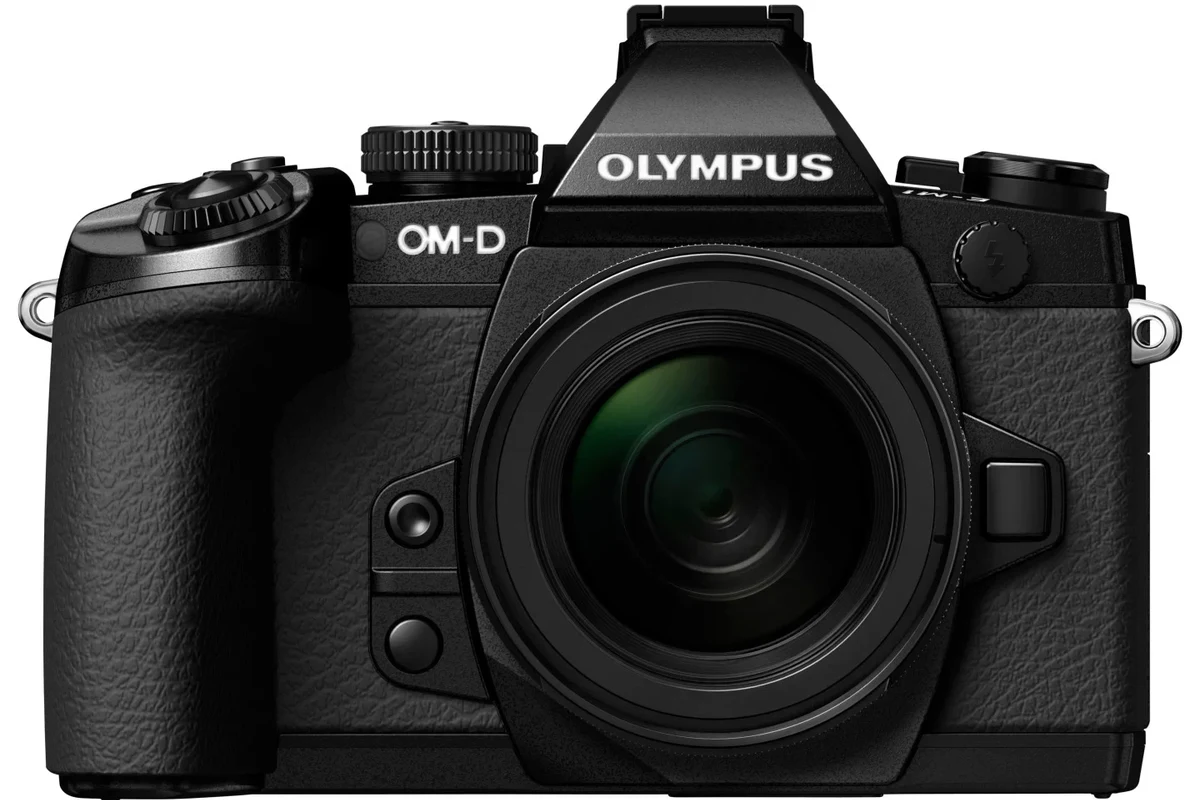
The Omd Em1 camera is best for buyers who value portability, stabilization, and lens flexibility more than chasing the newest sensor or the largest format. It can be a smart choice for beginners stepping up from a phone, hobbyists building a lightweight kit, and travelers who want a capable body without carrying a heavy system.
Main strengths, key trade-offs, and what this review will cover
Its biggest strengths are the Micro Four Thirds lens ecosystem, in-body image stabilization, and a body style that usually feels easy to carry for long days. The trade-offs are also important: image quality in very low light depends heavily on lens choice and shooting conditions, and some newer bodies offer more advanced autofocus, video tools, or connectivity.
What the Omd Em1 Camera Is and How It Works
Micro Four Thirds basics, sensor format, and lens compatibility
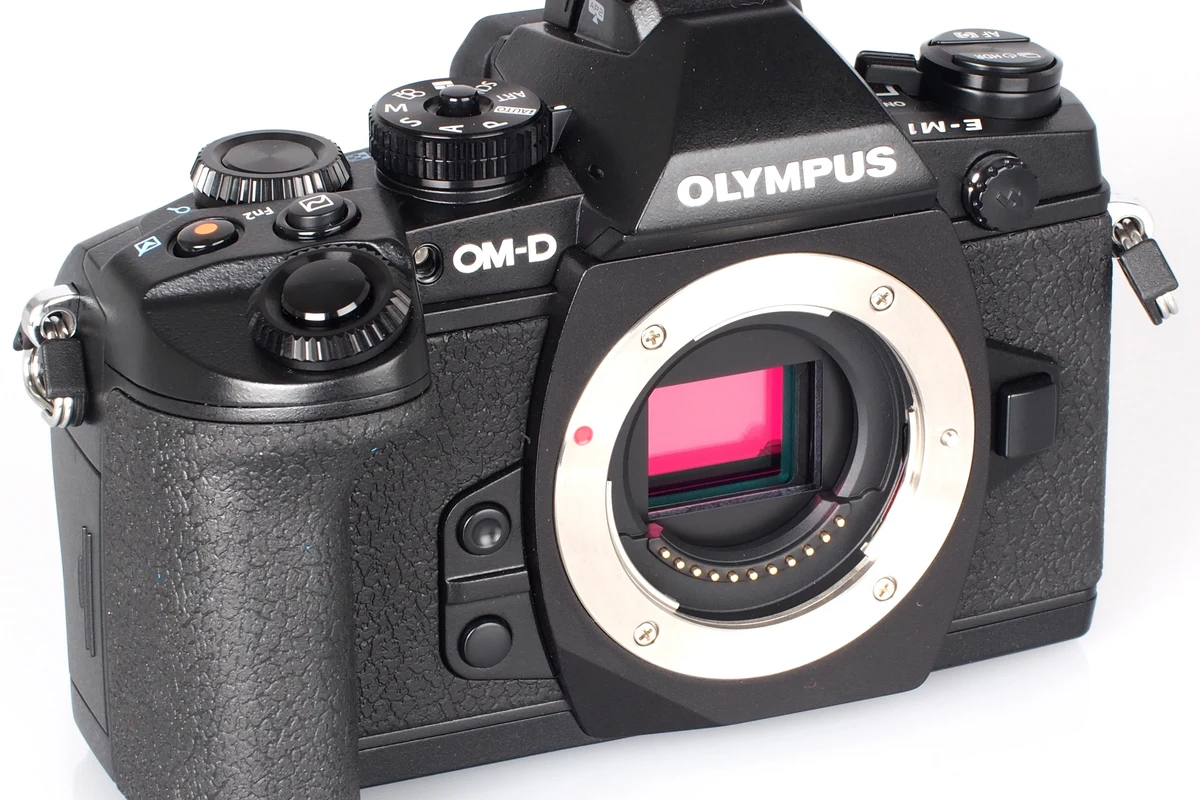
The Omd Em1 camera belongs to the Micro Four Thirds system, which uses a smaller sensor than APS-C and full-frame cameras but offers a broad range of compact lenses. In practical terms, that means the body and lenses can stay relatively small, making the system appealing for everyday carry, travel, and home use where storage space matters.
Lens compatibility is one of the biggest reasons people still consider this camera line. Before buying, confirm the exact body version and check the manufacturer’s lens compatibility notes, because autofocus behavior, stabilization support, and adapter use can vary by lens and firmware.
Core shooting features: autofocus, stabilization, burst speed, and video support
The Omd Em1 camera family is known for strong in-body stabilization, which helps reduce blur from hand movement and can make handheld shooting more forgiving. Autofocus performance, burst speed, and video capability depend on the exact model in the series, so readers should verify the specific generation rather than assuming every Em1 body performs the same way.
For buyers comparing used listings, this matters a lot. A body may look similar in photos but differ significantly in autofocus system, menu layout, card support, and video features.
Omd Em1 Camera Specifications Buyers Should Check in 2026
Body size, weight, ergonomics, and portability
One of the main reasons people choose an Omd Em1 camera is the balance between a solid grip and a compact footprint. It is generally easier to pack than larger interchangeable-lens systems, but the exact feel depends on the model, battery grip options, and the lens attached.
For buyers, portability is not just about the body. A small body with a large zoom lens can still become bulky, so it is worth planning the whole kit rather than judging the camera alone.
Image quality factors: resolution, dynamic range, low-light performance, and color
Image quality is where expectations should stay realistic. The Omd Em1 camera can produce excellent results for everyday photography, but resolution, dynamic range, and low-light performance depend on the exact body and lens combination, as well as how carefully you expose the scene.
Color rendering is often described as pleasing and natural in this system, but that is still a matter of taste and processing style. If you plan to crop heavily, print large, or shoot in dim rooms often, verify the body’s sensor generation and compare it with current alternatives before committing.
Connectivity and workflow: Wi-Fi, Bluetooth, memory cards, and file transfer
Wireless transfer can be a major convenience feature, especially for creators who want to move photos to a phone or laptop quickly. Still, app support, pairing steps, and transfer speed can vary by model, phone platform, and firmware version, so it is wise to check the current app listing and the official compatibility notes before buying used.
Memory card support also matters for workflow. Confirm the card type, speed class, and slot configuration, then choose reputable cards that match the camera’s recording needs. If you plan to shoot bursts or video, card speed becomes more important than many buyers expect.
Best Features of the Omd Em1 Camera for Real-World Use
In-body image stabilization for handheld shooting
In-body image stabilization is one of the most practical features in the Omd Em1 camera line. It helps reduce shake when shooting handheld, which can be especially useful indoors, during travel, or when you want to keep your kit simple and avoid carrying a tripod.
Stabilization can help with camera shake, but it does not freeze subject motion. A moving child, pet, or athlete may still need a faster shutter speed.
That distinction matters for real buyers. Stabilization can make slow shutter shots more usable, but it is not a substitute for good lighting, the right shutter speed, or a lens with a wider aperture when the scene is dark.
Weather sealing, build quality, and travel-friendly durability
Many buyers like the Omd Em1 camera because it is built to feel more durable than entry-level mirrorless models. Weather sealing is especially attractive for travelers, commuters, and outdoor hobbyists, but it only helps when the body, lens, and accessories are all appropriate for the conditions.
Weather sealing is not waterproofing. Avoid exposure to heavy rain, salt spray, or moisture beyond the manufacturer’s guidance, and stop using any camera that shows signs of damage, corrosion, or loose seals.
Autofocus and burst shooting for action, wildlife, and street photography
For action and street work, the Omd Em1 camera can be appealing because it combines a compact body with responsive handling. Burst shooting and autofocus behavior vary by exact model, lens, and firmware, so buyers should verify whether the specific version they want matches their intended pace of shooting.
If your priority is birds, fast sports, or unpredictable motion, compare the exact Em1 model against newer mirrorless bodies. Some newer systems offer better subject detection, easier tracking, or stronger video autofocus, which may be worth the extra cost.
Who the Omd Em1 Camera Fits Best in 2026
Beginners moving up from a smartphone or compact camera
Beginners often appreciate the Omd Em1 camera because it introduces interchangeable lenses without forcing a huge body or lens bag. It can be a practical step up from a phone for people who want more control over depth of field, low-light flexibility, and creative composition.
New camera buyers who want a serious step up from a phone but still need a body that feels manageable and not overly complicated.
Hobbyists, travelers, and creators who value lightweight gear
Travelers and hobbyists often get the most value from the system because the camera is easier to pack than many larger-format alternatives. Creators who shoot family moments, pets, city scenes, or home projects may also like the way the system balances image control with a relatively small kit.
- Choose one compact zoom and one brighter prime lens before expanding your kit.
- Use a spare battery if you shoot all day or rely on wireless transfers.
- Keep a small microfiber cloth in your bag for the front element and screen.
When a newer mirrorless body or full-frame alternative may be the better choice
A newer mirrorless body may be the better choice if you want stronger subject detection, more modern video features, or better high-ISO performance. Full-frame alternatives can also make sense for buyers who prioritize shallow depth of field, very low-light shooting, or a broader upgrade path for professional work.
The right answer depends on use case, not just age. If you mostly shoot daylight, travel, family, and casual content, the Omd Em1 camera can still be a sensible value pick. If you need the newest autofocus and video workflow, it may be worth looking elsewhere.
Setup, Accessories, and Buying Criteria Before You Commit
Lens selection, batteries, chargers, and memory card recommendations
Lens choice often matters more than body choice for image quality and convenience. A lightweight standard zoom is a practical starting point for most buyers, while a brighter prime can help indoors and in lower light. Confirm that any lens you plan to buy supports the exact body version and intended autofocus behavior.
- Camera body
- Battery and charger or charging cable
- Body cap
- Strap and manuals, if included
- Any extra batteries, lens caps, or accessory grip listed by the seller
For memory cards, choose a reputable brand and match the speed class to your shooting style. If you plan to shoot video or long bursts, confirm the camera’s card requirements in the official manual.
App requirements, firmware updates, and first-time setup steps
Before your first shoot, check the official app store listing and the manufacturer’s support page for current compatibility notes. App features can change over time, and not every phone or tablet will support the same transfer or remote-control functions.
Use the manufacturer’s official instructions and only the correct firmware file for your exact model.
Confirm that your phone, Bluetooth, or Wi-Fi connection works before you rely on it for travel or events.
Warranty details, used-market checks, and condition issues to verify
If you are buying used, inspect the body carefully. Check the shutter count if available, test buttons and dials, look for sensor dust, and verify that the screen, hot shoe, ports, and battery door are intact. Warranty coverage varies by seller, region, and whether the item is new or refurbished, so confirm the return policy before paying.
Stop and reconsider any camera with water intrusion, bent contacts, loose ports, a swollen battery, or signs of overheating. Follow the seller’s and manufacturer’s guidance if damage is present.
Limitations, Common Mistakes, and Maintenance Tips
Low-light and video trade-offs to understand before buying
The main limitation to keep in mind is that a smaller sensor system often relies more on lens choice and technique in dim light. That does not make the camera bad; it just means buyers should be realistic about ISO limits, shutter speed, and the type of scenes they plan to shoot most often.
Video buyers should be especially careful to verify the exact model. Some versions are better suited to casual clips than serious hybrid work, and features such as stabilization, autofocus, and codec support can differ a lot between bodies.
Common user mistakes: wrong lens choice, outdated firmware, and poor storage habits
One common mistake is buying the body first and assuming any lens will solve the rest. In reality, the wrong lens can make the camera feel slow, heavy, or weak in low light. Another mistake is skipping firmware updates, which can leave useful fixes or compatibility improvements on the table.
Storage habits matter too. Keep batteries partially charged for long-term storage when the manual recommends it, avoid leaving the camera in hot cars or damp bags, and use a padded case when traveling. If the camera will sit unused for a while, remove the battery and store it according to the manufacturer’s instructions.
Cleaning, safe storage, moisture protection, and routine inspection
Routine care is simple but important. Use a blower and a clean microfiber cloth for dust, keep lens caps on when not shooting, and inspect the battery contacts and card door periodically for debris or wear. Moisture protection should be treated as a precaution, not a guarantee.
- Easy to carry for an interchangeable-lens camera
- Strong stabilization for handheld shooting
- Large lens ecosystem with many travel-friendly options
- Low-light results depend heavily on lens and model version
- Video and autofocus features vary by generation
- Used-market condition can be inconsistent
Final Verdict: Value, Alternatives, and the Best Recommendation for 2026
How the Omd Em1 camera compares on value against newer options
On value, the Omd Em1 camera remains attractive if you prioritize stabilization, a compact system, and access to affordable used lenses. Newer cameras may outperform it in autofocus, video, or high-ISO quality, but they may also cost more and require larger or pricier lenses to match the same overall portability.
Transparent recommendation based on budget, use case, and long-term ownership
The best recommendation is simple: choose the Omd Em1 camera if you want a capable, lightweight camera system and are comfortable verifying the exact model, condition, and app support before buying. Choose a newer mirrorless body if your work depends on the latest autofocus, stronger video tools, or better low-light performance, because those upgrades can matter more than the savings on the used market.
The Omd Em1 camera is still worth considering for buyers who value portability, stabilization, and lens choice over cutting-edge specs. Just make sure the exact model, firmware, accessories, and used-condition details match your needs before you commit.
Frequently Asked Questions
It is best for buyers who want a compact interchangeable-lens camera with strong stabilization and a travel-friendly body. Beginners, hobbyists, and lightweight gear users usually get the most value from it.
Check the exact model, shutter count if available, battery health, screen condition, ports, card slot, and signs of water damage or heavy wear. Also confirm return policy and warranty coverage with the seller.
Its low-light performance depends on the exact body and the lens you pair with it. A brighter lens and careful exposure will help more than stabilization alone.
Some versions are fine for casual video, but features vary a lot by model generation. Check the exact body’s video specs, autofocus behavior, and codec support before buying.
A compatible lens, spare battery, charger, and fast memory card are the most useful starting accessories. A microfiber cloth and padded case also help with daily care and travel.
Choose the Omd Em1 camera if portability, stabilization, and lens ecosystem value matter most. Choose a newer mirrorless body if you need stronger autofocus, better video tools, or improved low-light performance.