Polaroid OneStep Close Up Camera Review and Guide
The Polaroid OneStep Close Up camera is worth considering if you want a simple, nostalgic instant camera and are comfortable with ongoing film costs. It is less suitable if you need precise close-up control, strong low-light performance, or lower cost per photo.
The Polaroid OneStep Close Up camera is still appealing in 2026 if you want a simple instant-film camera with a classic look and a very low learning curve. It is best for people who value physical prints, nostalgia, and easy point-and-shoot use more than sharp, highly consistent results.
- Best fit: Casual users who want easy instant prints and a retro feel.
- Main tradeoff: Film costs matter more than the camera price over time.
- Check first: Film compatibility, battery type, and close-focus range in the official manual.
- Watch for: Soft focus, flash limitations, and inconsistent results in poor lighting.
Polaroid OneStep Close Up Camera Review: Is It Still Worth Buying in 2026?
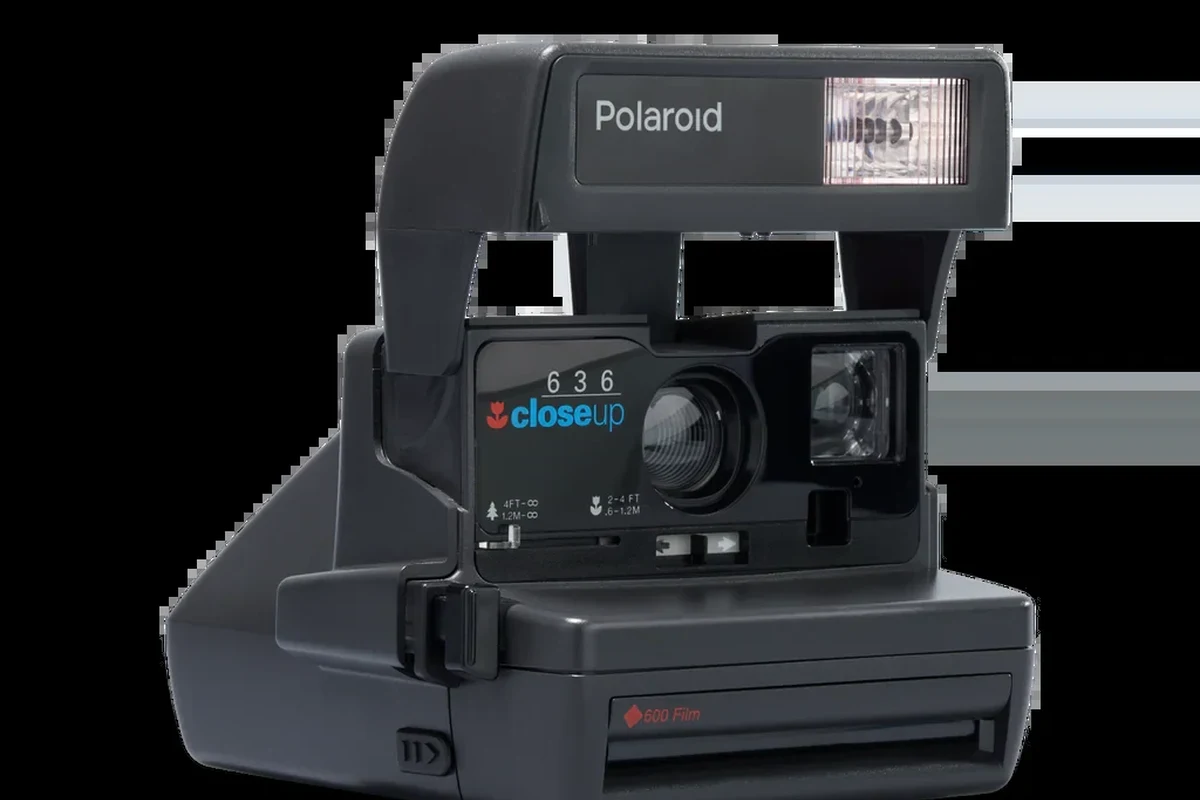
The short answer is yes, but only for the right buyer. The Polaroid OneStep Close Up camera makes sense if you want an instant camera that feels straightforward, produces tangible prints, and does not demand much setup or menu navigation.
It is less compelling if you care most about image control, low running costs, or dependable close-focus accuracy. Because instant film costs add up quickly, the real question is not just whether the camera is affordable, but whether you will enjoy the process enough to keep buying film.
Quick verdict and who should consider it
This camera suits casual users, gift buyers, scrapbookers, and anyone who likes the retro instant-photo experience. It is also a reasonable choice for parties and memory-making because the appeal is as much about the print itself as the image quality.
Buyers who want a simple, nostalgic instant camera and are comfortable trading advanced control for convenience and physical prints.
Main reasons people still choose instant film over digital
Instant film feels more deliberate than digital photography. You press the shutter, wait for the print to develop, and end up with a single physical keepsake instead of an endless camera roll.
That slower process is a feature, not a flaw, for many buyers. It can make parties, travel memories, and family events feel more memorable because each shot has a cost and a sense of occasion.
What the Polaroid OneStep Close Up Camera Is and How It Works
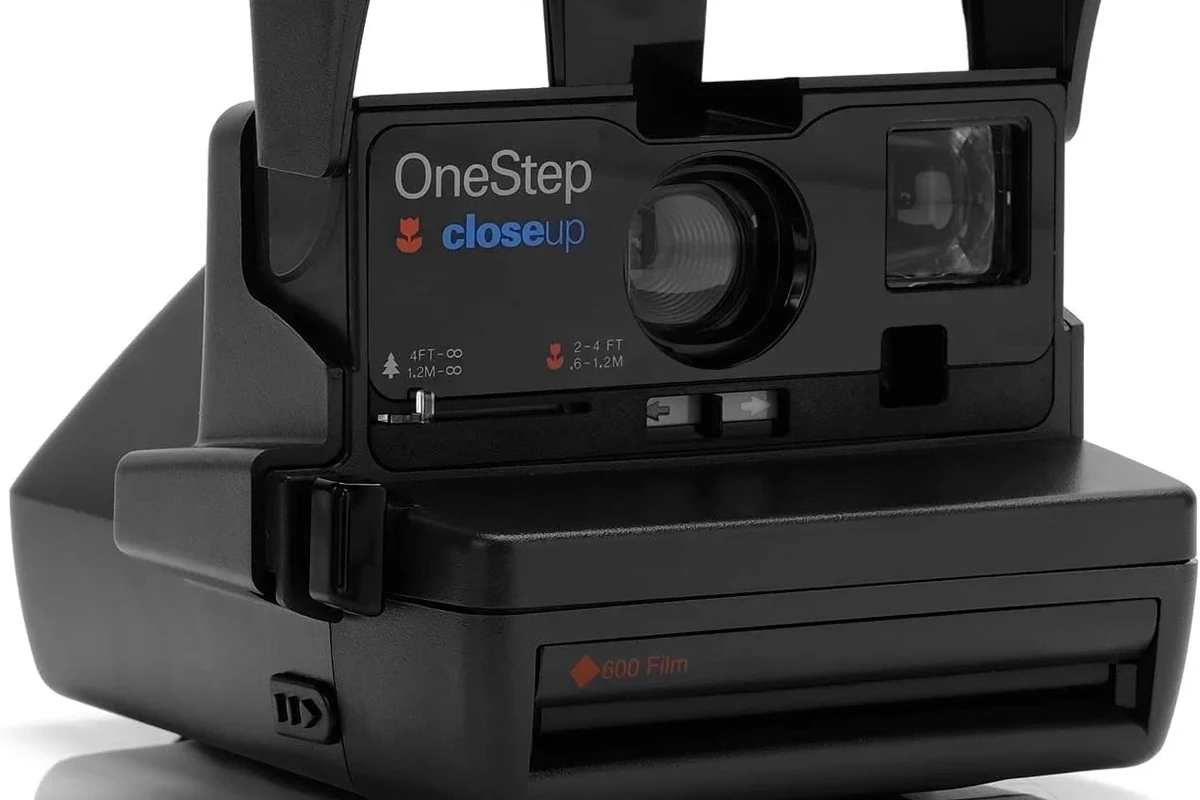
The OneStep Close Up is a classic-style instant camera designed to expose film and eject a print right after the photo is taken. Exact behavior can vary by version and film generation, so buyers should confirm the current product page and manual before purchase.
Instant film basics: loading, exposure, and print development
Instant cameras use film packs that serve as both the image medium and the print process. After loading the pack, the camera exposes the frame and pushes it out, then the image develops over time according to the film maker’s instructions.
That development time matters. The print may look faint at first, then gradually come into view, so you should avoid bending, crushing, or exposing it to harsh heat or direct sunlight while it develops.
Film handling, development time, and exposure sensitivity depend on the film type and the current Polaroid film instructions. Always confirm the pack compatibility and development guidance on the box or official manual.
Close-up mode explained and when to use it
The “close up” feature is intended to help with subjects that are nearer to the camera than a standard snapshot. In practice, this means portraits, tabletop objects, notes, crafts, and small details are the most likely use cases.
As with many simple instant cameras, close-focus performance is usually less precise than on a dedicated digital camera or a modern instant model with better focus control. If your subject is too close, the photo can turn out soft or poorly framed, so it helps to leave a little extra distance and read the manual’s focus guidance carefully.
For better results, keep your subject within the camera’s recommended close-focus range and avoid placing faces or objects extremely close to the lens unless the manual explicitly allows it.
How the camera compares to newer instant camera alternatives
Compared with newer instant cameras, the OneStep Close Up usually offers less control and fewer convenience features. Newer models may provide better exposure options, more predictable focus behavior, or app support, depending on the brand and model.
The tradeoff is that the OneStep Close Up often feels simpler and more iconic. If you want a camera that is easy to hand to guests at a party, that simplicity can be a real advantage.
Key Specifications and Buying Criteria to Check Before You Buy
Because product listings can differ by region, bundle, and production version, it is smart to verify the exact specs before buying. The most important checks are film compatibility, focus behavior, battery requirements, and overall condition if you are shopping used.
Film format, lens behavior, and focus range
Film format matters most because it determines both cost and compatibility. Instant-film systems are not interchangeable, and buying the wrong film pack is one of the easiest mistakes to make.
Lens behavior and focus range also matter because the camera’s simplicity means you have fewer tools to correct a missed shot. If you want portraits, detail shots, or table photos, the close-up mode needs to match your real use case.
Dimensions, portability, and carrying comfort
Portability is important because instant cameras are often brought to events, trips, and casual outings. A camera that feels too bulky or awkward may stay home, which defeats the purpose.
Check the camera’s dimensions and weight on the official product page or retailer listing before buying. If you plan to carry it in a small bag, also think about how much room the film packs and spare batteries will take.
Battery type, power needs, and expected operating limits
Battery requirements vary by model, so do not assume a used camera includes the right power setup. Confirm whether the camera uses a built-in rechargeable battery, disposable batteries, or another power arrangement, and follow the manufacturer’s instructions exactly.
Use only the battery type, charger, and cable specified by the manufacturer. Stop using the camera if the battery area is swollen, corroded, hot, or damaged, and do not attempt unsafe battery repairs.
Build quality, viewfinder usability, and flash performance
Build quality matters more than it may seem, especially if the camera will be passed around at events. A simple instant camera should feel sturdy enough for normal handling, but older or used units may have wear that affects the film door, buttons, or shutter response.
The viewfinder should be easy to align, but remember that basic instant cameras are not known for exact framing. Flash performance also deserves attention because indoor photos often depend on it, and weak lighting can quickly reduce image quality.
Who the Polaroid OneStep Close Up Camera Fits Best
This camera fits a buyer who wants an easy, physical-photo experience without a lot of technical setup. It is less about precision and more about mood, spontaneity, and the fun of handing someone a print.
Best for casual creators, gift buyers, and nostalgia-focused users
Casual creators often appreciate the camera because it encourages quick, low-effort snapshots. Gift buyers also like it because the product feels personal and playful, especially for birthdays, graduations, and holidays.
Nostalgia-focused users are another strong match. If you remember classic instant photography or simply like retro design, the OneStep Close Up has a clear emotional appeal.
Best use cases: parties, travel memories, scrapbooking, and events
At parties and events, the instant print is part of the entertainment. Guests can pose, receive a print, and take home a physical memory immediately.
Travelers and scrapbookers may also value the camera because the prints are ready to save, label, and display. Just remember that film packs are consumables, so the more you shoot, the more your ongoing cost rises.
Instant film is often chosen for its physical keepsake value, not just the image itself. That is one reason these cameras remain popular even when smartphone cameras are technically more capable.
Who may want a different instant camera instead
If you want better close-up control, more consistent exposure, or lower cost per shot, another instant camera may be a better fit. Digital hybrid instant cameras can also appeal to people who want to preview and select shots before printing.
Users who shoot often should especially compare film costs and feature sets. A more advanced model may be the smarter long-term purchase if you expect to use it frequently.
Real-World Benefits and Limitations of the OneStep Close Up
The value of this camera comes from how easy it is to understand. That simplicity is a benefit, but it also creates limits that matter once you start caring about consistency, lighting, and close-focus accuracy.
- Simple point-and-shoot operation
- Classic instant-film look and feel
- Physical prints you can share immediately
- Good fit for casual, social photography
- Film can be expensive over time
- Results may vary more than digital photos
- Low light can be challenging
- Close-up shots still require careful positioning
Strengths: simplicity, iconic look, and immediate physical prints
The biggest strength is ease of use. You do not need to learn a complex interface, and the camera’s appeal is obvious the moment you want a print in your hand instead of a file on your phone.
The iconic design also matters. For many buyers, the camera itself is part of the experience, and the retro styling is a major reason to choose it over more modern-looking alternatives.
Limitations: film cost, image consistency, and low-light performance
Film cost is the main ongoing drawback. Even if the camera price is reasonable, the total cost of ownership rises every time you buy another pack.
Image consistency is another limitation because instant film can be sensitive to lighting, distance, and handling. Low-light performance can also be uneven, so indoor shots may need the flash and careful subject placement.
If you are buying used, inspect the film door, battery contacts, lens area, and flash function before relying on the camera for important events. If anything looks damaged or inconsistent, verify return options before loading film.
Common mistakes that affect photo quality
One common mistake is shooting too close without confirming the close-up distance. Another is ignoring lighting, which can make prints look muddy or underexposed.
People also sometimes mishandle freshly ejected prints by stacking, bending, or exposing them to the wrong environment. Follow the film instructions carefully so the print can develop as intended.
Setup, Safe Use, and Film Handling Guide
Most setup issues with instant cameras come from film loading, power, and storage rather than complicated electronics. A careful first setup can prevent wasted film and reduce frustration later.
How to load film correctly and avoid exposure mistakes
Follow the camera’s loading instructions exactly so the film aligns properly and the dark slide or first-frame behavior works as expected.
Make sure the door is latched and the film pack is seated correctly to avoid jams or failed exposures.
Use your first frame to confirm the camera is ejecting properly before taking important pictures.
Safe battery use, inspection, and replacement guidance
Battery care should always follow the official manual. If the camera uses replaceable batteries, install the exact type recommended by the manufacturer and replace them as a set when instructed.
Inspect contacts for corrosion and avoid mixing old and new batteries unless the manual explicitly allows it. If a battery or compartment looks damaged, stop using the camera until it has been checked by the manufacturer or a qualified service provider.
Storage, temperature limits, and protecting unused film
Unused film should be stored according to the film maker’s temperature and humidity guidance. Heat, freezing conditions, and rough handling can all affect performance and print quality.
Keep film packs sealed until you are ready to use them, and avoid leaving the camera or film in a hot car, damp bag, or freezing outdoor environment.
Basic maintenance and cleaning for long-term reliability
Maintenance is simple but important. Keep the lens area clean, protect the film door from dust, and store the camera in a dry place when not in use.
Use a soft, dry cloth for exterior cleaning and avoid liquid cleaners unless the manufacturer specifically allows them. For any internal issue, consult the official support resources rather than forcing the camera open.
Value, Alternatives, and Final Recommendation
The best way to judge this camera is by looking at total ownership cost, not just the sticker price. Instant film is the recurring expense that matters most, and that cost can easily outweigh the camera itself over time.
Cost of ownership: camera price versus ongoing film expense
Because film is consumable, the camera makes the most sense for occasional use or intentional shooting. If you plan to shoot often, factor in how many packs you are likely to buy in a year.
Best alternatives for better close-up control or lower running costs
If your priority is better focus control, look at newer instant cameras with more adjustable shooting modes. If your priority is lower cost per image, a digital camera or a hybrid instant model may fit better because you can preview shots before printing.
For buyers who mainly want a fun social camera, the OneStep Close Up remains attractive. For buyers who want more technical flexibility, alternatives are likely the smarter choice.
- Check film compatibility, battery type, and close-focus distance in the official manual
- Confirm the return policy, warranty terms, and current support status before buying used
- Store film properly and follow temperature guidance to protect print quality
- Inspect the camera for damage, corrosion, and flash or door issues before relying on it
Transparent verdict: when the OneStep Close Up is a smart buy
The Polaroid OneStep Close Up is a smart buy if you want an easy, nostalgic instant camera and you accept the ongoing film cost. It is less ideal if you need precise close-up performance, strong low-light results, or the lowest cost per photo.
For the right buyer, its charm and simplicity are the point. For everyone else, a newer instant camera or a digital alternative may provide better value and more control.
Frequently Asked Questions
It is best for casual users, gift buyers, and anyone who likes the instant-film experience. It also works well for parties, scrapbooking, and travel memories.
Film compatibility depends on the exact camera version, so check the official manual or product listing before buying. Do not assume all Polaroid film packs will fit every model.
It can work for portraits if you stay within the recommended close-focus range. Results are usually better when you leave a little extra distance and use good lighting.
The main drawbacks are film cost, less consistent results than digital, and weaker performance in low light. Buyers who shoot often may want a more advanced instant camera instead.
Store unused film according to the film maker’s instructions for temperature and humidity. Keep it sealed until use and avoid heat, freezing conditions, and rough handling.
Check the battery compartment, film door, lens area, and flash function, and confirm return or warranty options if available. If the camera shows damage or corrosion, avoid relying on it for important photos.