Smart Plug Roof Patch Guide for Easy Home Repairs
If you’re searching for a smart plug roof patch, the first thing to know is that this is not a standard roofing term. In most cases, people mean a roof repair idea that combines a patching product with smart-home monitoring or power control, so the right choice depends on whether you need a weather seal, a monitored repair point, or both.
This guide explains what that phrase usually implies, how to evaluate compatibility, and when a simpler roofing repair or a separate smart-home device is the better move.
- Best fit: Homeowners who want both a physical repair and connected monitoring or control.
- Verify first: Roof material support, weather resistance, app requirements, and power limits.
- Safety matters: Do not use it for structural damage, active leaks, or unsafe electrical conditions.
- Value check: Extra smart features only help if you will actually use them.
Smart Plug Roof Patch Explained: What It Is and When It Makes Sense
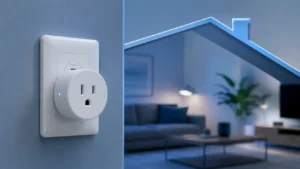
A smart plug roof patch is best understood as a repair concept rather than a universally defined product category. Depending on the model or retailer, it may refer to a patching solution for roof maintenance that includes connected features, or to a smart plug used to power related equipment near a roof area, such as attic ventilation or monitoring gear.
Direct answer: the best use cases for a smart plug roof patch in 2026
The best use case is a home setup where you want a roof-related repair point to do more than just seal damage. That might mean monitoring conditions, controlling a connected device nearby, or adding convenience to a maintenance workflow.
If you only need to stop a leak or cover damaged roofing material, a conventional roofing repair product is usually the more practical choice. If you want automation, alerts, or remote control, a smart-home-compatible solution may make sense as part of a larger system.
How this guide helps homeowners decide whether it fits their repair needs
Because product names vary so much, the safest approach is to compare the actual function, not just the label. This guide helps you sort out whether you need a patch, a smart plug, a sensor, or a combination of tools.
- Check the exact model name and what problem it is meant to solve
- Confirm roof-material compatibility, app requirements, and weather exposure limits
- Review warranty terms, return policy, and safety instructions in the manual
How a Smart Plug Roof Patch Works in a Home Repair Workflow
In a home repair workflow, the “smart” part usually adds control or monitoring, while the “patch” part addresses the physical repair. The two functions should be treated separately so you do not assume a connected feature can replace proper sealing, flashing, or roof maintenance.
Basic operating concept and where it sits in a smart home setup
If the product includes a smart plug function, it typically sits between an outlet and a compatible device, letting you power that device on a schedule or from an app. If the product is a roofing patch with connected features, those features usually work through a companion app, a hub, or a broader smart-home platform.
For readers already building a home automation setup, it helps to think of this as part of a larger ecosystem alongside devices like smart light switches and smart lights for home automation. The main difference is that a roof-related product must also stand up to weather, surface prep, and long-term exposure concerns.
Typical dimensions, fit considerations, and compatibility checks to verify
There is no single standard size for a smart plug roof patch, so fit depends entirely on the model. Verify the patch dimensions, the roof surface it is designed for, and whether it is intended for asphalt shingles, metal roofing, flashing gaps, or another repair area.
Compatibility checks should also include temperature range, UV exposure guidance, and whether the product is meant for temporary or more durable use. If a model includes a powered component, confirm the plug type, outlet access, and whether the device can be safely used outdoors or only in protected areas.
App requirements, connectivity needs, and setup steps to confirm before buying
Before purchase, confirm the app platform, operating system support, and whether the product needs Wi-Fi, Bluetooth, or a bridge device. Some smart-home products work only on 2.4 GHz Wi-Fi, while others rely on a hub or a specific ecosystem.
Also check whether the setup process requires an account, location permissions, or cloud access. If you prefer local control, that needs to be confirmed in the product documentation rather than assumed.
Who It Fits Best: Homeowners, DIYers, and Smart Home Users
This type of product is most useful for people who want a repair solution that also fits into a connected home routine. It is less useful for anyone who just wants the fastest path to a weatherproof seal.
Best-fit scenarios for quick repairs, monitoring, and convenience upgrades
It may fit best for homeowners who want to monitor a problem area after a repair, DIYers who like app-based reminders, or smart-home users who want to coordinate roof-related equipment with other devices. It can also be useful when access is awkward and you want fewer manual checks.
When a smart plug roof patch is not the right solution
It is not the right solution if the roof damage is structural, the leak is active and worsening, or the area needs professional flashing, shingle replacement, or electrical work. It is also a poor fit if the product’s smart features are unnecessary and only add cost or setup steps.
If your main goal is lighting or home automation rather than roof repair, a product in a more established category may serve you better, such as smart lights or a dedicated smart lighting system for home.
Skill level, time commitment, and safety awareness expected from users
Expect moderate DIY awareness at minimum. You should be comfortable reading a manual, checking surface prep instructions, and following weather and electrical safety guidance without improvising.
Key Specifications and Buying Criteria to Compare in 2026
Since product naming is inconsistent, the most useful way to compare options is by specs and verified documentation. Focus on the repair materials, the smart-home features, and the safety limits rather than marketing language.
Material quality, sealing performance, and weather resistance
For the patch portion, look for clear information about adhesion, UV resistance, temperature tolerance, and the roof materials it supports. If the product does not clearly state whether it is for temporary patching or longer-term repair, treat that as a warning sign.
Connectivity options, app ecosystem, and automation compatibility
Check whether the smart features work with your existing platform and whether they require a hub. Compatibility with Alexa, Google Home, or Apple Home varies by model, and some devices only support one ecosystem or a limited feature set.
If you rely on voice control or automations, verify the exact feature list in the official documentation instead of assuming it will work like other smart-home accessories. A product may connect to an app but still offer only basic scheduling or status reporting.
Power rating, load limits, and safe-use boundaries for powered features
If the product includes a powered component, such as a smart plug or a device that controls another appliance, verify the voltage, amperage, and load limits before use. Never exceed the manufacturer’s rated capacity, and do not assume outdoor use is safe unless it is explicitly stated.
Warranty details, replacement policy, and what to verify before purchase
Warranty terms matter more than many buyers expect, especially for products exposed to weather or used in demanding conditions. Confirm what is covered, what counts as misuse, whether outdoor exposure affects coverage, and how replacement claims are handled.
Also check whether the seller or manufacturer provides replacement parts, adhesive refills, mounting hardware, or app support updates. A product with unclear support can become a short-term fix instead of a dependable repair option.
Real-World Benefits and Practical Trade-Offs
The biggest appeal of a smart plug roof patch is convenience paired with visibility. The biggest drawback is that you may be paying for extra features when the job really needs a straightforward repair.
Convenience, remote control, and monitoring advantages
Connected features can make it easier to check status, set reminders, or switch a related device on and off without climbing into awkward spaces. That can be valuable for seasonal maintenance or for homeowners who prefer app-based oversight.
Time savings versus added complexity and cost
A smart feature may save time later, but it also adds setup steps, app management, and possible compatibility issues. If the repair is small and urgent, a simpler product may be the better value because it reduces the number of things that can fail.
Noise, maintenance, and long-term reliability considerations
If the product controls a nearby device, such as ventilation equipment, noise and maintenance can become part of the ownership experience. Long-term reliability will depend on weather exposure, adhesive performance, firmware support, and how often the connected features are used.
Evidence limits: what product claims should be treated cautiously
Claims about “permanent” sealing, “universal” compatibility, or “maintenance-free” operation should be treated carefully unless the manufacturer backs them with clear documentation. User experience can vary widely based on roof condition, climate, installation quality, and app version.
Setup Guide: Installation, Pairing, and First-Time Use
Because this category may combine repair and smart-home steps, setup should be approached in two phases: physical preparation first, then app pairing if the product includes connected features. Do not rush the surface prep, because that is usually what determines how well the repair holds up.
Preparation checklist for tools, surface cleaning, and roof inspection
Start with a careful inspection of the area to understand whether you are dealing with a minor patch job or a problem that needs professional attention. Clean only as directed by the manufacturer, and make sure the surface is dry and ready before applying any adhesive or patch material.
- Patch or repair material
- Any adhesive, mounting parts, or sealing accessories
- Manual, safety sheet, and app setup instructions if included
Step-by-step setup flow for app pairing and initial configuration
Common setup mistakes that reduce performance or safety
Common mistakes include applying a patch to a dirty or damp surface, skipping compatibility checks, overloading a powered component, or assuming the app will work the same way on every phone. Another frequent issue is placing too much trust in smart alerts and not checking the physical repair afterward.
Inspection guidance after installation and when to replace components
Inspect the area after the first rain or weather change, then continue checking it at regular intervals. If the patch lifts, the seal weakens, the app stops reporting correctly, or the powered component behaves unpredictably, replace or remove the affected part according to the manufacturer’s instructions.
Safety, Maintenance, and Storage Best Practices
Roof-related products face harsher conditions than most smart-home devices, so maintenance matters. Safe use depends on following the manual, watching for wear, and avoiding shortcuts when weather or electrical exposure is involved.
Safe-use limits, heat concerns, and weather exposure precautions
Do not exceed any stated temperature, moisture, or load limits. Heat, water, and UV exposure can shorten service life, weaken adhesives, and create electrical risks if the product includes powered parts.
Routine inspection schedule for seals, wiring, and mounting points
Check the seal, mounting points, and any exposed wiring on a regular schedule and after storms. If the product is part of a broader smart-home setup, also confirm that the app still reports correctly and that notifications are working as expected.
Cleaning, storage, and seasonal care to extend service life
Clean only with methods approved by the manufacturer, since harsh cleaners can damage adhesives or housings. If the product is seasonal or removable, store it in a dry place away from extreme heat, moisture, and direct sunlight when not in use.
When to stop using the product and call a professional
Stop using the product if you see active leaks, recurring separation, electrical damage, or any sign that the roof itself may be compromised. At that point, a licensed roofer or qualified professional is the safer next step.
Verdict: Value, Limitations, and the Best Alternative Paths
The smart plug roof patch idea only makes sense when the physical repair and the connected features are both clearly defined. If either part is vague, the product is probably too niche to be a reliable choice.
Who gets the most value from a smart plug roof patch
It offers the most value to homeowners who want a repair workflow with monitoring or remote control built in. It is also appealing to smart-home users who like centralized app control and are willing to verify compatibility carefully before buying.
Main drawbacks and decision points before purchase
The biggest drawbacks are unclear product definitions, possible compatibility limits, and the risk of paying for features you do not need. Before purchase, ask whether the product truly solves a roof problem, whether the smart features are essential, and whether the warranty matches the exposure conditions.
Alternative repair or smart-home solutions to consider
If your need is mostly roof repair, a traditional patching product or professional repair is usually the better path. If your need is smart control, a separate smart plug, sensor, or hub-friendly accessory may be easier to support and replace over time.
Transparent recommendation from Ethan Walker for GadgetMakersBlog readers
My recommendation is to treat a smart plug roof patch as a specialized option only after you confirm the exact product category, roof compatibility, and app support. For most readers, the best decision will be either a standard roofing repair solution or a separate smart-home device that does one job well.
Choose this type of product only if you need both a roof-related repair function and verified connected features. If the listing is vague, the safer and more useful alternative is usually a conventional repair product or a dedicated smart-home accessory.
Frequently Asked Questions
It usually refers to a roof repair idea that includes connected features or a smart plug tied to roof-related equipment. The exact function varies by model, so verify whether you need a patch, a smart plug, or both.
Not usually. Active leaks or structural damage often need a conventional roofing repair or a professional inspection rather than a smart-home accessory.
Confirm roof-material support, weather resistance, app requirements, network type, and any power limits for connected features. Also check warranty terms and whether the product is meant for indoor or outdoor use.
It depends on the model. Some products use Wi-Fi directly, while others require Bluetooth, a bridge, or a specific smart-home hub.
Inspect the seal, mounting points, and any wiring regularly, especially after storms. Clean only as directed by the manufacturer and replace damaged or unreliable components promptly.
Choose a different solution if you only need a basic roof repair, if the product’s smart features are unnecessary, or if compatibility is unclear. A standard roofing patch or a separate smart-home device is often simpler and more dependable.