

What Video Doorbell Is Better Than Ring for Your Home
The best video doorbell better than Ring is the one that fits your smart-home ecosystem, storage preference, and budget. For many homes, the strongest alternative is a model with local storage or better Apple Home/Google Home compatibility.
If you’re asking what video doorbell is better than Ring, the short answer is: the best choice depends on what you value most. For many homes, a stronger alternative is a doorbell that offers better local storage, tighter smart-home integration, or lower ongoing costs than Ring.
- Best overall: Choose a well-rounded alternative if you want fewer compromises on alerts, app use, and.
- No-subscription value: Local storage can lower long-term costs, but verify what features still require a paid.
- Ecosystem fit: Apple Home and Google Home users should prioritize compatibility over brand familiarity.
- Installation matters: Check transformer voltage, chime support, Wi-Fi strength, and mounting space before buying.
- Long-term care: Clean the lens, update firmware, and inspect batteries, cables, and mounts regularly.
What Video Doorbell Is Better Than Ring? Quick Answer and Best Alternatives for 2026
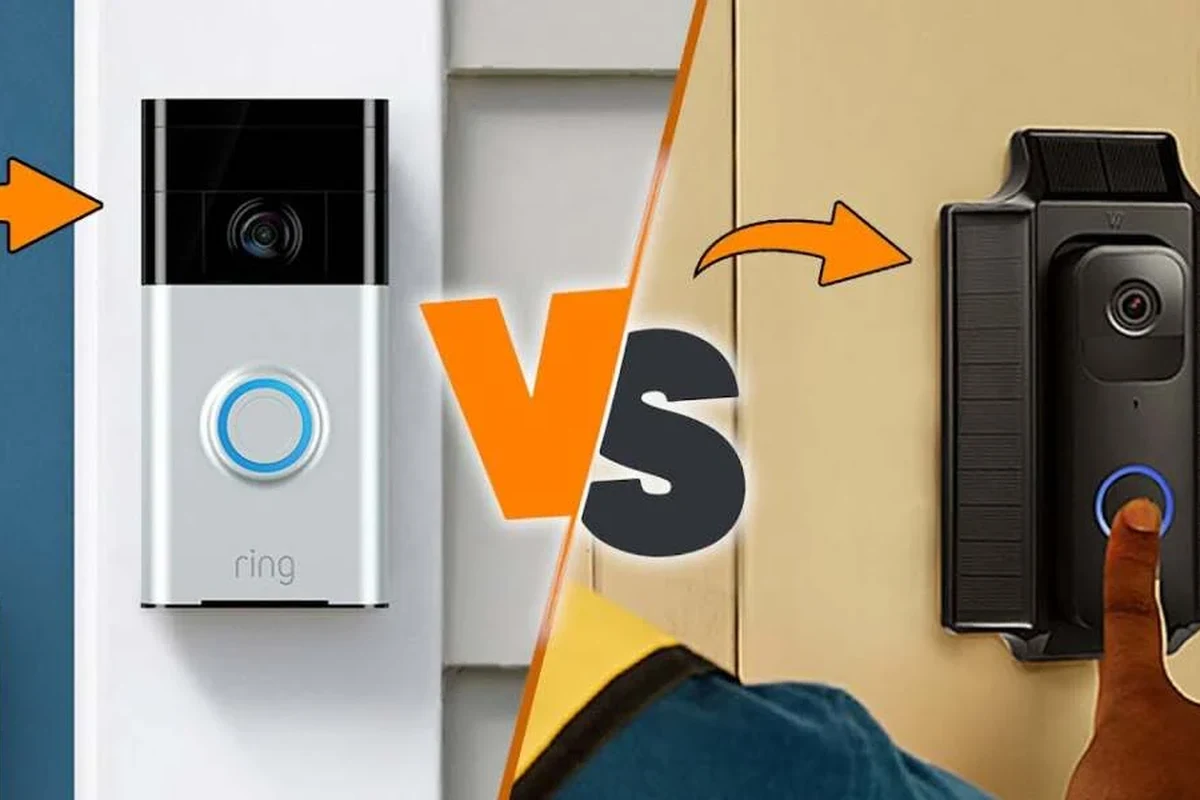
Ring is still a popular option because it has broad availability, a familiar app, and lots of model choices. But it is not always the best fit if you want fewer subscription requirements, stronger privacy controls, or easier use with Apple Home or Google Home.
In practical terms, the “better than Ring” doorbell is usually the one that matches your home setup and ecosystem. If you live in Apple’s world, a HomeKit-compatible model may feel better day to day; if you want to avoid recurring fees, a doorbell with local storage or a no-subscription feature set may be the smarter buy.
How We Judge a Better Video Doorbell Than Ring: The Criteria That Matter
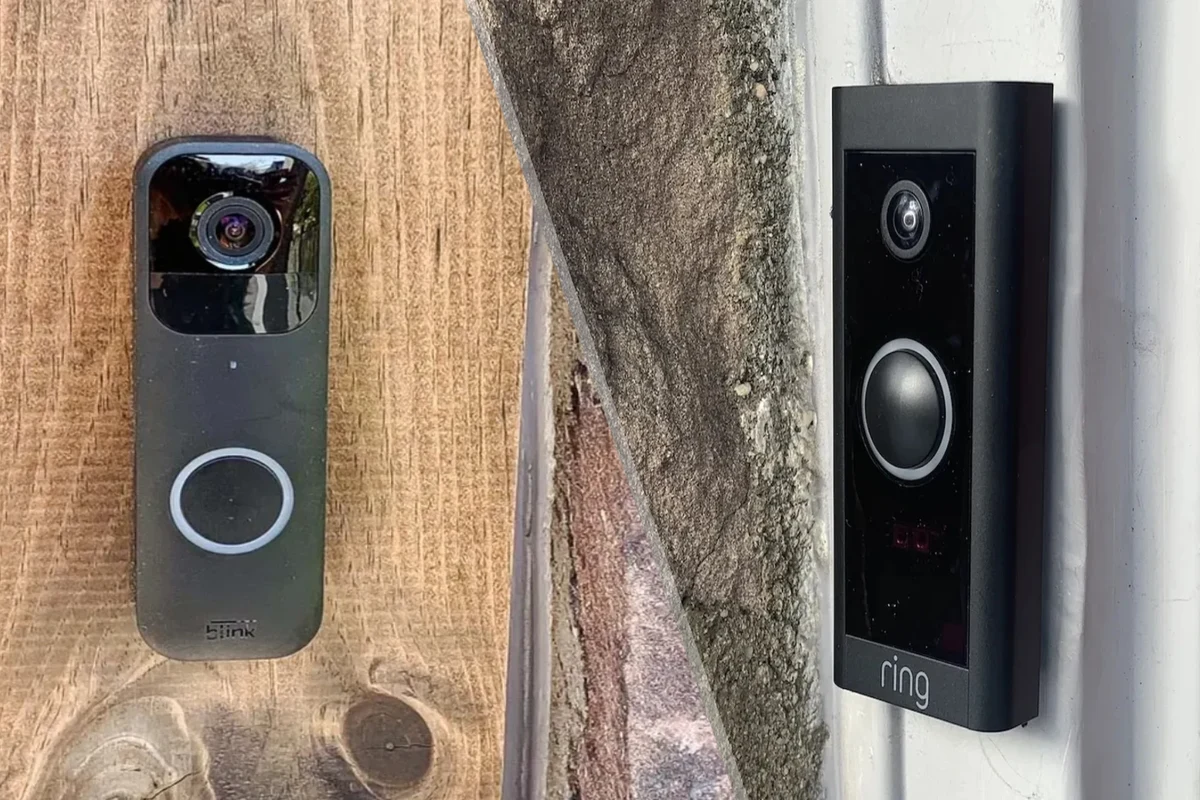
There is no single “best” Ring alternative for everyone. A better pick is the one that solves the pain point you actually have, whether that is subscription cost, app reliability, video clarity, or compatibility with your smart home.
Video quality, field of view, and low-light performance
A better doorbell should give you a clear view of faces, packages, and visitors at your doorstep. Look for strong resolution, a field of view that covers your entry area, and dependable night vision or low-light performance.
Keep in mind that real-world clarity depends on porch lighting, camera placement, Wi-Fi stability, and how the app compresses video. A model with excellent specs can still look mediocre if it is mounted too high or aimed at glare.
Power options, battery life, and wiring requirements
Some homes are better served by battery-powered doorbells, while others do better with hardwired models. Battery units are easier for renters and simpler to install, but they usually need periodic charging.
Hardwired models can be more convenient if your existing doorbell wiring is compatible, but you should verify transformer voltage, chime support, and installation requirements in the official manual before buying.
If you already have a wired chime, check whether the new doorbell supports it natively or needs a separate chime accessory. That small compatibility detail can affect both cost and convenience.
App experience, smart alerts, and smart home compatibility
The app matters as much as the camera. A better alternative should make it easy to review clips, adjust motion zones, mute notifications, and share access with family members.
If you use Alexa, Google Home, or Apple Home, verify current compatibility before you buy. Smart home support can vary by model, region, firmware version, and subscription tier, so the product page and official support docs are the safest references.
For readers comparing home-device ecosystems, it can help to think about compatibility the same way you would when choosing smart lights for Apple Home or deciding what smart lights work with Google Home: the best device is the one that fits your existing platform without extra friction.
Subscription costs, local storage, and long-term value
One of the biggest reasons people look for a Ring alternative is recurring cost. Some doorbells require a subscription for video history or advanced alerts, while others offer local storage or more useful features without a monthly plan.
Before you buy, check what happens after the trial period ends. A doorbell that looks inexpensive up front can become costly over time if essential features are locked behind a paid plan.
Privacy, security, and data handling
Privacy expectations differ from brand to brand. A better option may offer more transparent data controls, local recording options, or simpler permission settings for shared users.
For any connected doorbell, use a strong password, enable two-factor authentication if the app supports it, and keep firmware updated through the official app. Also review motion zones and sharing settings so you understand exactly who can see clips and alerts.
Privacy features and cloud-storage policies can change by firmware, app version, or region. Always confirm the latest details on the manufacturer’s support page before relying on a specific feature.
Top Video Doorbells That Can Beat Ring in Different Use Cases
Instead of naming one universal winner, it is more useful to match the alternative to the job. The best Ring replacement for a family home may not be the best one for a renter, and the best one for Apple users may not be the cheapest.
Best overall alternative for most homes
For many buyers, the best overall alternative is a well-rounded video doorbell from a major brand that combines solid app support, reliable motion detection, and flexible power options. The ideal model usually offers a balanced mix of video quality, smart alerts, and either local storage or a reasonable subscription structure.
The reason this type of doorbell often beats Ring is simple: it tends to reduce trade-offs. You may get a cleaner app experience, better ownership value, or stronger compatibility with your existing smart home setup.
Most households that want a balanced upgrade over Ring with fewer compromises on storage, alerts, or ecosystem support.
Best for no-subscription ownership
If you want to avoid monthly fees, prioritize a doorbell with local recording or meaningful on-device storage. This is especially appealing for budget-conscious homeowners, landlords, and anyone who prefers to keep more control over footage.
Just remember that “no subscription” does not always mean “no limitations.” You still need to verify clip length, storage method, app access, and whether advanced features require optional paid services.
Best for Apple Home users
Apple Home users should look for doorbells that support HomeKit or work cleanly with the Apple Home app. The best fit is usually the one that gives you reliable notifications, secure access, and a smooth experience with your iPhone, iPad, Apple TV, or HomePod.
If you want to understand how platform-specific compatibility affects other home devices too, our guide to what smart lights work with Apple HomeKit shows why ecosystem support matters so much in everyday use.
Best for Google Home and Nest ecosystem users
For Google Home users, the best Ring alternative is often a doorbell that integrates naturally with the Google ecosystem and offers dependable notifications, voice assistant support, and camera access on compatible displays.
If you already rely on Nest or Google Home devices, choosing a doorbell in that ecosystem can make daily use simpler than mixing brands and apps. Still, confirm whether the exact model supports the features you care about, since compatibility can differ across product lines.
Best budget-friendly alternative
A budget-friendly alternative should be affordable not just at checkout, but over time. That means checking whether the low price comes with limited storage, weaker motion features, or a subscription that erases the savings.
For many shoppers, the best budget choice is a basic doorbell that covers the essentials: live view, motion alerts, decent night vision, and a straightforward app. If you need more advanced package detection or richer smart-home features, expect to pay more.
- Can save money over time if it avoids mandatory subscriptions
- May fit Apple Home or Google Home better than Ring
- Some models offer local storage and simpler ownership
- Compatibility and feature sets vary widely by model
- Some alternatives have smaller app ecosystems than Ring
- Low-cost models may cut corners on alerts, video, or support
How These Doorbells Work: Setup, Connectivity, and Everyday Use
Most video doorbells follow the same basic pattern: connect to Wi-Fi, add the device in the app, choose motion settings, and mount it near your front door. The details, however, can vary enough to affect how easy the product is to live with.
Wi-Fi requirements, app setup, and installation basics
Doorbells need a stable Wi-Fi connection to send alerts and stream video. If your router is far from the front door, walls and exterior materials may weaken the signal, so placement matters.
During setup, follow the manufacturer’s pairing steps exactly and check whether the app requires a specific operating system version. If the doorbell is hardwired, shut off power at the breaker and follow the official installation instructions carefully.
If you are unsure about doorbell wiring, transformer compatibility, or electrical safety, use a qualified professional. Do not guess with household wiring or install a device that the manual says is incompatible.
Battery-powered vs hardwired models
Battery-powered models are usually the easiest for apartments, rentals, and homes without existing wiring. They are also useful when you want a simpler install, though you will need to recharge them based on your usage pattern and climate.
Hardwired models are often better for users who want fewer charging interruptions and more consistent power. They may also support features differently, so the same brand can behave differently depending on whether the unit is battery or wired.
Motion zones, person detection, and package alerts
Motion zones help reduce false alerts from cars, trees, sidewalks, and passing pedestrians. Person detection can make alerts more useful, but accuracy depends on camera angle, lighting, and software quality.
Package alerts are helpful for deliveries, yet they are not foolproof. Treat them as a convenience feature, not a guarantee, and still check the camera view and delivery notifications from your carrier.
Many motion problems are caused by placement, not the camera itself. A small change in angle or height can reduce false alerts more effectively than changing brands.
Who Should Upgrade From Ring, and Who Should Stay With It
Switching away from Ring makes sense when you have a clear reason: cost, ecosystem, privacy preferences, or a feature gap. If none of those are a problem, staying with Ring may still be the simplest option.
Best fit for renters, homeowners, and families
Renters often benefit from battery-powered models that install with minimal hardware changes. Homeowners with existing wiring may prefer hardwired models for convenience and a cleaner front-door setup.
Families should look for shared access, reliable notifications, and easy-to-understand app controls. If multiple adults need to manage the doorbell, a straightforward app can matter more than a long feature list.
When Ring still makes the most sense
Ring still makes sense if you already have Ring cameras, alarms, or accessories and want everything in one ecosystem. It can also be a practical choice if you are comfortable with its subscription model and like its app workflow.
For some buyers, the value is in familiarity. If the current setup works well and you do not need better privacy controls or a different smart-home platform, there may be no urgent reason to switch.
Limitations and trade-offs to consider before switching
The biggest trade-off is that every alternative has its own compromises. A no-subscription model may have weaker cloud features, while a premium smart-home model may cost more or require a specific ecosystem.
Before you switch, review app ratings, support documentation, warranty terms, and the current compatibility list. That extra step can prevent surprises after installation.
Common Buying Mistakes and Safety Checks Before You Buy
Many doorbell problems are avoidable if you check compatibility before checkout. The most common mistakes involve wiring, mounting space, weather exposure, and hidden ownership costs.
Checking transformer voltage, doorbell chime compatibility, and mounting space
If you are buying a wired model, confirm that your transformer meets the manufacturer’s requirements and that your existing chime is supported. Not every doorbell works with every chime, and some need a separate accessory.
Also measure the mounting area. A doorbell can be technically compatible but still awkward to install if the wall space is tight, angled, or obstructed by trim.
- Check the exact model number, power type, and app requirements
- Confirm transformer voltage, chime compatibility, and mounting clearance
- Review storage options, subscription terms, and privacy settings
- Verify weather resistance, temperature limits, and Wi-Fi strength at the door
Verifying weather resistance, operating temperature, and network strength
Outdoor electronics need to handle rain, heat, cold, and direct sun. Check the manufacturer’s weather-resistance guidance and operating temperature range before installing the device in a harsh location.
Strong Wi-Fi is just as important. If the signal is weak at the front door, consider a router placement change or a compatible network extender rather than assuming the camera is defective.
Avoiding hidden costs: subscriptions, accessories, and replacement parts
Some doorbells need extra accessories for chimes, angled mounts, or power support. Others may require a subscription for recorded clips, advanced alerts, or extended history.
Those extras can change the real price significantly. Read the product page carefully and confirm what is included in the box, especially if you are comparing a premium model to a budget one.
Maintenance, Care, and Long-Term Reliability
A good video doorbell should be easy to maintain over time. Regular care helps preserve video quality, reduce false alerts, and keep the device working reliably through seasonal changes.
Cleaning the lens, checking battery health, and updating firmware
Dust, pollen, spider webs, and rain spots can all affect image quality. Clean the lens gently with a soft, dry microfiber cloth and avoid harsh cleaners unless the manufacturer says they are safe.
If your model uses a battery, check its health and charging habits periodically. Also install firmware updates through the official app so you get bug fixes and security improvements when available.
Inspecting cables, mounting hardware, and power connections
For wired models, inspect cables and mounting points occasionally for looseness or wear. If anything looks damaged, stop using the device until it is checked or replaced according to the manufacturer’s instructions.
Mounting hardware can loosen over time from vibration, weather, or repeated door use. A quick inspection every so often can prevent alignment issues and unreliable motion detection.
Stop using damaged electronics, frayed cables, swollen batteries, overheating chargers, or unstable mounts and follow the manufacturer’s guidance before reinstalling or replacing anything.
Warranty details and what to verify before purchase
Warranty terms vary by brand, region, and retailer. Before you buy, confirm the warranty length, what it covers, and whether registration is required.
It is also smart to review return policy details in case the doorbell does not fit your wiring, chime, or Wi-Fi setup. That matters more than most shoppers realize.
Final Verdict: The Best Video Doorbell Better Than Ring for Your Home
The best video doorbell better than Ring is the one that solves your specific problem without creating a new one. For most homes, that means choosing a model with the right ecosystem support, a reasonable ownership cost, and installation requirements that match your wiring and Wi-Fi.
Transparent recommendation by budget, ecosystem, and security priorities
If you want the most balanced upgrade, look first at a well-supported alternative with strong app reliability and flexible storage choices. If you want the lowest long-term cost, prioritize a no-subscription model with local storage. If you live in Apple Home or Google Home, choose the doorbell that integrates cleanly with that platform even if it costs a little more.
Ring is not automatically the wrong choice, but it is no longer the default answer for everyone. The better buy is the one that fits your front door, your smart-home ecosystem, and your comfort level with ongoing fees and privacy settings.
For most buyers, the best Ring alternative is a doorbell that offers better ecosystem fit or lower long-term cost, not just a bigger feature list. Verify compatibility, subscription terms, and wiring support before you switch, especially if you want a smoother install and fewer surprises.
Frequently Asked Questions
A better choice depends on your ecosystem, storage needs, and budget. Many homes do well with a model that offers local storage, strong app support, and fewer subscription requirements.
It can be, especially if you want lower long-term costs and more control over recordings. Just verify what features are included without a plan, since some brands still lock advanced tools behind paid tiers.
The best option is usually a doorbell that supports Apple Home or HomeKit and offers reliable notifications. Always confirm current compatibility in the official product listing because support can vary by model and firmware.
A model with strong Google Home integration is usually the easiest fit. Check whether live view, notifications, and display support are available on your specific devices before buying.
Confirm transformer voltage, chime compatibility, mounting space, Wi-Fi strength, and whether the new model needs a subscription. It is also wise to review warranty terms and return policy in case the doorbell does not fit your setup.
Clean the lens, keep firmware updated through the official app, and inspect battery health, cables, and mounting hardware regularly. If you see damage, overheating, or a loose mount, stop using the device until it is checked or replaced.



One Comment