Which Wall Charger Is Best? A Simple Guide for Choosing the Right Charger
Which Wall Charger Is Best?
Choose the right charger by matching power, ports, compatibility, and safety—not by wattage alone.
The best wall charger is one that matches your device, supports modern charging standards, provides enough power, and includes strong safety features. For most people, a USB-C charger with Power Delivery support offers the best mix of speed, compatibility, and convenience.
The best wall charger depends on what you charge. A modern USB-C charger with Power Delivery, good safety certifications, and enough wattage for your devices is usually the best choice for most users.

Anker Prime 160W 3-Port GaN Charger
Short verdict: The strongest all-around choice here for laptop users who want premium power, a compact form, and useful charging feedback.
- 160W combined output
- Three USB-C charging ports
- Up to 140W from a single compatible port
- Smart display and dynamic power distribution
Best for: MacBook Pro users, mobile professionals, and anyone replacing several USB-C adapters.
Skip it if: You only charge one low-power phone or require legacy USB-A.
Check Price on Amazon →Confirm current compatibility, included accessories, seller, and availability on Amazon.
Quick Comparison: Our Premium Wall-Charger Picks
| Product | Best for | Key feature | Output | Amazon |
|---|---|---|---|---|
| Anker Prime | Best overall | Smart display | 160W max | View listing → |
| UGREEN Nexode Pro | Four-port setups | PD 3.1 + PPS | 160W max | View listing → |
| Satechi Travel | International travel | Travel adapters | 145W max | View listing → |
I’m Ethan Walker, and I regularly test smartphones, chargers, USB-C cables, power banks, laptops, batteries, gaming accessories, and smart home gadgets. In my experience, the best wall charger is not always the most powerful one. It is the charger that matches your devices, charges safely, and delivers reliable performance every day.
Introduction
Choosing a wall charger seems easy. Yet many people buy chargers that are too weak, too powerful for their needs, or missing important features.
The good news is that finding the right charger is simple once you know what to look for.
This guide explains the key features that matter and helps you choose the best charger for your devices.
What Makes a Wall Charger the Best?
A good charger should do more than supply power.
It should charge devices safely, support modern standards, and work with multiple gadgets.
The best charger balances speed, safety, compatibility, and convenience.
- Supports USB-C Power Delivery
- Provides enough wattage
- Includes safety protections
- Works with multiple devices
- Uses quality components
Most modern phones, tablets, and laptops now support USB-C charging, making charger selection much easier.
Wall Charger Types Compared
| Charger Type | Best For |
|---|---|
| USB-A Charger | Older devices |
| USB-C Charger | Most modern devices |
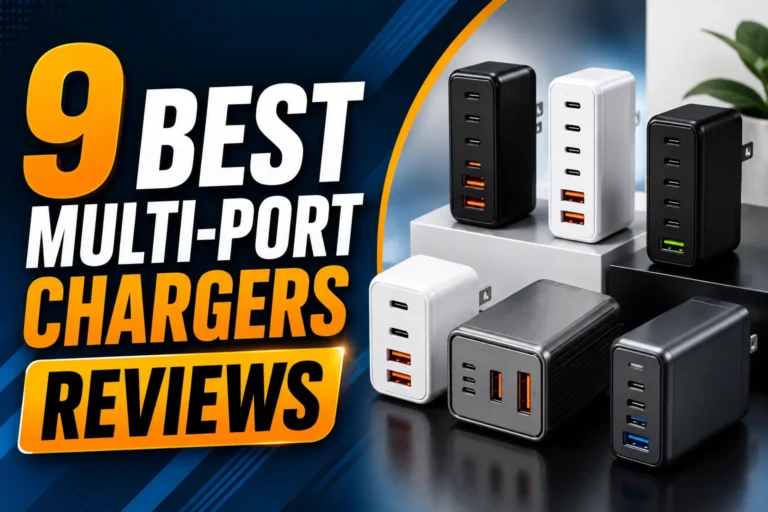
| Multi-Port Charger | Charging several gadgets |
| High-Watt Charger | Laptops and tablets |
| Travel Charger | Portable use |
How Much Wattage Do You Need?
Wattage is one of the most important factors when choosing a charger.
| Device Type | Typical Charging Needs |
|---|---|
| Wireless Earbuds | Low |
| Smartphones | Low to Medium |
| Tablets | Medium |
| Ultrabooks | Medium to High |
| Gaming Laptops | High |
A charger with more power than your device needs is usually safe because modern devices only draw the power they require.

UGREEN Nexode Pro 160W GaN USB-C Charger
Short verdict: A strong choice when port flexibility matters as much as laptop-class power.
- 160W maximum combined charging
- Four-port multi-device layout
- USB-C PD 3.1 and PPS support
- Designed for laptops, tablets, and phones
Best for: Users charging a laptop, phone, tablet, and accessory from one outlet.
Skip it if: You want a built-in display or need full output on every port simultaneously.
View Today’s Amazon Listing →Actual output depends on the selected ports, connected devices, and cables.
Why USB-C Power Delivery Matters
USB-C Power Delivery, often called USB-C PD, is one of the best charging technologies available today.
It helps devices charge faster while maintaining safety.
Many modern laptops, tablets, smartphones, and gaming devices now use USB-C Power Delivery.
Features to Look For
- USB-C Power Delivery support
- Safety certifications
- Overheat protection
- Overcurrent protection
- Reliable build quality
- Enough ports for your needs
Compatibility Guide
During charger testing, I often find that compatibility is more important than raw power. A charger that supports the correct charging standard usually performs better than one with higher wattage but poor compatibility.
Pros and Cons of Modern High-Quality Chargers
- Fast charging support
- Works with many devices
- Improved safety features
- Reduces cable clutter
- Good long-term value
- May cost more initially
- Not all devices support fast charging
- Some older gadgets require adapters
- Power needs vary by device
How to Choose the Best Wall Charger
List the gadgets you charge most often.
Verify whether your devices use USB-C, USB-A, or both.
Make sure the charger can provide enough wattage.
Select a charger with built-in protection systems.

Satechi 145W 4-Port GaN Travel Charger
Short verdict: The most useful choice in this group for international travelers carrying several USB-C devices.
- 145W maximum combined output
- Four USB-C charging ports
- Two USB-C PD 3.1 ports
- Interchangeable US, UK, EU, and AU adapters
Best for: Frequent international travel with laptops, tablets, and phones.
Skip it if: You need a tiny single-device charger or USB-A connectivity.
Check Availability on Amazon →Check the current listing for included adapters and device-specific charging support.
Troubleshooting Common Charging Problems
| Problem | Possible Solution |
|---|---|
| Slow charging | Use a charger with higher output |
| No charging | Check the cable and connector |
| Frequent disconnects | Inspect the cable for damage |
| Device overheating | Improve airflow and inspect accessories |
| Laptop not charging | Verify charger wattage requirements |
Safety Tips
Never use a charger with exposed wires, cracked housing, burn marks, or damaged plugs.
| Safety Practice | Benefit |
|---|---|
| Use certified chargers | Improves reliability |
| Replace damaged cables | Reduces risk |
| Keep chargers cool | Improves lifespan |
| Avoid overloading outlets | Enhances safety |
| Inspect accessories regularly | Prevents common failures |
Helpful resources include Apple Support, USB-IF, Battery University, FTC, and ENERGY STAR.
Frequently Asked Questions
A USB-C charger with Power Delivery support is usually the best option for most users.
Not always. The best charger provides enough power for your devices without paying for power you do not need.
Yes. Many modern chargers support phones, tablets, laptops, and other gadgets.
USB-C generally offers faster charging, better compatibility, and support for modern charging standards.
Look for safety certifications, quality construction, and built-in protection features.
A quality compatible charger is unlikely to damage a modern device when used correctly.
Many laptops require chargers with higher wattage and compatible charging standards.
Related Guides
- Do wall chargers work with all devices?
- Are wall chargers compatible with all devices?
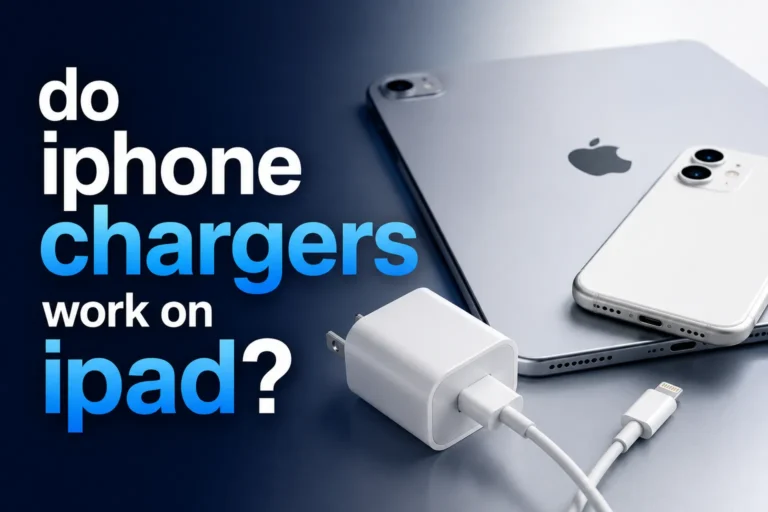
- Can wall chargers be used for iPhones?
- Are wall chargers safe?
- How many watts should a charger have?
Conclusion
So, which wall charger is best? For most people, a modern USB-C charger with Power Delivery support offers the best balance of speed, compatibility, and safety.
Choose a charger that matches your devices, includes safety protections, and provides enough power for your daily needs.
When in doubt, focus on compatibility and safety first. That approach will help you get reliable charging performance for years.
- USB-C Power Delivery is a great choice
- Compatibility matters more than maximum power
- Safety features are essential
- Modern chargers support many devices
- Quality cables improve charging performance
The best wall charger is one that safely matches your devices, supports modern charging standards, and delivers reliable power every day.
Final Recommendation
Choose the Anker Prime 160W for the strongest overall balance of compact size, laptop-class power, and smart charging information. Choose the UGREEN Nexode Pro 160W when you need four ports. Choose the Satechi 145W when international travel adapters are the deciding factor.
See Our Top Pick on Amazon →