Why Would Investing in Building Smart Lighting Fixtures Help Us
Smart lighting fixtures are worth investing in when you want better control, automation, and room-by-room comfort. They are less worthwhile if you only need basic lighting and do not plan to use the smart features.
Investing in smart lighting fixtures can make sense if you want better control, lower energy waste, and lighting that adapts to your routine instead of the other way around. The real value comes from choosing fixtures that fit your home, your ecosystem, and the features you will actually use.
- Best value: Homes that use lighting often and benefit from schedules, dimming, or voice control.
- Before buying: Check fit, ecosystem compatibility, hub requirements, and app support.
- Main payoff: Convenience and automation usually matter more than raw energy savings.
- Common risk: Weak Wi‑Fi, poor placement, or wrong dimmer pairings can cause problems.
Why Investing in Smart Lighting Fixtures Makes Sense in 2026
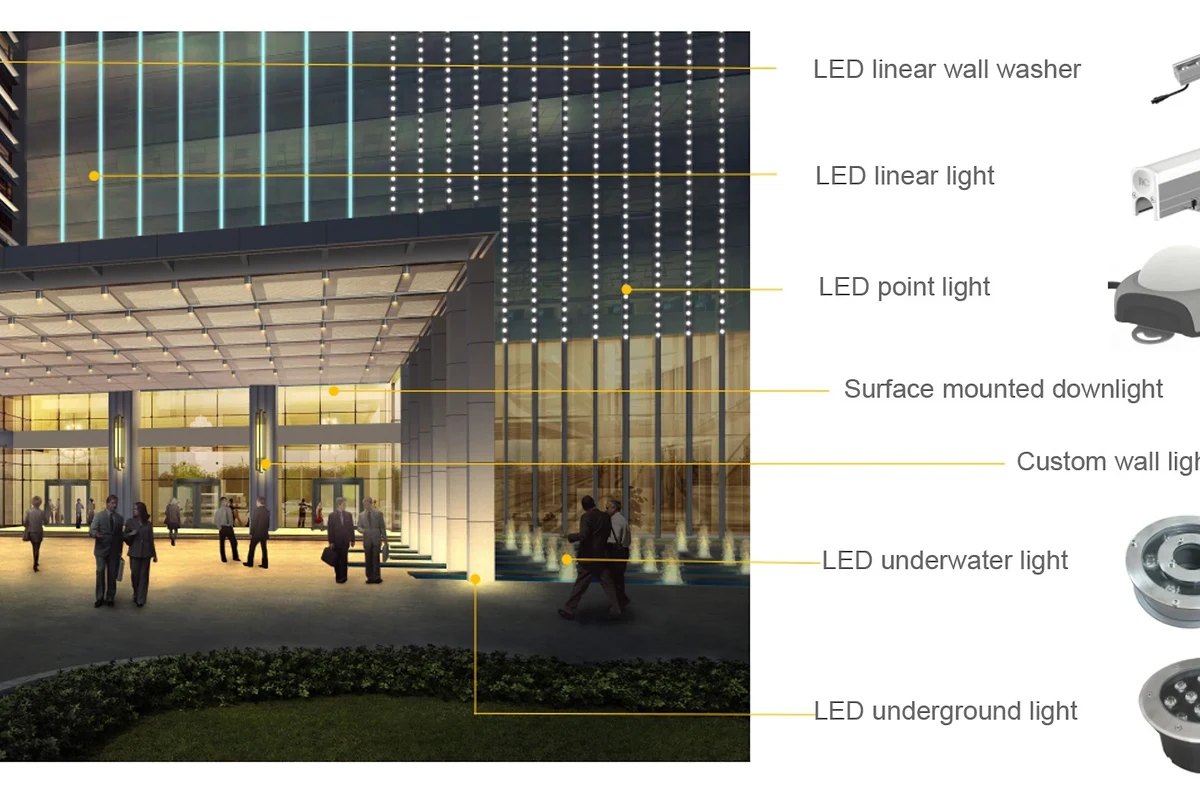
Direct answer: the biggest benefits at a glance
Smart lighting fixtures are worth considering when you want lighting that is easier to schedule, dim, automate, and personalize. They can also reduce everyday friction in busy homes by letting you control lights from an app, a voice assistant, or a routine.
How smart lighting improves convenience, efficiency, and control
Convenience is the biggest day-to-day advantage. Instead of walking room to room to switch lights, you can group fixtures, set schedules, or trigger scenes for reading, cooking, gaming, or winding down.
Efficiency matters too, but it is easy to overstate. Smart controls do not automatically guarantee huge savings; the savings usually come from better habits, such as turning lights off on time, dimming when full brightness is unnecessary, and using motion or occupancy-based automation in the right places.
Control is where smart fixtures often stand out over traditional lights. You can tune brightness and sometimes color temperature or color output, which helps the same room feel more useful across different tasks and times of day.
How Smart Lighting Fixtures Work
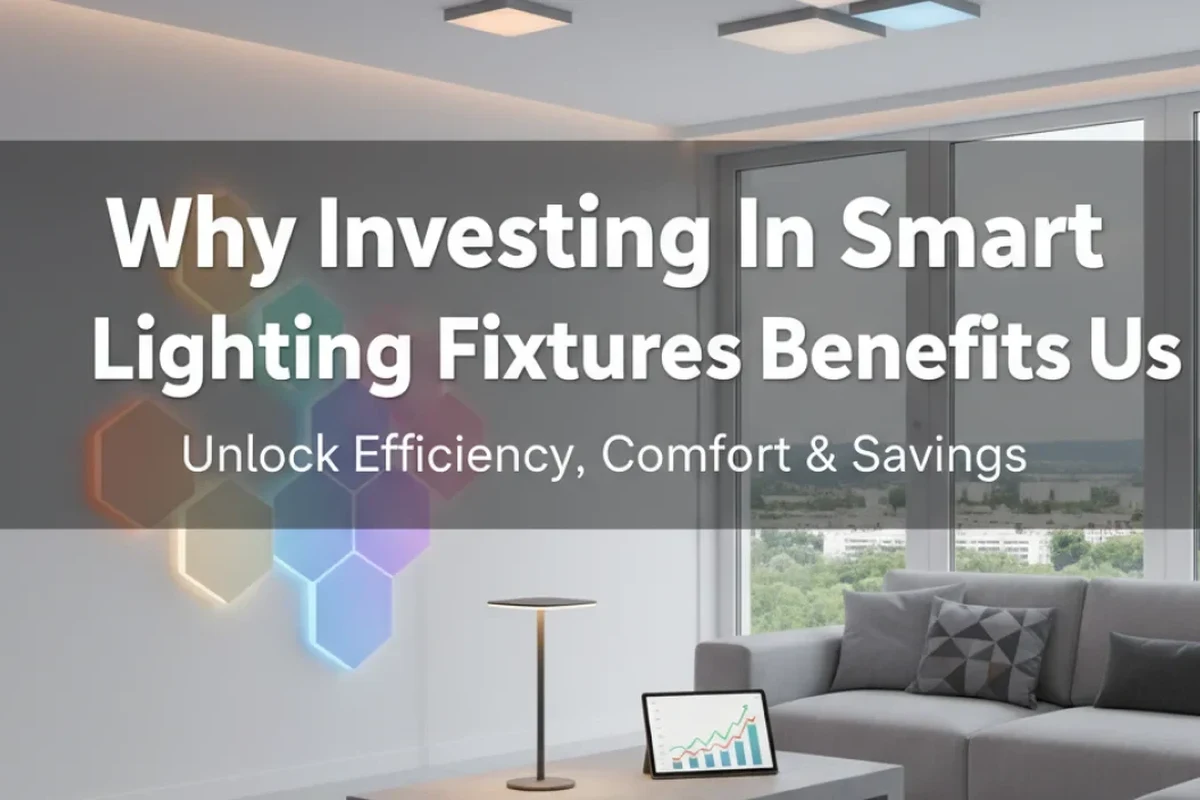
Core components: LEDs, controllers, sensors, and wireless modules
Most smart lighting fixtures combine efficient LEDs with a control module that handles dimming, color changes, and wireless communication. Some models also include built-in sensors for motion, ambient light, or presence detection, while others rely on a separate smart switch, hub, or app.
The exact design varies by model. A ceiling fixture, wall sconce, light strip, and bulb replacement all solve the same basic problem in different ways, so it helps to check whether you are buying a full fixture or a smart bulb-style product meant to fit an existing socket.
Connectivity options: Wi‑Fi, Bluetooth, Zigbee, and Matter support
Connectivity affects setup, reliability, and ecosystem compatibility. Wi‑Fi models often connect directly to your router, Bluetooth models may be simpler for one-room use, and Zigbee-based products usually need a compatible hub or bridge.
Matter support can improve cross-platform flexibility, but it still depends on the specific product, controller, and app support. Always confirm the manufacturer’s compatibility list before buying, especially if you already use Alexa, Google Home, or Apple Home.
For readers comparing ecosystem fit, our guide to do smart lights work with Alexa can help clarify what to verify before investing.
App, voice assistant, and automation basics
Most smart fixtures are controlled through a companion app that handles setup, firmware updates, scheduling, scene creation, and shared access. Voice assistants can add convenience, but they should be treated as one control layer, not the only one you depend on.
Automation is usually where smart lighting becomes genuinely useful. Common examples include sunrise wake routines, bedtime dim-downs, motion-triggered hallway lights, and vacation mode schedules that make a home look occupied.
Before buying, check whether the fixture needs a hub, a proprietary app, or a specific smart-home platform. That one detail often determines whether setup feels simple or frustrating.
Who Smart Lighting Fixtures Are Best For
Homeowners focused on energy savings and ambiance
Homeowners often get the most value because they can install fixtures in multiple rooms and build a consistent lighting plan. If you care about ambiance, layered lighting, and reducing wasted electricity, smart fixtures can support both comfort and long-term utility habits.
They are especially useful in frequently used spaces such as kitchens, living rooms, home offices, and bedrooms, where lighting needs change throughout the day.
Renters, families, and accessibility-minded users
Renters may prefer smart bulbs, plug-in lamps, or non-permanent solutions if they cannot replace fixtures. Families benefit from schedules, dimming, and simple controls that make bedtime, homework, and nighttime navigation easier.
Accessibility-minded users may appreciate voice control, remote access, and automation that reduces the need to reach switches or move through dark rooms. For many households, that practical benefit matters more than fancy color effects.
When smart lighting is less useful or unnecessary
Smart lighting is less compelling if you rarely adjust your lights, live in a small space with simple needs, or want the lowest possible upfront cost. It is also a weaker fit if your internet is unreliable and you do not want to manage apps, accounts, or firmware updates.
If all you need is a basic on/off light in a low-use area, a standard fixture may be the better value.
Key Specs and Buying Criteria to Check Before You Invest
Brightness, color temperature, color accuracy, and dimming range
Brightness determines whether a fixture is practical for task lighting, ambient lighting, or both. Color temperature matters because warm light feels more relaxing while cooler light is often better for focus, though preferences vary by room and person.
Color accuracy and dimming range are also important. Some smart lights dim smoothly and maintain good color quality, while others become uneven or shift color at lower brightness levels. Manufacturer claims can help, but the best check is the spec sheet and user manual for the exact model.
Fixture dimensions, bulb base type, and installation fit
Fit is one of the most overlooked buying criteria. Measure ceiling height, fixture clearance, junction box compatibility, and any mounting constraints before ordering, especially for flush mounts, recessed retrofits, and integrated LED fixtures.
If you are replacing an existing light, verify the base type, voltage requirements, and whether the fixture is designed for indoor, damp, or outdoor use. A good smart light is still a bad purchase if it does not physically fit your space.
- Confirm the fixture type, mounting method, and electrical compatibility for your room
- Check app requirements, ecosystem support, and whether a hub is needed
- Verify brightness, dimming behavior, and color options for your intended use
- Review warranty terms, firmware support, and replacement-part availability
App requirements, ecosystem compatibility, and firmware support
App quality can matter as much as hardware quality. A good fixture with a weak app may still feel inconvenient if pairing is unreliable, scenes are limited, or account setup is clunky.
Also check how long the manufacturer says firmware updates will be supported. Long-term support is important for security, bug fixes, and compatibility with newer phones, hubs, and voice assistants.
If you are building around a voice assistant, this guide on what smart lights work with Alexa can help narrow down compatible options.
Warranty length, replacement parts, and expected lifespan
Warranty terms vary widely, so read the official policy before you buy. For fixtures with integrated LEDs, replacement options may be limited, which makes build quality and support more important than they are with standard bulb-based setups.
Expected lifespan also depends on use, heat, dimming habits, and installation quality. A well-designed fixture should run cool enough for its intended location and have clear guidance for cleaning and maintenance.
Real-World Benefits: Where Smart Lighting Pays Off
Lower energy use and better scheduling habits
Smart lighting can reduce waste when it makes good habits easier to maintain. Timers, motion sensors, and room-based routines help prevent lights from staying on longer than needed.
This is especially helpful in hallways, bathrooms, garages, and shared spaces where lights are often forgotten. The biggest savings usually come from behavior change plus automation, not from the smart label alone.
Security, presence simulation, and motion-based automation
Smart lighting can support home security by making the home look occupied when you are away. Scheduled lighting changes, randomization features, and remote control can all help with presence simulation, though the exact tools depend on the model and app.
Motion-based automation is useful indoors and outdoors, but placement matters. A poorly placed sensor can trigger too often, miss movement, or create annoying false activations.
Security features vary by brand, firmware, and platform. If presence simulation or motion automation is important to you, confirm the exact feature list in the official manual before buying.
Comfort, productivity, and mood control across rooms
Lighting has a direct effect on how a room feels. Smart fixtures can make a home office brighter for focused work, soften a bedroom at night, or warm up a living room for relaxing without changing the hardware.
That flexibility is valuable for remote workers, gamers, creators, and anyone who uses the same room for multiple purposes. Instead of buying separate lamps for every mood, you can often adjust one fixture or scene to fit the moment.
Accessibility benefits for children, seniors, and mobility-limited users
Hands-free control can be a meaningful quality-of-life upgrade. Voice commands, wall control, automations, and app access can reduce the need to reach switches in dark or hard-to-access spots.
For children and seniors, predictable lighting schedules can also support safer nighttime movement. Just keep controls simple so the system remains easy to use for everyone in the home.
Limitations, Drawbacks, and Common Mistakes
Upfront cost versus long-term value
Smart fixtures usually cost more than basic lighting, and the premium is not always justified. If your household will not use scheduling, scenes, or app control regularly, the added cost may be hard to recover.
Think in terms of value, not novelty. The best purchase is the one that solves a recurring problem in your home.
Wi‑Fi dependence, app fragmentation, and compatibility issues
Some smart lights rely heavily on Wi‑Fi, which can be a problem in weak-signal rooms or crowded networks. Others require multiple apps, bridges, or accounts, which can make setup and troubleshooting more complicated than expected.
Compatibility issues are common when buyers assume “smart” means “works with everything.” It is better to verify the exact platform support than to rely on general marketing language.
For a broader buying perspective, our article on the best smart lighting systems for home is a useful place to compare ecosystem choices.
Overbuying features you will not use
Color-changing effects, advanced scenes, and premium automations can be fun, but they are not essential for everyone. Many buyers are better served by reliable dimming, simple schedules, and app stability.
If a feature will only be used once or twice, it should not drive the purchase decision.
Poor placement, weak network coverage, and incorrect dimmer pairings
Placement affects performance more than many buyers expect. Fixtures near thick walls, metal surfaces, or weak router coverage can be slower to respond or harder to pair.
Also avoid assuming any dimmer switch will work with any smart light. Incorrect dimmer pairings can cause flicker, buzzing, or reduced lifespan, so check the manufacturer’s guidance before installation.
Do not install or modify electrical fixtures beyond your skill level. If wiring, load limits, or dimmer compatibility is unclear, follow the manufacturer’s instructions and use a qualified electrician.
Safe Setup, Maintenance, and Long-Term Care
Installation safety, load limits, and when to use a qualified electrician
Always follow the fixture’s manual, local electrical codes, and the rated load limits for switches, dimmers, and circuits. If a fixture needs hardwiring and you are unsure about the wiring, stop and get professional help.
Never force a fixture into a box or mount it in a way the manufacturer does not approve. Good smart lighting should be installed safely first and conveniently second.
Heat management, inspection, cleaning, and firmware updates
Heat is one of the main things that affects LED longevity. Keep vents clear, avoid enclosing fixtures in ways the manufacturer forbids, and inspect for discoloration, looseness, or unusual behavior over time.
Cleaning should be gentle and dry unless the manual says otherwise. For connected fixtures, firmware updates can improve reliability and compatibility, so check the app periodically and only install updates from the official source.
Stop using a fixture that flickers unexpectedly, overheats, smells burnt, or shows damaged wiring, and follow the manufacturer’s safety guidance before turning it back on.
Storage, replacement guidance, and signs a fixture should be retired
If you store spare smart bulbs, controllers, or remotes, keep them in a dry place with the original packaging when possible. Avoid crushed boxes, moisture, and extreme heat.
A fixture should be retired if replacement parts are unavailable, the housing is damaged, the electronics are unstable, or the manufacturer no longer supports the app or firmware in a way that matters for your setup.
Final Recommendation: Is Building Smart Lighting Fixtures Worth It?
Best-value scenarios and the ideal buyer profile
Smart lighting fixtures are most worthwhile for people who want better routines, easier control, and lighting that adapts across different activities. They make the most sense in homes where lights are used often, schedules matter, or accessibility is a real concern.
They are also a strong fit for buyers who are willing to verify compatibility before purchase and who prefer convenience, automation, and ambiance over the lowest possible upfront price.
Transparent verdict: when to invest now and when to wait
Invest now if you already know which rooms would benefit from automation, dimming, or voice control, and you are comfortable checking app support, fit, and wiring requirements. Wait if your needs are basic, your network is unreliable, or you are not ready to manage smart-home setup and updates.
In short, smart lighting is a good investment when it solves a daily problem and integrates cleanly into your home. If it only adds features you will rarely use, a simpler fixture is the smarter buy.
Smart lighting fixtures are worth it for households that value automation, comfort, and better control over how each room feels and functions. The best choice is a model that fits your space, supports your ecosystem, and offers reliable basics before flashy extras.
Frequently Asked Questions
They can be if you will use scheduling, dimming, automation, or voice control regularly. If you only need basic on and off lighting, a standard fixture may be better value.
They can help lower waste by making it easier to turn lights off, dim them, or automate schedules. The savings depend more on your habits and setup than on the smart feature alone.
Verify the fixture size, mounting type, brightness, dimming behavior, app requirements, and compatibility with your smart-home platform. Also confirm whether a hub is needed and review the warranty and update support.
Many do, but support varies by model and platform. Check the official compatibility list for Alexa, Google Home, or Apple Home before you buy.
Common drawbacks include higher cost, app complexity, Wi-Fi dependence, and compatibility issues. Some models also require more setup than buyers expect.
Follow the manufacturer’s installation instructions, observe load limits, and stop using any fixture that overheats, flickers, or shows damage. Install firmware updates only through the official app or vendor guidance.