X-E1 Camera Review – Is It Still Worth Buying
The X-E1 camera is still worth considering if you want a compact used mirrorless body for still photography and manual control. Skip it if you need fast autofocus, strong video, or modern app features.
The X-E1 camera can still make sense in 2026 if you want a compact mirrorless body with tactile controls, good still-photo potential, and a low-cost entry into the used camera market. It is much less compelling for buyers who need fast autofocus, modern video, or app-heavy convenience.
- Best fit: Budget buyers, beginners, and hobbyists focused on still photos.
- Main drawback: Older autofocus and limited video features reduce versatility.
- Used-buy priority: Check battery health, screen condition, buttons, dials, and ports.
- Value rule: Buy only if the body price leaves room for a lens and spare battery.
X-E1 Camera Review: Is It Still Worth Buying in 2026?
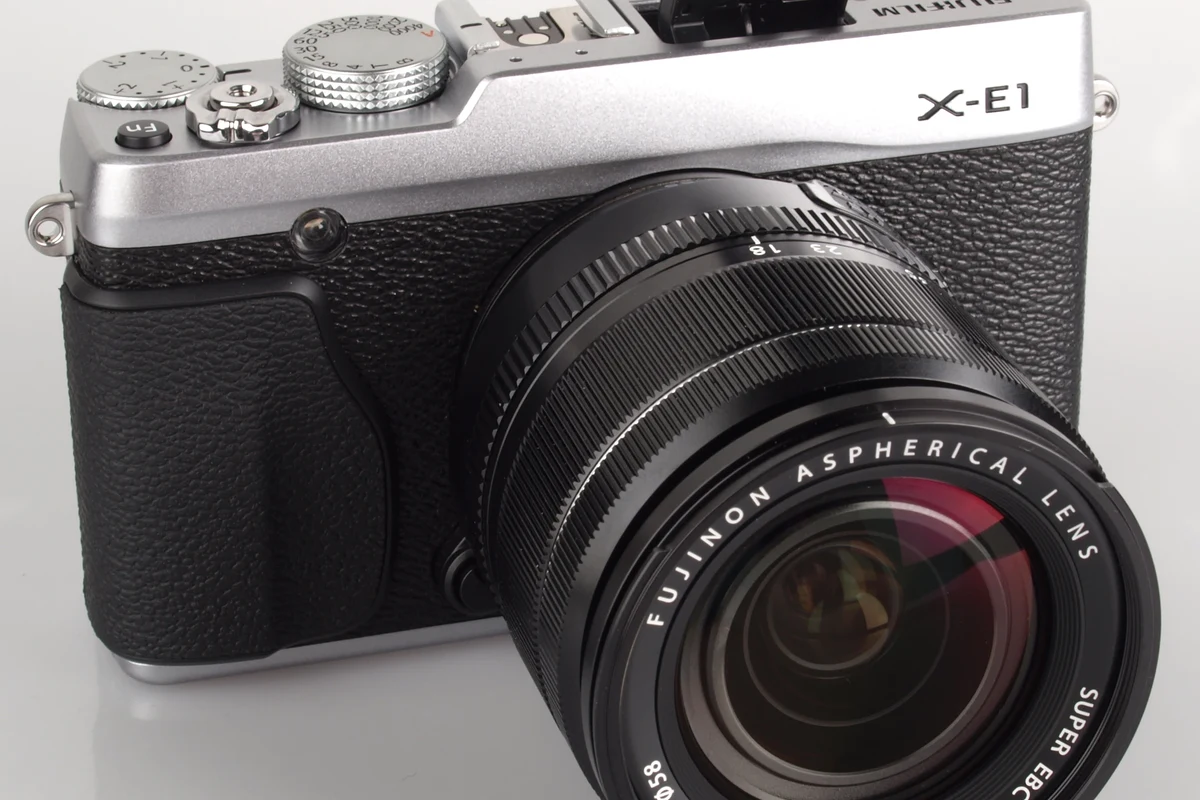
Quick verdict up front: who should consider the x-e1 camera now, and who should skip it
The X-E1 is best viewed as an older, manual-leaning mirrorless camera rather than a do-everything modern hybrid. For budget-conscious photographers, students learning exposure, and hobbyists who enjoy a classic control layout, it can still be a practical buy if the used unit is in good condition and priced fairly.
If you want quick subject tracking, dependable video tools, touchscreen-driven menus, or easy smartphone-style sharing, newer cameras will usually be a better fit. The biggest decision factor is not just the body itself, but whether you are comfortable working within an older feature set and pairing it with the right lens.
What the X-E1 Camera Is and How It Works
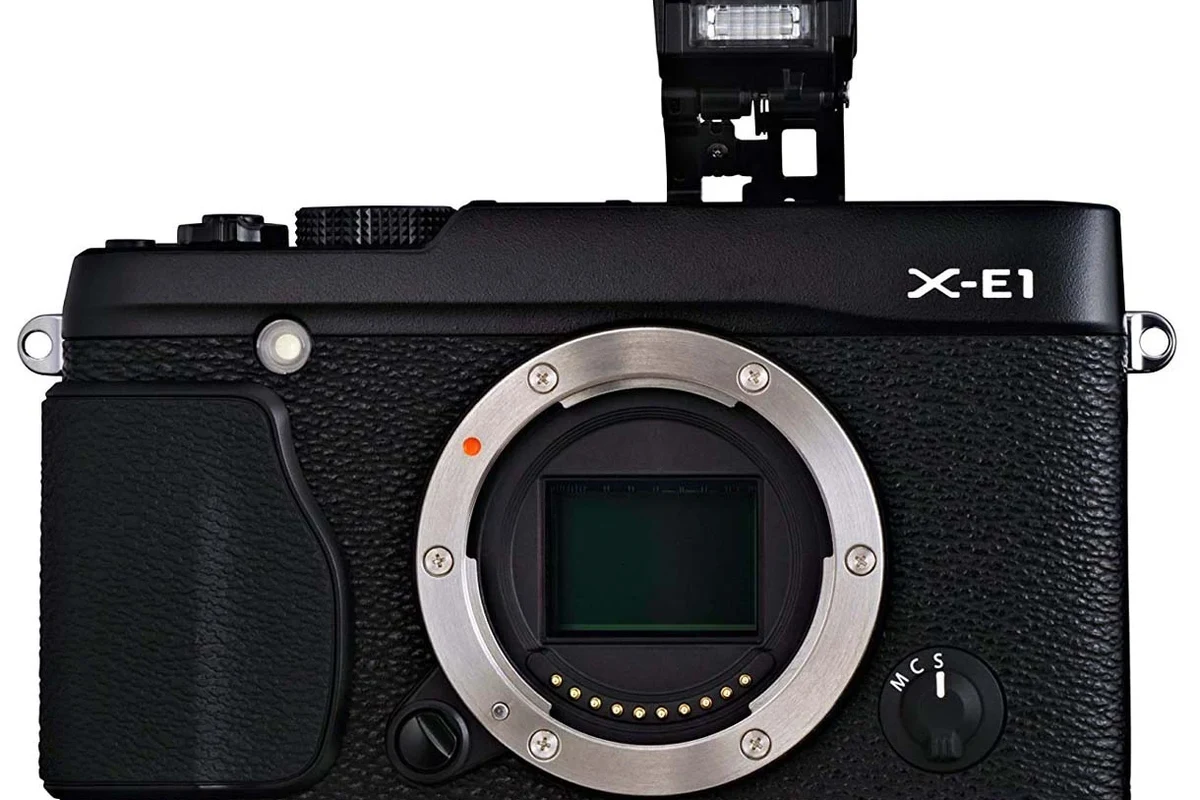
Core camera type, sensor format, lens mount, and image pipeline basics
The X-E1 is a mirrorless interchangeable-lens camera. In plain terms, that means it uses a digital sensor instead of film, and it can accept different lenses rather than being locked to one built-in lens.
Its appeal comes from the combination of a compact rangefinder-style body and a sensor-and-lens system that prioritizes still photography. Exact performance depends on the lens attached, the shooting mode selected, and the user’s comfort with manual settings.
Because the X-E1 is an older model, exact feature behavior can vary by firmware version, region, and the condition of the used body you are considering. Always confirm the official specifications and manual for the specific unit.
How its manual-focused design affects everyday shooting
The X-E1 is more rewarding when you treat it like a hands-on camera, not a point-and-shoot replacement. Dedicated dials and a straightforward body layout make it easier to learn aperture, shutter speed, and ISO relationships, but that same design can feel slower if you are used to modern automation.
For everyday use, that means you may spend more time thinking before pressing the shutter. Some buyers love that rhythm because it encourages deliberate photography; others find it inconvenient for fast family moments, pets, or travel snapshots.
X-E1 Camera Specifications That Matter Before You Buy
Sensor, ISO range, autofocus behavior, burst performance, and video limits to verify
Before buying, verify the sensor format, autofocus system, burst rate, and video capabilities in the official spec sheet for the exact body listing. Those details matter more than marketing language because they determine how the camera behaves in real use.
Older mirrorless bodies often have slower autofocus than newer models, especially in low light or when tracking moving subjects. Video support is also typically limited compared with current hybrid cameras, so creators who want frequent clips, vlogging, or social-first video editing should check the exact recording limits before purchasing.
Body size, weight, battery life, storage format, and connectivity considerations
The X-E1’s compact body is a major part of its appeal, especially for travel and street photography. Even so, the real-world convenience depends on battery condition, memory card support, and whether the camera’s connectivity features match how you plan to transfer images.
If you expect seamless wireless sharing or app-based remote control, confirm those features carefully rather than assuming they are present or modernized. Older bodies often rely more on card readers and direct file transfer than on polished companion apps.
If you plan to carry the camera often, budget for a comfortable strap, a spare battery, and a memory card reader. Those accessories can matter more than a small spec difference in daily use.
What to check in a used unit: shutter count, screen condition, buttons, dials, and ports
Used-camera shopping is where the X-E1 becomes most interesting and most risky. Ask the seller for shutter count if available, then inspect the screen for damage, the buttons and dials for wear, and the ports for looseness or corrosion.
Also check whether the battery door closes properly, whether the lens mount feels secure, and whether the hot shoe and card slot appear clean and functional. A bargain body can become expensive if the controls are sticky, the screen is damaged, or the camera has hidden reliability issues.
- Confirm the exact model and firmware version.
- Inspect the screen, dials, buttons, lens mount, ports, and battery compartment.
- Verify battery health, charger quality, and memory card compatibility.
- Check return policy, warranty status, and any seller notes about defects.
Who the X-E1 Camera Fits Best
Ideal users: beginners learning exposure, hobbyists, street shooters, and budget buyers
The X-E1 fits buyers who want to learn photography fundamentals with a camera that encourages intentional shooting. Beginners can benefit from the tactile controls, while hobbyists and street photographers may appreciate the small size and discreet look.
Budget buyers also have a reason to consider it, especially if they are willing to shop carefully in the used market and pair the body with an affordable lens. The camera is most appealing when the goal is image-making, not the latest convenience features.
Photographers who want a compact, manual-friendly mirrorless body and do not need modern autofocus or video performance.
Who may be disappointed: fast-action shooters, video-first creators, and app-dependent users
If you shoot sports, pets, children in motion, or events with unpredictable action, newer autofocus systems will usually serve you better. The same is true for creators who rely on advanced video tools, quick wireless sharing, or deep app integration.
For those users, the X-E1 may feel more limiting than charming. It can still make good photos, but the workflow may be slower than what modern creators expect.
Real-World Benefits of the X-E1 Camera
Image quality, color rendering, tactile controls, and compact portability
One reason the X-E1 remains discussed is that older mirrorless cameras can still produce pleasing still images when paired with a good lens and careful exposure. Many buyers are drawn to the camera’s color rendering, straightforward handling, and the sense of control offered by physical dials.
Its compact portability is also a real advantage. A smaller body can be more likely to leave the house, which matters more than having a feature-packed camera that stays on a shelf.
For many photographers, the lens has a bigger effect on the final image than the camera body alone, especially with older mirrorless systems.
Why its straightforward build still appeals in 2026
There is still a market for cameras that do a few things well and avoid app clutter. The X-E1’s simpler approach can feel refreshing if you want to focus on composition and exposure instead of menus, subscriptions, or constant firmware-driven feature chasing.
That simplicity also makes it easier to recommend as a learning tool. You are less likely to be distracted by automation, which can help you understand what each setting actually changes.
- Compact and easy to carry
- Hands-on controls encourage learning
- Can still be attractive for still photography
- Older autofocus and video limitations
- Used-condition risk is significant
- May need extra lenses and batteries to be practical
Limitations, Trade-Offs, and Common Buying Mistakes
Autofocus speed, older interface, limited video features, and low-light compromises
The biggest trade-off with the X-E1 is that it reflects an older generation of camera design. Autofocus can feel dated, the interface may not be as streamlined as newer bodies, and low-light performance may not match more recent options.
That does not make it a bad camera. It does mean you should buy it for the right reason: still photography, learning, or style, not for all-purpose modern versatility.
Common mistakes: overpaying, ignoring lens costs, and buying without checking battery health
One of the most common mistakes is overpaying because the camera has a cult following. A body-only deal can look attractive until you factor in lenses, a charger, a spare battery, and possibly a card reader.
Another mistake is assuming the included battery is healthy. Aging batteries are common in used cameras, and a weak battery can make the whole kit frustrating from day one.
Stop using any camera battery that is swollen, leaking, unusually hot, or physically damaged. Follow the manufacturer’s battery and charger guidance, and avoid questionable third-party power accessories.
Evidence limits: why this review relies on specifications, owner reports, and market context rather than first-hand testing
This guide is based on published specifications, widely reported owner feedback, and current used-market context, not first-hand testing. That matters because real-world condition varies widely on older cameras, and a well-kept unit can perform very differently from a heavily worn one.
For that reason, the best next step is to compare the seller’s photos, the stated condition, and the official manual before you buy. If any detail is unclear, ask for more information rather than assuming the camera is in good shape.
Setup, Care, and Safe Use Guide for the X-E1 Camera
Initial setup checklist: battery, memory card, date/time, firmware, and lens mounting
Start by fully charging the battery with a known-good charger, then insert a compatible memory card and set the date and time. If the camera supports firmware updates, check the manufacturer’s support page and update notes so you know whether an update is relevant for your body and lens combination.
Mount the lens carefully and make sure the lens release clicks into place. If you are new to mirrorless cameras, read the official manual before forcing any control or accessory.
Charge the battery, confirm the charger is in good condition, and use a compatible memory card.
Adjust date, time, image quality, and basic exposure settings before your first outing.
Align the mount marks and secure the lens gently without forcing the mechanism.
Storage and maintenance: cleaning the sensor, protecting the mount, and keeping the body dry
Store the camera in a dry place with the body cap or lens attached, and keep dust away from the mount when swapping lenses. If the sensor needs cleaning, follow the official manual or use a qualified service provider rather than improvising with unsafe tools.
A soft brush, a clean bag, and careful handling go a long way. For older equipment, preventing damage is often easier than repairing it.
Do not use a camera that shows liquid damage, a cracked screen, a loose lens mount, or a battery compartment that will not close securely. Confirm safe operation before relying on it for important trips or events.
Battery and charger guidance: inspect for swelling, verify charger quality, replace aging batteries, and avoid unsafe third-party power accessories
Battery health matters more on older cameras because capacity naturally declines over time. Inspect batteries regularly, replace aging packs when runtime drops sharply, and use only chargers that match the battery type and manufacturer guidance.
Avoid cheap power accessories with unclear specifications. If a charger or cable runs unusually hot, smells odd, or behaves inconsistently, stop using it and replace it with a verified alternative.
Keep one spare battery charged if you plan to shoot for more than a short session. That small backup can make an older camera much easier to live with.
Value, Alternatives, and Final Recommendation
How the X-E1 compares with newer entry-level mirrorless options and used-market alternatives
Compared with newer entry-level mirrorless cameras, the X-E1 usually loses on autofocus, video, and convenience. Where it can still compete is in price, compactness, and the experience of using a more tactile camera for still photography.
Used-market alternatives may offer better battery life, faster focus, or newer connectivity, so the X-E1 should be judged against your actual priorities rather than against nostalgia. If you need wireless-first workflows, compare it carefully with newer bodies before committing.
| Option | Best For | Key Consideration |
|---|---|---|
| X-E1 | Learning photography and budget stills | Older autofocus and limited video |
| Newer entry-level mirrorless body | Hybrid photo and video use | Usually costs more, but is easier for fast shooting |
| Another used mirrorless alternative | Shoppers comparing value | Check battery health, lens ecosystem, and condition carefully |
Final verdict: best-value scenarios, pricing thresholds, and whether it is still worth buying in 2026
The X-E1 is still worth buying if you find a clean, well-priced used unit and you mainly want a compact camera for still photography, learning, or casual creative work. It is not the best choice if you want modern speed, advanced video, or app-centric convenience.
My overall recommendation is simple: buy it only when the body condition is strong, the battery situation is acceptable, and the total kit price leaves room for a lens and spare power. If those boxes are not checked, a newer used mirrorless camera will usually be the smarter long-term purchase.
The X-E1 camera can still be a worthwhile used buy for photographers who value compact size, manual controls, and a slower, more deliberate shooting experience. Skip it if you need fast autofocus, modern video, or a camera that feels current out of the box.
Frequently Asked Questions
It is best for budget buyers, beginners learning exposure, and hobbyists who want a compact still-photo camera with manual controls. It is less appealing if you need modern autofocus or strong video features.
Check the screen, buttons, dials, ports, lens mount, battery compartment, and any visible wear. If possible, confirm shutter count, battery health, and return policy before you buy.
It is generally not the best choice for video-first creators because older mirrorless bodies usually have limited recording features. Verify the exact video limits in the official specifications if video matters to you.
The best lens depends on whether you want portraits, street photography, or travel use. Since lens choice affects results more than the body alone, confirm mount compatibility and budget for the lens separately.
Store it in a dry place, protect the mount from dust, and keep the battery and charger in good condition. Follow the official manual for cleaning and avoid using damaged batteries or accessories.
Yes, if you want an affordable used camera for still photography and are comfortable with older features. No, if you want fast autofocus, modern video, or easy app-based convenience.