Tactacam Scope Camera Review for Hunters and Shooters
The Tactacam scope camera is a good fit for shooters who want to record through their optic for review or sharing. It is worth considering only if you verify scope compatibility, mounting fit, and the included accessories first.
The Tactacam scope camera is a niche accessory for hunters and shooters who want to record through an optic instead of filming from the side. It can be a smart buy if you care most about shot documentation, training review, and simple field recording, but it is not the best fit for everyone.
- Best use: Dedicated shot review and optic-based footage.
- Main buying check: Exact scope compatibility matters more than headline specs.
- Biggest trade-off: Setup quality strongly affects video clarity and stability.
- Alternative choice: Action cameras work better for general-purpose recording.
Tactacam Scope Camera Review for Hunters and Shooters: Is It Worth It in 2026?
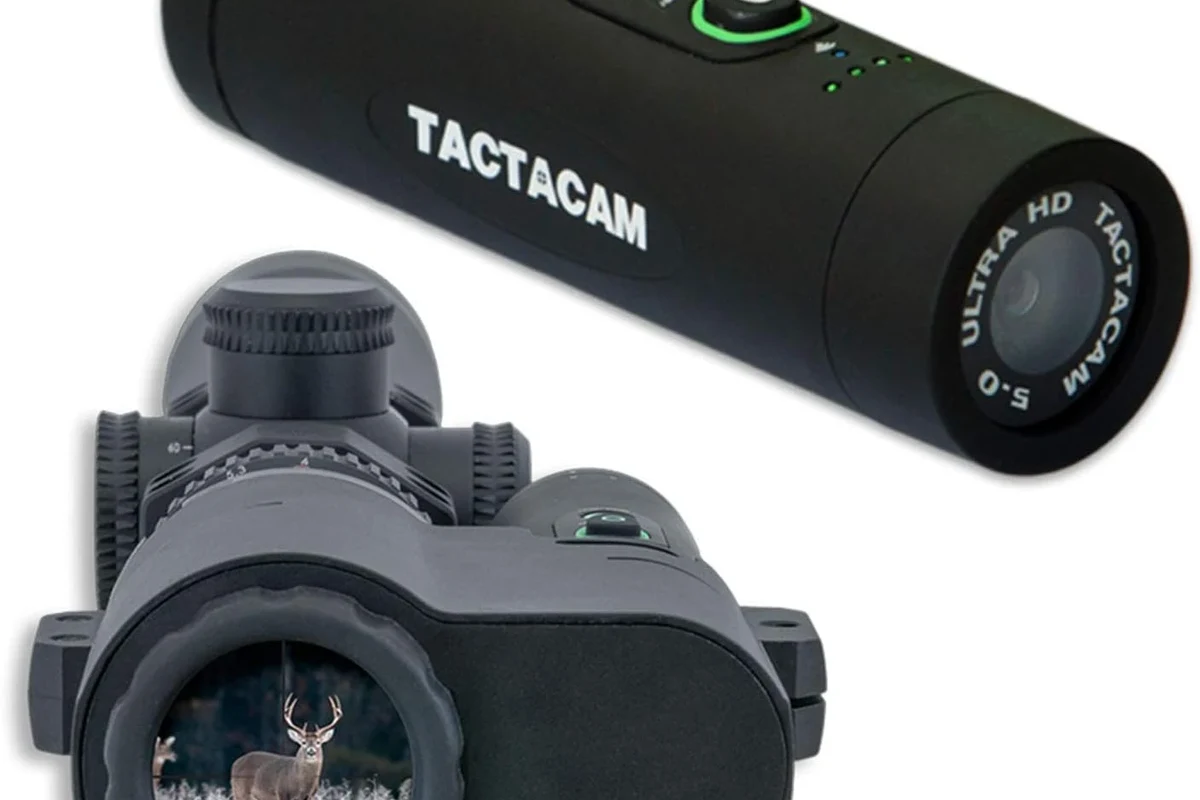
Quick verdict: what the Tactacam scope camera does well, who it is best for, and who should skip it
In practical terms, a scope camera is meant to capture what you see through the optic, which makes it more specialized than a general-purpose action camera. That specialization is the main reason people look at Tactacam models: they are designed around shooting use cases, not around vlogging, hiking, or room-wide recording.
- Records from the shooter’s perspective through the optic
- Useful for reviewing shots, form, and target alignment
- More purpose-built than a phone clamp or improvised mount
- Compatibility can depend on scope size and model
- Video quality and stability are highly setup-dependent
- Less versatile than an action camera for everyday use
Best fit: hunters, range shooters, instructors, and content creators who want optic-based footage for review or sharing. Skip it if you want a single camera for all sports, if your optic setup changes often, or if you are not willing to verify mount compatibility before buying.
How the Tactacam Scope Camera Works
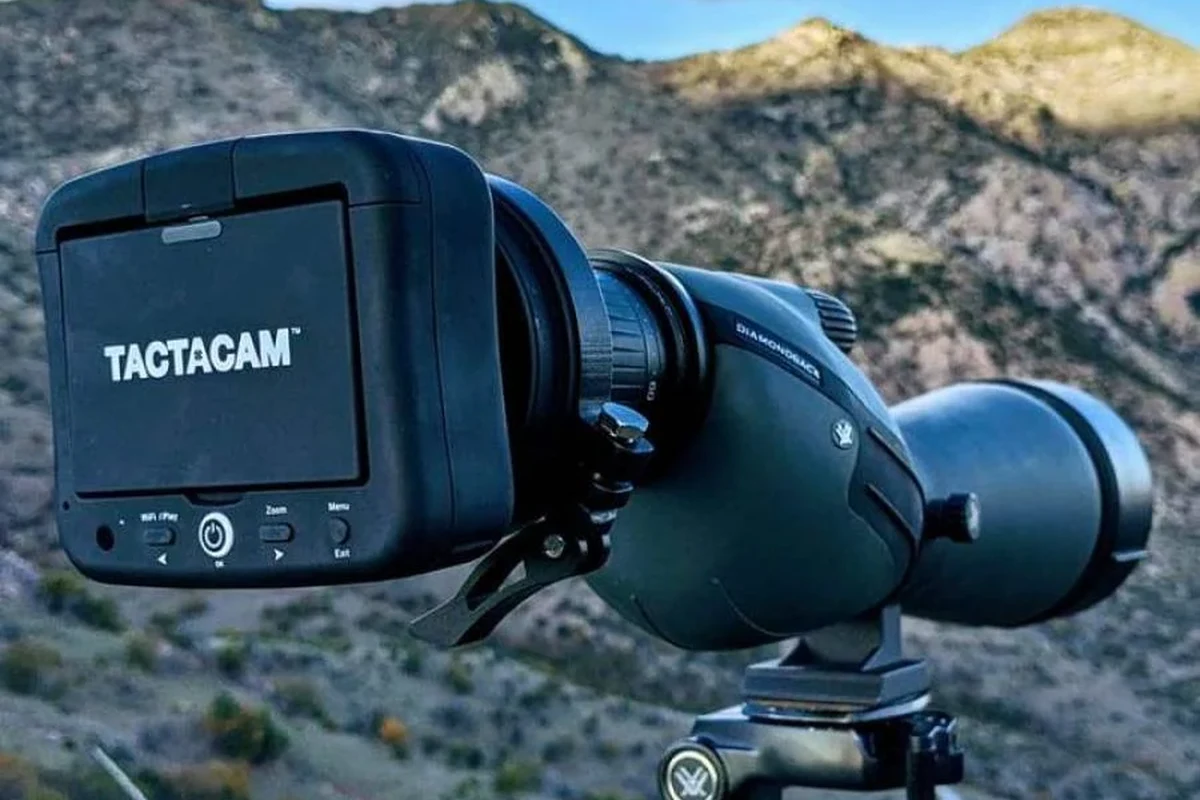
Basic mounting and recording process
Most scope cameras mount to the optic so the camera lens aligns with the scope’s eyepiece or viewing path. The basic workflow is straightforward: confirm the mount fits your optic, attach the camera securely, align the lens, power it on, and start recording before you take the shot.
Verify scope diameter, eyepiece shape, and any included adapter or ring size before installation.
Follow the manual for placement and tightening so the camera stays stable without stressing the optic.
Check framing on a target or safe backstop before relying on it for live shooting.
How scope-mounted video capture differs from action cameras and phone adapters
A scope camera is different because it is designed to capture the magnified view, not a wide scene. Action cameras are better for full-body movement, travel, and general outdoor footage, while phone adapters are often easier to share and edit but can be bulkier or less stable on an optic.
Optic-mounted recording often looks more dramatic than wide-angle video because the camera is framed around the sight picture rather than the whole environment.
Key Specs and Buying Criteria to Check Before You Buy
Scope compatibility, mounting fit, and optic diameter considerations
The most important buying factor is fit. A scope camera may work well on one optic and poorly on another if the eyepiece size, tube shape, or clearance around turrets and rings is different, so check the exact model compatibility list rather than assuming universal fit.
- Confirm your exact scope model or eyepiece dimensions
- Check whether the camera supports your optic style and diameter
- Review the manual for mounting clearance and tightening guidance
- Verify return policy in case the fit is not compatible
Video quality, stabilization, battery life, storage, and weather resistance
Do not judge the camera by resolution alone. For shooting footage, stabilization, low-light behavior, audio handling, battery runtime, and storage capacity can matter as much as headline video specs, and the real-world result depends heavily on recoil, lighting, and how steady the optic is.
Do not assume any camera is weatherproof, recoil-proof, or impact-resistant unless the manufacturer says so for your exact model. If a battery swells, a cable frays, or the unit overheats, stop using it and follow the manufacturer’s instructions.
What to verify in the box: mounts, cable quality, batteries, charger, and warranty coverage
Before you commit, confirm what is actually included. Some buyers discover that the box contents vary by bundle, retailer, or region, so it is worth checking whether you are getting the mount, charging cable, battery, charger, manual, and warranty paperwork you expected.
- Camera body or recording module
- Mounting hardware or adapter ring
- Charging cable and power adapter, if included
- Battery or internal battery instructions
- Quick-start guide and warranty terms
Real-World Benefits for Hunters and Shooters
Why scope cameras help with shot review, training, and content capture
The biggest benefit is reviewability. A scope camera can help you look back at shot placement, sight picture, and timing, which is useful for training and for learning what happened during a hunt or range session without relying on memory alone.
If your main goal is shot review through the optic, a scope camera makes more sense than a general action camera.
Use cases for range sessions, hunting trips, and instructional shooting footage
At the range, the camera can help you compare shots and identify trends in trigger control or follow-through. On hunting trips, it can document a shot sequence or memorable moment, and for instructors it can be a useful way to show students what proper alignment looks like from the shooter’s viewpoint.
For the cleanest footage, set up and test the camera before the session starts, then confirm the framing on a safe target or backstop. Small alignment errors are easier to fix before the action begins.
Limitations, Trade-Offs, and Common Mistakes
Image shake, alignment issues, and lens obstruction
Scope-mounted video can look shaky if the mount is loose or if the optic itself moves during recoil. Another common issue is partial vignetting, where the camera sees a dark ring or blocked edges because the lens is not centered correctly.
These problems are usually setup-related rather than proof that the product is defective. The trade-off is that a more precise optic-based recording system generally requires more careful alignment than a simple clip-on camera.
Battery limits, storage management, and overheating or weather exposure concerns
Battery runtime and storage can become the limiting factors on longer outings. If the camera records high-resolution clips, files may fill storage quickly, and cold weather can reduce battery performance, so plan for shorter sessions or bring approved power and storage accessories when the manual allows it.
Heat and moisture are also worth watching. A camera left in direct sun, sealed in a bag, or exposed to rain without the proper rating can fail sooner than expected, even if it works fine in mild conditions.
Setup mistakes that reduce video quality or damage the mount
Overtightening is a common mistake because it can stress the mount or optic. Another is skipping the alignment test and assuming the first recording will be usable, which often leads to clipped framing or poor focus.
Stop using damaged electronics, swollen batteries, frayed cables, overheating chargers, or unstable mounts and follow the manufacturer’s guidance before continuing.
Safe Use, Maintenance, and Storage Tips
Safe handling around firearms and optics during installation and removal
Install or remove the camera only when the firearm is unloaded and pointed in a safe direction, following all range and firearm safety rules. If you are not sure about the correct mounting procedure, consult the official manual before forcing any part into place.
- Mount the camera with the firearm unloaded and secured
- Use only the attachment method recommended for your optic
- Recheck tightness after transport or rough handling
Cleaning the lens, checking fasteners, inspecting cables, and replacing worn parts
Keep the lens clean with a soft, appropriate cloth and avoid abrasive materials that could scratch coatings. Check fasteners, adapters, and cables regularly because vibration and repeated handling can loosen them over time, especially in field use.
If a cable becomes bent, the connector feels loose, or the mount no longer holds alignment, replace the worn part instead of trying to make it work through damage.
Battery care, charging limits, and long-term storage guidance
Use only the charging method and adapter type approved by the manufacturer. If the device uses removable batteries, store them according to the manual, keep them away from extreme heat, and do not leave damaged cells in service.
For long-term storage, keep the camera in a dry place, protect the lens, and avoid storing it fully discharged for extended periods unless the manual specifically says otherwise.
How It Compares to Alternatives
Tactacam scope camera vs action cameras, smartphone recorders, and other scope-cam options
Compared with an action camera, a scope camera is more specialized and usually better suited to recording through an optic. Compared with a smartphone recorder or clamp adapter, it can be more convenient for dedicated shooting footage, but the phone route may offer easier editing, a larger screen, and broader day-to-day usefulness.
| Option | Best For | Key Consideration |
|---|---|---|
| Tactacam scope camera | Dedicated shooting footage | Verify optic compatibility and mount fit |
| Action camera | General outdoor recording | Less specialized for through-the-scope views |
| Smartphone adapter | Flexible, lower-commitment use | Can be bulkier and less stable depending on setup |
Best alternative depending on budget, portability, and recording quality
If budget is the priority, a phone adapter or simpler recording setup may make more sense, provided it works with your optic. If portability and rugged general use matter most, an action camera is often the better all-around purchase.
If you care most about recording through the scope with less improvisation, the Tactacam approach is the most targeted option, but only if your exact optic and accessories are confirmed compatible.
Final Recommendation: Who Should Buy the Tactacam Scope Camera in 2026?
Best-fit buyer profile, value assessment, and transparent verdict based on available evidence
The Tactacam scope camera is best for hunters and shooters who want a dedicated optic-mounted recording solution and are willing to verify fit, accessories, and battery/storage details before buying. It is less compelling for casual users who need a versatile camera for many different activities or who want the simplest possible setup.
Choose the Tactacam scope camera if your main goal is capturing the sight picture for review, training, or field documentation and you can confirm compatibility with your exact optic. If you want broader everyday use, easier portability, or a lower-risk purchase, an action camera or smartphone adapter may be the better fit.
Because specifications, bundle contents, app behavior, and warranty terms can vary by model and retailer, check the official product page and manual before you buy. That step matters more here than with many other cameras, because fit and setup determine whether the experience is useful or frustrating.
Frequently Asked Questions
It is best for hunters, range shooters, and instructors who want optic-based footage for review or sharing. It is less useful for people who need a general-purpose camera for many activities.
Check the exact model compatibility list, eyepiece size, and mounting requirements before buying. Fit can vary by optic shape, diameter, and clearance around rings or turrets.
Confirm the mount is secure, the lens is aligned, the battery is charged, and storage is available. It also helps to test the setup on a safe target or backstop before a live session.
Common limitations include shake, alignment issues, battery runtime, storage limits, and weather exposure concerns. Performance depends heavily on setup and the specific optic it is attached to.
Clean the lens gently, inspect fasteners and cables, and store the device in a dry place. Replace worn parts instead of continuing to use damaged accessories.
It is better if your goal is to record through the scope for shooting review or instructional footage. An action camera is usually better for general outdoor use and more versatile recording.