347 Cameras Guide to the Best Picks for Every Need
“347 cameras” is best treated as a search term for smart-home camera shopping, not a single product category. The best choice depends on where you’ll place it, how you want to store footage, and which app or ecosystem you already use.
If you’re searching for “347 cameras,” this guide treats it as a smart-home buying shorthand for the best camera picks across common needs: budget, indoor, outdoor, privacy-focused, and premium security. The right choice depends less on the number in the search term and more on where you plan to place the camera, how you want to store footage, and which app or smart-home ecosystem you already use.
- Start with placement: Indoor, outdoor, and entry-point cameras solve different problems.
- Check storage first: Cloud and local recording have different costs and privacy trade-offs.
- Verify compatibility: Confirm Wi‑Fi band, app support, and smart-home integration before buying.
- Watch the power setup: Use the correct adapter, cable, and mounting method for safety.
- Compare alerts, not just resolution: Motion zones and detection accuracy often matter more than raw video specs.
347 Cameras Guide to the Best Picks for Every Need
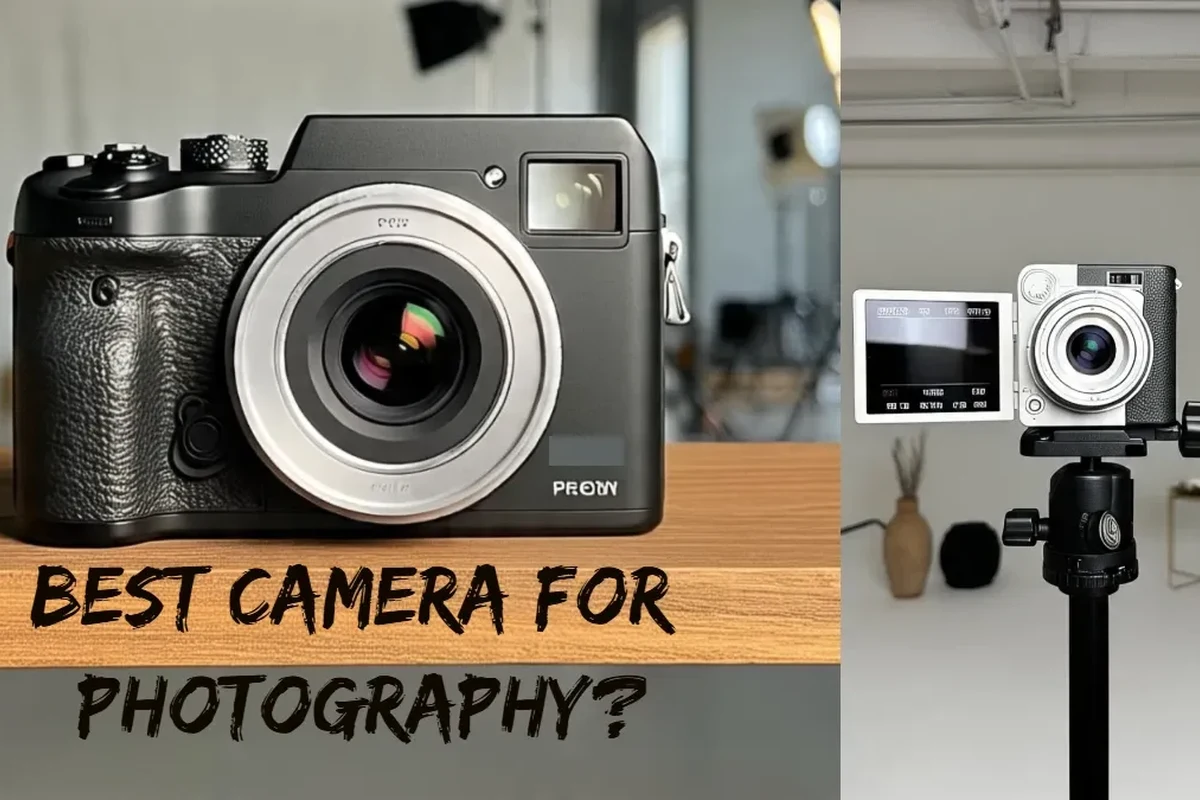
Quick answer: which 347 camera type fits your home, budget, and setup goals?
The best 347 camera for most homes is a versatile indoor/outdoor smart camera with reliable motion alerts, night vision, and flexible cloud or local storage. If you want the simplest setup, choose a plug-in Wi‑Fi model; if privacy matters most, prioritize local storage and strong account security.
What “347 cameras” means in this guide: the best 347-style smart camera picks by use case
Because “347 cameras” is not a standard product category, this article uses the phrase as a practical search term for camera shoppers comparing smart-home options. Instead of pretending there is one exact model, the recommendations below focus on the features that matter most in real homes, apartments, and small offices.
How 347 Cameras Work in a Smart Home Setup
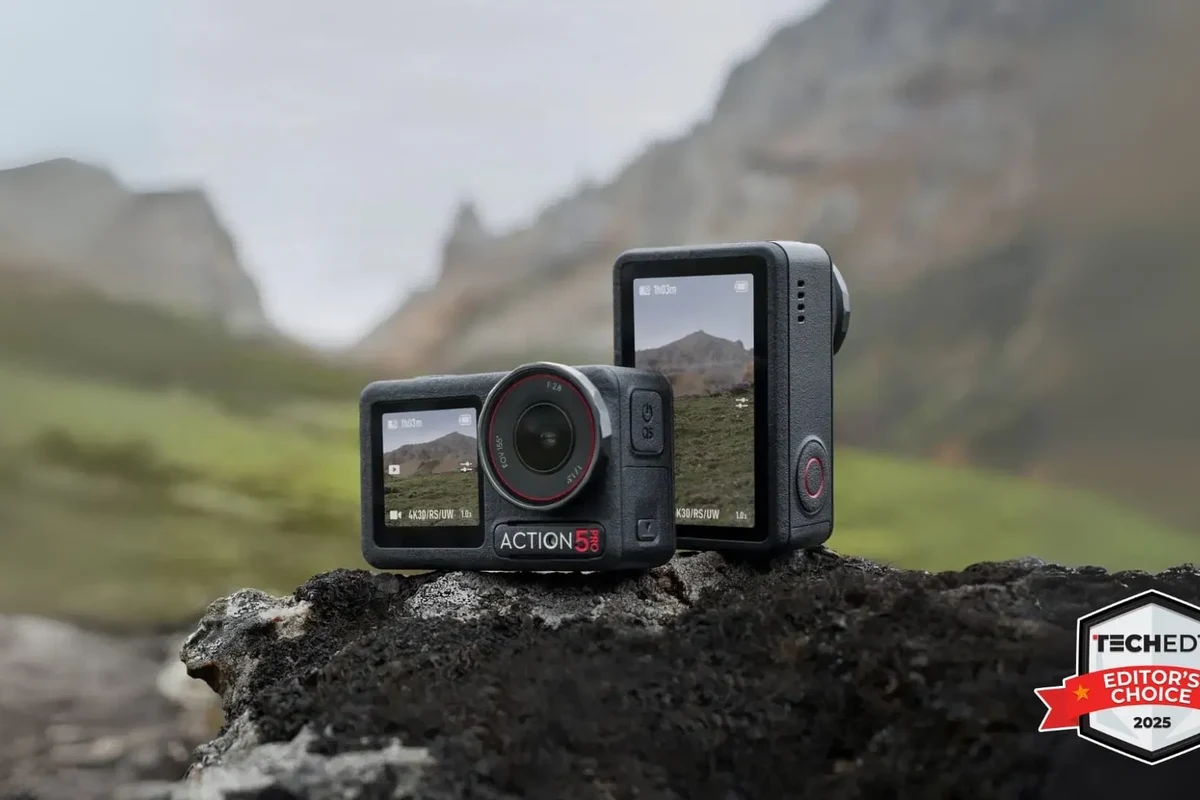
Core features: live view, motion detection, night vision, two-way audio, and cloud/local recording
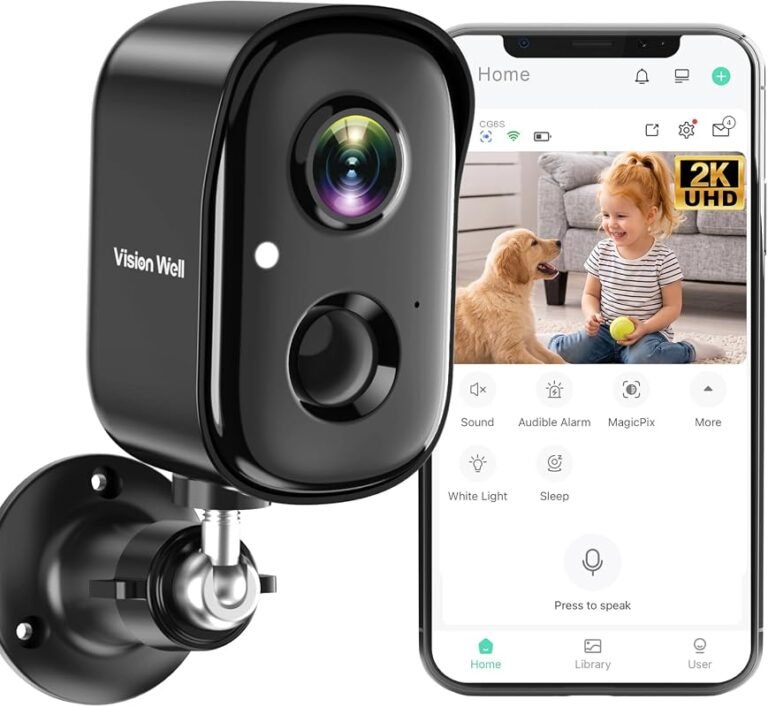
Most smart cameras share a similar core: a live video feed in an app, motion-triggered alerts, low-light or infrared night vision, and two-way audio for speaking through the camera. Recording usually happens in one of two ways: cloud storage through a subscription plan, or local storage on a memory card, base station, or network recorder depending on the model.
Not every camera supports every feature, and some features vary by firmware or subscription tier. For example, person detection, package alerts, activity zones, or longer event history may be included on one model and locked behind a paid plan on another, so the official feature list matters more than the marketing headline.
Connectivity basics: Wi‑Fi bands, app requirements, storage options, and power source considerations
Smart cameras generally connect through your home Wi‑Fi and a companion app. Some work only on 2.4 GHz networks, while others support both 2.4 GHz and 5 GHz; that detail affects setup reliability, especially in crowded apartment buildings or larger homes.
App requirements also matter. Many cameras need a specific mobile app for setup, live viewing, notifications, and firmware updates, and some features may not be available on every phone, tablet, or desktop browser. Storage choices can include microSD cards, local hubs, NAS-style systems, or cloud plans, and each option affects privacy, convenience, and long-term cost.
Compatibility can change by region, retailer bundle, app version, or firmware update. Always confirm the exact model number and the current manufacturer compatibility list before buying.
Where they fit best: indoor monitoring, entry points, baby/pet watching, and perimeter coverage
Indoor cameras are usually best for living rooms, nurseries, home offices, and pet monitoring because they are easier to power and less exposed to weather. Outdoor cameras are better for driveways, porches, garages, and side yards, where weather resistance and mounting flexibility matter more than compact size.
For entry points, look for cameras with a wider field of view and dependable motion zones so you can focus on doors, windows, or walkways instead of recording unnecessary movement. For baby or pet watching, quiet operation, clear two-way audio, and dependable notifications are often more useful than the highest resolution on the spec sheet.
Best 347 Camera Picks by Use Case
Best overall for most smart homes
The best all-around option is a midrange smart camera with solid video quality, dependable alerts, flexible storage, and broad app compatibility. It should be easy to place in a bedroom, entryway, or covered outdoor area, and it should work without forcing you into a complicated setup.
Most households that want a balanced mix of image quality, reliable notifications, and manageable setup. The trade-off is that the best-balanced models are not always the cheapest or the most privacy-focused.
Best budget pick for basic monitoring
A budget camera is a good fit if you mainly want live viewing, motion alerts, and a simple way to check in when you are away. The main trade-off is that lower-cost models may offer fewer smart detections, shorter event history, or more basic night vision.
Best premium pick for advanced security features
Premium cameras are worth considering when you want stronger detection tools, better low-light performance, more refined app controls, or deeper smart-home integration. These models often make the most sense for larger homes, busy entry points, or users who want more control over alert zones and recording behavior.
Best indoor pick for apartments, nurseries, and home offices
The best indoor camera is compact, quiet, and easy to position on a shelf, desk, or wall mount. For apartments and offices, a smaller footprint and strong app controls usually matter more than weather resistance or long cable runs.
Best outdoor pick for weather exposure and larger properties
Outdoor cameras should be chosen for their mounting options, weather rating, cable quality, and motion coverage rather than looks alone. For larger properties, a wider field of view and stable night performance can reduce the number of cameras you need.
Best local-storage pick for privacy-focused users
If you prefer to minimize cloud dependence, choose a camera that supports local recording and lets you manage clips without a subscription. This is often the best fit for privacy-conscious users, but it may require more attention to card capacity, backup habits, and device settings.
- Less reliance on paid cloud storage
- More control over where footage is kept
- Local storage can be easier to fill up
- You may need to manage clips and backups more often
Key Specs and Buying Criteria to Compare Before You Buy
Video quality: resolution, frame rate, field of view, and low-light performance
Resolution affects how much detail you can see, but it is only one part of image quality. Frame rate, lens quality, compression, and low-light performance can matter just as much, especially if you need to identify faces, packages, or movement near a doorway.
Field of view determines how much of a room or yard the camera covers. A wider view can reduce blind spots, but it may stretch details at the edges, so the best choice depends on whether you want broad coverage or a closer look at one specific area.
Detection and alerts: person detection, zones, sensitivity, and false alarm control
Motion detection is useful only if the alerts are accurate enough to trust. Look for adjustable sensitivity and activity zones so you can ignore trees, traffic, ceiling fans, pets, or hallway movement that would otherwise trigger too many notifications.
Person detection can reduce false alerts, but it is not perfect and may depend on the camera, lighting, and software version. If you live in a busy area, alert filtering can be more valuable than raw resolution.
Power and installation: wired, battery-powered, solar-assisted, and rated wattage checks
Plug-in cameras are usually easier to maintain because you do not have to recharge them. Battery-powered models offer more placement flexibility, while solar-assisted options can be helpful outdoors if the camera and panel receive enough light and the manufacturer supports that setup.
For any powered camera, verify the adapter, cable type, and rated input listed by the manufacturer. If a device gets unusually hot, the cable looks damaged, or the power setup does not match the manual, stop using it and replace the faulty part with a verified accessory.
Use only the manufacturer-recommended power adapter, cable, and mounting method. Do not cover vents, route cords where pets or children can pull them, or use damaged cables that show fraying, heat, or loose connectors.
App and ecosystem support: Alexa, Google Home, Apple Home, and automation compatibility
Smart-home compatibility can make a camera easier to live with, especially if you already use voice assistants or automation routines. That said, integrations vary widely by brand and model, and some features work only in one ecosystem or only through a specific app.
Before buying, confirm whether the camera supports your preferred platform, what features are included, and whether the integration is native or limited. A camera can be “compatible” in a broad sense while still missing the exact feature you wanted, such as live view on a smart display or motion-triggered routines.
Build quality and placement: indoor dimensions, outdoor weather ratings, mounting options, and cable quality
Placement matters as much as specs. Indoor cameras should fit the shelf, wall, or corner where you plan to place them, while outdoor cameras need mounting hardware, cable routing, and weather resistance that match the environment.
For outdoor use, check the manufacturer’s weather rating and install guidance, then confirm whether the included cable and adapter are suitable for the location. A well-placed midrange camera often performs better than a premium model installed in a poor position.
- Check compatibility, model number, app requirements, dimensions, ports, wattage, and intended use
- Confirm safety guidance, warranty, return policy, privacy settings, and update support
Real-World Benefits, Limitations, and Trade-Offs
What smart cameras do well: visibility, deterrence, convenience, and peace of mind
Smart cameras are strongest when you want quick visibility into what is happening at home. They can help you check on deliveries, see who is at the door, monitor pets, or review activity after a motion alert, all without needing complex equipment.
They can also create a deterrent effect when placed in visible entry areas, although that depends on placement and local circumstances. For many users, the biggest benefit is convenience: a camera can reduce uncertainty when you are away from home or working in another room.
Common limitations: subscription costs, Wi‑Fi dependence, storage caps, and privacy concerns
Many cameras rely on cloud plans for extended video history, advanced alerts, or richer smart features. If you do not want another monthly bill, local storage may be the better route, but it can require more hands-on management.
Wi‑Fi dependence is another limitation. If your signal is weak where you want to place the camera, performance can suffer, and that may show up as lag, missed events, or delayed notifications. Privacy is also important: review permissions, use strong passwords, enable two-factor authentication when available, and keep firmware updated through the official app.
Evidence limits: why specs and user reports matter more than marketing claims
Camera marketing often highlights broad claims like “smart detection” or “advanced security,” but those phrases mean different things across brands. The more reliable approach is to compare the exact specification sheet, app feature list, manual, and warranty terms.
User reports can also help, especially when they describe real setup friction, app stability, or mounting concerns. Just remember that outcomes vary by home layout, router quality, firmware version, and how the camera is configured.
Setup Guide: Getting a 347 Camera Running Safely and Correctly
Placement tips for coverage, glare reduction, and motion accuracy
Place the camera where it can see the area you care about without facing direct sunlight, reflective windows, or a bright lamp that can wash out the image. For motion alerts, aim the camera across the path of movement rather than straight down a hallway if you want better detection consistency.
- Test the view in the app before mounting permanently.
- Keep the lens clear of curtains, screens, and decorative objects.
- Use activity zones to reduce false alerts from roads, fans, or pets.
App setup steps, account creation, firmware updates, and network pairing
Start with the official app, then follow the manufacturer’s pairing steps exactly. In most cases, that means creating an account, connecting the camera to power, adding the device in the app, and confirming the Wi‑Fi network before finishing setup.
Download it from the brand’s verified app store listing and sign in with a strong password.
Use the Wi‑Fi band the model supports, then follow the on-screen pairing prompts.
Install updates through the app before relying on alerts or automations.
Power and cable safety: adapter rating, heat checks, extension cord limits, and replacement guidance
Only use the adapter and cable specified by the manufacturer or a clearly compatible replacement listed by the brand. Avoid daisy-chaining extension cords, and do not place power adapters where they can overheat, collect dust, or get wet.
If a cable feels hot, looks pinched, or the camera repeatedly loses power, inspect the setup before continuing. A damaged power accessory should be replaced rather than repaired with tape or improvised parts.
Mounting and weather protection for outdoor models
Outdoor cameras should be mounted according to the manual so seals, gaskets, and cable entry points stay protected. Even a weather-rated camera can fail early if the adapter is exposed to rain, the mount is loose, or the cable is routed in a way that lets water travel toward the connector.
Maintenance, Storage, and Troubleshooting Tips
Routine care: lens cleaning, dust removal, battery checks, and storage card upkeep
Regular maintenance is simple but important. Wipe the lens with a soft, dry microfiber cloth, remove dust from vents and mounting areas, and check battery-powered models on a schedule that fits your usage pattern.
If your camera uses a memory card, make sure the card is supported by the model and format it only through the app or manual’s instructions. Cards can wear out over time, so occasional replacement may be necessary if recordings become unreliable.
Noise, lag, and connectivity issues: what to check first
If the camera has audio noise, lag, or dropped connections, start with the basics: signal strength, router distance, app version, and firmware updates. Many problems are caused by weak Wi‑Fi, crowded wireless channels, or a device that has not been updated in a while.
Also check whether the camera is using a supported Wi‑Fi band and whether the phone has the latest app permissions enabled. Some notification problems are app-side rather than camera-side.
When to replace parts, reset the device, or contact warranty support
Resetting can help if the camera will not pair, but it should be a last step after checking power, Wi‑Fi, and app settings. Replace accessories if they are damaged, and contact support when the device is still under warranty but fails to hold a connection, record properly, or power on as expected.
Stop using damaged electronics, swollen batteries, frayed cables, overheating chargers, or unstable mounts and follow the manufacturer’s guidance.
Warranty details to verify before purchase: coverage length, exclusions, and return terms
Before you buy, confirm the warranty length, what parts are covered, and whether water damage, accidental damage, or third-party accessories are excluded. Return terms matter too, especially if you are not sure the camera will fit your room layout or app ecosystem.
Final Verdict: Which 347 Camera Is the Best Choice for Different Users?
Best value recommendation
For most shoppers, the best value is a midrange camera that balances reliable alerts, decent image quality, and a storage plan you can live with. It should be simple enough for everyday use without forcing you to pay for features you will never open.
Best feature-rich recommendation
If you want the most capability, choose a premium model with stronger detection controls, better app tools, and flexible smart-home integration. The best premium pick is the one that solves your specific pain points, not the one with the longest spec list.
Best privacy-first recommendation
Privacy-first buyers should focus on local storage, clear permission controls, and a brand with a strong update history and transparent documentation. That approach usually offers the best mix of control and peace of mind, as long as you are comfortable managing clips and backups yourself.
Final buying advice for 2026 smart home shoppers
The smartest way to shop for 347 cameras is to start with placement, storage, and compatibility, then narrow the field by video quality and alert accuracy. If you confirm those basics first, you are much more likely to end up with a camera that fits your home instead of one that only looks good on the box.
Choose the camera that matches your room, network, and privacy preferences first, then compare app quality and storage costs. For most homes, a balanced midrange model is the safest bet, while privacy-focused users should lean toward local storage and careful setup.
Frequently Asked Questions
Focus on placement, storage, Wi‑Fi support, and app compatibility first. Then compare motion alerts, night vision, and whether you want cloud or local recording.
It depends on the model. Indoor cameras are usually easier to place and power, while outdoor models need weather resistance, stronger mounting options, and better cable protection.
Not always, but many cameras use subscriptions for extended cloud storage or advanced features. If you want to avoid recurring fees, look for models with local storage support.
Adjust motion sensitivity, use activity zones, and avoid pointing the camera at busy roads, fans, or reflective surfaces. Person detection can also help, but it is not perfect.
Use the manufacturer-recommended adapter and cable, keep cords away from water and heavy traffic, and replace damaged accessories right away. If a power accessory gets hot or looks worn, stop using it.
Check the exact model’s compatibility list for Alexa, Google Home, or Apple Home before buying. Integration quality can vary by brand, model, and app version.