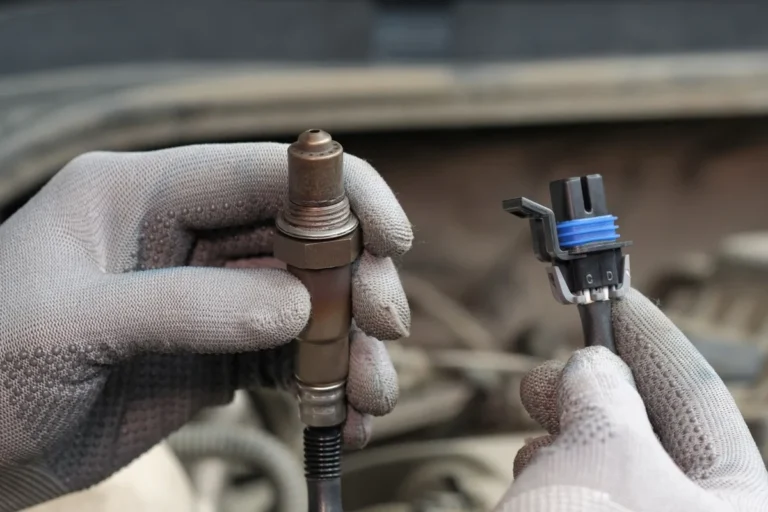
Can Flame Sensor Go Bad
Yes, a flame sensor can go bad, but dirty, misaligned, or poorly grounded parts often cause the same symptoms. If cleaning and safe inspection do not help, replacement or a technician visit is the next step.
A flame sensor can go bad, but in many furnace and boiler problems it only looks failed because it is dirty, misaligned, or dealing with another issue in the ignition system. If your system keeps shutting down after ignition, the sensor is one of the first parts to inspect—but it is not always the only cause.
- Failure is possible: Flame sensors can wear out from heat, corrosion, and repeated cycling.
- Common mimic: Dirt, oxidation, and grounding problems can look like a bad sensor.
- Check fit carefully: Connector style, rod length, and mounting must match the appliance.
- Safety first: Stop if you smell gas, see damage, or are unsure about the system.
Can a Flame Sensor Go Bad? Quick Answer for Homeowners
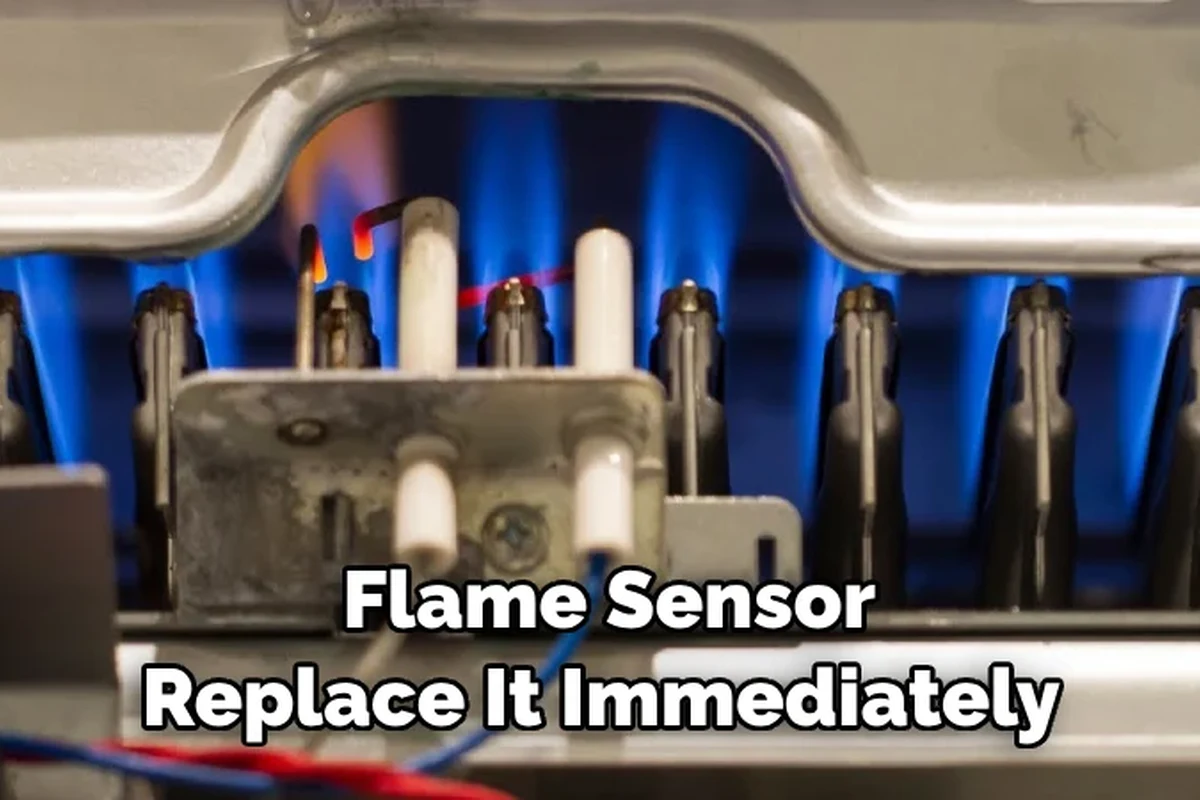
Yes, a flame sensor can fail over time. The part may wear out, crack, corrode, or stop reading flame correctly, especially in systems that cycle often or run in harsh conditions.
That said, many “bad sensor” symptoms are caused by simple contamination, weak grounding, loose wiring, or gas-flow problems. The safest approach is to treat the sensor as one possible cause, not the automatic answer.
How a Flame Sensor Works in a Furnace or Boiler
A flame sensor tells the control system whether the burner actually lit. In many gas furnaces, it is a small metal rod positioned so the flame touches it after ignition.
When flame is present, the sensor sends a tiny electrical signal back to the control board. If that signal is missing or too weak, the system may shut off gas as a safety measure.
This is why a flame sensor matters so much: it helps prevent unburned gas from continuing to flow when ignition fails. In plain English, it is a safety check, not just a comfort feature.
Many furnace flame sensors work by detecting flame rectification, which means the flame itself helps create the small signal the control board reads.
Signs Your Flame Sensor Is Failing, Dirty, or Misaligned
Flame sensor problems often show up as repeated ignition attempts, brief burner operation, or a furnace that starts and then shuts down. You may also notice the system runs for a short time and then locks out until it is reset.
Common symptoms include:
- Burner lights, then shuts off within seconds.
- Furnace tries to ignite several times before giving up.
- System runs only after a reset, then fails again later.
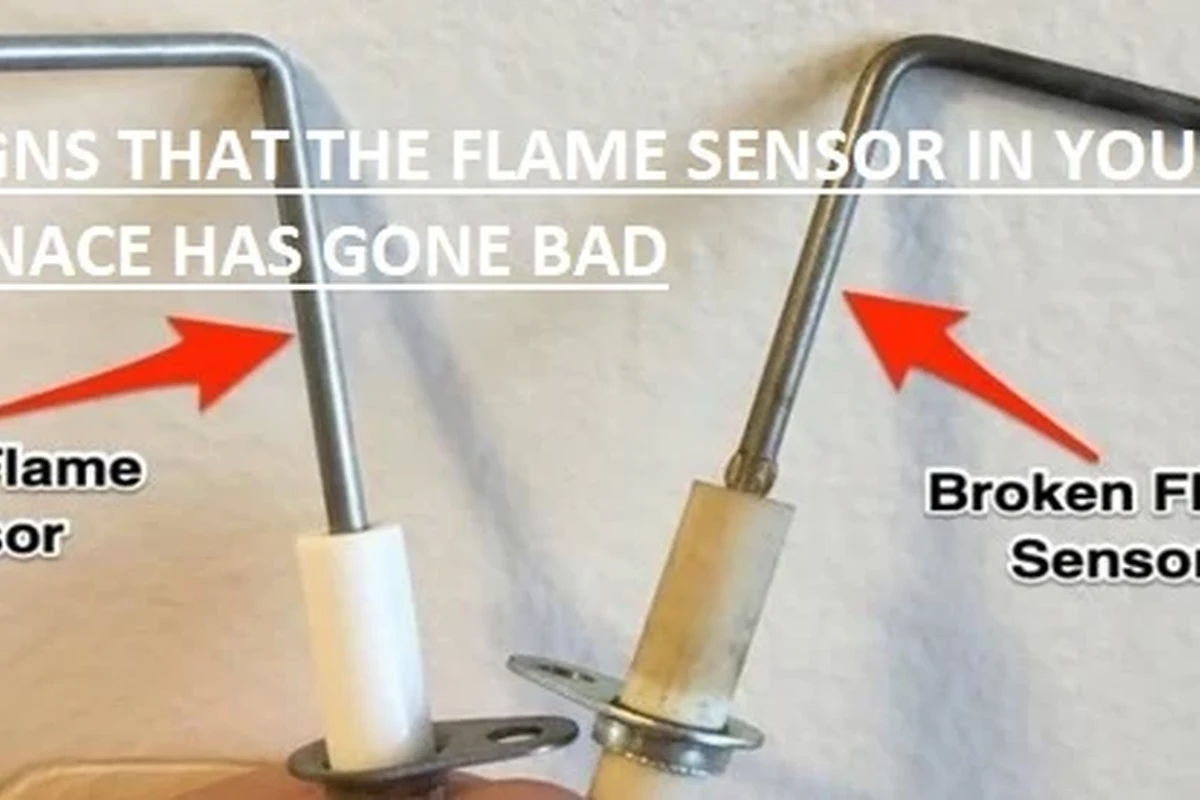
- Visible soot, oxidation, or buildup on the sensor rod.
- Loose or damaged wiring near the sensor connection.
These symptoms do not prove the sensor is bad. A dirty sensor can act just like a failed one, and a weak ground can interrupt the signal even if the sensor itself is still usable.
Why Flame Sensors Go Bad: Common Causes and Wear Factors
Flame sensors are simple parts, but they live in a hot, dirty environment. Over time, that exposure can degrade performance or damage the sensor physically.
Carbon buildup, oxidation, and contamination
Carbon buildup is one of the most common reasons a flame sensor stops working well. Dust, soot, and combustion residue can coat the rod and reduce its ability to read flame properly.
Oxidation can also form on the metal surface, especially in humid or poorly vented spaces. Even a thin layer of contamination may be enough to make the control board think the flame is weak or absent.
Cracked ceramics, loose wiring, and heat stress
The ceramic insulator that supports the sensor rod can crack from age, vibration, or repeated heating and cooling. Once that happens, the sensor may short, drift, or fail intermittently.
Loose connectors, brittle insulation, or heat-damaged wiring can create the same symptoms. In these cases, the sensor may not be the only part that needs attention.
Turn off power and follow the appliance manual before touching any ignition component. If you smell gas, see damaged wiring, or notice scorch marks, stop and call a qualified technician.
Control board, grounding, and gas-flow issues that mimic sensor failure
A flame sensor can look bad when the real problem is elsewhere. Poor grounding is a frequent culprit because the sensor signal depends on a clean electrical path back to the control board.
Control board faults can also misread the sensor, and gas-flow issues may keep the flame from reaching the rod consistently. A weak flame, improper burner alignment, or ignition problems can all create false sensor symptoms.
That is why replacing the sensor without checking the rest of the system can waste time and money.
How to Diagnose the Problem Safely Before Replacing the Part
Start with the least invasive checks first. Many flame sensor issues can be narrowed down with a visual inspection and basic cleaning, which may be enough if the part is still structurally sound.
Visual inspection and basic cleaning steps
Look for soot, white residue, rust, bent mounting hardware, or a rod that is no longer sitting in the flame path. Also check whether the connector is secure and the wire insulation looks intact.
Turn off the appliance according to the manual and allow hot parts to cool before touching anything.
Check for buildup, cracks, corrosion, and loose mounting or wiring.
Use only the method recommended by the manufacturer; avoid aggressive sanding or bending.
Cleaning can help when the sensor is dirty, but it will not fix a cracked insulator or a failing control board. If the rod is visibly damaged, replacement is usually the better move.
When to test continuity, flame signal, or call a technician
Some systems allow a technician to check flame signal or related readings with proper tools. That is more useful than guessing, because a weak signal can point to the sensor, grounding, or board.
Continuity tests may help identify an open circuit, but they do not always prove a flame sensor is good under operating conditions. If you are not comfortable working around gas appliances, or if the furnace keeps locking out after cleaning, a qualified technician is the safest next step.
Stop using damaged electronics, swollen batteries, frayed cables, overheating chargers, or unstable appliances and follow the manufacturer’s guidance.
Replacement Guide: Choosing the Right Flame Sensor for Your System
If the sensor is physically damaged or cleaning does not restore reliable operation, replacement may be the practical fix. The key is buying the correct part for your exact furnace or boiler model.
Compatibility, connector style, rod length, and mounting fit
Compatibility matters more than appearance. Two sensors can look nearly identical but differ in connector type, rod length, bend angle, mounting bracket, or terminal style.
- Check the appliance model number and part number in the manual or parts list.
- Confirm connector style, rod length, mounting position, and wire routing.
- Verify whether the part is for your exact furnace, boiler, or ignition system.
- Review warranty terms, return policy, and any installation requirements.
When fit is off by even a small amount, the sensor may not sit in the flame correctly. That can lead to the same shutdown problem you were trying to solve.
Quality criteria, OEM vs. aftermarket, and expected lifespan
OEM parts are designed for the original system specification, while aftermarket parts can be a good value if they match the required dimensions and electrical characteristics. The right choice depends on your model, budget, and confidence in the seller’s compatibility information.
Because lifespan varies with runtime, maintenance, and combustion conditions, there is no universal replacement interval. A well-maintained sensor may last a long time, while one exposed to soot, vibration, or poor grounding may fail much sooner.
When comparing options, focus on verified compatibility, build quality, and clear documentation rather than marketing claims alone.
Safe Maintenance, Handling, and When to Replace Instead of Clean
Routine inspection can prevent a lot of nuisance shutdowns. A quick check during seasonal maintenance is often enough to catch buildup before it becomes a no-heat call.
Cleaning frequency, storage, and inspection intervals
There is no one-size-fits-all cleaning schedule. Homes with heavy dust, frequent cycling, or older combustion equipment may need more frequent inspection than newer, cleaner systems.
Store replacement parts in a dry place and keep them in their packaging until needed. Moisture, dust, and rough handling can shorten the life of a sensor before it is installed.
Inspection intervals and cleaning methods can vary by appliance brand and model. The official manual should always come first for maintenance guidance.
Safety limits, shutoff precautions, and common mistakes to avoid
Do not scrape aggressively, bend the rod, or use harsh abrasives unless the manufacturer explicitly allows it. A damaged sensor may still “look clean” but fail under heat.
Also avoid replacing the sensor without checking for soot-heavy burners, grounding problems, or venting issues. If the underlying combustion problem remains, the new part may fail or the shutdowns may continue.
In many cases, replacement makes sense when the sensor is cracked, heavily corroded, or no longer responds after proper cleaning. If the issue is intermittent, involves gas odor, or points to ignition or control-board trouble, professional diagnosis is the smarter route.
Final Recommendation: Repair, Replace, or Call a Pro?
If your flame sensor is dirty, misaligned, or lightly oxidized, cleaning and proper repositioning may solve the issue. If it is cracked, corroded, or electrically unreliable, replacement is usually the better option.
The safest rule is simple: check the sensor first, but do not stop there if the problem returns. Repeated lockouts often point to grounding, burner, wiring, or control-board issues that a sensor swap alone will not fix.
- A flame sensor can absolutely go bad, but dirty or misaligned parts often mimic failure.
- Compatibility, grounding, wiring, and burner condition matter as much as the sensor itself.
- Clean only when the part is intact; replace it when it is cracked, corroded, or still failing after safe inspection.
- If gas odor, scorch marks, or repeated lockouts are involved, call a qualified technician.
Frequently Asked Questions
Yes. A sensor can still fail because of cracks, wiring problems, grounding issues, or a weak signal that only shows up when the system runs.
A dirty sensor often works again after proper cleaning and correct placement. If the problem returns quickly or the part is damaged, replacement or professional diagnosis may be needed.
Cleaning is usually the first safe step if the sensor is intact. Replace it if it is cracked, badly corroded, or still causes shutdowns after cleaning.
Yes. Poor grounding can interrupt the signal the control board reads, which can mimic a failed sensor even when the part itself is still usable.
No. Compatibility depends on the exact model, connector style, rod length, and mounting fit, so the part number should be verified before buying.
Call a technician if you smell gas, see damaged wiring or scorch marks, or the furnace keeps locking out after basic cleaning and inspection.