Can Car Run Without O2 Sensor
Yes, a car can often run without an O2 sensor, but it may run poorly, waste fuel, and trigger warning lights. Modern vehicles rely on that sensor more heavily, so it should be repaired rather than ignored.
A car can sometimes run without an O2 sensor, but it usually won’t run well, won’t manage fuel correctly, and may trigger emissions-related problems. Whether it keeps driving depends on the vehicle design, which sensor is missing, and how long the engine relies on that input.
- Running vs running well: A car may still move without an O2 sensor, but the engine computer loses.
- Modern dependence: Newer gasoline cars and hybrids usually rely on O2 sensor data more than older.
- Common effects: Expect possible rough idle, poor fuel economy, emissions issues, and a check engine light.
- Diagnosis matters: Scan codes, live data, wiring, and exhaust leaks should be checked before replacing parts.
- Correct part fit: Upstream/downstream location, connector type, and engine-specific compatibility all matter.
Can a Car Run Without an O2 Sensor? Quick Answer and What It Means
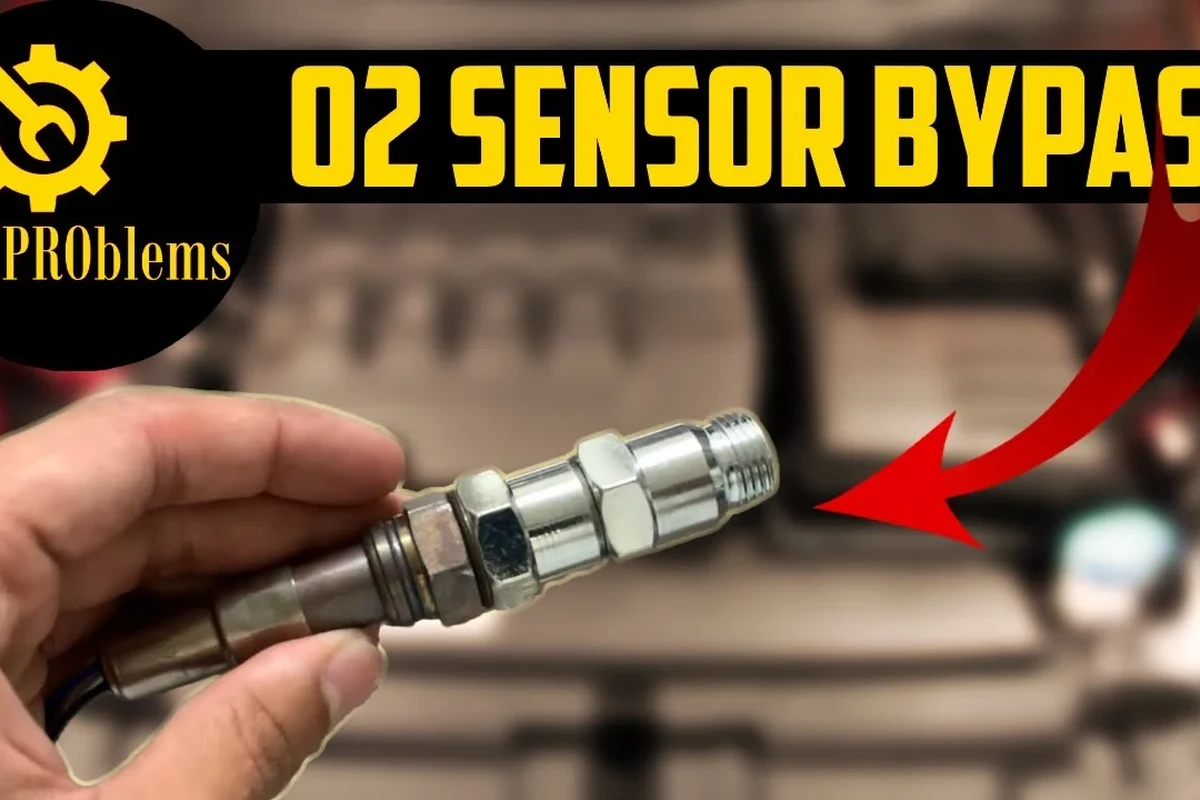
In many cases, yes, a car can still start and move without an oxygen sensor signal. But the engine control system may fall back to a default fuel strategy, which often means poorer drivability, worse fuel economy, and higher emissions.
The practical answer is simple: if the sensor is missing or failed, the car may be drivable for a short time, but it is not a good long-term condition. The more modern the vehicle, the more likely the missing sensor will affect performance, warning lights, inspection readiness, and sometimes transmission or engine behavior tied to engine load calculations.
What the O2 Sensor Does in 2026 Vehicles
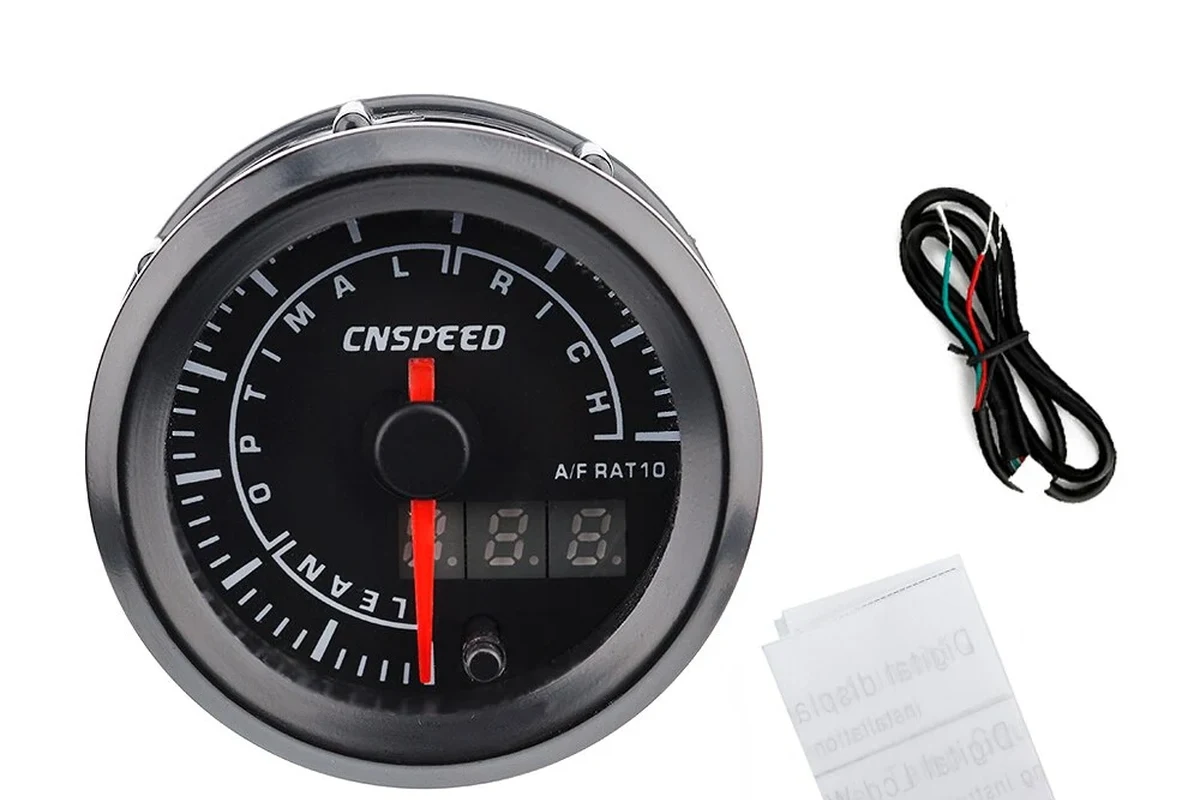
The oxygen sensor, often called an O2 sensor, measures how much oxygen is left in the exhaust stream. The engine computer uses that information to adjust fuel delivery so the air-fuel mixture stays close to the target range for power, fuel economy, and emissions control.
Air-Fuel Ratio Control and Fuel Trim
When the O2 sensor is working, the engine computer can make small fuel corrections in real time. Those corrections are called fuel trim, and they help the engine avoid running too rich or too lean under changing conditions such as cold starts, hills, traffic, and acceleration.
If the sensor data disappears, the computer may rely on preset values, other sensors, or an open-loop mode. That fallback can keep the engine alive, but it is usually less accurate than closed-loop control.
Why Modern Engines Depend on It More Than Older Cars
Older carbureted vehicles could run with very little electronic feedback because fuel delivery was mechanical. Modern gasoline engines, hybrids, and emissions-managed powertrains depend much more on sensor input because the computer coordinates fuel, ignition timing, catalytic converter protection, and sometimes idle control and turbo behavior.
That means a missing O2 sensor is less likely to be a minor annoyance on a newer car. It can affect how the engine computer thinks the engine is behaving, which can ripple into several systems at once.
Some vehicles use multiple oxygen sensors, including upstream sensors for fuel control and downstream sensors for catalytic converter monitoring. The exact behavior depends on the engine layout and calibration.
What Happens If You Drive Without an O2 Sensor
If the sensor is absent or not reporting correctly, the engine may continue to run, but the computer loses an important feedback loop. The result can range from barely noticeable changes to obvious roughness, depending on the vehicle.
Performance Changes You May Notice
Common symptoms include rough idle, hesitation, sluggish acceleration, harder cold starts, and a smell of unburned fuel if the engine runs rich. Some cars may also surge or feel inconsistent because the fuel mixture is no longer being fine-tuned as intended.
In some cases, the difference is subtle at first. That is one reason drivers sometimes keep driving with a bad sensor longer than they should.
Fuel Economy, Emissions, and Check Engine Light Effects
Fuel economy often drops when the engine can no longer trim fuel accurately. Emissions usually rise as well, and the check engine light is common because the computer detects a missing, slow, or implausible oxygen sensor signal.
For many drivers, the check engine light is not the main issue by itself. The larger concern is that the car may be running inefficiently while the catalytic converter and other components are exposed to abnormal exhaust conditions.
Short-Term Drivability vs Long-Term Damage Risk
Short-term drivability is possible on many cars, especially if the issue is one upstream sensor and the engine is otherwise healthy. Long-term risk is where the problem grows: extra fuel use, failed emissions tests, carbon buildup, catalytic converter stress, and in some cases engine damage if the mixture stays far from ideal.
If the car is misfiring, overheating, stalling, or producing a strong fuel smell, do not keep driving just because it still moves. Have the vehicle inspected promptly.
Which Cars Can Run Without an O2 Sensor, and Which Cannot
The answer depends heavily on the age and design of the vehicle. Some older engines can limp along with limited sensor input, while modern vehicles are far more dependent on the oxygen sensor network.
Older Carbureted and Early EFI Vehicles
Older carbureted engines can often run without an O2 sensor because fuel delivery is not controlled by closed-loop electronics in the same way. Early electronic fuel injection vehicles may also keep running, though they may run poorly and fail emissions checks.
Even on older vehicles, “can run” does not mean “should run that way.” The engine may still be out of tune, waste fuel, or create avoidable wear.
Modern Gasoline Cars, Hybrids, and Emissions-Managed Engines
Modern gasoline cars and hybrids generally depend on oxygen sensor data to maintain efficient combustion and emissions compliance. Some vehicles may enter a reduced-power or fallback mode if the sensor fails, while others may continue operating but with noticeable fuel and drivability penalties.
Plug-in hybrids and newer emissions-managed engines can be especially sensitive because the control software expects multiple sensor inputs to coordinate engine operation, catalyst protection, and readiness monitors.
When the Car May Still Start but Not Run Properly
A car may start because the computer can use default values at first. The trouble often appears after startup, once the system expects sensor feedback and does not get it.
That is why some owners think the car “runs fine” at idle but notice poor throttle response, odd shifting behavior, or a persistent warning light during normal driving.
Many engines use oxygen sensor data not only for fuel control, but also to help the computer judge whether the catalytic converter is working as expected.
How to Diagnose a Bad O2 Sensor Before Replacing It
Because oxygen sensor symptoms can overlap with vacuum leaks, ignition problems, fuel delivery issues, or exhaust leaks, diagnosis matters. Replacing the sensor without checking the rest of the system can waste time and money.
Common Symptoms That Point to Sensor Failure
Typical signs include a check engine light, poor gas mileage, rough idle, hesitation, failed emissions readiness, and a sulfur or fuel smell from the exhaust. Some vehicles may also show inconsistent sensor response after warm-up.
Still, these symptoms are not proof by themselves. A bad spark plug, dirty mass airflow sensor, exhaust leak, or failing injector can mimic oxygen sensor trouble.
Scan Tool Codes, Live Data, and Visual Inspection
A scan tool can help by showing diagnostic trouble codes and live sensor data. Codes such as sensor heater faults, slow response, or circuit problems can point toward the sensor or its wiring, but they should be interpreted with the vehicle’s service information.
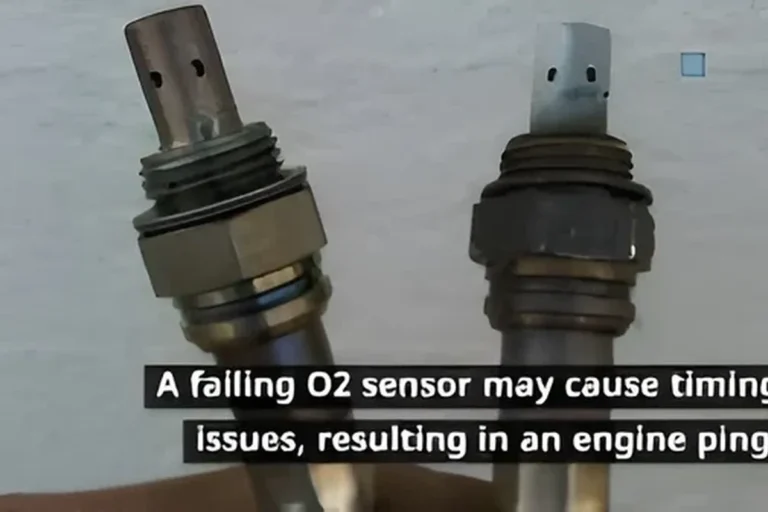
Visual inspection is also important. Look for damaged wiring, melted insulation, loose connectors, exhaust leaks near the sensor, and signs that the sensor has been contaminated by oil or coolant.
- Check the exact code and sensor location before buying parts.
- Inspect wiring and exhaust leaks first, since they can mimic a bad sensor.
- Use the official service manual or a trusted repair database for your engine family.
Common Mistakes That Lead to Misdiagnosis
One common mistake is replacing the downstream sensor when the upstream sensor is the one affecting fuel trim. Another is assuming the sensor is bad when the real problem is an exhaust leak ahead of it.
It is also easy to confuse an oxygen sensor fault with a catalytic converter code. Those are related, but not the same, and they require different checks.
Replacement Guide: Choosing the Right O2 Sensor in 2026
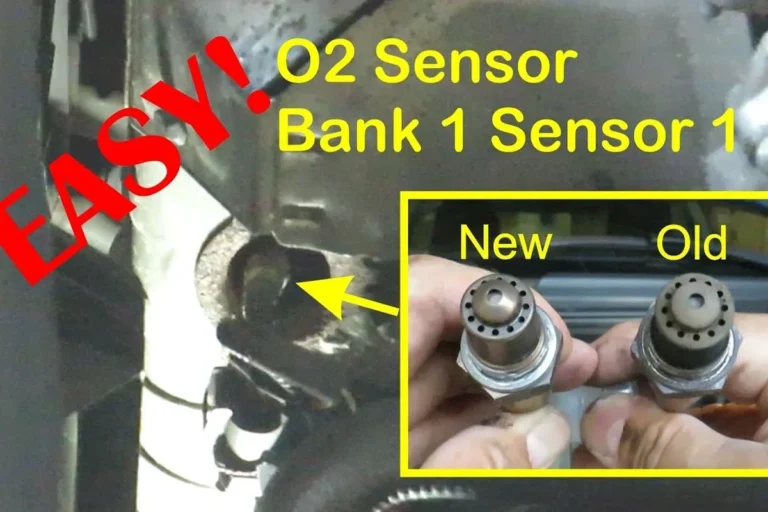
If replacement is needed, the correct part matters. Oxygen sensors vary by location, connector style, wire count, heater design, and calibration, so the wrong match can create new problems instead of solving the old one.
- Confirm the exact engine, model year, and sensor position.
- Match the connector, wire count, and thread fit.
- Verify whether the part is upstream or downstream.
- Check warranty terms, return policy, and installation requirements.
Upstream vs Downstream Sensor Differences
Upstream sensors are usually the primary fuel-control sensors, so they have the biggest impact on drivability and fuel trim. Downstream sensors are usually more focused on catalytic converter monitoring, though the exact role depends on the vehicle.
Swapping the wrong type into the wrong location can cause continued fault codes or poor results, even if the part physically screws in.
Compatibility, Connector Type, and Thread Fit
Compatibility is more than just the vehicle make and model. You need to confirm the engine size, emissions package, connector shape, wire length, and sensor position in the exhaust system.
Thread fit matters too. A sensor that threads in but does not match the original electrical setup can still create a fault or fail to communicate correctly with the engine computer.
OEM vs Aftermarket: Value, Reliability, and Trade-Offs
OEM sensors are often the safest choice when you want the closest match to factory calibration. Aftermarket sensors can be a good value if they are clearly listed for your exact vehicle and sensor position, but quality and fit can vary by brand and application.
The best choice depends on your budget, your tolerance for risk, and how sensitive your vehicle is to sensor calibration. For some cars, a lower-cost part works well; for others, factory-matched parts are more dependable.
Safe Driving, Repair Priority, and Maintenance Tips
If the car still runs, the next question is how long you can safely keep driving it. The answer depends on the symptoms, the cause, and whether the engine is running rich, lean, or misfiring.
How Long You Can Safely Drive with a Failed Sensor
There is no universal safe mileage or time limit. A vehicle that only has a sensor fault and otherwise runs normally may be driven briefly to a shop, while a car with rough running, fuel smell, or overheating should be repaired sooner.
Think of it as a repair-priority issue, not a “drive until it dies” issue. The longer the engine stays out of proper closed-loop control, the more likely secondary damage becomes.
When to Replace, Inspect, or Repair Wiring and Exhaust Leaks
Replace the sensor when diagnostics point to sensor failure or heater circuit faults. Inspect wiring and connectors when the code suggests intermittent signal loss, and check for exhaust leaks if the sensor readings seem unstable or delayed.
Also inspect nearby engine problems that can skew the results, such as vacuum leaks, ignition misfires, and fuel delivery faults. Fixing the wrong part first is a common and expensive mistake.
Care, Storage, and Installation Precautions
When handling replacement sensors, avoid contaminating the sensing tip with grease, sealant, or dirt. Use the correct installation procedure from the manufacturer, and do not force the connector or cross-thread the sensor into the exhaust.
If you store a spare sensor, keep it in its packaging in a dry place and protect the connector from damage. For installation, follow the vehicle manual and use the proper torque guidance if it is provided for your model.
Stop driving and seek professional help if the engine is misfiring, the check engine light is flashing, or the exhaust smell becomes unusually strong. Those signs can indicate a problem more serious than a simple sensor failure.
Final Recommendation: Should You Keep Driving or Fix It Now?
If your car can run without the O2 sensor, that usually means it can move under fallback control, not that it is healthy to keep driving that way. For a short trip to a repair shop, it may be acceptable if the car runs smoothly and shows no serious symptoms; for normal daily driving, it is better to diagnose and fix the issue promptly.
Best-Case, Worst-Case, and Practical Verdict
Best case: a single sensor fault causes a light and some fuel economy loss, and the vehicle is repaired without further damage. Worst case: the engine runs too rich or too lean, damages the catalytic converter, fails emissions testing, or develops additional drivability issues.
The practical verdict is straightforward: treat a missing or failed O2 sensor as a repair priority, not an optional inconvenience. Confirm the exact fault, check wiring and exhaust leaks, and replace the correct sensor only after the diagnosis points there.
- A car may start and run without an O2 sensor, but it usually won’t run efficiently or cleanly.
- Modern vehicles depend on O2 sensor feedback more than older carbureted or early EFI cars.
- Diagnosis should include scan codes, live data, wiring, and exhaust leak checks before replacement.
- Use the exact upstream/downstream sensor match for your engine and emissions setup.
Frequently Asked Questions
Yes, many cars can still start and move without an O2 sensor signal. They usually run in a fallback mode, which can hurt fuel economy, emissions, and drivability.
It can. Some vehicles only show minor changes, while others develop hesitation, rough idle, poor throttle response, or fuel smell.
Short trips may be possible if the car otherwise runs normally, but it is not a good long-term condition. If the engine misfires, stalls, or smells strongly of fuel, it should be inspected right away.
Use a scan tool to check codes and live data, then inspect wiring and exhaust leaks. Symptoms alone are not enough because ignition, fuel, and air leaks can mimic sensor failure.
It depends on which sensor the code points to and what the vehicle manual says. Upstream sensors usually affect fuel control more, while downstream sensors are often used to monitor catalytic converter performance.
Confirm the exact vehicle, engine, sensor position, connector type, wire count, and thread fit. Also check warranty terms, return policy, and installation guidance before purchasing.