Can Parking Sensors Be Added to a Car
Yes, parking sensors can usually be added to a car with the right kit and installation approach. The best results come from matching the system to your bumper, wiring, and alert preferences.
Yes—parking sensors can usually be added to a car, either as an aftermarket retrofit or through an OEM-style upgrade, as long as the kit matches your bumper, wiring, and power setup. The best choice depends on how much installation work you want to handle, how clean you want the result to look, and how closely you want the system to behave like factory equipment.
- Fit first: Bumper shape, trim space, and wiring access determine whether a kit will work well.
- Ultrasonic is common: It is the standard retrofit choice for most drivers who want simple parking alerts.
- Installation quality matters: Sensor placement, drilling, and wiring affect accuracy and appearance.
- Maintenance is simple: Clean the sensor faces and inspect wiring to keep the system reliable.
Can Parking Sensors Be Added to a Car? Quick Answer and What to Expect
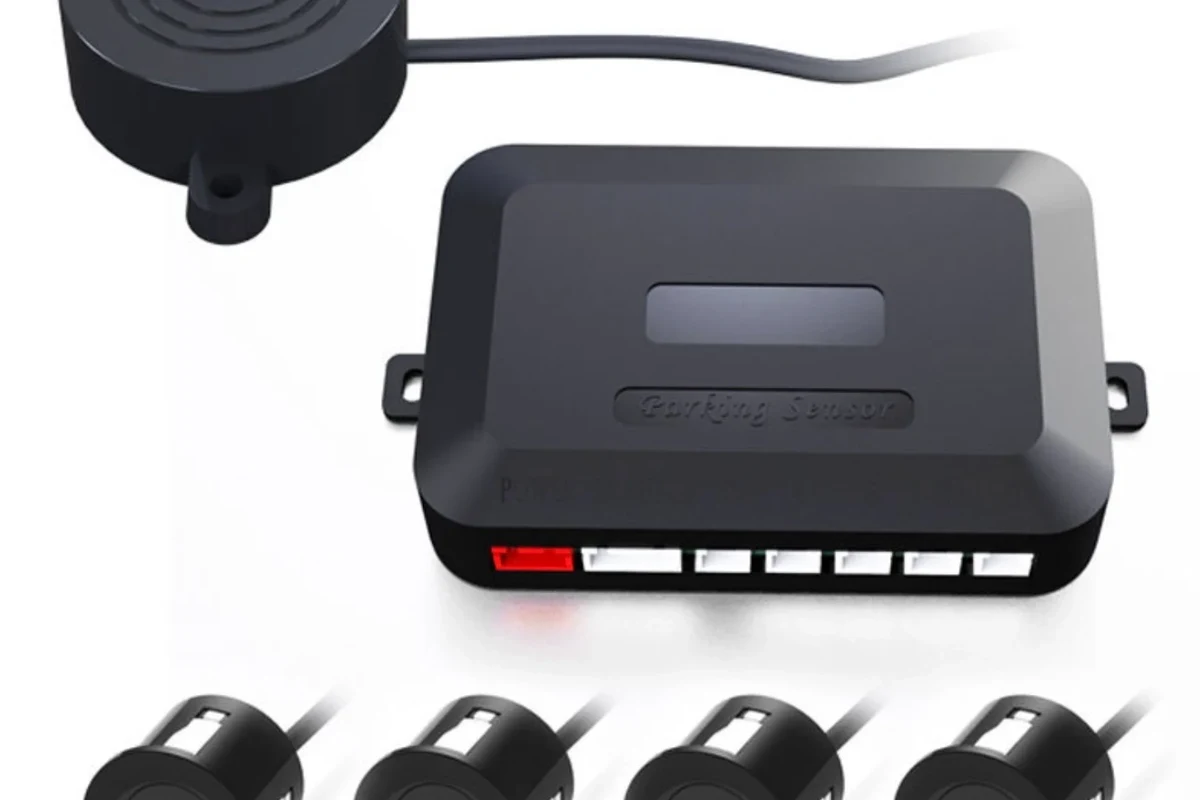
In most cases, adding parking sensors is straightforward enough for many vehicles, but it is not a universal plug-and-play upgrade. Some cars have bumpers, trims, and electrical layouts that make installation simple, while others need careful drilling, routing, and calibration to avoid poor detection or cosmetic damage.
What you should expect is a range of outcomes: basic aftermarket kits can provide audible warnings and distance alerts, while more integrated systems may include a display, camera pairing, or factory-style appearance. The main tradeoff is that the cleaner and more integrated the result, the more likely the job will require professional fitment or model-specific parts.
How Parking Sensors Work: Ultrasonic, Electromagnetic, and OEM-Style Systems
Most parking sensors sold for retrofit use ultrasonic technology. These systems send sound waves outward from small sensors mounted in the bumper, then measure how quickly the echo returns to estimate distance to an object.
Electromagnetic systems work differently. Instead of individual bumper-mounted sensors, they use a strip placed behind the bumper cover to create a detection field. They can be easier to install in some cases, but performance varies by design and vehicle shape.
OEM-style systems are designed to mimic factory behavior more closely. Depending on the vehicle and kit, they may integrate with the vehicle’s existing display, reverse lights, or infotainment screen, though compatibility is highly model-specific.
Parking sensors are usually most useful at low speeds and short distances; they are not a substitute for mirrors, cameras, or careful checking around the vehicle.
Who Can Add Parking Sensors to a Car: Best Fit by Vehicle Type, Driver Needs, and Budget
Parking sensors are a strong fit for drivers who regularly back into tight spaces, parallel park in crowded areas, or want extra confidence when maneuvering larger vehicles. They are also useful for newer drivers, older drivers, and anyone who wants a little more warning before a bumper contacts a curb, wall, or post.
Small cars can benefit from sensors just as much as SUVs and trucks, but the installation challenge differs. Vehicles with plastic bumpers and clear mounting space are usually easier to retrofit than vehicles with complex bumper contours, parking assist systems, or lots of hidden wiring behind the fascia.
Budget matters too. If you want a simple audible alert, a basic kit may be enough. If you want a factory-like appearance, a discrete display, or integration with existing vehicle electronics, expect to spend more on parts and labor.
- Check bumper material, sensor mounting depth, and available wiring access
- Confirm whether your vehicle already has factory parking assist hardware
- Verify alert type, power source, and whether the kit supports your vehicle’s voltage and reverse-light circuit
- Review the manual, return policy, and warranty terms before installation
Choosing the Right Kit: Key Specifications, Compatibility, and Installation Criteria
The best parking sensor kit is the one that fits your vehicle and your installation comfort level. Focus on sensor count, detection range, alert style, and whether the kit is designed for a universal retrofit or a specific make and model.
Sensor Count, Detection Range, and Alert Type
Most retrofit kits use two, four, or more sensors on the rear bumper. More sensors can improve coverage, but only if they are positioned correctly and calibrated for the bumper shape.
Detection range is another important factor, but manufacturer claims can vary by model and testing method. Look for a range that makes sense for low-speed parking, and remember that real-world performance can change with weather, bumper angle, vehicle height, and object shape.
Alert type matters just as much. Some systems use a buzzer that speeds up as you get closer, while others add a digital display or visual bar graph. If you prefer a quieter cabin, a visual display may be better than a loud beeper.
Wired vs Wireless Systems and Power Requirements
Wired systems are the most common and usually the most dependable choice for parking sensors. They typically connect to the reverse-light circuit or another approved power source, which means they only activate when the vehicle is in reverse or when the system is specifically enabled.
Wireless systems can reduce cable routing in some setups, but they still need power and can introduce pairing or signal reliability questions depending on the model. For most drivers, a simple wired kit is easier to trust over time.
Always confirm the power requirements in the manufacturer’s documentation. A kit designed for one vehicle voltage or circuit layout may not behave correctly in another, especially if the car has a more complex electrical architecture.
Dash Display, Buzzer, and Integration With Existing Infotainment
Some kits include a small dashboard display, while others rely on a buzzer alone. A display can be helpful if you want a quick visual readout, but it also adds another component to mount cleanly.
Integration with infotainment or factory screens is possible on some vehicles, but it is rarely universal. This is where checking the compatibility list matters most, because software support, connector type, and trim-level differences can affect whether the feature works at all.
Installation Options: DIY Retrofit vs Professional Fitment
Many parking sensor kits are marketed as DIY-friendly, but “easy” depends on your tools, patience, and comfort with trimming and wiring. If you want a clean factory-like result, professional installation is often worth considering.
Tools, Mounting Locations, and Drilling Considerations
Most ultrasonic kits require precise sensor placement in the rear bumper. That often means measuring carefully and drilling holes of the correct size, then mounting the sensors at the recommended angle and height.
Tools commonly needed may include a drill, hole saw or step bit, trim removal tools, tape, marker, and basic wiring tools. The exact list depends on the kit and the vehicle.
Drilling into a bumper can permanently affect appearance and fit if done in the wrong location. If you are unsure about sensor placement, bumper thickness, or hidden components behind the fascia, consult the vehicle manual or a professional installer before cutting.
Wiring, Calibration, and Weatherproofing Checks
Wiring usually involves connecting the control module to power, ground, and the reverse trigger if the kit uses one. Good routing keeps cables away from sharp edges, moving parts, and heat sources.
Calibration is often overlooked but important. Sensors that sit too high, too low, or at an incorrect angle can miss small obstacles or trigger false alarms. After installation, the system should be checked in an open area and then in a typical parking spot to confirm it behaves as expected.
Weatherproofing also matters. Bumper-mounted sensors and connectors should be secured so they can handle rain, road spray, and washing. If the kit includes seals or grommets, use them exactly as directed by the manufacturer.
- Take photos before removing trim so reassembly is easier
- Test the system before fully securing all panels
- Keep wiring neat and away from exhaust heat or suspension movement
- Use the official install guide for sensor spacing and angle, not guesswork
Real-World Benefits and Limitations of Aftermarket Parking Sensors
Aftermarket parking sensors can make everyday driving less stressful, especially if you park in tight garages, crowded apartment lots, or busy city streets. They are most valuable when you want a consistent warning before the rear bumper gets too close to an obstacle.
Parking Confidence, Bumper Protection, and Low-Speed Safety
The biggest benefit is confidence. Even experienced drivers can misjudge distance in poor light, rain, or tight spaces, and sensors can reduce those small but costly mistakes.
They may also help protect bumpers from scuffs and minor contact at very low speeds. For families, pet owners, and drivers who frequently load cargo or back out of driveways, that extra warning can be genuinely useful.
Common Mistakes, False Alerts, and Blind Spots
Parking sensors are not perfect. Common issues include false alerts from tow hitches, bumper accessories, sloped surfaces, snow, slush, heavy rain, or dirt on the sensor faces.
They also have blind spots. Very thin objects, soft materials, angled posts, and objects outside the sensor’s coverage area may not be detected reliably. That is why sensors should be treated as a helper, not a replacement for mirrors and visual checks.
- Improves low-speed parking confidence
- Can reduce minor bumper contact
- Available in basic and more integrated styles
- Installation quality strongly affects performance
- Can produce false alerts in some conditions
- May not detect every obstacle type
Maintenance, Care, and Troubleshooting After Installation
Once installed, parking sensors need only light maintenance, but ignoring them can reduce accuracy over time. A quick visual check and occasional cleaning go a long way.
Cleaning Sensor Faces, Inspecting Wiring, and Checking Alignment
Keep the sensor faces clean so dirt, road film, ice, and wax buildup do not interfere with detection. Use gentle cleaning methods recommended by the manufacturer and avoid abrasive materials that could scratch the sensor surface.
Inspect visible wiring and connectors periodically, especially after winter driving, car washes, or bumper repairs. Loose connectors, pinched wires, or damaged seals can cause intermittent behavior.
If alerts seem inconsistent, check alignment and mounting depth first. A sensor that has shifted slightly can behave very differently from one mounted correctly.
When to Replace a Sensor, Module, or Harness
Replacement may be needed if one sensor stops responding, the control module fails, or the harness is damaged by moisture or impact. In many kits, a single faulty sensor can cause the whole system to act erratically.
Before replacing parts, confirm the issue with the installation manual and manufacturer support resources. If the kit is still under warranty, that route may be better than buying parts separately.
Stop using any retrofit system that shows melted wiring, damaged connectors, repeated electrical faults, or water intrusion until it is inspected and corrected according to the manufacturer’s guidance.
Final Recommendation: Is Adding Parking Sensors Worth It in 2026?
For most drivers, yes—adding parking sensors is worth considering if you regularly park in tight spaces or want extra low-speed awareness. The upgrade makes the most sense when you choose a kit that matches your vehicle, accept that installation quality matters, and treat the sensors as a helpful assist rather than a complete parking solution.
If you want the simplest path, a basic wired aftermarket kit with clear compatibility and straightforward alerts is often the most practical choice. If you want a factory-like result or need integration with vehicle electronics, a professional installation or OEM-style retrofit is usually the safer bet.
- Parking sensors can usually be added, but fit and installation quality determine how well they work.
- Ultrasonic kits are the most common retrofit option; electromagnetic and OEM-style systems vary more by vehicle.
- Check sensor count, alert type, power requirements, and compatibility before buying.
- DIY is possible for many cars, but professional fitment is often better for a clean, reliable result.
- Keep sensors clean and inspect wiring regularly to maintain performance.
Frequently Asked Questions
Most cars can take an aftermarket parking sensor kit, but fit depends on bumper shape, trim space, and wiring access. Some vehicles are much easier to retrofit than others.
They can work well when installed correctly, but performance and appearance vary by kit and vehicle. Factory-style systems usually integrate better, while basic kits focus on simple audible warnings.
Yes, if you are comfortable drilling, routing wires, and following the manual closely. If you want a cleaner result or your vehicle has complex trim, professional installation may be the better choice.
Check sensor count, detection range, alert type, power requirements, and vehicle compatibility. Also review the return policy, warranty, and installation instructions.
Keep the sensor faces clean, inspect wiring and connectors, and confirm the sensors stay aligned. If alerts become inconsistent, consult the manual and check for moisture or damage.
Replace a sensor, module, or harness if it shows repeated faults, physical damage, or water intrusion. If the kit is under warranty, verify support options before buying replacement parts.