Are Oxygen Sensors Expensive
Oxygen sensors are usually not very expensive as parts, but labor and difficult access can make the total repair cost much higher. The safest approach is to confirm the exact sensor position and diagnose the fault before replacing anything.
Oxygen sensors are usually moderately priced parts, but the total repair can feel expensive once labor, diagnosis, and access difficulty are included. For many drivers, the real answer to “are oxygen sensors expensive” is: the part itself is often manageable, while the full replacement cost depends heavily on the vehicle and where the sensor sits.
- Part vs. total cost: The sensor itself is often affordable, but labor can change the bill a lot.
- Fitment matters: Upstream, downstream, connector type, and engine code must match.
- Diagnosis first: A check-engine light does not prove the sensor is bad.
- OEM vs. aftermarket: OEM often fits more predictably; aftermarket can save money if verified carefully.
- Repair value: Replacing a confirmed bad sensor can improve drivability and emissions performance.
Are Oxygen Sensors Expensive? Quick Answer, Typical Prices, and What Drives the Cost
In plain terms, oxygen sensors are not usually among the most expensive engine parts, but they are also not a trivial repair once you count labor. The cost can range from a relatively affordable DIY part swap to a much higher shop bill if the sensor is hard to reach or if diagnosis takes time.
What makes this question tricky is that “oxygen sensor” can mean different sensors on different vehicles, and not every check-engine light points to a bad sensor. A quote should always separate the part price, labor, and diagnostic fee so you can tell whether the repair is genuinely expensive or just priced that way because of access and labor time.
What an Oxygen Sensor Does in Your Vehicle and Why It Matters
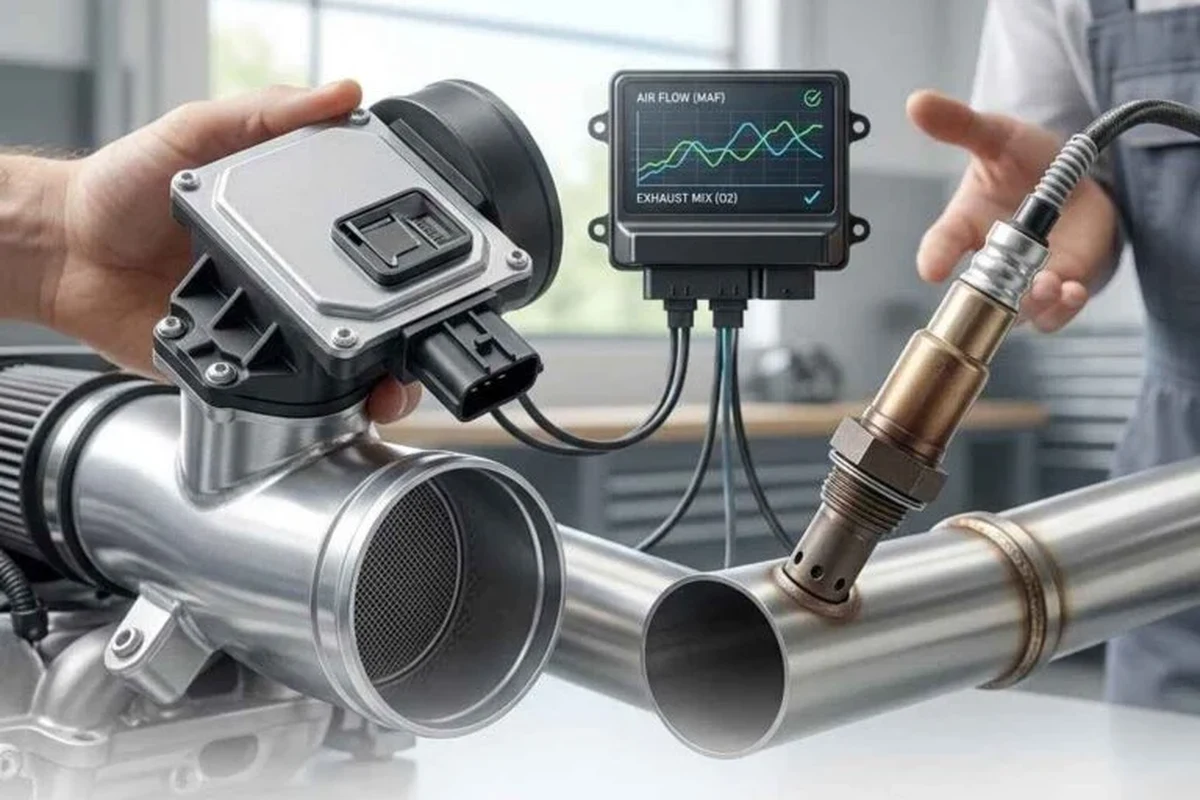
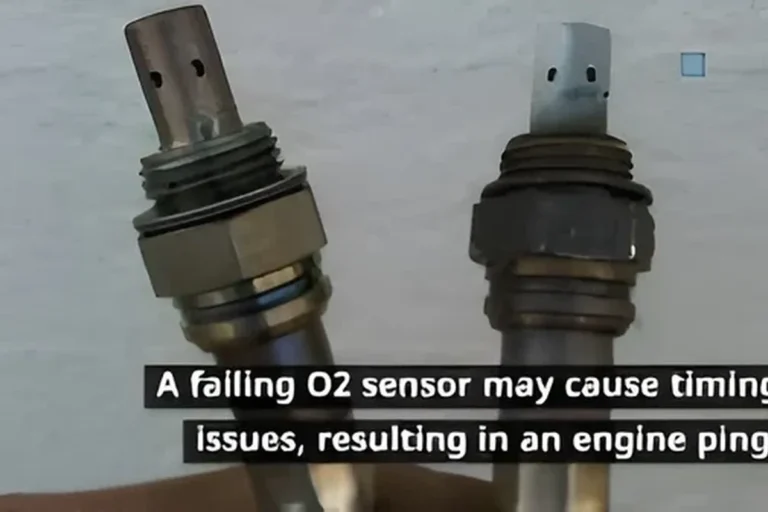
An oxygen sensor helps the engine computer understand how much oxygen is left in the exhaust stream. That information helps the vehicle adjust fuel delivery so the engine can run efficiently and meet emissions targets.
How the sensor works in simple terms
The sensor sits in the exhaust path and sends a signal to the engine control unit. If the exhaust mixture is too rich or too lean, the computer uses that signal to fine-tune fuel injection and ignition behavior.
Many vehicles use more than one oxygen sensor, and some have both upstream and downstream sensors to monitor fuel control and catalytic converter performance.
Why failing sensors affect fuel economy, emissions, and drivability
When an oxygen sensor becomes slow, contaminated, or electrically faulty, the engine computer may lose accurate feedback. That can lead to poor fuel economy, rough idle, hesitation, higher emissions, or a check-engine light.
In some cases, the vehicle still drives normally enough that the problem is easy to ignore. But over time, an inaccurate sensor can make the engine run less efficiently and may also mask other issues that need attention.
How Much Oxygen Sensors Cost in 2026: Parts, Labor, and Total Replacement Price
Current pricing varies a lot by vehicle, retailer, and region, so it is best to treat any estimate as a range rather than a fixed number. A simple sensor on an easy-to-access vehicle may be relatively inexpensive to replace, while a more complex setup can become a much larger repair.
OEM vs. aftermarket pricing differences
OEM sensors are made to the vehicle maker’s specification and are often the safest choice when you want the closest match in connector style, calibration, and emissions-system compatibility. Aftermarket sensors can cost less, but you should verify that the exact part number fits your engine, model year, emissions package, and sensor position.
If you are comparing OEM and aftermarket options, check whether the listing is for a universal sensor or a direct-fit sensor. Direct-fit parts are usually easier for most owners because the connector and lead length are designed for the vehicle.
Labor costs, diagnosis fees, and dealership vs. independent shop estimates
Labor often becomes the biggest part of the bill. A dealership may charge more but can be a better fit for newer vehicles, complex exhaust layouts, or warranty-related work, while an independent shop may be more cost-effective for straightforward replacements.
Diagnosis fees also matter because a check-engine light alone does not prove the oxygen sensor is bad. A proper inspection may involve reading fault codes, checking live data, and confirming whether the sensor, wiring, exhaust leak, or another engine problem is actually causing the issue.
What Makes Oxygen Sensors More or Less Expensive?
Several factors influence cost, and they often stack together. The sensor price is only one part of the equation; access, emissions hardware, and compatibility can change the total significantly.
Vehicle make, engine layout, and sensor location
Some vehicles place sensors in easy-to-reach spots, while others bury them near the firewall, under heat shields, or close to other components. V6, V8, turbocharged, and transversely mounted engines can be harder to service than simpler layouts.
Luxury vehicles and some newer models may also use more specialized parts or tighter packaging, which can increase labor time. If the exhaust system is rusty or heat-cycled, removal can take longer and may require extra care.
Upstream vs. downstream sensor differences
Upstream sensors usually have a more direct role in fuel-trim control, so they are often more critical to drivability. Downstream sensors are typically used to monitor catalytic converter efficiency, and pricing can differ depending on the vehicle and emissions design.
Even when the sensors look similar, they are not always interchangeable. The wrong position, connector, or calibration can trigger new fault codes or prevent the engine computer from reading the signal correctly.
Heated sensors, wiring quality, and connector compatibility
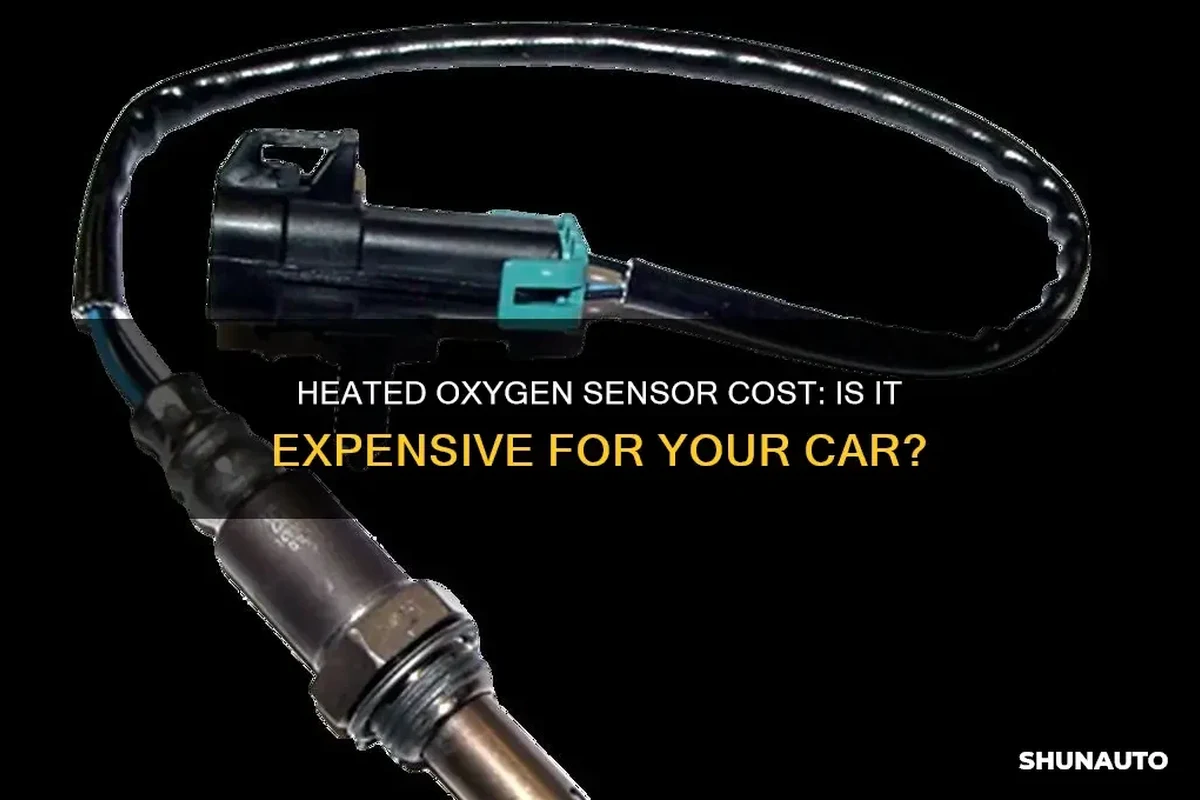
Many modern oxygen sensors are heated so they reach operating temperature faster. That can improve response time, but it also means the wiring, connector, and internal heater circuit must all be in good condition.
Exhaust components can be extremely hot, and damaged wiring near the exhaust should be inspected carefully. If a connector is melted, brittle, or oil-soaked, follow the vehicle manufacturer’s guidance before driving further or attempting replacement.
Who Needs a New Oxygen Sensor and How to Tell It’s Time
Not every drivability issue means the oxygen sensor is failing. The right time to replace one is when the sensor is confirmed bad, contaminated, slow to respond, or electrically out of range, or when the vehicle’s service information points to replacement after diagnosis.
Common symptoms and warning signs
Common signs can include a check-engine light, reduced fuel economy, rough idle, hesitation, failed emissions testing, or a scan tool code related to sensor performance. Some vehicles may also show inconsistent fuel trims or delayed sensor response.
Stop using damaged wiring, melted connectors, or visibly corroded sensor leads as a reason to “wait and see.” Those issues can affect readings and may point to a larger exhaust or electrical problem that should be inspected.
When a check-engine light is not enough to confirm replacement
A check-engine light only tells you something is wrong in the system. The same code can be caused by an exhaust leak, vacuum leak, fuel delivery issue, bad ignition component, contaminated sensor, or wiring fault.
That is why a confirmed diagnosis matters before spending money. Replacing a sensor without checking the root cause can lead to the same warning light returning, which makes the repair feel more expensive than it needed to be.
Buying Guide: How to Choose the Right Oxygen Sensor for Your Car
If you are replacing the sensor yourself or approving a shop estimate, fitment is the most important buying concern. Oxygen sensors are not one-size-fits-all parts, and the wrong match can create more problems than it solves.
- Check the exact model year, engine code, and sensor position
- Confirm direct-fit vs. universal style, connector type, and lead length
- Review emissions-system requirements and warranty terms
Matching part numbers, fitment, and emissions system requirements
Start with the vehicle identification details, then match the part number to the correct bank and sensor position. Some vehicles use different sensors for different banks or exhaust locations, and the emissions package can also affect compatibility.
When in doubt, use the owner’s manual, the official parts catalog, or a reputable parts lookup tool that cross-references the exact vehicle configuration. That extra step can prevent ordering the wrong sensor and paying for return shipping or a second repair.
Key decision criteria: brand reputation, warranty, connector type, and durability
Brand reputation matters because sensor quality can vary, especially with low-cost parts. A stronger warranty may be helpful, but it should not replace fitment verification or a careful look at connector type and wire routing.
- Choose a direct-fit sensor when you want the simplest installation.
- Check whether the connector matches the factory plug exactly.
- Look for clear return policy terms in case the part is wrong.
What to verify before buying: engine code, model year, and sensor position
Before you buy, confirm the engine code, model year, and whether you need upstream or downstream. Those details are often more important than the vehicle badge alone because trim level and emissions package can change the correct part.
Installation, Safety, and Common Mistakes to Avoid
Replacing an oxygen sensor can be a manageable DIY job on some vehicles, but it is not always simple. Rust, heat, cramped access, and fragile wiring can turn a basic swap into a frustrating repair if you are not prepared.
Basic replacement steps and when DIY makes sense
DIY makes sense when the sensor is easy to access, the part is confirmed correct, and you have the right tools and safe working conditions. If the sensor is seized, the exhaust is hot, or access requires removing major components, a professional shop may be the better choice.
Use the vehicle’s service information or a scan tool diagnosis to verify the sensor position and code before replacing anything.
Look for heat damage, corrosion, or broken clips that could affect the new part.
Use the proper sensor for the bank and position, and follow the manufacturer’s torque and routing guidance.
Safe use, inspection, and replacement guidance for wiring and connectors
Keep the exhaust cool before working near it, and avoid forcing connectors that do not match. If the harness is damaged, the repair may involve more than the sensor itself, so the vehicle should be inspected before the new part is installed.
Common mistakes: using the wrong sensor, damaging threads, or ignoring related issues
Common mistakes include mixing up upstream and downstream sensors, cross-threading the sensor into the exhaust, or replacing the sensor when the real issue is a vacuum leak or exhaust leak. Those errors can waste money and leave the original problem unresolved.
It is also easy to overlook related codes. If the engine has misfires, fuel trim problems, or catalyst-efficiency issues, the oxygen sensor may be reporting a symptom rather than being the root cause.
Are Oxygen Sensors Worth the Cost? Final Value Breakdown and Recommendation
For most drivers, oxygen sensors are worth replacing when diagnosis confirms the part is faulty. The cost is usually easier to justify when the sensor is affecting fuel economy, emissions readiness, or drivability, especially if the vehicle needs to pass inspection.
Real-world benefits, limitations, and evidence limits for cost savings claims
It is reasonable to expect a bad sensor replacement to help restore proper engine feedback, but exact fuel-savings claims are hard to predict because results depend on the vehicle and the underlying fault. A new sensor will not fix unrelated problems such as ignition misfires, exhaust leaks, or fuel-system issues.
- Sensor parts are often manageable in price, but labor and access can raise the total.
- Fitment, bank location, and connector type matter more than the part name alone.
- Diagnosis should come before replacement so you do not pay for the wrong repair.
When to replace now vs. when to diagnose other engine problems first
Replace now when the sensor is confirmed bad, the wiring is damaged, or emissions testing depends on a working sensor. Diagnose other engine problems first when the code is vague, the vehicle has multiple symptoms, or the sensor may be reacting to another fault.
Transparent verdict for budget-conscious drivers and long-term owners
If you are trying to keep repair costs under control, oxygen sensors are usually a smart fix only after proper diagnosis. They are not the most expensive part on the car, but they can become expensive when the wrong part is ordered, the sensor is hard to reach, or the real cause is elsewhere.
Oxygen sensors are usually moderately priced, but total replacement cost can climb quickly with labor and difficult access. Budget-conscious drivers should verify the exact sensor position and confirm the diagnosis first; long-term owners should choose a correct-fit part and a repair path that addresses any related engine or wiring issues.
Frequently Asked Questions
The part price varies widely by vehicle, brand, and sensor position. The total repair can be much higher once labor and diagnosis are included.
It is usually worth replacing when diagnosis confirms the sensor is faulty. If the code may be caused by another engine or wiring issue, diagnose first.
Many vehicles will still run, but fuel economy, emissions, and drivability can suffer. A confirmed fault should be addressed as soon as practical.
Upstream sensors help control fuel mixture, while downstream sensors usually monitor catalytic converter performance. They are not always interchangeable.
OEM parts usually offer the closest fit, while aftermarket parts can cost less. The most important step is verifying exact fitment, connector type, and sensor position.
Prices vary because of vehicle layout, sensor access, wiring condition, shop labor rates, and whether the part is direct-fit or universal. Diagnosis fees can also add to the total.