Best Banner Elk Cameras for Stunning Mountain Views
The best Banner Elk camera depends on whether you want scenic viewing, security, or both. For most cabins and mountain homes, a weather-resistant outdoor camera with stable power and strong app support is the safest all-around choice.
If you’re shopping for banner elk cameras, the best choice depends on whether you want a scenic live view, reliable property monitoring, or a weather-resistant setup for a cabin or rental. In Banner Elk’s mountain conditions, the smartest pick is usually a camera with strong low-light performance, solid weather sealing, dependable connectivity, and a mount that can handle wind, snow, and seasonal visibility changes.
- Choose by use case: Scenic webcam, PTZ, and security camera each solve different Banner Elk needs.
- Weather matters: Fog, snow, wind, and glare can affect image quality and mounting stability.
- Check connectivity: Weak Wi-Fi is a common reason outdoor cameras underperform in cabins.
- Verify support: Confirm app compatibility, firmware updates, warranty terms, and storage options before buying.
Best Banner Elk Cameras for Stunning Mountain Views: What to Choose First

Before comparing models, decide what you want the camera to do. A camera that looks great on a ridge for a live mountain view is not always the same camera that works best for security, guest access, or all-night monitoring.
Quick verdict for readers who want the best view, reliability, and value
For scenic viewing, a weatherproof webcam or PTZ-style camera with a wide field of view and usable zoom is usually the most satisfying option. For security and remote monitoring, an outdoor Wi‑Fi camera with strong motion alerts, night vision, and cloud or local storage is the more practical choice.
If you want the best balance for a cabin or vacation home, look for a wired outdoor model or a dependable hybrid setup that prioritizes stable power, strong app support, and weather resistance over flashy extras.
How this guide evaluates Banner Elk cameras in 2026
This guide focuses on decision-making rather than unsupported performance claims. The most useful factors here are image clarity, weather tolerance, mounting flexibility, app reliability, storage options, and how well each camera type handles mountain terrain, fog, snow, and changing light.
What “Banner Elk Cameras” Usually Means in a Smart Home Setup
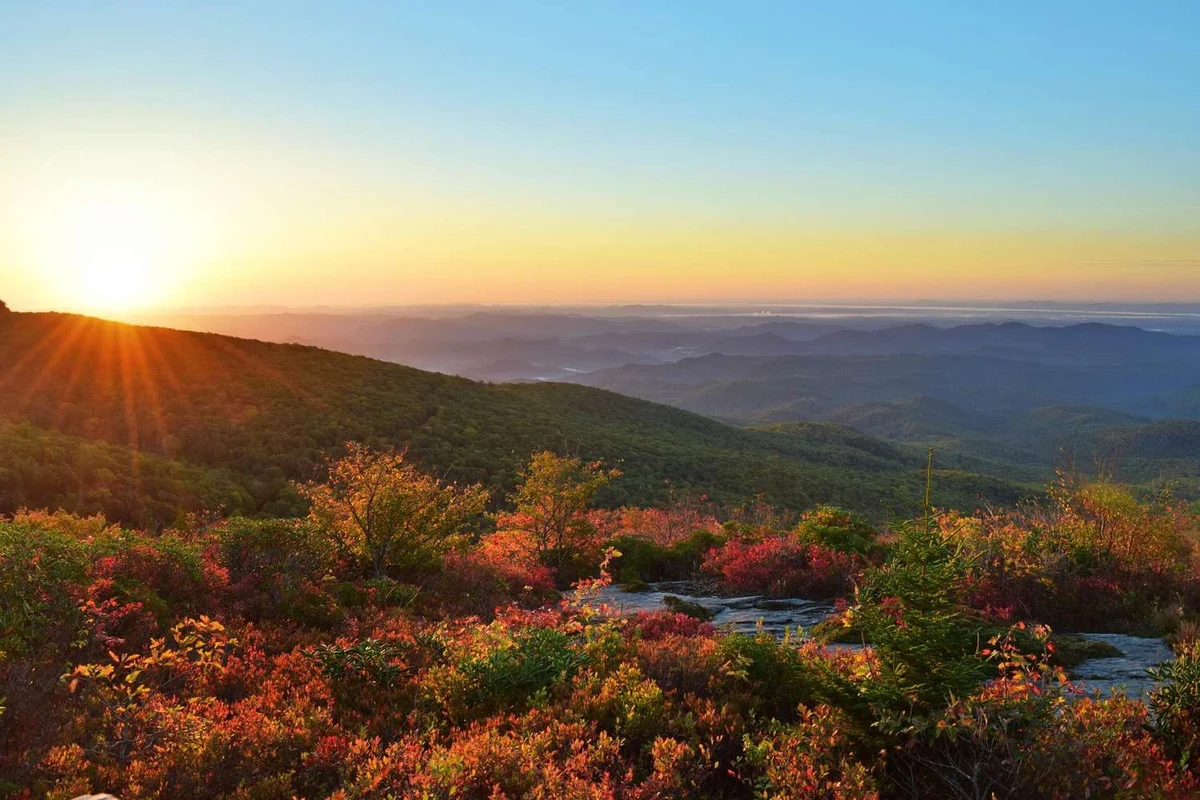
The phrase “banner elk cameras” can mean different things depending on the buyer. Some people want a camera pointed at a mountain view, while others want a camera that watches a driveway, porch, rental entry, or utility area.
Live webcams vs. security cameras vs. weather cameras
Live webcams are mainly for sharing a scenic view and usually prioritize a stable image and wide framing. Security cameras focus on motion detection, alerts, night vision, and recording evidence. Weather cameras sit somewhere in between and may be used to observe snow, fog, road conditions, or changing mountain visibility.
The feature set matters because the best scenic camera may not have the alerting or storage options a homeowner expects. Likewise, a strong security camera may compress the image more aggressively than a viewer would want for a mountain panorama.
How mountain conditions change the camera choice
Mountain environments can be harder on electronics than suburban installs. Wind, freezing temperatures, moisture, glare, and rapid weather shifts can all affect image quality and long-term reliability.
Low clouds, fog, and snow glare can make a camera’s sensor performance matter more than raw resolution alone.
That means you should pay attention to operating temperature ranges, sealing, and how the camera handles bright snow scenes and dim twilight conditions.
Who this guide is best for: homeowners, cabin hosts, and property managers
Homeowners usually want a mix of security and convenience. Cabin hosts often need remote access, guest-friendly setup, and dependable alerts. Property managers may care most about uptime, multi-camera support, and simple maintenance across multiple buildings or entrances.
Top Camera Types for Banner Elk: Which One Fits Your View?
There is no single best camera for every mountain property. The right type depends on whether your priority is a fixed scenic shot, a flexible zoomed view, or a security-focused angle near an entrance or driveway.
Outdoor Wi-Fi security cameras for homes and cabins
Outdoor Wi‑Fi cameras are the most common smart-home choice. They usually offer motion alerts, app control, and recording features, which makes them useful for porches, parking areas, and entry points.
The main trade-off is that Wi‑Fi strength can be inconsistent in remote or multi-story cabin layouts. If your router is far from the mount point, you may need a stronger network, a mesh system, or a wired option instead.
PTZ and zoom cameras for wide mountain panoramas
PTZ cameras can pan, tilt, and zoom, which makes them appealing when you want one camera to cover a broad scenic area. They are especially useful when the ideal view changes by season or when you want to adjust framing without climbing back to the mount.
The limitation is that PTZ features vary widely by model and app. Some cameras offer smooth control and useful presets, while others feel limited or depend heavily on firmware and network quality.
Weatherproof webcams for scenic live streaming
Weatherproof webcams are a strong fit for public-facing scenic feeds, lodge websites, and property pages. They usually emphasize a steady image, simple streaming workflow, and a mount that stays pointed at one view.
These are not always the best choice for security because they may not include the same motion detection or evidence-oriented storage options as a dedicated camera.
Battery-powered vs. wired models: trade-offs for remote installs
Battery-powered cameras are easier to place when running cable is difficult. They can work well for temporary installs or spots where drilling is limited.
Wired cameras are usually better for long-term reliability, especially in cold weather or on remote cabins where recharging is inconvenient. The best choice depends on access to safe power, the distance to the router, and how often you want to service the device.
- Battery models are easier to install in hard-to-reach places
- Wired models usually offer steadier uptime and less maintenance
- Battery life varies with motion activity, temperature, and app settings
- Wired installs may require more planning and safer cable routing
Key Specs That Matter in Banner Elk Weather and Terrain
Specs matter more in the mountains because the environment can expose weak points quickly. A camera that looks good on paper may still struggle if it has weak low-light performance, poor weather sealing, or unreliable connectivity.
Resolution, zoom, and field of view for capturing mountain detail
Higher resolution can help preserve landscape detail, but it is not the only important spec. Field of view determines how much of the scene you capture, while zoom determines how much detail you can isolate from a distance.
For mountain views, a wide field of view is useful for scenery, but too wide can make distant ridgelines look small. If you care about both landscape and specific landmarks, look for a camera that balances width with usable zoom.
Night vision, low-light performance, and glare control
Night vision matters for security, but low-light performance also affects dawn, dusk, and overcast afternoons. In snowy areas, glare control can be just as important because bright reflections can wash out the image.
Look for cameras that clearly describe how they handle infrared, color night modes, or low-light sensors. Manufacturer wording varies, so check the official manual and app listing for the exact behavior of the model you are considering.
Weather resistance, operating temperature, and wind exposure
Outdoor camera ratings and operating ranges vary by model, and those details should be verified before buying. In Banner Elk, the camera should be mounted where it can tolerate wind, moisture, and seasonal temperature swings without loosening or fogging up.
Weather ratings, operating temperature limits, and sealing claims are model-specific. Confirm the exact specifications in the manufacturer’s documentation before installation.
Power needs, cable quality, and safe installation limits
Power is often the hidden issue in mountain installs. Battery cameras reduce cabling but require charging or battery swaps, while wired cameras depend on safe routing, weather-appropriate cable quality, and compatible power adapters.
Use only the power adapter, cable type, and mounting method recommended by the manufacturer. If a cable is damaged, frayed, or exposed to moisture, stop using it and replace it with the correct part.
Connectivity: Wi-Fi range, app requirements, and storage options
Connectivity can make or break the experience. A camera may have excellent image quality but still be frustrating if the Wi‑Fi signal is weak or the app requires a setup process that does not fit your phone or router.
Check whether the camera supports local storage, cloud recording, or both. Local storage can reduce subscription dependence, while cloud plans may add convenience for remote access and event history.
How to Set Up a Banner Elk Camera for the Best Results
Good setup is often more important than a slightly better spec sheet. A well-placed midrange camera can outperform a premium model that is mounted too low, aimed poorly, or connected to a weak network.
Placement tips for ridgelines, porches, and cabin exteriors
For scenic views, aim the camera where it can see the horizon or the most recognizable mountain line without being blocked by railings, branches, or roof edges. For security, place cameras near entry points, parking areas, or walkways rather than pointing them at unnecessary areas.
If you are filming a scenic view for guests or the public, avoid angles that capture neighboring windows, decks, or private spaces.
Mounting height, angle, and stability considerations
Mount the camera high enough to reduce tampering and improve the angle, but not so high that maintenance becomes difficult. Stable mounting matters in windy areas because even small vibrations can make the image feel shaky.
Before finalizing the mount, test the framing at different times of day. A view that looks great at noon may suffer from glare or shadow at sunrise and sunset.
App setup, account creation, and network pairing steps
Most smart cameras require an app, an account, and a pairing process that may involve QR codes, Bluetooth, or a temporary Wi‑Fi connection. Follow the official setup guide closely, because steps can differ by model and firmware version.
Check the app store listing, phone OS support, and account requirements before mounting the camera.
Set up the camera near the router first if possible, then move it to the final location after pairing succeeds.
Install official updates after setup to improve stability, security, and feature support when available.
When to use local storage, cloud plans, or both
Local storage is useful when you want fewer recurring fees and a backup record on-site. Cloud storage can be better for remote access, event sharing, and off-property peace of mind.
Many users choose both when the camera supports it, but you should verify what each storage mode actually includes before relying on it.
Real-World Benefits and Common Limitations to Expect
A good Banner Elk camera can improve convenience, confidence, and the overall guest experience. Still, mountain weather and terrain create limitations that are worth understanding before you buy.
Better property monitoring, scenic viewing, and guest confidence
For homeowners, a camera can help check whether the driveway is clear, a package arrived, or a porch area needs attention. For cabin hosts, a visible camera system can also reassure guests that the property is maintained and monitored.
For scenic use, a stable live image can make a property feel more welcoming and can support website content, social sharing, or remote check-ins.
Limits from fog, snow, tree cover, and seasonal weather shifts
Fog and heavy snowfall can reduce visibility no matter how good the camera is. Trees that look harmless in summer may block a mountain view once leaves return, and winter glare can wash out fine detail.
That is why placement and seasonal rechecking matter. A camera that works well in one season may need a small angle adjustment in another.
Privacy concerns and how to avoid filming neighboring property
Privacy should be part of the setup from day one. Keep the field of view focused on your property, and review the live image carefully before leaving the camera in place.
Use app privacy settings, notification controls, and access permissions responsibly. If the camera is for a rental or guest space, make sure any monitoring is clearly disclosed and consistent with applicable rules.
Common mistakes: weak signal, poor angle, and underpowered installs
The most common problems are not usually the camera itself but the environment around it. Weak Wi‑Fi, a low-quality mount, poor power planning, and a bad viewing angle can all make a capable camera feel unreliable.
- Check compatibility, model number, app requirements, dimensions, ports, wattage, and intended use
- Confirm safety guidance, warranty, return policy, privacy settings, and update support
Maintenance, Safety, and Long-Term Care for Mountain Camera Installations
Outdoor cameras last longer when they are cleaned, inspected, and updated on a regular schedule. In mountain conditions, small maintenance habits can prevent many of the issues that show up later as blurry images, failed connections, or power problems.
Cleaning lenses, checking seals, and preventing moisture buildup
Use the cleaning method recommended by the manufacturer, especially for lens covers and weather seals. Avoid harsh cleaners that could damage coatings or seals.
If condensation or moisture appears inside the housing, check the install location, seal integrity, and weather exposure. Persistent moisture is a sign to inspect the setup rather than ignore it.
Inspecting mounts, cables, and power adapters for wear or heat
Outdoor mounts can loosen over time, especially after wind or freeze-thaw cycles. Cables and adapters should be checked for wear, corrosion, or abnormal heat.
Stop using damaged electronics, swollen batteries, frayed cables, overheating chargers, or unstable mounts and follow the manufacturer’s guidance.
Battery replacement, charger limits, and safe use guidance
If your camera uses a battery, follow the manufacturer’s charging instructions and avoid improvised power setups. Use only the charger and replacement battery type approved for that model when possible.
Battery performance can drop in cold weather, so keep expectations realistic and check the camera more often during winter if it depends on battery power.
Storage, firmware updates, and off-season protection
When a property is not in use, consider whether the camera should remain active, be covered, or be brought indoors, depending on the model and weather exposure. Keep firmware updated through the official app or vendor instructions, and review account permissions periodically.
If the manufacturer offers seasonal storage guidance, follow it. That is especially important for cameras that may sit unused for long stretches in cabins or vacation homes.
Final Recommendation: Which Banner Elk Camera Is Best for Your Needs?
The best Banner Elk camera is the one that matches your view, your weather exposure, and your maintenance tolerance. Scenic users should prioritize framing, zoom, and weatherproof streaming stability, while security-focused buyers should prioritize alerts, night vision, and dependable storage.
Best for scenic viewing
A weatherproof webcam or PTZ-style camera is usually the best fit if your main goal is a beautiful mountain view. Choose one with a wide field of view, strong daylight handling, and a mount that stays steady in wind.
Best for security and remote monitoring
An outdoor Wi‑Fi security camera or wired outdoor model is the smarter choice for monitoring porches, driveways, and entry points. Look for reliable app support, alert controls, and storage options that match how often you want to review footage.
Best value pick for cabins and vacation homes
The best value usually comes from a camera that is simple to install, easy to maintain, and backed by clear manufacturer support. For many cabins, that means a model with solid weather resistance, dependable connectivity, and a power setup that does not require frequent attention.
What to verify before buying: warranty, app support, and service coverage
Before you buy, confirm the warranty terms, app compatibility, firmware update support, and whether the model is still actively serviced. Also check current specs directly with the manufacturer, because features and compatibility can vary by region, firmware, and retailer bundle.
For most readers, the best Banner Elk camera is a weather-resistant model that balances image quality, stable power, and dependable app support. Choose scenic-focused hardware if the view is the priority, and choose a security-focused outdoor camera if monitoring and alerts matter more.
Frequently Asked Questions
A weatherproof webcam or PTZ camera is usually best for scenic views because it can frame wide landscapes and handle outdoor exposure. If you also want alerts and recording, an outdoor security camera may be the better fit.
Outdoor cameras in mountain areas should have verified weather resistance and an operating range that fits cold, wind, and moisture. Always check the exact manufacturer specs before installing.
Wired cameras are usually better for long-term reliability, while battery-powered models are easier to place in hard-to-reach spots. Your choice depends on access to power, Wi-Fi strength, and how often you want to maintain the camera.
Look for strong low-light performance, stable connectivity, weather resistance, and storage options that fit your privacy needs. A secure mount and reliable app support matter just as much as image quality.
Aim the camera only at your own property and review the live view before finalizing the mount. Use privacy settings and access controls in the app, and follow local rules if the camera is visible to guests or neighbors.
Confirm the exact model number, app compatibility, warranty terms, storage options, and weather ratings. Also check current firmware support and whether the camera is still actively serviced by the manufacturer.





One Comment