Can Knock Sensor Cause Overheating
A knock sensor usually does not directly cause overheating, but a fault can indirectly affect engine timing and make heat-related symptoms worse. If the engine is truly hot, check the cooling system first and treat the knock sensor as part of the broader diagnosis.
A bad knock sensor usually does not directly cause engine overheating, but it can contribute to conditions that make an engine run hotter than normal. If the sensor, wiring, or ECU input is wrong, the engine may lose timing control, run less efficiently, and create extra stress that shows up as heat-related symptoms.
- Direct cause: A knock sensor rarely causes true overheating on its own.
- Indirect effect: Bad knock data can change timing and engine efficiency, which may raise heat under.
- Best diagnosis: Check codes, live data, wiring, grounds, and the cooling system together.
- Overheating signs: Coolant loss, steam, gauge spikes, and warning messages usually point beyond the sensor.
- Next step: Follow the official manual before replacing parts.
Can a Knock Sensor Cause Overheating? The Short Answer and Why It Matters
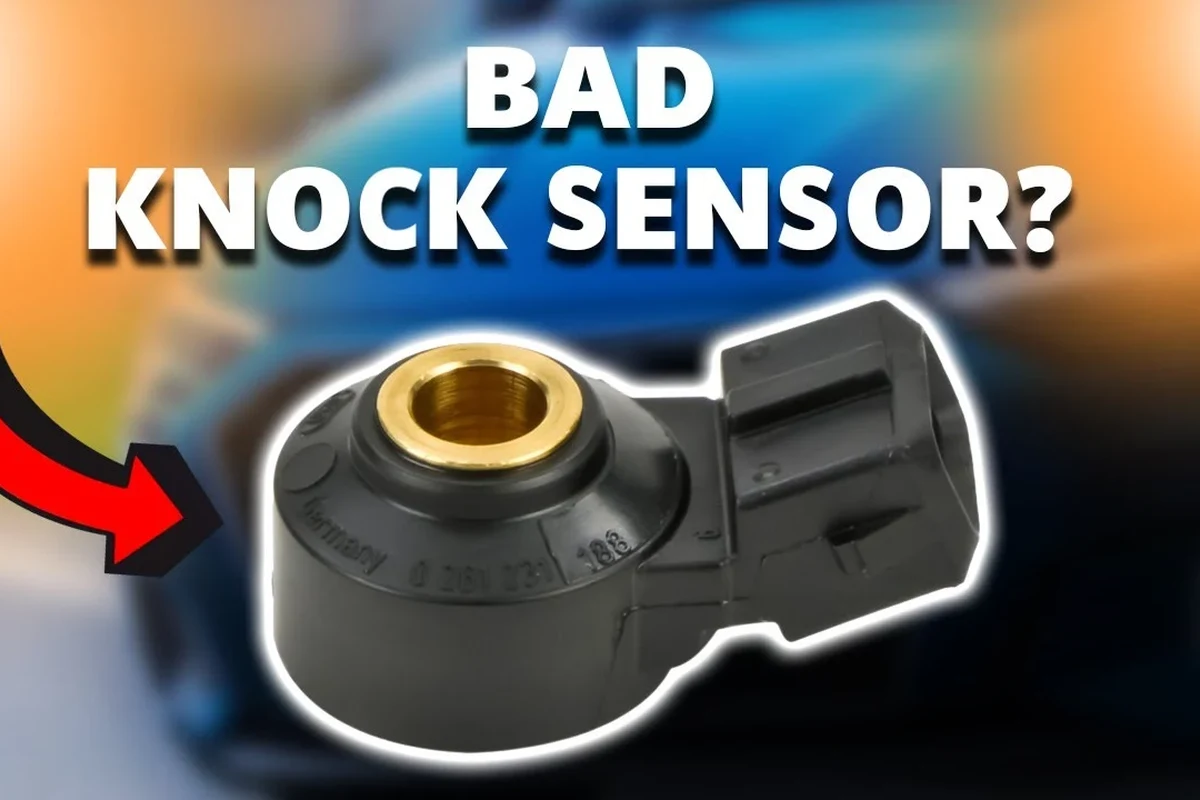
The short answer is: not usually by itself. A knock sensor is mainly a protection device, but when it fails or sends bad data, the engine computer may respond in ways that can raise temperatures indirectly or make an existing cooling problem more obvious.
That distinction matters because many drivers replace the knock sensor first when the real issue is elsewhere. Overheating can come from coolant loss, a stuck thermostat, a weak water pump, fan problems, or a wiring fault that affects engine control.
What a Knock Sensor Actually Does in 2026 Engines
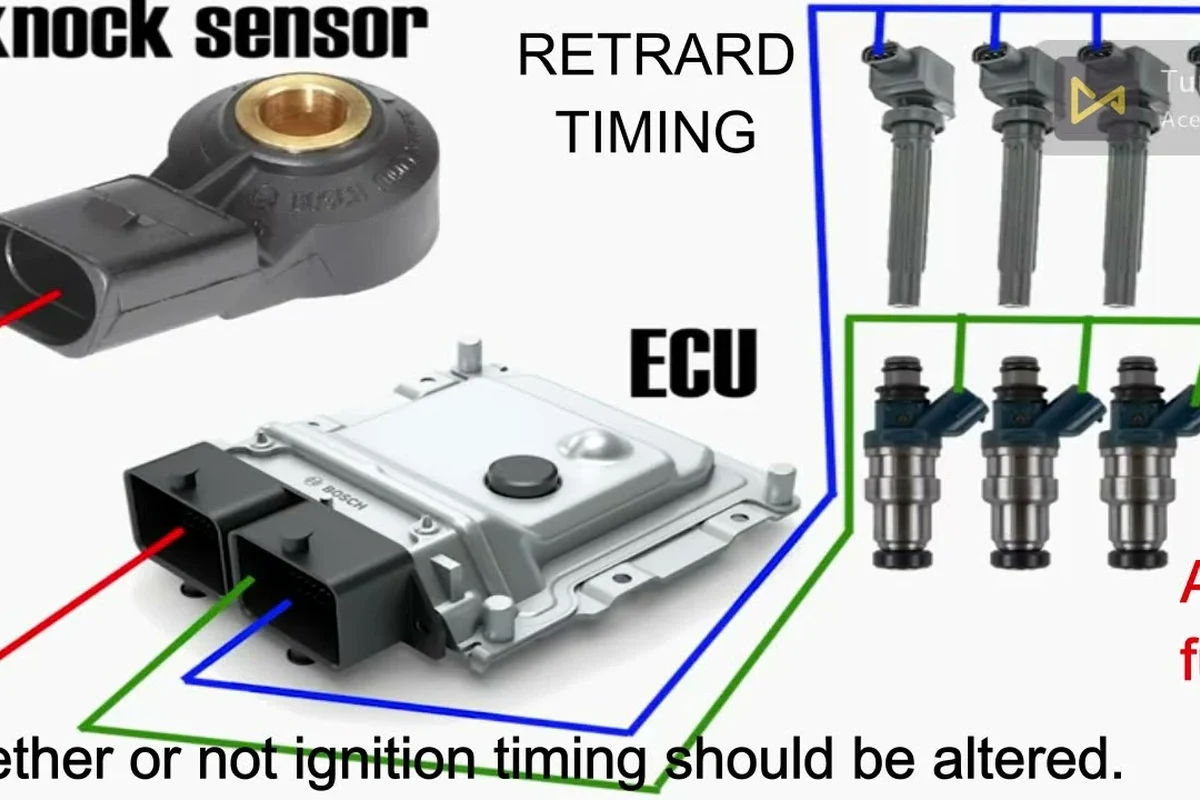
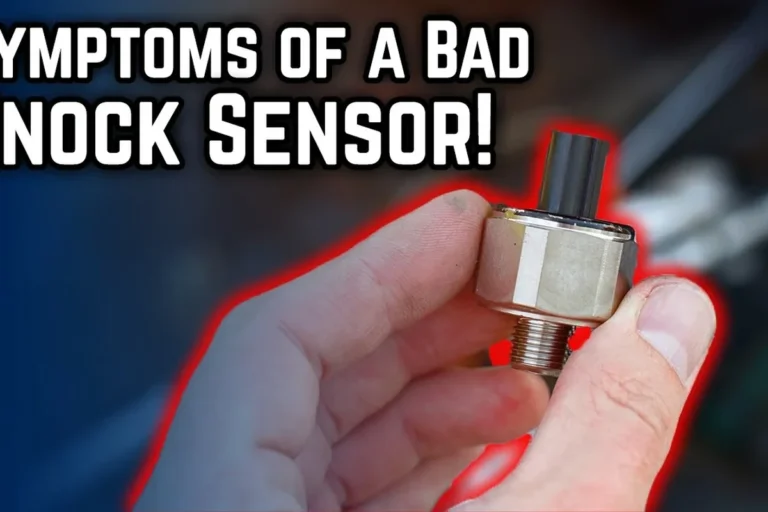
A knock sensor listens for abnormal combustion vibration, often called pinging or detonation. The engine control unit, or ECU, uses that signal to adjust ignition timing and protect the engine under changing load, fuel quality, altitude, and temperature conditions.
How knock detection helps the ECU adjust timing and protect the engine
When the ECU detects knock, it typically retards ignition timing to reduce cylinder pressure spikes. That can protect pistons, valves, and head gaskets from damage, even though it may slightly reduce power and fuel efficiency while the problem is being corrected.
In normal operation, this is a fast feedback loop. The sensor is not a cooling part, but it helps the engine stay in a safe combustion range, which can affect how much heat the engine produces overall.
Why a faulty knock sensor can indirectly affect heat levels
If the sensor falsely reports knock, the ECU may pull timing too aggressively. Retarded timing can make the engine feel sluggish and sometimes less efficient, and in some vehicles that can increase exhaust heat or load-related heat under certain conditions.
If the sensor fails in the opposite direction and does not detect real knock, the engine may run with unsafe timing. That can create engine stress, poor combustion, and higher thermal load, but it still does not replace the cooling system as the main source of true overheating.
Behavior varies by make, model, ECU strategy, and firmware calibration. Some vehicles will limit power heavily when knock-related faults appear, while others may show only a warning light and drivability changes.
Can Knock Sensor Problems Really Lead to Overheating?
Yes, but usually indirectly. A knock sensor fault can contribute to heat buildup if it changes timing, fuel delivery, or engine load enough to make the engine work harder than intended.
Direct vs. indirect causes: timing retard, fuel mixture, and engine stress
The most common indirect path is timing retard. If the ECU keeps the engine in a conservative mode because it thinks knock is present, combustion efficiency drops and the engine may run rough, lazy, or under heavier load than normal.
Another possibility is that a knock-related issue is part of a larger sensor or wiring problem affecting engine management. In that case, the engine may run rich, misfire, or struggle under load, which can raise temperatures and make the cooling system appear to be the problem when it is only reacting to the underlying fault.
Many modern ECUs can change timing, fuel trim, and throttle response together, so a single sensor fault can create symptoms that look unrelated at first.
When overheating points to a different root problem
If the temperature gauge climbs quickly, the coolant reservoir is low, or steam is coming from under the hood, the knock sensor is probably not the main cause. Those signs usually point to a cooling-system fault such as a leak, stuck thermostat, failed fan, clogged radiator, or water pump issue.
It is also possible for an overheated engine to damage sensor wiring or connectors after the fact. In that case, the knock sensor code may be a symptom of the overheating event rather than the reason it happened.
Common Symptoms That Link Knock Sensor Faults and Heat Issues
Knock sensor problems and overheating can overlap in confusing ways. The key is to separate drivability symptoms from actual cooling symptoms.
Check engine light, loss of power, poor fuel economy, and pinging
A faulty knock sensor often triggers a check engine light and stored diagnostic trouble codes. Drivers may also notice reduced power, hesitant acceleration, poor fuel economy, or a pinging sound under load if the engine is not controlling knock properly.
Those symptoms do not prove overheating, but they do show the engine is not operating efficiently. If heat rises at the same time, the engine may be under more stress than usual, especially during towing, hill climbs, hot weather, or stop-and-go driving.
Signs of true overheating: coolant loss, temp gauge spikes, steam, and warning messages
Real overheating usually shows up as a rising temperature gauge, coolant smell, visible steam, a low coolant warning, heater output that suddenly turns cold, or dashboard messages telling you to stop the vehicle. Coolant loss is especially important because it often points directly to the cooling system.
If the temperature warning is active, steam is present, or the engine is boiling over, pull over safely and shut the engine off. Do not remove the radiator cap on a hot engine.
Diagnostic Criteria: How to Tell Whether the Knock Sensor Is the Cause
Good diagnosis starts with codes, live data, and a visual inspection. Replacing the knock sensor without checking the cooling system can waste money and leave the real problem unresolved.
OBD-II codes, live data, and what to verify before replacing parts
Use an OBD-II scanner to look for knock sensor codes, timing-related codes, misfire codes, and any cooling-system codes if the vehicle supports them. Then review live data for ignition timing, engine load, fuel trims, coolant temperature, and knock-retard behavior if your scan tool can display those values.
Before replacing anything, confirm whether the ECU is reacting to a real knock event or a false signal. A code alone does not prove the sensor is bad; it may point to wiring damage, connector corrosion, noise from another engine issue, or a calibration problem specific to the vehicle.
Check for knock, misfire, coolant temperature, and fan-control codes together instead of focusing on just one fault.
Look for abnormal timing retard, unstable coolant temperature, or fuel trim values that suggest a larger engine-management issue.
Verify coolant level, hoses, radiator condition, fan operation, and signs of leaks before replacing the sensor.
Key inspection points: wiring, connectors, engine grounds, and coolant system condition
Knock sensor faults are often caused by damaged wiring, loose connectors, poor engine grounds, or oil and coolant contamination around the harness. Physical inspection matters because vibration and heat can degrade connectors long before the sensor itself fails.
At the same time, inspect the thermostat, radiator cap, water pump area, electric fans, and coolant level. If the cooling system is weak, the engine may overheat regardless of the knock sensor’s condition.
- Check the exact fault code and freeze-frame data
- Inspect wiring, connectors, and grounds for heat damage or corrosion
- Verify coolant level, fan operation, and thermostat behavior
- Confirm the repair procedure in the official service manual
Repair Options, Costs, and Value in 2026
The right repair depends on what failed first. A sensor replacement is only one option, and it is not always the best one.
Sensor replacement vs. wiring repair vs. cooling-system service
If the sensor is confirmed bad, replacement may solve the knock-related symptoms. If the harness, connector, or ground is the real issue, repairing the wiring can be more effective and more durable than swapping the sensor alone.
If the engine is truly overheating, cooling-system service may be the priority. That can include fixing leaks, replacing the thermostat, addressing fan problems, or servicing the water pump depending on the diagnosis and vehicle design.
What influences cost, labor time, and long-term reliability
Costs vary widely by vehicle because some knock sensors are easy to reach while others sit under intake components or in tight engine bays. Labor time depends on access, whether intake parts must be removed, and whether related wiring damage is found during inspection.
Long-term reliability usually depends on fixing the root cause, not just clearing the code. If heat, oil leaks, or coolant contamination damaged the original sensor or harness, those issues should be addressed before the replacement part goes in.
- Can restore proper engine timing control
- May improve drivability and fuel economy when the sensor is truly faulty
- Can prevent further engine stress if knock detection is restored
- May not solve overheating if the cooling system is the real fault
- Diagnosis can be labor-intensive on some engines
- Wiring or contamination problems can return if root causes are ignored
Safe Driving, Maintenance, and Common Mistakes to Avoid
Whether you can keep driving depends on the symptoms. A knock sensor fault alone may allow limited driving, but overheating changes the situation immediately.
When it is safe to drive and when to stop immediately
If the vehicle only has a knock sensor code and the temperature stays normal, short, cautious driving to a repair shop may be reasonable in some cases. Avoid hard acceleration, towing, and long highway climbs until the fault is diagnosed.
If the temperature gauge rises, the warning light comes on, or steam appears, stop driving as soon as it is safe. Continuing to drive an overheating engine can cause severe damage much faster than a sensor fault alone.
Stop using damaged wiring, melted connectors, or any vehicle that is actively overheating. Follow the manufacturer’s service procedure and cooling-system safety guidance before restarting the engine.
Preventive care: torque specs, heat damage, contamination, and storage of replacement parts
Knock sensors are often torque-sensitive, so installation should follow the official service manual. Over-tightening can affect sensor readings or damage the component, while under-tightening can create poor contact or false signals.
Keep replacement parts clean and dry, especially if they are stored before installation. Avoid contamination from oil, coolant, or sealant, and inspect nearby heat sources that may have cooked the original sensor or harness over time.
- Always match the sensor to the exact engine code or VIN application when possible
- Check for hidden wiring damage near exhaust heat and engine movement points
- Confirm the cooling system is healthy before assuming the knock sensor caused the heat issue
- Use the official manual for torque specs and connector routing
Final Verdict: When to Suspect the Knock Sensor and What to Do Next
A knock sensor can contribute to overheating symptoms indirectly, but it is rarely the main cause of true overheating. If the engine is actually running hot, the cooling system should be checked first, while the knock sensor and its wiring should be evaluated as part of the broader diagnosis.
The smartest next step is to read the codes, inspect live data, and verify coolant system health before replacing parts. If you want the fastest path to a correct repair, focus on the symptom pattern: knock sensor faults usually affect timing and drivability, while overheating usually points to coolant, airflow, or mechanical cooling problems.
Suspect the knock sensor when you see timing-related codes, pinging, reduced power, or false knock behavior. Suspect a cooling-system fault when the temperature gauge climbs, coolant drops, or steam appears.
Frequently Asked Questions
Usually no. A bad knock sensor more often affects timing and drivability, while true overheating is more commonly caused by the cooling system.
Common signs include a check engine light, reduced power, poor fuel economy, and pinging or knocking under load. The exact symptoms vary by vehicle and ECU strategy.
Look for a rising temperature gauge, coolant loss, steam, warning messages, or a sudden change in heater output. Those signs usually point to a cooling-system problem.
Scan for knock sensor codes, misfire codes, coolant temperature codes, and any related timing or engine-management faults. Freeze-frame data and live data help confirm whether the sensor is actually the problem.
Sometimes, if the engine temperature stays normal and drivability is still acceptable. Do not keep driving if the engine is overheating, losing coolant, or showing steam or warning messages.
If the engine is truly overheating, inspect the cooling system first. If the main symptoms are timing-related, pinging, or reduced power, then the knock sensor and its wiring should be checked next.