Do Hospitals Have Cameras in the Rooms What to Know
Most hospitals do not place cameras in standard patient rooms, but they may use them in hallways, entrances, and certain high-monitoring units. If you are unsure, ask staff whether a room is monitored, whether footage is recorded, and who can view it.
If you’re asking, “do hospitals have cameras in the rooms,” the short answer is usually no for standard patient rooms, but yes in some specific care settings and public areas. Hospitals tend to place cameras where safety, security, or clinical monitoring matters most, while avoiding routine room surveillance because privacy rules and patient rights matter a lot.
- Standard rooms: Routine patient rooms usually are not under constant camera surveillance.
- Common locations: Hospitals more often place cameras in public areas and selected care units.
- Privacy first: Consent rules, disclosure, and access controls shape where cameras can go.
- Ask directly: The most useful questions are about recording, storage, and who can view footage.
Do Hospitals Have Cameras in the Rooms? The Short Answer and What It Means
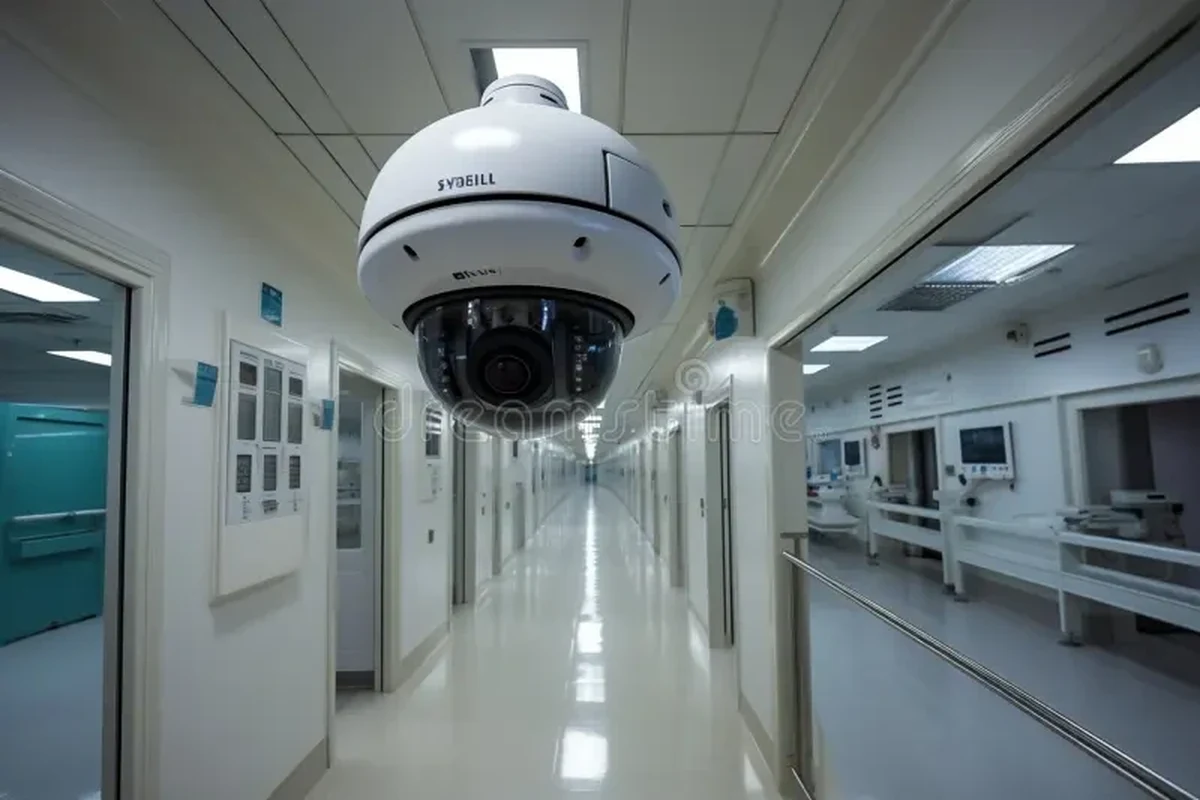
In most hospitals, regular patient rooms do not have continuous video cameras pointed at the bed or bathroom area. Instead, cameras are more commonly used in hallways, entrances, lobbies, nurse stations, parking areas, and selected high-monitoring units.
That said, “no cameras in patient rooms” is not a universal rule. Some rooms may include video monitoring for a specific medical or safety reason, and some facilities use audio-visual systems in limited situations with notice and policy controls.
Why Hospitals Use Cameras in Certain Areas but Not Most Patient Rooms
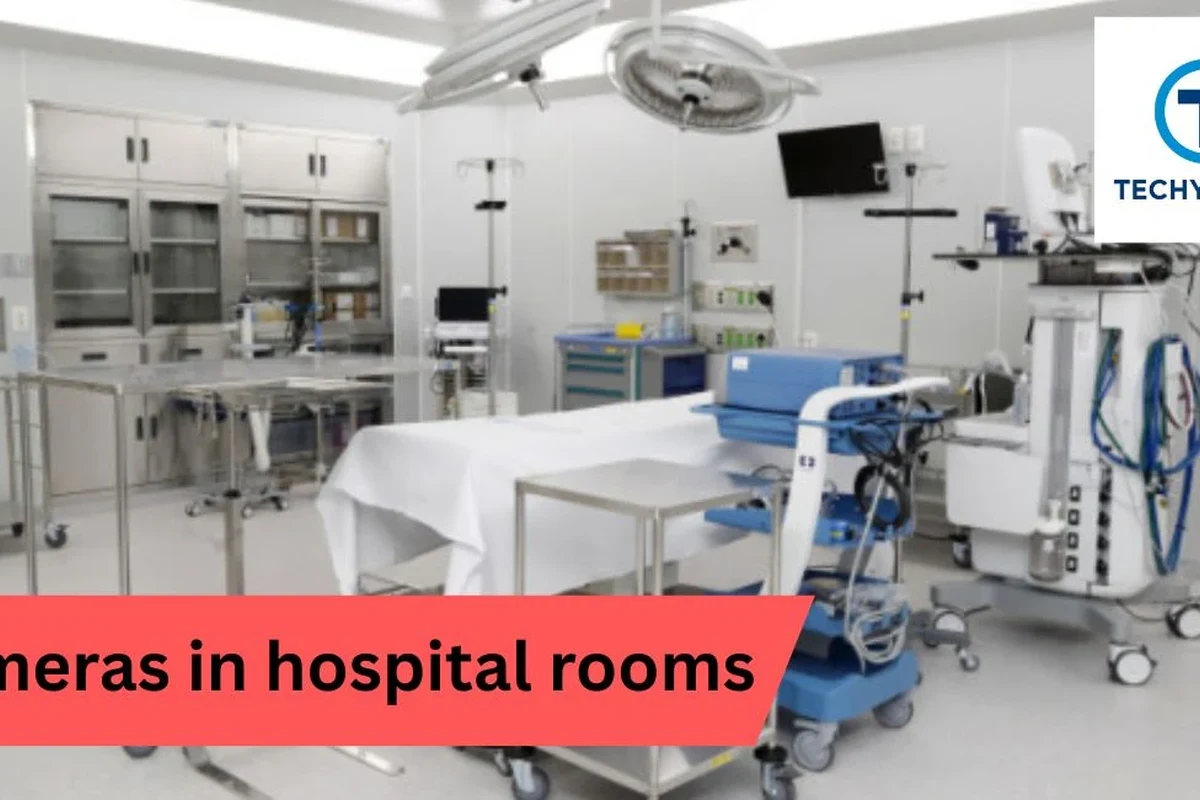
Hospitals balance two goals that can conflict: keeping patients safe and protecting their privacy. Cameras can help with security, but most bedside care still depends on staff observation, call buttons, alarms, and clinical documentation rather than constant video.
Common camera locations: entrances, hallways, waiting areas, NICUs, and ICUs
Camera placement is often tied to risk. Public and semi-public spaces such as entrances, hallways, and waiting rooms are common because they help with security, visitor management, and incident review.
In higher-acuity units, cameras may be used more selectively. For example, neonatal intensive care units, intensive care units, and some observation areas may use monitoring tools to help staff respond quickly to alarms or changes in condition. The exact setup varies by hospital and by patient need.
Privacy laws, consent rules, and patient rights that shape placement
Privacy expectations are a major reason most rooms are not broadly monitored. Hospitals must follow health privacy rules, state laws, facility policies, and informed-consent practices that can differ by region and by unit.
In practice, that means a hospital usually needs a clear purpose for any camera inside or near a room, plus controls over who can view footage and how long it is kept. If you want a broader smart-home privacy reference, our guide on device compatibility and fit decisions shows how model-specific details can matter just as much as the headline feature.
How Hospital Camera Systems Typically Work in 2026
Modern hospital camera systems are usually part of a wider security or monitoring platform. They may connect to dashboards used by security staff, nursing teams, or authorized administrators, depending on the room and the purpose.
Video monitoring, remote viewing, motion alerts, and access controls
Most systems are designed around live viewing, event review, or alert-based monitoring rather than constant attention from one person. Motion alerts, door events, and alarm-triggered review are common patterns in safety-focused setups.
Access controls matter just as much as the camera itself. Hospitals typically restrict who can view live feeds or recordings, and some systems log access so administrators can review who opened footage and when.
Typical system specs to verify: resolution, night vision, storage, and retention periods
If you’re evaluating how a hospital camera setup works, don’t focus only on whether a camera exists. Ask what it is designed to capture, whether it has usable low-light performance, how recordings are stored, and how long footage is retained.
Resolution and night vision affect whether faces, movement, or room activity can be identified clearly. Storage rules matter too, because a system that records too little may miss events, while one that keeps footage too long may create unnecessary privacy exposure.
Connectivity and power considerations: wired, Wi-Fi, PoE, and backup power
Hospital camera systems may use wired connections, Wi-Fi, or power over Ethernet, depending on the building and the reliability requirements. Wired and PoE setups are often preferred for stability, while Wi-Fi may be used where cabling is difficult.
Backup power is another important detail. In a clinical setting, cameras tied to safety or security should have a plan for outages, network interruptions, and device failures so staff can still respond when needed.
Connectivity, storage, and alert behavior can vary widely by hospital vendor, software version, and local policy. Always verify the current setup rather than assuming every room uses the same system.
When Cameras May Be Used Inside a Room
Room-mounted cameras are more likely when there is a specific clinical or safety reason. Even then, hospitals usually try to limit the field of view, restrict access, or use monitoring only for the time it is needed.
Clinical monitoring for high-risk patients, fall prevention, and safety supervision
Cameras may be used for patients who are at high risk of falling, pulling out medical devices, or needing closer observation than routine rounding can provide. In those cases, the goal is often to help staff notice problems sooner, not to replace bedside care.
Some hospitals also use video in combination with sensor alerts, bed alarms, or remote observation stations. The technology works best when it supports staff judgment rather than trying to automate every decision.
Special cases: psychiatric care, isolation rooms, labor and delivery, and pediatric units
Specialty units are where camera use becomes more nuanced. Psychiatric care may use observation tools for safety, isolation rooms may require monitoring for infection-control or care reasons, and pediatric or neonatal areas may use carefully controlled video access.
Labor and delivery can also involve unique privacy and consent expectations. Policies vary, so the presence or absence of a camera does not tell you the whole story; the purpose, angle, and access rules matter just as much.
Signs a room may be monitored and how hospitals usually disclose it
Hospitals often disclose camera use through signage, admission paperwork, consent forms, unit-specific notices, or direct explanation from staff. If a room is monitored, you may also notice a camera housing placed high on a wall or in a corner, but that does not always mean it is recording continuously.
If you’re unsure, ask before assuming. A visible device may be inactive, and a monitored area may be disclosed in writing even if the camera is easy to miss.
If privacy is important to you, ask where the camera points, whether audio is recorded, and whether the feed is live-only or stored. Those three details usually matter more than the word “camera” itself.
Who This Matters For: Patients, Family Members, and Caregivers
Camera use affects more than the person in the bed. Family members, legal guardians, and caregivers may need to understand how monitoring works so they can make informed choices and avoid misunderstandings during a stay.
How to ask staff about camera use before or during a stay
Use direct, practical questions. Ask whether the room has video monitoring, whether recording is active, and whether the camera is for security, observation, or clinical care.
Request the room’s monitoring policy before settling in, especially if privacy is a concern.
Ask whether the camera is for safety, staff observation, or recording, and whether audio is included.
Find out which roles can view footage and whether family members can request an explanation of the policy.
What families should confirm: privacy expectations, recording, and who can view footage
Families should confirm whether footage is stored, how long it remains available, and whether it can be reviewed after an incident. It is also worth asking whether staff can disable or limit monitoring during certain private moments when clinically appropriate.
For caregivers who manage devices and accounts at home, the same principle applies: know who has access, how logs are handled, and what is actually being recorded. If you’re also comparing device behavior in everyday tech, our article on whether the iPhone 11 has wireless charging is a good example of checking a specific feature instead of relying on assumptions.
When camera use may be a benefit versus a concern
Camera monitoring can be helpful when it speeds up response times or reduces risk in a high-acuity situation. It becomes more concerning when the purpose is unclear, access is too broad, or the system records more than the patient reasonably expects.
The right answer depends on context. A monitored ICU bed and a routine recovery room should not be treated the same way.
Benefits, Limitations, and Common Misconceptions
Hospital cameras can improve safety, but they are not a magic solution. They work best as one part of a broader care and security system.
Safety, documentation, and faster response times as key advantages
When used well, cameras can help staff notice a fall risk, a door opening, or a change in patient movement sooner than they otherwise might. They can also provide documentation after an incident, which may help with internal review and quality improvement.
Privacy trade-offs, blind spots, and evidence limitations
Every camera system has trade-offs. Blind spots, poor lighting, camera angle limits, network outages, and retention rules can all affect how useful the footage really is.
Just as important, video does not always explain the full medical context. A camera can show what happened in a room, but it may not explain why it happened or what staff knew at the time.
- Can improve safety in high-risk areas
- May support faster staff response
- Can help document incidents
- Creates privacy concerns in intimate settings
- May have blind spots or recording gaps
- Does not replace bedside care
Common mistakes: assuming every room is monitored or that cameras replace staff
One common mistake is assuming all patient rooms have cameras because some hospital areas do. Another is assuming a camera means a patient is constantly watched by a person, when the system may only be recorded or reviewed after an alert.
It is also a mistake to think cameras can replace nurses, aides, or physicians. Technology supports care, but it does not perform care by itself.
What to Look For in a Hospital Camera Policy or Monitoring Setup
If you are reviewing a policy, ask the same kinds of questions you would ask about any connected system: why it exists, who controls it, how it is secured, and what happens when it fails.
Decision criteria: purpose, access permissions, retention, signage, and audit logs
A solid policy should explain the camera’s purpose in plain language. It should also define access permissions, retention periods, signage requirements, and whether audit logs are kept for accountability.
- Confirm the exact purpose of the camera
- Ask who can view live and recorded footage
- Check whether audio is included
- Review how long footage is stored
- Look for signage, consent language, or written disclosure
Security and compliance details to verify: encryption, local storage, and vendor standards
Because these systems handle sensitive information, hospitals should be able to explain how footage is protected in transit and at rest, whether storage is local or cloud-based, and what vendor standards or contractual safeguards apply.
If a hospital cannot clearly explain those basics, that is a sign to ask more questions. Security and privacy should be understandable, not vague.
Questions to ask about maintenance, malfunction handling, and footage deletion
Ask what happens if a camera goes offline, whether staff get alerts for failures, and how quickly the issue is addressed. Also ask how deletion works, who can request it, and whether there is a documented process for preserving footage after an incident.
These details matter because a monitoring system is only as reliable as its maintenance plan. A camera that is present but not functioning can create false confidence.
If a hospital says a room is monitored, ask for the policy in writing or ask where it is disclosed. Clear documentation is more reliable than assumptions based on a visible device alone.
Final Verdict: What Patients Should Expect and How to Respond
For most people, the safest assumption is this: hospitals usually do not place cameras in ordinary patient rooms, but they may use them in public areas and selected high-risk or specialized rooms. If you are admitted, the best next step is to ask directly about the room’s monitoring policy instead of guessing from the layout.
Patients and caregivers who want privacy should ask about purpose, recording, access, and retention before settling in. Those who want safety reassurance should ask how camera monitoring fits into the broader care plan, because the most useful hospital setups are the ones that are clearly explained, narrowly used, and properly controlled.
Expect cameras in hospital common areas and some specialized care units, but not usually in standard patient rooms. If a room may be monitored, ask for the purpose, disclosure method, and access rules so you can balance privacy and safety with confidence.
Frequently Asked Questions
Usually no. Most hospitals avoid routine camera use in standard patient rooms and focus cameras on entrances, hallways, waiting areas, and selected high-monitoring units.
A camera may be used for safety, fall prevention, clinical observation, or special unit monitoring. The purpose should be specific and clearly disclosed.
Ask staff directly and check for signage, consent forms, or admission paperwork. A visible device does not always mean it is recording continuously.
Usually only authorized staff can view footage. Family access depends on hospital policy, privacy rules, and the reason the footage was captured.
That depends on local law, hospital policy, and consent rules. If audio matters to you, ask specifically whether the system records sound.
Ask why the camera is needed, who can access the feed, whether recordings are stored, and how long they are kept. Also ask how the hospital handles downtime and deletion.