How Does a Disposable Camera Work Simple Guide
A disposable camera works by exposing film through a simple lens and shutter, then winding to the next frame after each shot. It is best for people who want an easy film experience and do not mind waiting for development.
A disposable camera works by exposing a roll of film inside a simple plastic body, then winding that film forward after each shot until the roll is finished. You press the shutter, light passes through the lens, and the image is captured chemically on film instead of digitally.
- Simple mechanism: Light hits preloaded film through a fixed lens and shutter.
- One roll only: Most disposable cameras are built for a single finished roll.
- Best use cases: Great for travel, events, beginners, and nostalgic photo projects.
- Key buying checks: Verify film format, exposure count, flash, and development options.
- Main trade-off: Easy to use, but limited control and delayed results.
How Does a Disposable Camera Work? The Simple Answer Up Front
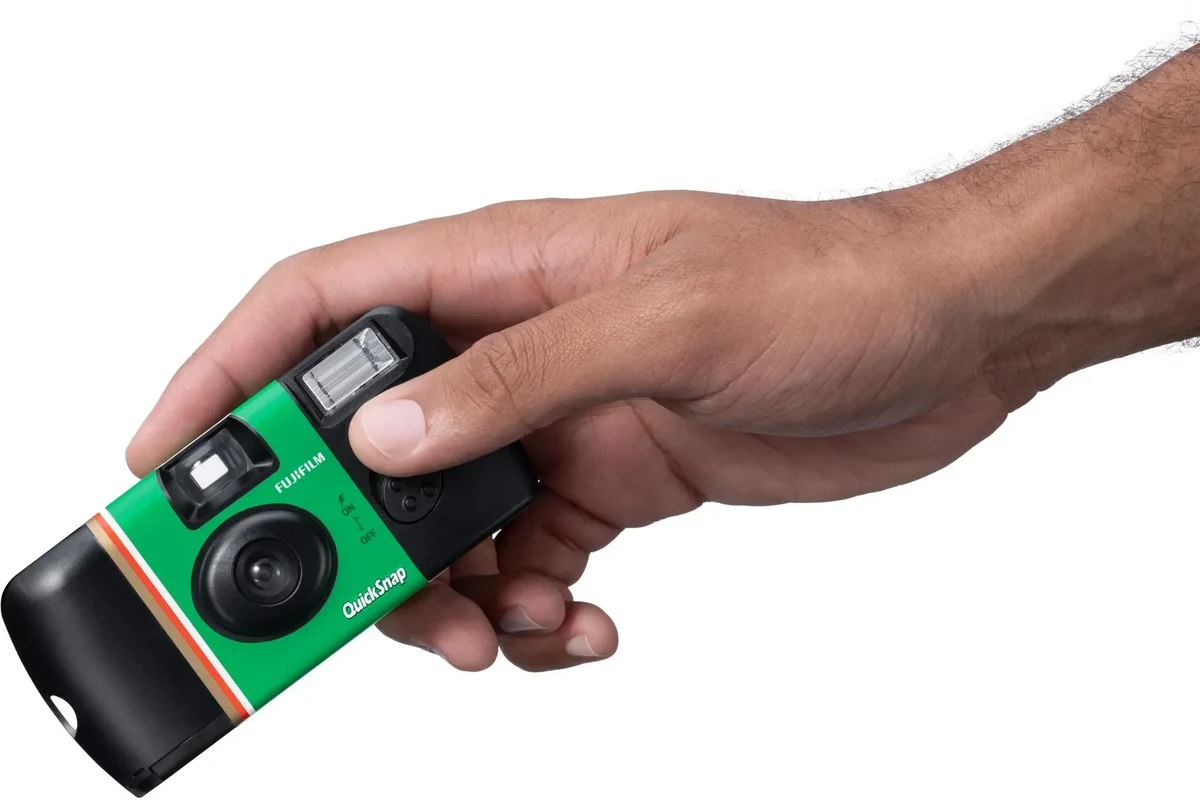
The short version is this: a disposable camera is a one-roll film camera with very few controls. It uses a fixed lens, a manual winding wheel, and often a built-in flash, so the process is straightforward but less flexible than a phone or a digital camera.
That simplicity is the whole point. If you want the basics of film photography without learning settings, batteries, lenses, or menus, a disposable camera keeps the experience easy and low-tech.
What Is Inside a Disposable Camera and How the Film System Functions
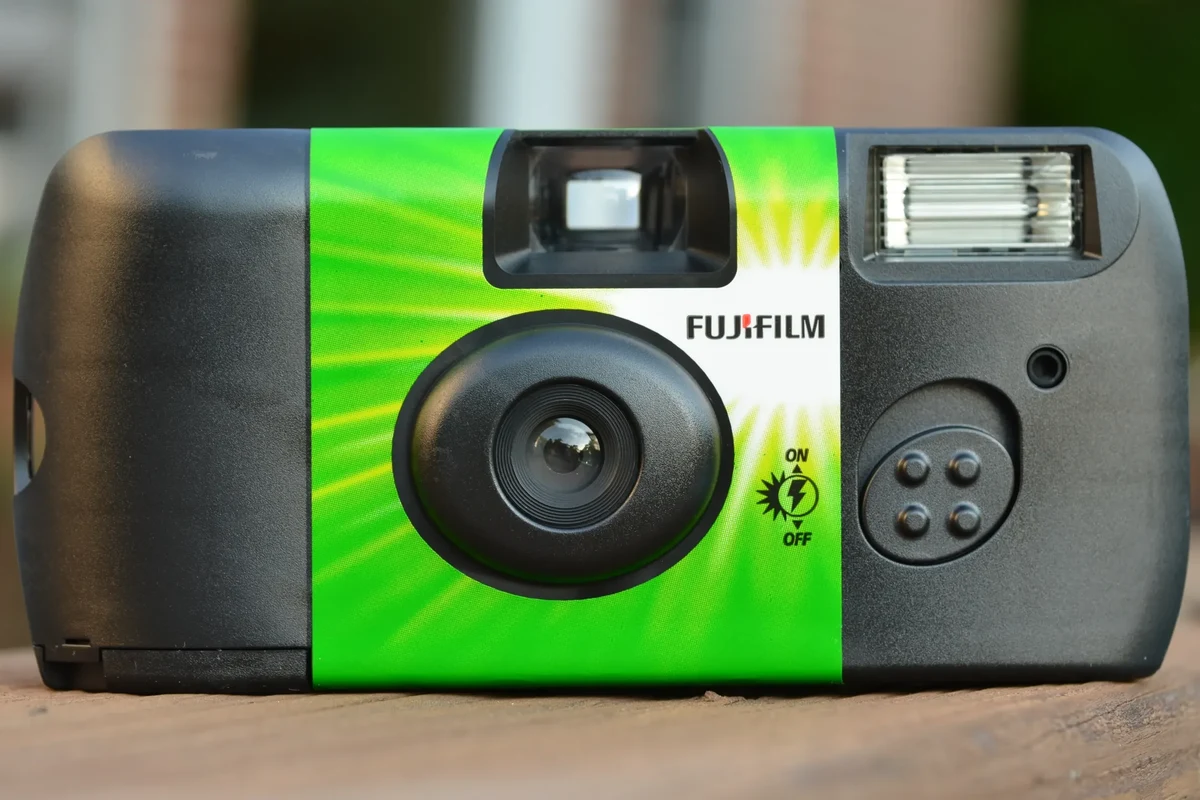
Even though the outside looks plain, the inside is a compact mechanical system built around film transport and light exposure. Most models follow the same basic design, though details can vary by brand and film format.
Film roll, lens, flash, shutter, and winding mechanism
At the center is the film roll, usually a preloaded cartridge of color negative film. When you look through the viewfinder and press the shutter button, the shutter opens briefly so light can reach the film through the lens.
The lens is usually fixed focus, which means it is designed to work best at a general distance rather than letting you zoom or manually focus. After each photo, you turn the winding wheel to move the film to the next frame so the same section is not exposed twice.
If the camera includes flash, it uses a small battery-powered burst of light to help in dim rooms or at night. For a deeper look at the basic idea behind light-based imaging systems, you may also find our guide on how wireless chargers work explained simply useful as a comparison of simple, purpose-built tech.
Disposable cameras are often called single-use cameras, but some models can be reused if they are carefully reloaded by a lab or experienced user. The camera body itself is usually built for one finished roll, not repeated consumer refills.
Why these cameras are designed for one-time use
They are designed this way to keep the camera cheap, simple, and easy to manufacture. Instead of building a durable body with interchangeable film handling, the maker puts a basic lens, shutter, flash, and film chamber into one sealed package.
That design also reduces the learning curve for beginners and event guests. Once the roll is full, the camera is usually handed in for development, and the body is either recycled or, in some cases, processed for reuse by the lab depending on the service.
Who a Disposable Camera Is Best For in 2026
Disposable cameras still make sense for people who want a simple film experience without carrying extra gear. They are especially appealing when the goal is mood, memories, or a shared activity rather than perfect image quality.
Travelers, event guests, beginners, and nostalgia-focused buyers
Travelers like them because they are light, inexpensive to carry, and not stressful to use in crowded or unpredictable settings. Event guests often enjoy them at weddings, reunions, and parties because anyone can pick one up and shoot without instructions.
Beginners benefit from the limited controls because there is less to configure and fewer ways to get lost in settings. Nostalgia-focused buyers also choose them for the film look, the delay before seeing results, and the fun of not knowing exactly how each shot turned out.
Disposable cameras are best for casual shooters who want a simple, film-based experience with minimal setup and no editing. They are less ideal for people who need instant review, precise control, or the highest image quality.
When a disposable camera makes more sense than a phone or instant camera
A disposable camera can be a better choice when you want everyone to focus on the moment instead of the screen. It also makes sense if you want a consistent film aesthetic and do not want to manage apps, batteries, charging, or storage space.
Compared with an instant camera, a disposable model is usually simpler and often cheaper up front, but you must wait for development. If you are choosing between everyday digital convenience and a more analog experience, our article on whether one charger works with all laptops is a good example of why compatibility matters in gadget buying decisions.
Key Specs and Buying Criteria to Check Before You Buy
Not all disposable cameras are identical, so it helps to check a few practical details before buying. The most important differences are the number of exposures, the film type, flash behavior, and whether the model is meant for dry use or water use.
Exposure count, film type, flash range, and low-light performance
Exposure count tells you how many photos you can take before the roll is finished. Film type matters because it affects color response, grain, and how the film must be developed.
Flash range and low-light performance are also worth checking, especially if you plan to use the camera indoors or after sunset. A built-in flash can help, but it does not turn a disposable camera into a low-light specialist, so results still depend on distance, motion, and available light.
- Check the film format and exposure count
- Confirm flash range and whether the flash is included
- Verify development options in your area
- Look for expiration dates on the film package
- Review return policy and storage guidance if buying for an event
Waterproof, reusable, and premium disposable options compared
Waterproof disposable cameras are built with a sealed shell so they can be used near pools, beaches, or in wet weather. Reusable models may look similar but are designed to be opened and loaded again, which changes the value equation and usually the handling process.
Premium disposable options may use better film, a stronger flash, or a different lens character, but “premium” does not always mean sharper. The best choice depends on whether you care more about convenience, rugged use, or a specific film look.
Features such as waterproof depth, flash range, and reusability vary by model. Always check the manufacturer’s specifications and the exact packaging before you buy.
What to verify: film format, developing cost, and expiration dates
Film format matters because it determines where and how you can develop the roll. Some stores and labs handle common formats easily, while others may need mail-in service or may not process certain film types at all.
Developing cost is important because the camera price is only part of the total. Also check expiration dates when possible, since older film can shift colors or reduce image quality, especially if it has been stored badly.
How to Use a Disposable Camera Correctly for Better Results
Disposable cameras are easy to use, but small habits make a big difference. Good framing, proper flash use, and careful advancing can help you avoid wasted frames.
Loading, advancing, framing, and using the flash
Most disposable cameras come preloaded, so you usually do not load film yourself. Before each shot, advance the wheel until it stops, frame your subject through the viewfinder, and press the shutter firmly without shaking the camera.
Use the flash when the scene is indoors, dim, or backlit unless the instructions say otherwise. A small camera like this works best when you keep subjects at a moderate distance and avoid trying to capture fast action in poor light.
Turn the winding wheel until it stops so the next frame is ready.
Keep the subject centered and leave a little extra room because framing is approximate.
Wait for the flash-ready signal if the model has one, then shoot without moving the camera.
Common mistakes that ruin shots and how to avoid them
One common mistake is forgetting to wind the film before taking the next photo. Another is shooting too close, especially with fixed-focus lenses that are not designed for close-up detail.
People also lose shots by covering the flash, shooting through dirty plastic, or storing the camera in heat before use. If you are planning a trip and want to avoid gadget compatibility problems in general, our guide on whether an iPhone comes with a charger shows how small packaging details can affect the whole experience.
Take a few test-style frames early in the roll for important events, then use the rest more freely. That helps you learn how the camera handles flash, distance, and framing before the best moments happen.
Real-World Benefits and Limitations of Disposable Cameras
Disposable cameras remain popular because they offer a low-pressure way to capture memories. At the same time, they come with real trade-offs that buyers should understand before relying on them for important photos.
Why people still choose them for events, trips, and creative projects
For events, disposable cameras create a shared, playful experience and often encourage candid photos. On trips, they can be a backup to a phone or a way to keep photography separate from navigation, messaging, and social media.
Creative users also like the unpredictable look of film, including grain, color shift, and soft focus. That character can be a feature rather than a flaw when the goal is mood instead of technical perfection.
Trade-offs: image quality, control, cost per photo, and waiting for development
The biggest limitation is control. You cannot adjust aperture, shutter speed, autofocus, or white balance the way you can on a digital camera or smartphone.
Image quality is also more variable because exposure depends on film, light, and the fixed optics inside the camera. And unlike digital shooting, you must wait for development, which adds time and a separate cost per roll.
- Simple to use with almost no setup
- Fun film look with a nostalgic feel
- Good for parties, trips, and casual memories
- Limited control over exposure and focus
- Must pay for film development
- Results are delayed until the roll is processed
Safe Use, Care, and Storage Tips for Disposable Cameras
Disposable cameras are low-risk compared with many electronics, but they still need sensible care. Heat, moisture, and rough handling can damage the film or the camera body before you finish the roll.
Keeping the camera dry, avoiding heat, and protecting unused film
Keep the camera dry unless it is specifically a waterproof model. Avoid leaving it in a hot car, direct sun, or damp storage, since heat and moisture can reduce film quality or affect the camera’s mechanical parts.
If the camera is unused, store it in a cool, dry place away from magnets, chemicals, and physical pressure. Treat the film like any other light-sensitive material: the better the storage, the more predictable the results.
Do not open the camera body before the roll is finished unless the manufacturer specifically allows it. Opening it in bright light can expose the film and ruin the remaining frames.
How to store a used camera before development or recycling
Once the roll is finished, stop taking pictures and keep the camera in a safe place until you can drop it off for development. If the model includes a flash battery, follow local recycling guidance and the manufacturer’s disposal instructions.
Do not try to force the mechanism or pry open a sealed body unless the product is designed for reuse. If you are unsure how the camera should be handled after use, check the official packaging, lab instructions, or manufacturer support pages.
Final Verdict: Is a Disposable Camera Worth It in 2026?
Yes, if you want a simple, film-based camera for events, travel, creative projects, or nostalgia. It is not the best choice for convenience, instant review, or top-tier image quality, but that is also why many people still enjoy it.
Best-fit recommendation and value summary for different users
Choose a disposable camera if you want an easy, low-commitment way to shoot film and you are comfortable waiting for development. Skip it if you need editing control, low-light performance, or the lowest cost per photo over time.
If you are buying for a one-time event, a casual trip, or a themed project, the value can be strong because the experience is part of the appeal. Just confirm the film format, development options, and storage guidance before you buy so the roll is ready when you need it.
A disposable camera is worth it for anyone who wants a simple, analog shooting experience with a nostalgic look and minimal setup. Its main limitation is the lack of control and the added wait for film development, so digital or instant cameras may be better for users who want faster results or more flexibility.
Frequently Asked Questions
A disposable camera uses a simple fixed-lens, single-roll design with very few controls. Regular film cameras usually let you change lenses, adjust settings, and reload film.
Many disposable cameras use a small battery for the flash, while others may not need one if they have no flash. Check the packaging or manual because battery use varies by model.
That depends on the film roll inside the camera, so exposure count varies by model. The number is usually printed on the package or camera body.
Some can be reused by a lab or experienced user, but most are designed as single-use cameras. Check the model first before assuming it can be reloaded.
They use film instead of digital sensors, so color, grain, and sharpness behave differently. The fixed lens and simple exposure system also create a more limited but often more nostalgic look.
Verify film format, exposure count, flash range, development options, and expiration dates if listed. For waterproof or reusable models, confirm the exact model specifications before you buy.