Best Helicopter Camera Picks for Stunning Aerial Shots
The best helicopter camera is usually a compact stabilized model that matches your mount, power, and control needs. If you need higher image quality, step up to a mirrorless or professional gyro-stabilized system after confirming compatibility.
If you need a helicopter camera for aerial footage, the best choice is usually the one that balances stabilization, low-light performance, secure mounting, and simple control from the cockpit or ground app. For most buyers, that means choosing a camera system that matches the aircraft, the flight mission, and the amount of setup you can realistically support.
- Stabilization first: Helicopter vibration makes mount quality and vibration control as important as the camera itself.
- Match the mission: Action cameras suit lightweight setups, while mirrorless and gyro systems fit higher-end work.
- Check compatibility: Verify exact model support for mounts, apps, power, and firmware before buying.
- Plan for heat and power: Long flights can expose battery drain, overheating, and cable issues.
Best Helicopter Camera Picks for Stunning Aerial Shots: What to Buy in 2026
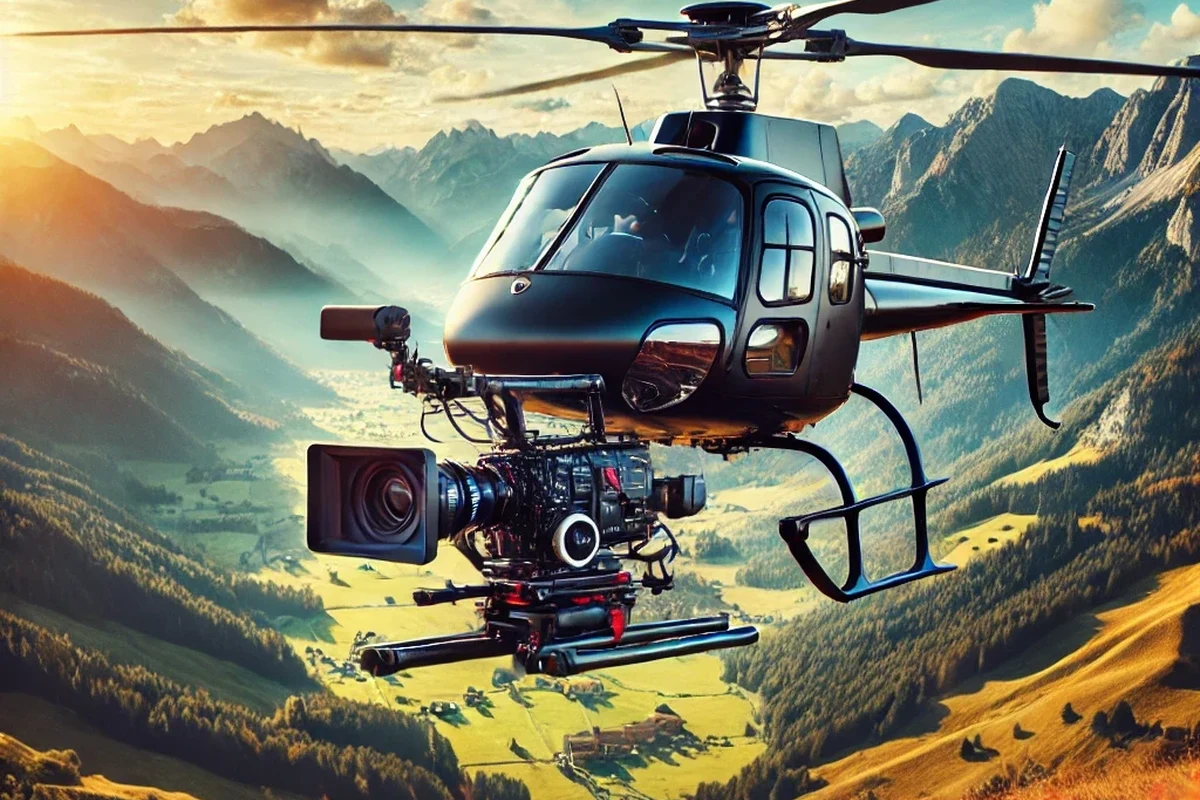
Quick answer: the best helicopter camera for most users balances image stabilization, low-light performance, reliable mounting, and easy control from the cockpit or ground app
That combination matters because helicopter footage is exposed to more vibration, airflow, and mounting constraints than many people expect. If you are buying for travel clips, training flights, mapping, or professional video, prioritize compatibility and stability before chasing the highest resolution.
How a Helicopter Camera Works and What Makes It Different
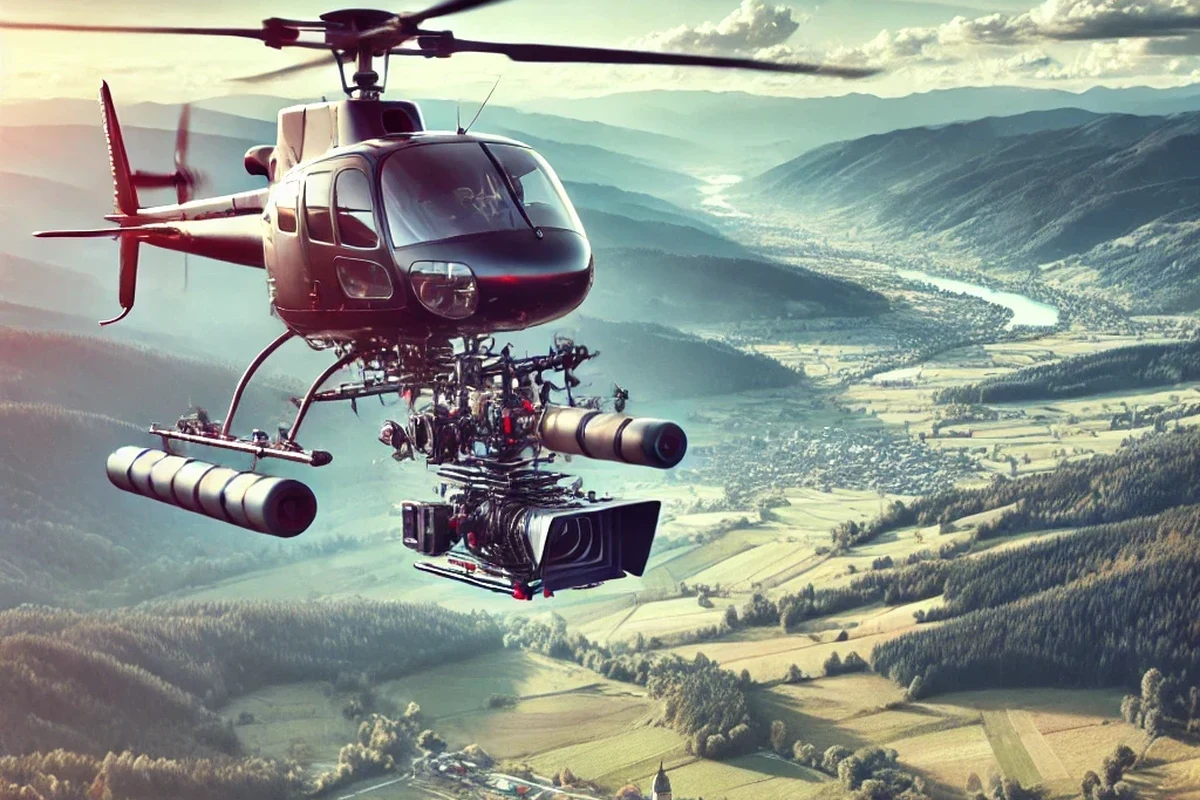
A helicopter camera is not just a camera placed near a window or door opening. It is usually selected and mounted with the aircraft’s vibration profile, airflow, power source, and flight role in mind, which is why a setup that works well on a drone or car mount may not translate cleanly to helicopter use.
Stabilization systems, vibration control, and why helicopter footage is harder than drone footage
Helicopters create a different kind of vibration than consumer drones or handheld shooting. Even when the camera itself has strong electronic image stabilization, the mount and isolation system still matter because rolling vibration, rotor-induced movement, and cabin resonance can show up as blur, jitter, or wobble.
Professional setups often rely on mechanical isolation, gyro-stabilized platforms, or carefully chosen lens and shutter settings. Consumer cameras can still work well, but they usually need a more forgiving mounting position and a realistic expectation of what stabilization can and cannot fix.
Longer focal lengths magnify vibration more than wide-angle lenses, which is why wide lenses are often easier to manage in aircraft footage.
Typical connection methods: wired power, wireless control, and live-view monitoring
Most helicopter camera setups use one of three connection styles. Some rely on wired power for longer sessions, some use wireless control for easier operation from a tablet or phone, and professional systems may add a live-view or monitoring feed so the operator can confirm framing during flight.
Each approach has trade-offs. Wired systems can be more dependable but require careful cable routing, while wireless control is convenient but depends on app support, pairing stability, and the aircraft environment. Live view is useful, but it can also add complexity, heat, and battery drain depending on the model.
Compatibility can vary by aircraft, mount, app version, firmware, phone model, and regional product variant. Always check the manufacturer’s current manual and compatibility list before buying.
Top Helicopter Camera Types to Consider Before You Buy
There is no single best helicopter camera type for every buyer. The right choice depends on whether you want portability, image quality, or professional-grade stabilization.
Action-style cameras for compact mounting and lightweight setups
Action cameras are the easiest starting point for many hobbyists and creators because they are small, relatively light, and often simple to mount. They can be a smart fit when cabin space is limited or when you need a camera that is less likely to overload a bracket or interfere with other gear.
Their main advantage is convenience. The trade-off is that smaller sensors and built-in lenses may not match the image quality of larger cameras in difficult lighting, and some models can still struggle with vibration if the mount is poor.
Mirrorless and compact cinema cameras for higher image quality
Mirrorless and compact cinema cameras are often chosen when image quality matters more than simplicity. They can offer better sensor performance, more lens flexibility, and improved control over depth of field, which is useful for cinematic aerial work or commercial footage.
These cameras also bring more complexity. Weight, heat, power draw, lens size, and mounting balance become much more important, so they are better suited to operators who can verify compatibility and support the extra setup time.
Action-style cameras are the most practical general-purpose choice for lighter helicopter setups, while mirrorless and cinema cameras make more sense when image quality matters more than simplicity.
Specialized gyro-stabilized camera systems for professional aerial work
Professional gyro-stabilized systems are built for demanding aerial production, inspection, and survey work. They are designed to reduce motion artifacts more effectively than a basic camera mount, but they are also the most expensive, the most complex, and the most likely to require trained setup and maintenance.
These systems are usually the right answer for production teams that need repeatable results and can support the extra hardware. For casual creators, they are often more camera than necessary.
- Best motion control for demanding aerial work
- More consistent framing in difficult flight conditions
- Higher cost and setup complexity
- May require specialized mounting and power planning
Key Specs That Matter Most for Aerial Shooting
When comparing helicopter cameras, the spec sheet is only useful if you focus on the features that affect real flight footage. Resolution matters, but it is only one part of the picture.
Resolution, sensor size, frame rates, and dynamic range for sharp detail
Higher resolution can help preserve detail in wide aerial scenes, especially if you plan to crop or stabilize in post. Sensor size matters because larger sensors generally handle shadows and highlights better, which can be helpful when the helicopter moves between bright sky, reflective surfaces, and darker terrain.
Frame rates also matter more than many buyers expect. Higher frame rates can produce smoother motion or give you flexibility for slow motion, while strong dynamic range helps keep skies from blowing out and darker areas from turning muddy.
Image stabilization, lens field of view, and low-light performance
Stabilization is one of the most important features for a helicopter camera, but it should be evaluated alongside the mount. A good stabilization system can reduce shake, yet it cannot fully rescue a loose bracket or a badly balanced rig.
Lens field of view affects how much of the scene you capture and how obvious vibration appears. Wide views are often easier to manage, while low-light performance becomes critical if you fly near sunset, over cities at night, or inside dim cabins.
If you are unsure which lens or field of view to choose, start wider than you think you need. Wide framing is usually more forgiving in aircraft environments and gives you room to crop later.
Weight, dimensions, mounting compatibility, and weather resistance
Weight and size can decide whether a helicopter camera is practical at all. A compact camera may be easier to mount safely, while a larger body or lens may require a more robust bracket, more clearance, and more attention to balance.
Weather resistance is also worth checking, but do not assume it makes the camera suitable for open-door flight, heavy moisture, or harsh conditions. Manufacturer ratings and operating limits vary, so confirm the official guidance rather than relying on marketing language.
Who Each Helicopter Camera Is Best For
The best helicopter camera for one user may be a poor fit for another. Matching the tool to the mission is the fastest way to avoid overspending or buying a setup that is awkward to use.
Travel creators, aviation hobbyists, and content makers on a budget
Budget-conscious buyers usually do best with compact action-style cameras or smaller cameras that are easy to mount and power. These users often value portability, quick setup, and simple app control more than absolute image quality.
That said, budget buyers should still check heat behavior, storage support, and battery life, because a low-cost camera that overheats or fills up storage too quickly can be frustrating in the air.
Professional filmmakers, survey teams, and commercial operators
Professionals often need predictable color, stronger low-light output, and more reliable control over framing and stabilization. For them, a mirrorless camera or gyro-stabilized system may be worth the extra complexity because it can better support client work or repeatable capture.
Commercial operators should also verify warranty terms, service options, firmware support, and any aircraft-specific compliance requirements before choosing a system.
- Check aircraft, mount, app, and power compatibility by exact model number
- Confirm weight limits, cable routing, and clearance around doors or controls
- Review warranty terms, update support, and return policy before final purchase
Which users should skip certain models because of size, heat, or power demands
Skip larger cameras if you need a lightweight, low-profile setup or if your mounting area has tight clearance. Skip power-hungry systems if you cannot confirm the aircraft power source, cable quality, or runtime requirements.
You should also avoid models known for heat buildup in long recording sessions if you plan extended flights. Heat and power are not minor issues in aircraft use; they can affect reliability and safety.
How to Set Up a Helicopter Camera Safely and Correctly
A careful setup process matters as much as the camera itself. Even a strong camera can perform poorly if the mount is loose, the cable is stressed, or the app is not configured before takeoff.
Mounting basics, cable routing, and checking for secure attachment before takeoff
Use only a mount designed for the camera’s weight and the aircraft’s installation area.
Keep cables away from moving parts, hot surfaces, and any control area that needs to stay clear.
Check that the camera, bracket, fasteners, and any safety tether are secure before every takeoff.
Battery and power considerations: rated wattage, cable quality, heat buildup, and replacement guidance
Power planning should follow the manufacturer’s rated input and output guidance, not guesswork. Use certified or manufacturer-approved cables and adapters when required, and verify whether the camera can run from external power or only from its internal battery.
Heat buildup is especially important during long recordings or when the camera is enclosed near other gear. If the device becomes unusually hot, stops recording, or shows battery swelling, stop using it and follow the manufacturer’s instructions.
Do not continue using damaged batteries, frayed cables, or overheating chargers. If a battery swells, leaks, or smells unusual, power down, disconnect safely, and follow the manufacturer’s disposal guidance.
App setup, connectivity checks, storage formatting, and firmware updates
Before a flight, confirm the camera app is installed from the official app store listing and that permissions, pairing, and live-view settings are working as expected. Storage should be formatted in the camera if the manual recommends it, and firmware updates should come from the manufacturer’s official support channel.
Connectivity problems often come from simple issues such as outdated firmware, incompatible phone software, or an unstable wireless environment. Checking these items on the ground is much easier than discovering them in the air.
Real-World Benefits, Trade-Offs, and Common Mistakes
A good helicopter camera can make aerial footage smoother, more usable, and easier to edit. But the same environment that creates dramatic visuals also introduces practical limitations that buyers should expect.
What great helicopter cameras do well: smoother footage, better perspective, and faster workflow
The biggest benefit is perspective. Helicopter footage can capture large landscapes, urban scenes, or survey areas in a way that ground cameras cannot, and a good camera system helps preserve detail while keeping motion under control.
Strong workflow support matters too. Reliable mounting, easy file transfer, and dependable app control can save time after the flight, especially for creators and commercial teams that need to review footage quickly.
Limitations to expect: vibration artifacts, battery drain, wind noise, and storage limits
Even a strong setup can show some vibration artifacts, especially if the aircraft or mount transmits motion into the camera body. Battery drain can also be faster than expected when live view, wireless control, or high-resolution recording is active.
Wind noise and storage limits are common too. If your camera records audio, open-air conditions can overwhelm it, and long flights can fill memory cards faster than many users anticipate.
Common mistakes: wrong mount choice, poor balance, overheating, and ignoring safe operating limits
The most common mistake is choosing a mount that is not appropriate for the camera’s weight or the aircraft layout. Poor balance can increase vibration and make footage worse, even if the camera itself is high quality.
Other mistakes include ignoring heat warnings, overloading cables, or assuming a camera can handle every flight condition without verification. The manual, safety notices, and compatibility list are more useful than marketing claims here.
Stop using damaged electronics, swollen batteries, frayed cables, overheating chargers, or unstable mounts and follow the manufacturer’s guidance.
Care, Storage, and Final Buying Recommendation
Good care extends the life of a helicopter camera and helps keep flights predictable. Basic maintenance is especially important when the camera is exposed to vibration, dust, temperature shifts, or repeated mounting cycles.
Cleaning lenses and mounts, inspecting cables and batteries, and storing gear between flights
Clean lenses with proper camera-safe materials and keep mounts free of grit or residue that could affect grip. Inspect cables, connectors, fasteners, and batteries regularly for wear, and replace any part that looks damaged or unreliable.
When storing the gear, keep batteries per the manufacturer’s storage guidance and avoid leaving the camera in extreme heat or moisture. A padded case can help protect the lens, body, and accessories between flights.
Warranty details to verify, value for money, and the best overall pick for different budgets
Before buying, verify warranty length, what it covers, how claims are handled, and whether firmware support is included. Value is not just the sticker price; it also includes mount compatibility, accessory cost, app quality, and how much setup the system demands.
For most buyers, the best value is usually a compact action-style camera with good stabilization and straightforward control. If you need better image quality and can support the extra weight and power needs, a mirrorless or compact cinema camera may be the smarter long-term investment.
Transparent verdict: which helicopter camera is the smartest buy in 2026 and when to choose an alternative
The smartest helicopter camera choice in 2026 is the one that fits your aircraft, your mounting options, and your workflow without creating avoidable heat, power, or balance problems. For most people, that points to a compact, stabilized camera that is easy to secure and simple to manage in the air.
Choose an alternative if your work demands professional stabilization, low-light excellence, or specialized monitoring that a compact camera cannot provide. In other words, buy for the flight environment first, then refine for image quality second.
For most buyers, a lightweight stabilized camera is the safest, most flexible helicopter camera choice. Step up to a mirrorless or gyro-stabilized system only if you truly need higher image quality or professional aerial control and can support the added complexity.
Frequently Asked Questions
A compact stabilized camera is usually the best fit for most users because it is easier to mount, lighter, and simpler to power. If image quality is the top priority, a mirrorless or compact cinema camera may be a better choice.
Stabilization is very important because helicopters create vibration and motion that can show up in footage. A good mount and vibration control matter just as much as the camera’s built-in stabilization.
Often yes, if the mount, power setup, and clearance are appropriate for the aircraft. Check the camera’s weight, app support, and manufacturer guidance before flight.
Focus on stabilization, low-light performance, sensor size, frame rates, dynamic range, weight, and mounting compatibility. Resolution matters too, but it should not be the only factor.
Use a mount rated for the camera, route cables carefully, and inspect all fasteners before takeoff. Also confirm battery, app, storage, and firmware status on the ground.
Check the exact model’s compatibility, power requirements, warranty terms, update support, and any aircraft-specific installation guidance. Confirm current specifications with the manufacturer before purchasing.