Polaroid Impulse Camera Review for Instant Photo Fans
The Polaroid Impulse is worth considering if you want a vintage instant camera with real retro charm. Just verify film compatibility, battery condition, and overall hardware health before buying.
The Polaroid Impulse camera is still appealing if you want a chunky, straightforward instant camera with a strong retro feel and classic Polaroid image character. It can be a fun buy in 2026, but only if you understand the film cost, the age of the hardware, and the need to verify battery and film compatibility before you commit.
- Best fit: Collectors and retro-photo fans who value the experience as much as the print.
- Main trade-off: Film costs and aging hardware make it less convenient than newer instant cameras.
- Buy with care: Check battery corrosion, flash function, rollers, and film compatibility.
- Use case: Great for occasional shooting and display-worthy nostalgia, not daily hassle-free use.
Polaroid Impulse Camera Review: Is It Still Worth Buying in 2026?
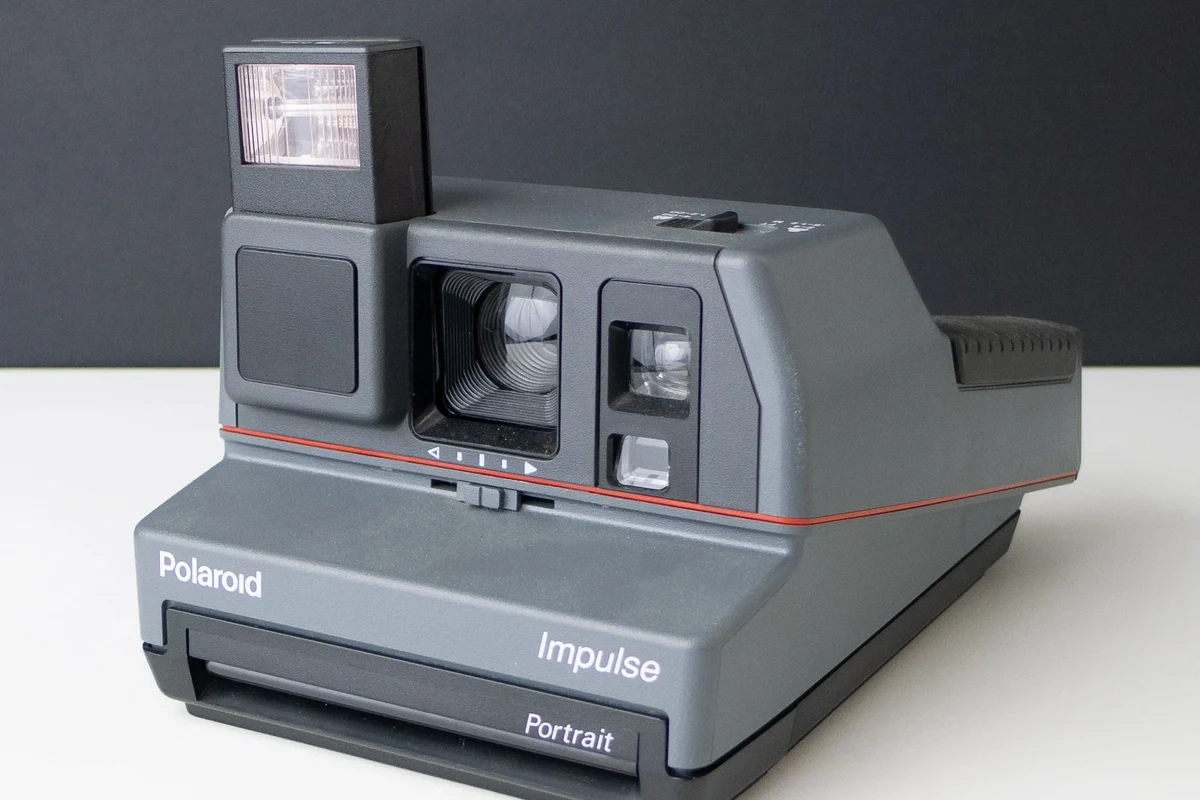
The short answer is yes for the right buyer and no for anyone who wants a low-maintenance instant camera. The Polaroid Impulse is best thought of as a vintage instant camera with personality, not a modern point-and-shoot replacement.
Quick verdict for instant photo fans
If you love the look, feel, and ritual of instant photography, the Impulse can still be a rewarding pick. If you want dependable autofocus, easy battery charging, app support, or lower running costs, a newer instant model is usually the safer choice.
What this review will and won’t cover
This guide explains how the camera works, what to verify before buying, who it suits, and what trade-offs come with vintage instant gear. It does not claim first-hand testing, and it does not invent specs that can vary by unit, region, battery setup, or seller listing.
How the Polaroid Impulse Camera Works
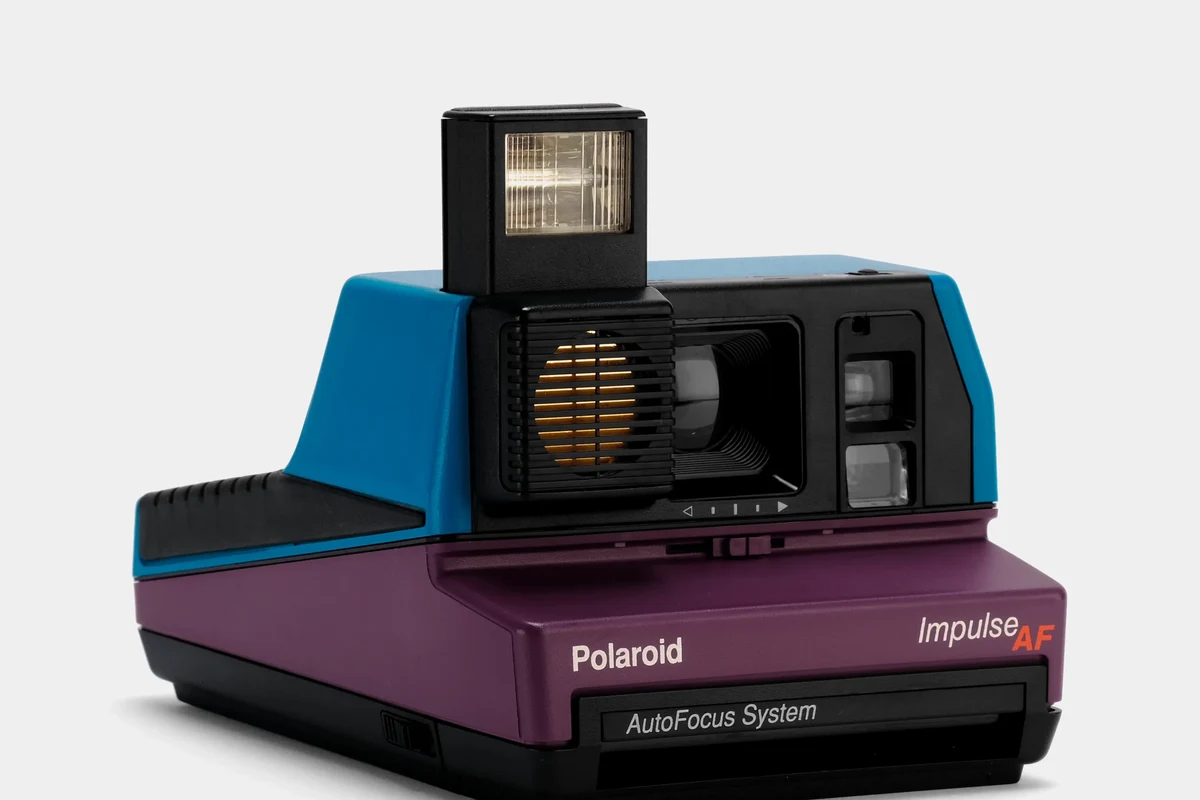
The Impulse is a classic instant film camera that exposes a frame and then ejects it so the image can develop outside the camera. That basic workflow is part of the appeal: you press the shutter, the camera feeds the film, and the print appears a short time later.
Film format, instant development, and basic operation
Like other vintage Polaroid instant cameras, the Impulse is designed around an older Polaroid film format rather than modern digital storage. The exact film compatibility can depend on the specific unit, its condition, and what film stock is still available in your market, so the official manual and current manufacturer guidance matter more than old forum advice.
Older instant cameras often rely on rollers inside the film path to spread developer evenly across the print, which is why dirty or worn rollers can affect image quality.
For new buyers, the most important thing to understand is that instant film is consumable. Every photo has a real per-shot cost, so the camera is as much about experience as it is about the final image.
What makes it different from modern instant cameras
Compared with newer instant cameras, the Polaroid Impulse is simpler and more mechanical. It usually lacks digital display aids, companion apps, rechargeable battery systems, and the convenience features many modern users expect.
That simplicity can be a strength if you want a tactile, old-school camera. It can also be a drawback if you want predictable exposure help, easy battery replacement, or broader film and accessory support.
Key Specs and Buying Criteria to Check Before You Buy
Because the Impulse is vintage, the smartest buying approach is to verify condition and compatibility instead of assuming every listing is complete or fully functional. A camera that looks clean on the outside may still have battery corrosion, weak flash performance, or a film path issue.
- Confirm the exact model and film compatibility from the manual or seller listing
- Check battery type, film availability, flash function, and return policy
- Inspect the lens, rollers, viewfinder, seals, and battery compartment for wear or leaks
Film compatibility and image size
Film compatibility is the first thing to verify because it determines whether the camera is practical to own. If the required film is hard to find or expensive in your area, the camera may be more of a collector’s piece than an everyday shooter.
Image size is also part of the buying decision. Instant prints are small by design, which makes them great for sharing and memory keeping, but not ideal if you want large, highly detailed photos.
Lens, flash, viewfinder, and exposure basics
The lens and flash matter more than many buyers expect. On older instant cameras, a weak flash, cloudy lens, or tired exposure system can quickly turn a fun camera into a frustrating one.
Because vintage units vary, it is better to think in terms of inspection criteria than perfect lab-style specs. Ask whether the flash fires, the shutter releases cleanly, and the film door closes properly.
Body size, portability, and handling comfort
The Impulse is not a pocket camera. Its larger body can feel comfortable in the hand, but it is less travel-friendly than slim modern instant models.
That size can actually help some users, especially people who like a stable grip and a more substantial camera body. Still, if portability is your top priority, a newer compact instant camera may fit better.
Who the Polaroid Impulse Camera Fits Best
The Impulse is best for buyers who value character, nostalgia, and the classic Polaroid shooting process. It is less suited to people who want a camera they can grab and trust without any vintage-camera maintenance mindset.
Best for collectors, casual shooters, and retro-photo fans
Collectors often appreciate the design and era-specific feel. Casual shooters may also enjoy it if they only plan to take occasional photos and are comfortable treating film as a special-use consumable.
Retro-photo fans who want a tactile instant camera experience and are willing to verify condition, battery setup, and film availability before buying.
It also suits gift buyers who want a conversation piece, provided they confirm the recipient is okay with vintage gear and ongoing film costs.
Who should consider a newer instant camera instead
If you want consistent results, easy replacements, and fewer unknowns, a newer instant camera is usually the better choice. That is especially true for students, travelers, and families who want something simple and dependable.
- Strong vintage appeal and tactile handling
- Simple shooting process with classic instant output
- Good fit for collectors and retro enthusiasts
- Vintage condition can be unpredictable
- Film and battery support may be less convenient
- Older hardware can need careful inspection
Real-World Benefits and Practical Trade-Offs
The main benefit of the Polaroid Impulse is not technical superiority. It is the experience of using a classic instant camera that feels distinct from modern digital-first devices.
Why the Impulse appeals to instant photo fans
Instant-photo fans often want a camera that creates a small moment of anticipation. The Impulse delivers that in a straightforward, mechanical way that many people find charming.
It also has a distinctive look that fits creative projects, memory books, desk displays, and casual social shooting. For some buyers, the camera itself is part of the appeal, not just the print it produces.
Common limitations: film cost, focus control, and aging hardware
The biggest practical downside is ongoing film cost. If you shoot often, the per-photo expense can add up quickly compared with digital or even some newer instant systems.
Focus control and exposure flexibility are also limited compared with more modern cameras. On top of that, aging hardware introduces uncertainty: flash components, seals, shutters, rollers, and battery contacts may all need attention depending on the unit’s history.
Do not keep using a camera with battery corrosion, overheating, broken doors, or damaged wiring. Vintage electronics should be inspected carefully, and any swollen, leaking, or badly corroded battery compartment should be treated as a stop-use condition.
Evidence limits when evaluating vintage camera performance
With vintage gear, condition matters as much as model name. Two cameras of the same model can perform very differently depending on storage, repairs, prior battery leaks, and how often they were used.
Seller descriptions, old brochures, and forum posts may not reflect the exact condition of the specific unit you are considering. Verify the camera’s state, included accessories, and return options before purchasing.
How to Use the Polaroid Impulse Camera Safely and Correctly
Safe use starts with the manual, especially for battery type, film loading, and flash operation. If you do not have the original documentation, look for the official model guide or a reputable archive that matches the exact camera version.
Loading film, powering the camera, and taking a photo
Confirm the film pack and battery setup before opening the camera so you do not waste film or force the door closed incorrectly.
Insert film according to the manual and avoid touching the film surfaces or rollers more than necessary.
Verify that the power, shutter, flash, and ejection behavior work before relying on the camera for important photos.
Safe handling, battery considerations, and inspecting old units
Inspect the battery compartment before use. If you see white residue, green corrosion, rust, or a strong chemical smell, stop and clean only according to safe manufacturer guidance or have the unit assessed by a qualified repair professional.
Stop using damaged electronics, swollen batteries, frayed cables, overheating chargers, or unstable appliances and follow the manufacturer’s guidance.
Also check the hinge, door latch, and film compartment for cracks or warping. A vintage camera that does not close properly can cause light leaks or film jams.
What to verify about replacement batteries and safe use limits
Battery requirements vary by model and by the exact replacement method used for vintage instant cameras. Before buying spares, verify the official battery type, voltage, and any adapter requirements rather than assuming a universal fit.
When buying a used Impulse, ask the seller whether the camera powers on, ejects film, and flashes correctly. Those three basics reveal more about real usability than cosmetic photos alone.
Maintenance, Storage, and Troubleshooting Tips
Good maintenance can make a big difference with older instant cameras. The goal is not restoration perfection; it is reducing avoidable failures and keeping the camera usable for casual shooting.
Cleaning the lens, rollers, and exterior without damage
Use a soft, dry cloth for the exterior and follow the manual for lens cleaning. Avoid aggressive liquids, abrasive cloths, and improvised tools that can scratch the lens or damage internal parts.
Rollers should be kept free of visible debris because residue can affect how film develops. If cleaning is needed, use only gentle methods recommended for the camera type.
Storing film, protecting the camera, and preventing battery leaks
Store film according to the film maker’s instructions, especially around heat and humidity. Old instant film can be sensitive to poor storage, which may affect color, contrast, and reliability.
- Remove batteries if the camera will sit unused for a long period
- Keep the camera in a dry place away from heat and direct sun
- Use a padded case or shelf storage to protect the lens and body
Battery leaks are one of the biggest risks with vintage electronics. If the camera will be stored, periodic inspection is worth doing so corrosion does not go unnoticed.
Common issues: blank frames, weak flash, jammed film, and exposure problems
Blank frames can come from incorrect loading, exhausted film, or a shutter/flash issue. Weak flash may point to battery problems, aging components, or a flash unit that needs service.
If film jams, do not force the door or pull the pack aggressively. Check the manual and stop if the mechanism feels stuck, because forcing old plastic parts can cause more damage.
Exposure problems are common with older instant cameras and can be caused by lighting conditions, film age, or camera wear. If you are buying used, assume some trial and error may be part of ownership.
Final Recommendation: Should You Buy the Polaroid Impulse Camera?
The Polaroid Impulse is a good buy for people who want a vintage instant camera experience and are comfortable verifying condition before purchase. It is not the best choice if you want the easiest, cheapest, or most predictable instant-photo setup.
Best-value use cases and alternatives to consider
Choose the Impulse if you are a collector, retro-photo fan, or occasional shooter who values character over convenience. Consider a newer instant camera if you care more about consistent results, simpler battery handling, and broader support.
Transparent verdict for 2026 buyers
The Polaroid Impulse camera is worth buying only if you want the charm of vintage instant photography and are ready to verify film compatibility, battery condition, and overall hardware health. For most everyday buyers, a newer instant camera is the safer and more practical choice, but the Impulse remains a satisfying pick for the right retro-minded user.
Frequently Asked Questions
It is best for collectors, retro-photo fans, and casual shooters who want a vintage instant camera experience. It is less ideal for buyers who want the easiest, most predictable, low-maintenance option.
Check film compatibility, battery requirements, flash function, lens condition, and the battery compartment for corrosion. Also confirm the return policy and whether the seller has tested basic operation.
It is more of a carryable vintage camera than a pocketable one. The larger body can feel comfortable in hand, but it is less travel-friendly than compact modern instant cameras.
The main drawbacks are film cost, aging hardware, and limited control compared with newer cameras. Condition varies a lot by unit, so a used camera can be unpredictable.
Store it in a dry place away from heat and direct sun, and remove batteries if it will sit unused for a long time. Periodically inspect the battery compartment for leaks or corrosion.
Yes, if you want easier operation, more consistent results, and fewer vintage-condition risks. A newer model is usually better for frequent everyday use.