Polaroid 800 Land Camera Review and Buying Guide
The Polaroid 800 Land Camera is a collectible vintage instant camera that can still appeal to film fans if the exact model is compatible with available film and in good condition. It is usually better for collectors and hobbyists than for buyers who want a simple everyday instant camera.
The Polaroid 800 Land Camera is a vintage instant camera that appeals to collectors, analog photography fans, and anyone who likes the look and ritual of classic Polaroid shooting. It can be a fun buy, but only if you verify film compatibility, condition, and repairability before spending money.
- Film matters most: Verify the exact film format before buying, because compatibility can make or break ownership.
- Condition drives value: Bellows, seals, lens clarity, and shutter function are the main inspection points.
- Best for enthusiasts: The camera suits collectors and vintage fans more than casual instant-photo users.
- Expect trade-offs: Age, repair risk, and film availability can outweigh the charm if you want convenience.
- Buy carefully: A complete, verified unit is usually safer than a cheaper unknown-condition listing.
Polaroid 800 Land Camera Review: What It Is, How It Works, and Whether It’s Worth Buying in 2026

The Polaroid 800 Land Camera is part of Polaroid’s older instant camera family, built for a very different film ecosystem than modern instant cameras. That matters because the camera’s value today depends less on convenience and more on whether you want a vintage shooting experience, a display piece, or a collectible that may still be usable with the right supplies and a healthy body.
For buyers in 2026, the biggest question is not whether the camera is interesting; it is whether the specific unit is complete, functional, and practical for your goals. If you want simple, everyday instant photos, a newer instant camera is usually easier. If you want classic design, mechanical charm, and the possibility of a distinctive image look, the Polaroid 800 Land Camera can still make sense.
Polaroid 800 Land Camera Overview: Key Specs, Format, and What to Verify Before You Buy
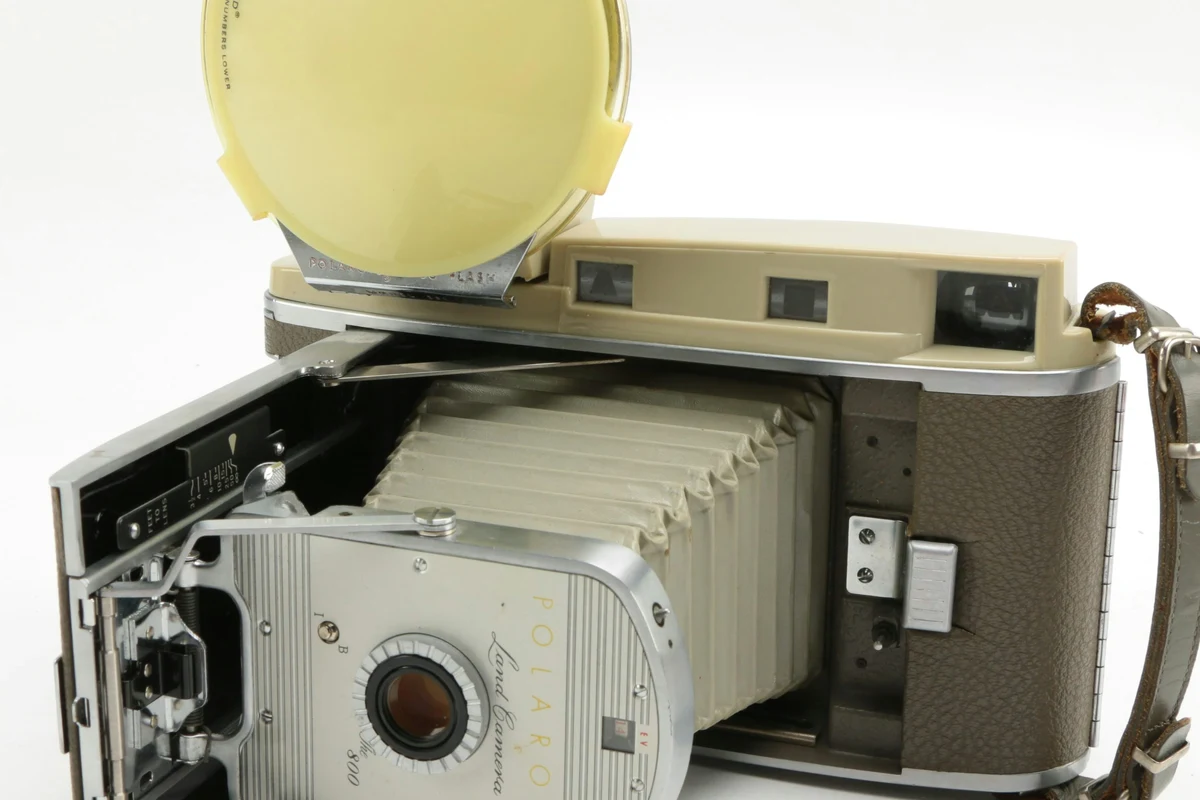
Because this is a vintage product, exact details can vary by submodel, production run, and seller listing. Before buying, focus on the features that affect usability: the film format, lens condition, focusing method, shutter behavior, and the condition of age-sensitive parts like bellows and seals.
Film format and compatibility checks
Film compatibility is the first thing to verify because many vintage instant cameras rely on formats that are no longer mainstream. Some sellers use broad terms like “Polaroid film compatible,” which can be misleading if they do not name the exact pack film, integral film, or conversion setup required.
Do not assume the camera will work with modern instant film just because it is a Polaroid. Confirm the exact model number, then compare that with the current manufacturer guidance, the manual, and the listing from the film seller. If film is discontinued or scarce, factor that into the total ownership cost.
Lens, focus, and exposure basics
Older instant cameras often use simple focusing systems and exposure controls that reward patience more than automation. A clean lens and a working shutter matter more than fancy features because the camera’s results depend heavily on the condition of the optics and the user’s ability to judge distance and light.
If the camera has manual or semi-manual exposure settings, expect some trial and error. That is normal for vintage instant gear, but it also means the camera is less forgiving than a modern point-and-shoot instant model.
Body condition, bellows, and light-seal inspection points
On a camera this old, the body can tell you more than the seller’s description. Bellows, seals, hinges, and the film door area are common weak points, and any light leaks can ruin photos even if the camera otherwise powers on or clicks normally.
Stop using a vintage camera if you see cracked bellows, loose internal parts, corrosion, or signs that the shutter or film path is binding. Age-related damage can affect both image results and safe handling.
Who the Polaroid 800 Land Camera Fits Best: Ideal Users, Use Cases, and Trade-Offs
This camera is not for everyone, and that is part of its appeal. It fits buyers who value vintage character, collectible design, and a more hands-on instant photo experience over convenience.
Collectors vs. casual instant-photo users
Collectors may care most about originality, cosmetic condition, and whether the camera includes accessories or documentation. For them, a clean, complete unit can be more desirable than a heavily modified one, even if the modified camera is easier to use.
Casual instant-photo users usually want the opposite: dependable operation, easy film sourcing, and minimal setup. For that group, the Polaroid 800 Land Camera is often a niche choice rather than the most practical one.
Creative shooters, prop buyers, and vintage camera fans
Creative shooters may like the camera as a tool for distinctive image character, slow shooting, and intentional framing. Prop buyers, set decorators, and vintage camera fans may also value the physical presence of the camera even if they never plan to load film into it.
Buyers who want a collectible vintage instant camera, can verify film support, and are comfortable with age-related quirks.
How the Polaroid 800 Land Camera Works: Loading Film, Shooting, and Getting Usable Results
Exact operation can vary by version, so the manual for your specific unit matters. In general, vintage Land cameras follow a simple workflow: load the correct film, power or cock the camera as required, frame the subject, focus, expose, and then handle the print according to the film’s instructions.
Make sure the camera accepts the exact film format you plan to buy, and inspect the compartment before loading anything.
Open and close moving parts gently to confirm nothing binds, sticks, or grinds.
Use the camera’s focusing method and estimate distance as accurately as possible before triggering the shutter.
Review the print and adjust exposure or distance on the next shot if the film system allows it.
Basic operation workflow
The workflow is straightforward, but vintage instant cameras are less forgiving than modern ones. Loading the film correctly, keeping the lens clean, and following the film pack’s handling directions are all essential to getting usable results.
Before loading any film, read the camera’s manual and the film pack instructions together. Vintage cameras often fail because the user assumes modern instant-film habits apply to older hardware.
Exposure, focus, and framing limitations
Expect a narrower margin for error than with newer instant cameras. Lighting conditions, subject distance, and framing accuracy all matter, and the camera may not offer the kind of automatic correction that modern buyers are used to.
If you shoot indoors, near windows, or in mixed light, results can vary a lot. That is part of the charm for some users, but it can be frustrating if you want predictable snapshots.
Common beginner mistakes to avoid
New owners often buy the wrong film, skip the manual, or assume the camera is ready to shoot without a full inspection. Another common mistake is loading film into a camera with dried seals or a weak shutter and expecting normal results.
- Verify the exact film type before purchase, not after the camera arrives.
- Inspect bellows and seals in bright light to look for cracks or pinholes.
- Test all moving parts gently before loading film.
- Store unused film according to the film maker’s instructions.
Real-World Benefits and Limitations: Image Character, Portability, and Practical Value
The main benefit of the Polaroid 800 Land Camera is not speed or convenience. It is the experience: a classic instant camera with a distinctive look, physical presence, and vintage appeal that modern devices rarely replicate.
Why the camera appeals to vintage and instant-photo buyers
Vintage instant cameras attract people who enjoy the process as much as the photo. The camera can be a conversation piece, a collectible, and a creative tool all at once, especially for buyers who like the slower pace and occasional unpredictability of analog gear.
Older instant cameras often become valuable to hobbyists not because they are the easiest to use, but because they preserve a specific shooting style that newer cameras do not fully copy.
Limitations to expect with age, film availability, and repair risk
Age is the biggest limitation. Even a camera that looks good on the outside may have hidden wear inside, and replacement parts can be limited, expensive, or dependent on specialist repair services.
Film availability is another major factor. Before buying, confirm whether the required film is still produced, how easy it is to source, and whether the total cost per shot still fits your budget.
Buying Guide for the Polaroid 800 Land Camera: Pricing, Condition Grades, and Alternatives
When shopping for any vintage camera, value is determined by condition, completeness, and the cost of getting it into usable shape. For the Polaroid 800 Land Camera, that means you should think beyond the listing price and consider film access, repair risk, and whether the camera includes the pieces needed to operate safely and correctly.
What affects value in 2026
Condition is the biggest value driver. A complete camera with clean optics, working mechanics, and intact bellows is generally more desirable than a cheaper unit with unknown damage.
Accessories, original packaging, documentation, and verified functionality can also raise value. On the other hand, missing parts, corrosion, sticky controls, or uncertain film compatibility can lower it quickly.
Used-market red flags and seller questions
Ask whether the shutter fires, whether the bellows have cracks, whether the lens is clear, and whether the film compartment is clean. If the seller cannot answer basic functional questions, treat the listing as a parts-or-display purchase rather than a ready-to-use camera.
- Confirm the exact model number and film compatibility
- Ask for close-up photos of bellows, lens, seals, and battery or power areas
- Check whether the camera has been tested with the correct film or a proper functional check
- Review return policy, seller reputation, and any restoration claims carefully
Comparable vintage Polaroid options to consider
If the Polaroid 800 Land Camera is too uncertain or too expensive for your needs, consider other vintage Polaroid Land cameras with better-documented film support or easier parts sourcing. Some buyers also prefer a newer instant camera because it reduces the guesswork, even if it loses some of the vintage charm.
| Option | Best For | Key Consideration |
|---|---|---|
| Polaroid 800 Land Camera | Collectors and vintage fans | Verify film compatibility and condition carefully |
| Other vintage Polaroid Land models | Hobbyists comparing classic designs | Parts and film support vary by model |
| Modern instant camera | Casual users and gift buyers | Easier operation, but less vintage character |
Safe Use, Care, and Storage: Maintenance Tips, Handling Risks, and Long-Term Preservation
Good care matters because older cameras can deteriorate quickly if they are stored badly. A little prevention goes a long way with vintage gear, especially when seals, adhesives, and internal components are already many years old.
Cleaning, storage, and moisture control
Store the camera in a cool, dry place away from direct sunlight and humidity. Use a soft brush or microfiber cloth for exterior dust, and avoid harsh cleaners that could damage finishes, labels, or aging materials.
If the camera is stored in a case, check it periodically so trapped moisture does not go unnoticed. Moisture can accelerate corrosion, mold, and adhesive failure.
Inspection and replacement guidance for worn components
Inspect the bellows, seals, hinges, and lens area before every serious use. If a component is visibly cracked, loose, or deteriorating, stop and have it evaluated by a qualified camera repair specialist or a vintage-camera service provider.
Replacement parts and repair options depend on the exact submodel and the availability of vintage-camera specialists in your region. Always confirm repair feasibility before buying a damaged unit.
Safe handling limits for older electronics and mechanical parts
Do not force stuck parts, pry open the body, or attempt electrical modifications unless you have professional repair experience and the proper service documentation. Older cameras can have fragile components, and rough handling can turn a minor issue into a permanent failure.
If the camera has corroded battery contacts, overheating components, broken wiring, or sharp exposed edges, stop using it and follow manufacturer or repair guidance before handling it again.
Final Verdict: Should You Buy the Polaroid 800 Land Camera?
The Polaroid 800 Land Camera is a worthwhile buy for the right person, but it is not a low-maintenance instant camera. Its value comes from vintage character, collectability, and hands-on shooting, not from convenience or guaranteed plug-and-play use.
Best-for recommendation by buyer type
Buy it if you are a collector, a vintage camera enthusiast, or a creative buyer who enjoys the process of older instant photography. Skip it if you want simple, affordable, reliable instant prints with minimal setup and easy film sourcing.
Transparent conclusion on value and collectability
In 2026, the Polaroid 800 Land Camera is best treated as a niche collectible with practical potential, not as a universal instant camera recommendation. If the film is obtainable, the body is sound, and the seller can verify condition, it can be a satisfying addition to a vintage gear collection; if not, a newer instant camera or a better-documented vintage model is usually the safer choice.
Frequently Asked Questions
It is best for collectors, vintage camera fans, and creative buyers who enjoy a hands-on instant-photo experience. Casual users who want simple, reliable prints may prefer a newer instant camera.
Confirm the exact film format, inspect the bellows and seals, and ask whether the shutter and focus controls work. Also check for corrosion, missing parts, and whether the seller can verify basic operation.
Film availability depends on the exact model and the current market. Verify compatibility with the camera’s manual and a reputable film seller before you buy.
Operation is usually straightforward, but vintage instant cameras are less forgiving than modern ones. Expect more attention to focusing, exposure, and film handling.
The main drawbacks are age-related wear, uncertain repairability, and possible film scarcity. Results can also vary more than with modern instant cameras.
Only if you understand the repair risk and the exact model’s parts availability. For most buyers, a complete and verified-working unit is the safer choice.