Early Polaroid Camera Guide for Vintage Photo Lovers
An early Polaroid camera is worth it if you want vintage instant-photo character and can verify film support before buying. It is less suitable if you want cheap, consistent, everyday shooting.
An early Polaroid camera is a vintage instant camera that produces a physical print shortly after you take the photo, making it appealing to collectors, nostalgia buyers, and anyone who likes the look of imperfect analog images. This guide explains how these cameras work, which models and film formats matter most, and what to verify before buying one in 2026.
- Film first: Confirm the exact film format before buying any early Polaroid camera.
- Condition matters: Check lenses, rollers, battery contacts, and the body for age-related damage.
- Expect variation: Vintage prints often have color shifts and imperfect results.
- Buy for your use: Collectors, nostalgic shooters, and casual creators have different needs.
- Verify support: Review the manual, seller details, and current film availability.
Early Polaroid Camera Guide: What It Is, How It Works, and Why Vintage Fans Still Love It
Early Polaroid cameras are best understood as a mix of camera body, instant-film system, and mechanical timing. Instead of sending images to a phone or printer, the camera exposes film and then ejects it so the picture can develop in the open air or inside a peel-apart process, depending on the format.
The appeal is not just convenience. Many vintage photo lovers enjoy the softer contrast, occasional color drift, and physical object itself. For collectors, the camera can also be a design piece from a major chapter in consumer photography history.
That matters because expectations shape satisfaction. If you want precise, repeatable results, a modern instant camera may be easier. If you want the charm of older mechanics and the look of classic prints, a vintage Polaroid can be a better fit.
Early Polaroid Camera Basics: Key Models, Film Types, and What Makes Them Different
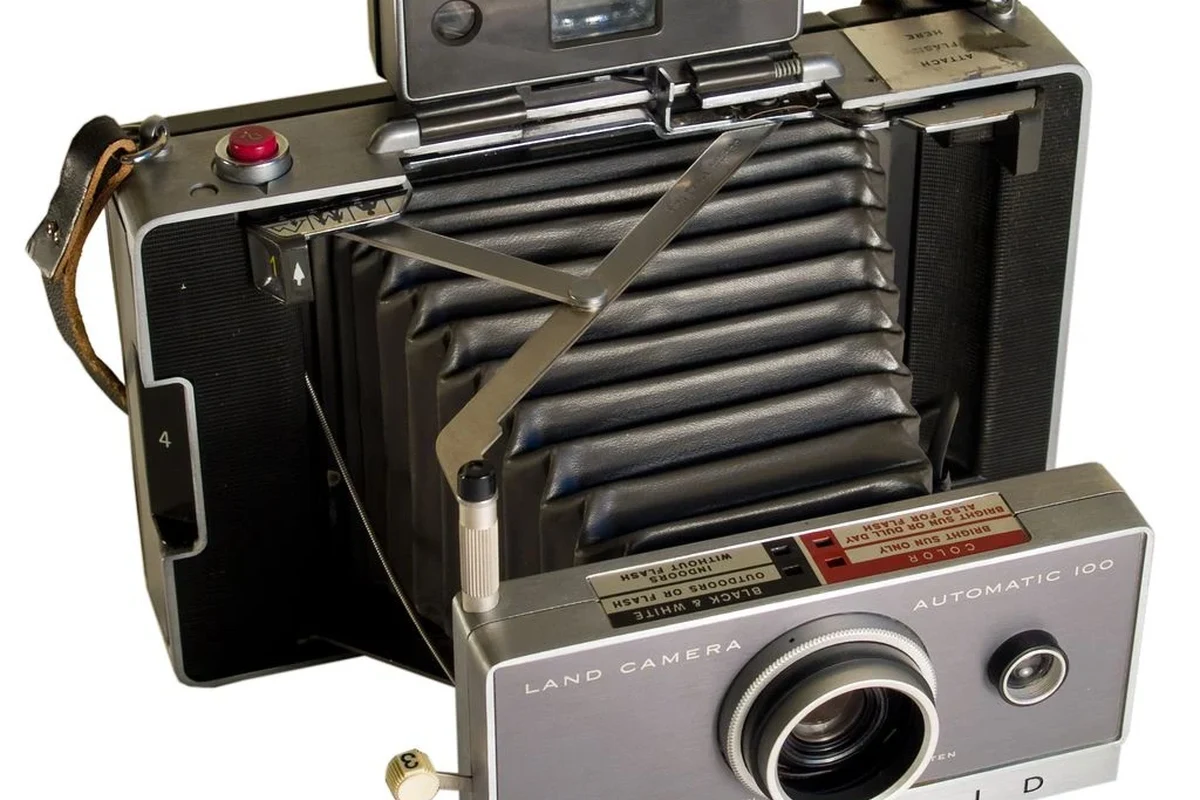
“Early Polaroid” can refer to several generations of cameras, from boxy consumer models to more advanced folding or Land Camera designs. The main differences are film format, focusing method, exposure control, flash support, and whether the camera still has a practical film supply today.
Instant film format and image development process
Polaroid history includes both integral film, where the image develops in the print after ejection, and older peel-apart systems, where the photo was separated into positive and negative after processing. The exact workflow depends on the camera family and the film it was designed to use.
For shoppers, the film format is one of the most important checks because it determines whether the camera is still usable in a normal way or mainly a collector’s item. Some older formats are discontinued, while others may have limited specialty support or require workarounds that are not ideal for everyday users.
Film availability changes over time, and it can vary by region and retailer. Before buying, confirm that the exact film format for the camera is still available from a reliable source.
Common model families collectors and beginners encounter
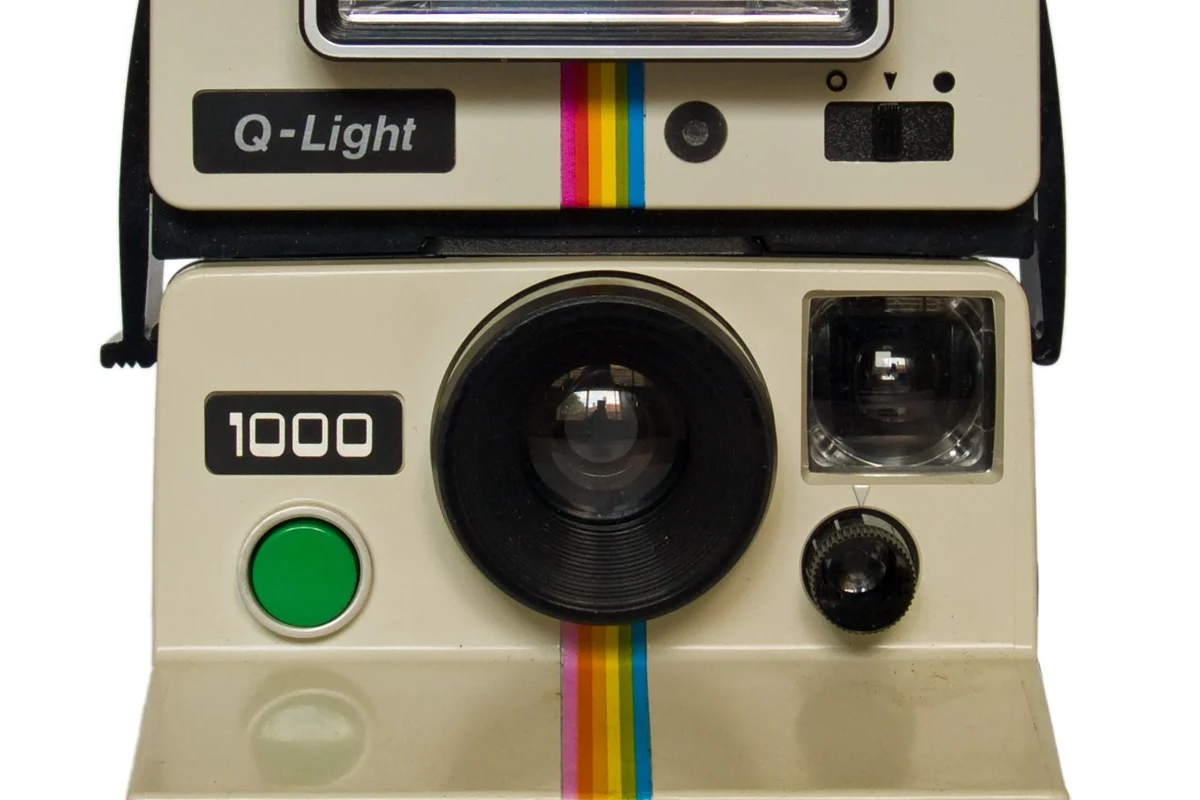
Collectors often encounter folding Land Cameras, box-style instant cameras, and later consumer models with built-in flash or more automated exposure systems. Beginners usually find the box-style models easier to understand, but not necessarily easier to keep shooting if film or power options are limited.
Some cameras are prized for their design more than their practicality. Others are valued because they still have better odds of being film-compatible or serviceable. In both cases, condition matters as much as model name.
- Camera body and lens cover or case, if included
- Film compatibility information or original manual
- Battery solution, adapter, or pack type if required
Who an Early Polaroid Camera Fits Best in 2026
The best buyer is usually someone who values experience over efficiency. An early Polaroid camera is a strong choice when the goal is a tangible print, a vintage aesthetic, or a collectible object with photographic history.
Vintage photo lovers, casual creators, and collectors
Vintage photo lovers often appreciate the look of older optics and chemical development. Casual creators may like the surprise factor and the hands-on feel, especially for events, journals, or display projects.
Collectors, meanwhile, may care more about model rarity, condition, and original accessories than daily shooting. For them, a camera can be worth owning even if it is not the most practical route to instant photos.
- Distinctive analog image character
- Physical prints with strong nostalgia value
- Interesting collectible and display appeal
- Film may be limited or expensive
- Older units can need careful inspection
- Results are less predictable than modern instant systems
When a classic Polaroid makes more sense than a modern instant camera
A classic Polaroid makes more sense when you care about authenticity, want a specific vintage look, or already understand the trade-offs of older hardware. It can also be the better choice if you are buying for display, collecting, or occasional creative use rather than frequent casual snapshots.
Modern instant cameras usually win on convenience, consistency, and easier film access. If you want dependable point-and-shoot behavior, the classic route may be more charming than practical.
How to Choose the Right Early Polaroid Camera
Start with compatibility, then move to condition. A beautiful vintage camera is still a poor buy if it cannot accept film, power on reliably, or expose images consistently enough for your goals.
Condition checks, lens type, flash support, and exposure controls
Look for a clean lens, intact bellows or body shell where applicable, smooth film-door operation, and rollers that do not appear badly corroded or jammed. If the model relies on a battery pack or specific power source, verify that the battery solution is available and safe to use.
Lens type and exposure controls also matter. Simpler fixed-focus cameras are easier to use, while models with more controls may offer more flexibility but can be harder to evaluate if you do not know whether the settings still work correctly.
- Confirm the exact model number and film format
- Check lens clarity, rollers, door latches, and flash parts
- Verify battery requirements, manual availability, and return terms
Film availability, cost per shot, and long-term value
Film availability should be treated as a long-term ownership question, not just a first-day purchase detail. If the film is rare, discontinued, or expensive, the camera may be better suited to collecting than regular shooting.
Cost per shot also influences how you use the camera. Vintage instant photography can become a thoughtful, selective process, which many people enjoy. Others may find the ongoing film cost too high for casual use.
Size, portability, and practical trade-offs for everyday use
Some early Polaroid cameras are compact enough for occasional travel, while others are bulky, fragile, or awkward to carry. Portability matters if you want to bring the camera to gatherings, vacations, or outdoor shoots.
Trade-offs are normal with vintage gear. A lighter camera may be easier to carry but less capable. A more capable model may be heavier, more complex, and more sensitive to wear.
How an Early Polaroid Camera Performs in Real Use
Performance is best judged by image character, lighting tolerance, and how forgiving the camera is of user error. Early Polaroid cameras are often loved precisely because they are not perfect.
Image character, color shift, and the appeal of imperfect prints
Vintage instant prints often show softer detail, uneven color, and occasional development quirks. Some users see those traits as flaws, while others consider them the point of the format.
Because each camera and film batch can behave differently, the final look may vary more than with digital or modern instant systems. That variability is part of the charm, but it also means the camera is not ideal if you need consistent color accuracy.
Many classic instant cameras became iconic not because they produced perfect technical images, but because they made photography immediate and physical in a way that felt special.
Lighting limits, subject distance, and common shooting mistakes
Older instant cameras can be sensitive to lighting and subject distance. Indoor scenes, backlit subjects, and very close portraits often need more care than casual users expect.
Common mistakes include shooting too close, ignoring flash limitations, and assuming the camera will compensate for poor light. If your model has a manual exposure or flash option, reading the original instructions can make a meaningful difference.
If you are buying for actual photo use, prioritize models with clear manual instructions, known film support, and a working flash system over rare but impractical variants.
What the evidence can and cannot prove about vintage performance
Without verified first-hand testing, no article should claim that every early Polaroid camera performs a certain way in use. Real results depend on the specific unit, film age, storage history, battery condition, and even how the camera was handled over time.
What can be said with confidence is that vintage instant cameras are more variable than modern ones. If you want certainty, confirm the seller’s description, inspect the manual, and check recent compatibility guidance from the film manufacturer or collector community.
Safe Use, Care, and Storage for an Early Polaroid Camera
Vintage cameras are usually simple, but age changes how they should be handled. Heat, moisture, old batteries, and dust can all affect safety and reliability.
Battery handling, film pack inspection, and heat or light exposure limits
If the camera uses a battery pack or battery compartment, inspect it for corrosion, leakage, or swelling before inserting anything. Do not force damaged parts into place, and do not use questionable batteries or adapters that do not match the manufacturer’s guidance.
Film packs should also be inspected for age and storage issues. Excess heat and prolonged light exposure can reduce image quality or compromise the chemistry, so keep film stored according to the film maker’s instructions.
Stop using any camera or battery accessory that shows corrosion, swelling, overheating, cracked insulation, or loose wiring. Follow the official manual and replace damaged parts rather than improvising a fix.
Cleaning, storage conditions, and protecting the rollers and lens
Use gentle cleaning methods for the exterior, lens, and rollers. Avoid aggressive liquids or abrasive tools that could damage coatings, plastics, or mechanical parts.
For storage, choose a cool, dry place away from direct sun and humidity. A camera bag or padded container can help protect the lens and body from dust and accidental impact.
Replacement guidance for aging parts and worn accessories
Many early Polaroid cameras need replacement accessories more than major repairs. Common issues include missing straps, worn seals, weak battery contacts, and brittle plastic parts.
If a part is structurally important, confirm replacement availability before you buy the camera. For rare models, restoration can cost more than the camera is worth to a casual user, so it is wise to compare repair effort against collectible value.
Early Polaroid Camera Value: What to Verify Before Buying
Value depends on more than the asking price. A cheap camera can become expensive if it needs hard-to-find film, special batteries, or restoration work.
Price ranges, included accessories, and warranty or return details to check
Because prices vary by model, condition, and market, it is better to compare listings than to rely on a single “fair price.” Accessories such as cases, manuals, flash units, and original boxes can improve completeness, but only if they are actually useful and in usable condition.
For used purchases, return policy matters a lot. A seller who offers a clear return window is often safer than a lower-priced listing with no recourse if the camera does not function as described.
Common red flags, restoration costs, and when a deal is not worth it
Watch for fogged lenses, heavy corrosion, missing critical parts, cracked housings, jammed mechanisms, and vague descriptions that avoid film compatibility details. Those issues can turn a bargain into a project.
If the camera needs rare parts, specialized service, or a film format that is no longer practical to source, the deal may not be worth it unless you are collecting for display. In that case, condition and completeness matter more than bargain pricing.
Final Recommendation: Is an Early Polaroid Camera Worth It in 2026?
An early Polaroid camera is worth considering if you want a vintage instant-photo experience, enjoy collecting classic gear, or value the look and feel of analog prints more than convenience. It is less compelling if you want low-cost shooting, predictable results, or easy access to film and replacement parts.
Collectors, nostalgic shooters, and first-time instant film buyers who are comfortable verifying film support, condition, and battery needs before they purchase.
The strongest choices are the models with reliable film availability, clear manuals, and a condition report you can trust. If those boxes do not check out, a modern instant camera or a newer Polaroid system may be the smarter alternative.
Choose an early Polaroid camera for charm, history, and tactile photo-making, not for maximum convenience or consistency. Verify film support, inspect the camera carefully, and be ready for vintage limitations before you commit.
Frequently Asked Questions
It is best for vintage photo lovers, collectors, and casual creators who value analog character more than convenience. If you want predictable results and easy film access, a modern instant camera may fit better.
Confirm the exact model, film format, battery requirements, and overall condition. Also check the lens, rollers, flash parts, and return policy before you pay.
Some are still very usable if the film and power setup are available. Others are mainly collector pieces because the film format is discontinued or hard to source.
Check the exact film format listed for the camera and confirm current availability from the film maker or a reliable retailer. Availability can vary by region and can change over time.
Common risks include corrosion, worn rollers, cracked plastic, missing parts, and batteries or adapters that no longer work safely. A low-priced camera can become costly if it needs restoration.
A classic Polaroid is better if you want vintage character and collectible appeal. A modern instant camera is usually better if you want easier use, more reliable operation, and simpler film access.