Truvelo Cameras Guide for Safer Roads and Smart Driving
Truvelo cameras are specialized traffic enforcement systems built to measure speeding and support safer roads. They are best for fixed locations where consistent enforcement, legal compliance, and clear evidence handling matter most.
Truvelo cameras are specialized traffic enforcement systems built to measure vehicle speed and capture evidence of speeding in a way that supports road safety programs. For municipalities, school zones, and busy corridors, they can be a practical tool when the goal is consistent enforcement rather than general surveillance.
- Best use case: Fixed speed enforcement in school zones and high-risk corridors.
- Main buying check: Verify calibration, lane alignment, software workflow, and legal requirements.
- Biggest strength: Consistent enforcement with structured evidence capture.
- Main limitation: Performance depends on correct installation and ongoing maintenance.
Truvelo Cameras Explained: What They Are and Why They Matter for Safer Roads
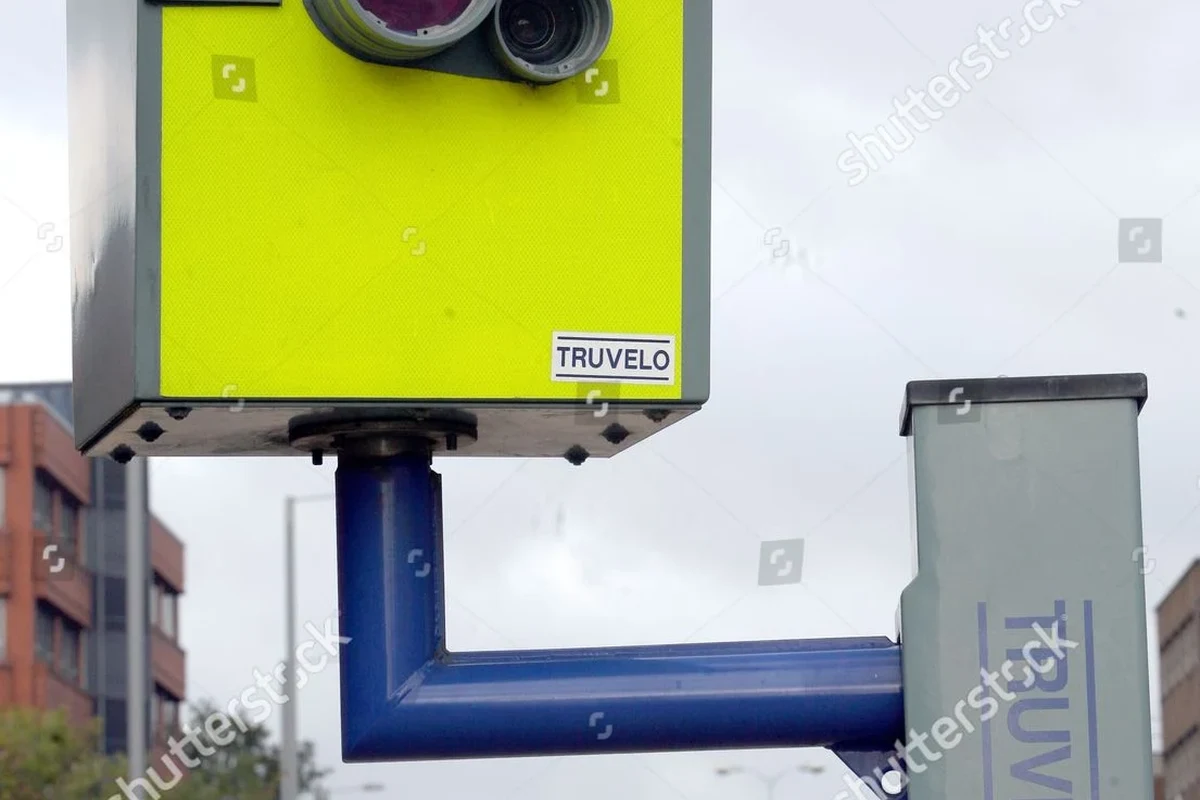
Truvelo cameras are designed around one main job: identify speeding vehicles and document the event clearly enough to support enforcement workflows. In simple terms, they help traffic teams reduce risky driving by making speed limits harder to ignore, especially in places where speeding has a direct impact on pedestrians, cyclists, and school traffic.
Quick answer: how Truvelo cameras help reduce speeding and improve traffic safety
They discourage speeding by combining speed detection with evidence capture, which makes enforcement more consistent and harder to dispute when the system is installed and calibrated correctly. That consistency matters because the visible presence of enforcement can influence driver behavior even before a citation is issued.
Where they’re used in 2026: roads, school zones, and enforcement-heavy corridors
These systems are commonly considered for roads with recurring speeding complaints, school zones, and corridors where crash risk is tied to frequent speed violations. They are also relevant in areas where local agencies want a fixed, monitored solution instead of relying only on patrol-based enforcement.
Exact deployment rules vary by region, local traffic law, and procurement policy. Before planning a Truvelo installation, agencies should confirm legal authority, signage requirements, and evidence handling rules with the relevant transportation and enforcement bodies.
How Truvelo Cameras Work: Technology, Triggers, and Evidence Capture
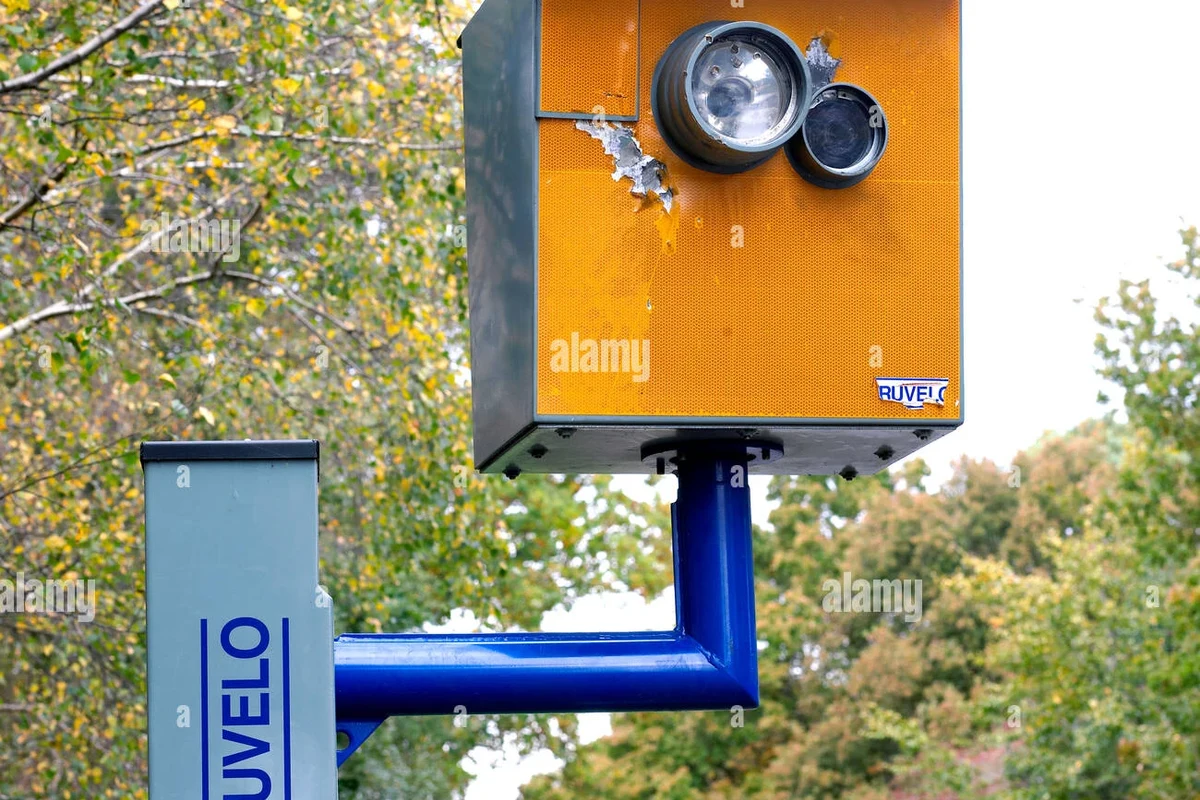
At a high level, Truvelo systems use sensors to detect vehicle movement, then pair that detection with image capture and evidence storage. The details vary by model and installation, but the core idea is to measure speed reliably without depending on a driver’s reaction to a highly visible flash or obvious roadside cue.
Core components: sensors, infrared flash, road markings, and image capture
A typical setup may include road sensors, a camera unit, an infrared flash or low-visibility illumination method, and road markings used to support accurate measurement or lane verification. The camera records the vehicle and the event data, while the system software organizes the evidence for review or enforcement processing.
Traffic enforcement cameras often rely on multiple layers of verification, not just a single image. That helps reduce false triggers and makes the recorded event more useful for review.
Why Truvelo systems are designed to detect speed without obvious driver distraction
One reason these systems are used in enforcement programs is that they can operate in a way that is less distracting to drivers than a highly conspicuous flash-based setup. The goal is not surprise for its own sake; it is to capture evidence while keeping the system suitable for locations where safety and traffic flow are both important.
Accuracy factors to understand: positioning, calibration, weather, and lane alignment
Accuracy depends heavily on correct placement, proper calibration, and alignment with the lane or lanes being monitored. Weather, road surface conditions, lane markings, and mounting stability can all affect performance, which is why installation quality matters as much as the hardware itself.
When comparing systems, ask for the manufacturer’s installation guide, calibration schedule, and any documentation that explains how lane alignment and evidence validation are handled.
Who Truvelo Cameras Are Best For: Municipal Buyers, Traffic Teams, and Safety Planners
Truvelo cameras are best suited to organizations that need structured, repeatable speed enforcement. They are not a casual consumer gadget, and they make the most sense when a public agency or contractor has a defined safety objective, a legal framework for enforcement, and a workflow for managing evidence.
Ideal use cases: speed enforcement, accident reduction, and school safety initiatives
These systems are often considered where speeding contributes to collisions, near-misses, or community complaints. School safety initiatives are another common fit because consistent speed control can be especially valuable during arrival and dismissal periods.
When Truvelo is a better fit than general-purpose traffic cameras
Truvelo can be a better choice when the main priority is enforcement-grade speed measurement rather than broad traffic observation. General-purpose cameras may be useful for monitoring congestion or incidents, but they do not always provide the same enforcement workflow, lane-specific detection, or evidence structure.
Who should compare alternatives before choosing a system
Agencies that need mobile enforcement, temporary deployments, or broader analytics should compare alternatives before committing. If the goal is flexible coverage rather than fixed-location enforcement, portable tools or multi-purpose traffic systems may fit better.
Fixed-location road safety programs that need consistent speed enforcement and clear evidence handling, especially in school zones and high-risk corridors. The trade-off is higher planning and installation complexity than a general traffic camera.
Key Specifications and Buying Criteria to Check Before Choosing a Truvelo Setup
Because Truvelo systems vary by model and deployment, buyers should focus on decision criteria rather than assuming every unit has the same capability. The most useful comparison points are detection performance, installation requirements, evidence workflow, and long-term service support.
Detection range, capture speed, night performance, and multi-lane coverage
These are the performance questions that matter most. A system that works well on one lane at moderate traffic volume may need a different configuration for multi-lane roads, higher speeds, or nighttime enforcement.
Power requirements, mounting options, weather resistance, and enclosure durability
Buyers should verify how the unit is powered, where it can be mounted, and how well the enclosure is built for the local environment. Outdoor traffic equipment needs to handle heat, cold, rain, dust, and vibration without drifting out of alignment.
Traffic equipment should only be installed according to the manufacturer’s instructions and local regulations. Do not improvise mounts, wiring, or enclosures, since poor installation can create safety hazards and reduce evidence reliability.
Connectivity, data handling, software compatibility, and evidence workflow
Modern enforcement systems often depend on software for storage, review, and reporting. Before buying, confirm whether the camera integrates with your current workflow, whether data export is supported, and how access control and audit trails are handled.
Warranty, service support, calibration intervals, and replacement part availability
Long-term value depends on more than the camera body. Ask about warranty terms, local service access, calibration intervals, and the availability of replacement parts such as mounts, housings, sensors, or flash components.
- Check compatibility with your road layout, lane count, and enforcement software.
- Confirm legal requirements, evidence rules, signage, and calibration obligations.
- Review warranty terms, service coverage, spare parts, and update support.
- Verify weather rating, enclosure durability, and power installation needs.
Real-World Benefits and Limitations of Truvelo Cameras
Truvelo systems can be valuable, but they are not magic. Their real-world effectiveness depends on policy, placement, maintenance, and whether the surrounding enforcement program is designed well.
Benefits: deterrence, consistent enforcement, and improved road compliance
When deployed correctly, these cameras can help reduce habitual speeding by making enforcement more predictable. That consistency can support safer streets, fewer speed-related complaints, and better compliance near vulnerable road users.
- Supports consistent, repeatable enforcement
- Useful in high-risk zones such as school corridors
- Can improve compliance without relying only on patrols
- Installation and compliance planning can be complex
- Performance depends on calibration and correct placement
- Not ideal for every traffic monitoring or analytics need
Limitations: installation cost, legal requirements, and dependence on correct setup
These systems can require substantial planning, and the cost of a complete deployment may include hardware, installation, software, maintenance, and legal review. If the setup is wrong, the system may underperform or create evidence challenges, so professional installation and ongoing oversight are important.
Evidence limitations: what camera data can and cannot prove on its own
Camera data can help show a vehicle’s presence, lane position, and recorded speed event, but it does not automatically explain every context detail. Reviewers still need to consider local rules, image quality, timestamps, calibration records, and whether the event meets the jurisdiction’s enforcement standard.
Common Mistakes, Safe Use, and Maintenance for Long-Term Reliability
Most reliability problems come from installation or maintenance shortcuts. A well-chosen system can still produce poor results if it is mounted badly, left uncalibrated, or exposed to avoidable wear.
Installation mistakes that reduce accuracy or create compliance issues
Common mistakes include poor lane alignment, incorrect mounting height, ignoring road geometry, and failing to verify the camera’s field of view after installation. Another frequent issue is skipping the paperwork or approval steps needed to make enforcement legally defensible.
Stop using damaged equipment, loose mounts, frayed cables, water-damaged enclosures, or overheating power components until they are inspected and corrected according to the manufacturer’s guidance.
Routine care: lens cleaning, housing checks, cable inspection, and weather damage prevention
Routine maintenance should include lens cleaning, enclosure checks, cable inspection, and a visual review for corrosion, condensation, or impact damage. Outdoor systems benefit from scheduled inspections after storms, roadwork, or any event that may have shifted the mount.
- Create a maintenance log for cleaning, calibration, and service dates.
- Inspect seals and cable entry points after heavy rain or temperature swings.
- Keep spare parts and backup components labeled by model and revision.
Storage and servicing guidance for spare units, parts, and backup equipment
If your program keeps spare hardware, store it in a dry, temperature-stable location and follow the manufacturer’s packing guidance. Keep documentation with each spare item so replacement crews can match the correct model, firmware, and accessory set during service calls.
Truvelo Cameras vs Other Traffic Enforcement Options: A Transparent Comparison
Truvelo is one option in a broader traffic enforcement toolbox. The best choice depends on whether you need fixed-location speed enforcement, flexible monitoring, or license-plate-focused evidence capture.
| Option | Best For | Key Consideration |
|---|---|---|
| Truvelo cameras | Fixed speed enforcement | Strong fit when lane-specific detection and evidence workflow matter |
| Standard speed cameras | General speed monitoring | May be simpler, but not always as specialized for enforcement use |
| ANPR systems | Vehicle identification and tracking | Better for plate recognition than speed enforcement alone |
| Portable enforcement tools | Temporary or flexible deployments | More adaptable, but usually less permanent and less integrated |
How Truvelo compares with standard speed cameras, ANPR systems, and portable enforcement tools
Compared with standard speed cameras, Truvelo is often chosen for more structured enforcement use. Compared with ANPR, it is more focused on speed measurement than plate recognition. Portable tools can be useful for temporary coverage, but they typically do not offer the same fixed-infrastructure consistency.
Trade-offs in cost, visibility, accuracy, and operational complexity
Truvelo’s strengths usually come with higher planning and operational complexity. That trade-off can be worthwhile when the agency needs dependable enforcement at a specific location, but it may be unnecessary for teams that only need occasional or mobile monitoring.
Evidence-based verdict: where Truvelo offers the strongest value
The strongest value appears in programs that prioritize safety outcomes, repeatable enforcement, and solid evidence handling at fixed sites. If those are not the main goals, a simpler camera or a portable enforcement approach may be easier to manage.
Final Recommendation: Is Truvelo the Right Choice for Your Road Safety Project?
Truvelo cameras make sense when a public agency, contractor, or safety team needs a durable enforcement tool for a specific road-safety problem. They are less compelling if the project needs broad traffic analytics, temporary deployment, or minimal setup complexity.
Best-fit summary for public agencies, contractors, and safety-focused communities
For school zones, high-risk corridors, and repeated speeding complaints, Truvelo can be a strong fit because it supports consistent enforcement and clear evidence handling. For broader traffic management, it may be only one part of a larger system rather than the only camera you need.
Decision checklist for choosing, installing, and maintaining a Truvelo system
Before moving forward, confirm the legal framework, installation requirements, calibration schedule, software workflow, and service support. Then verify that the model matches your lane layout, weather conditions, and long-term maintenance capacity.
- Truvelo cameras are best suited to fixed-location speed enforcement and road safety programs.
- Accuracy depends on correct installation, calibration, and ongoing maintenance.
- Buyers should verify legal requirements, software compatibility, and service support before choosing a model.
Frequently Asked Questions
Truvelo cameras are used for speed enforcement and road safety monitoring. They are commonly considered for fixed locations like school zones and high-risk corridors.
They use sensors and image capture to detect a vehicle and record a speeding event. Exact methods vary by model and installation.
They can be accurate when installed, calibrated, and aligned correctly. Weather, lane layout, and maintenance can affect performance.
Municipal buyers, traffic teams, and safety planners are the main audience. They fit best where fixed enforcement and evidence handling are important.
Check detection range, night performance, power needs, mounting options, software compatibility, warranty, and service support. Also confirm local legal and calibration requirements.
Truvelo is typically more specialized for speed enforcement than general traffic cameras or ANPR systems. It is strongest when the goal is fixed-location road safety enforcement.