

What Video Doorbells Work with HomeKit Best Picks for 2026
Only video doorbells that explicitly support Apple Home or HomeKit Secure Video will work well with HomeKit. Verify the exact model number, power type, and current manufacturer compatibility page before buying.
If you’re asking what video doorbells work with HomeKit, the short answer is: look for models with native Apple Home support or HomeKit Secure Video, then confirm the exact model number before you buy. In 2026, the safest approach is to verify compatibility on the manufacturer’s current support page and in the Apple Home app requirements, because not every “smart” doorbell works with HomeKit the same way.
For Apple users, the best choice is usually the doorbell that fits your wiring, your Wi‑Fi, and your privacy needs first, then your preferred Home app features second. If you also want a broader Apple smart-home setup, it can help to compare your doorbell choice with other Apple Home devices like smart lights that work with Apple HomeKit and smart lights that work with Apple Home so your automations stay consistent.
- Check the exact model: “HomeKit-compatible” can mean different feature levels, so verify the model number and region.
- Match power to your home: Wired, battery, and hybrid setups each have different installation and reliability trade-offs.
- HomeKit Secure Video matters: It is the best fit for many Apple users, but it depends on iCloud+.
- Wi‑Fi and chime support count: A strong signal and compatible indoor chime can matter as much as camera quality.
- Confirm before you install: Review manuals, warranty terms, and app requirements to avoid pairing or power problems.
What Video Doorbells Work with HomeKit in 2026? Quick Answer and Top Picks
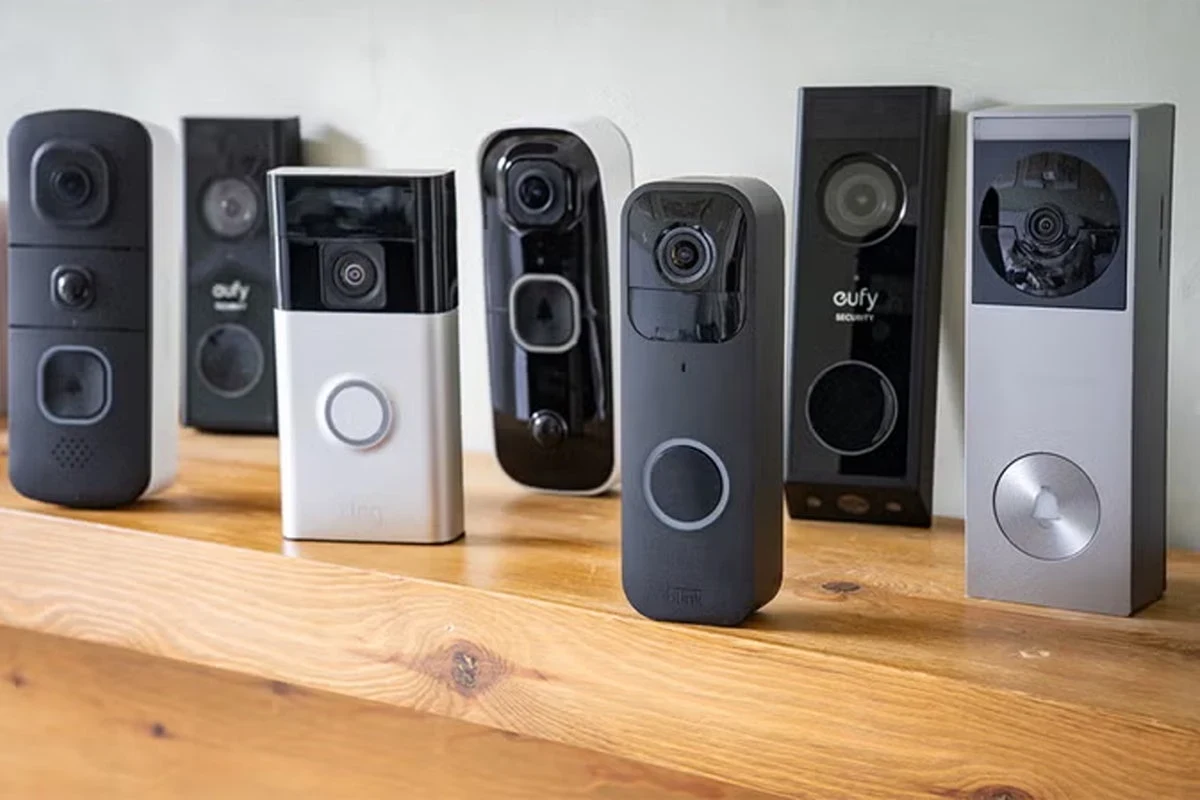
The best HomeKit-friendly video doorbells are the ones that explicitly list Apple Home or HomeKit Secure Video support for the exact model you’re considering. In practice, that often includes a smaller set of premium or Apple-focused devices, while many popular doorbells still require a separate app and only offer limited Apple integration.
Because compatibility changes by region, firmware, and product revision, don’t rely on a store listing alone. Check the manufacturer’s current compatibility page, the model number on the box, and the Apple Home requirements before installing anything at the door.
Best overall HomeKit fit: the doorbell with native Apple Home support, reliable wired power options, and clear HomeKit Secure Video documentation. That combination usually gives you the smoothest setup and the fewest app-switching headaches, though availability and feature sets vary by model.
Best premium privacy pick: a HomeKit Secure Video-compatible model that stores clips through iCloud rather than pushing you into a separate cloud ecosystem. This is often the right fit for Apple-first households, but it depends on your iCloud plan and supported camera count.
Best value-minded option: a wired HomeKit-compatible doorbell that works with your existing chime and does not require extra hardware beyond what the manufacturer specifies. Value here depends on installation complexity, subscription needs, and whether the model’s Home app features are enough for your use case.
How HomeKit-Compatible Video Doorbells Work with Apple Home
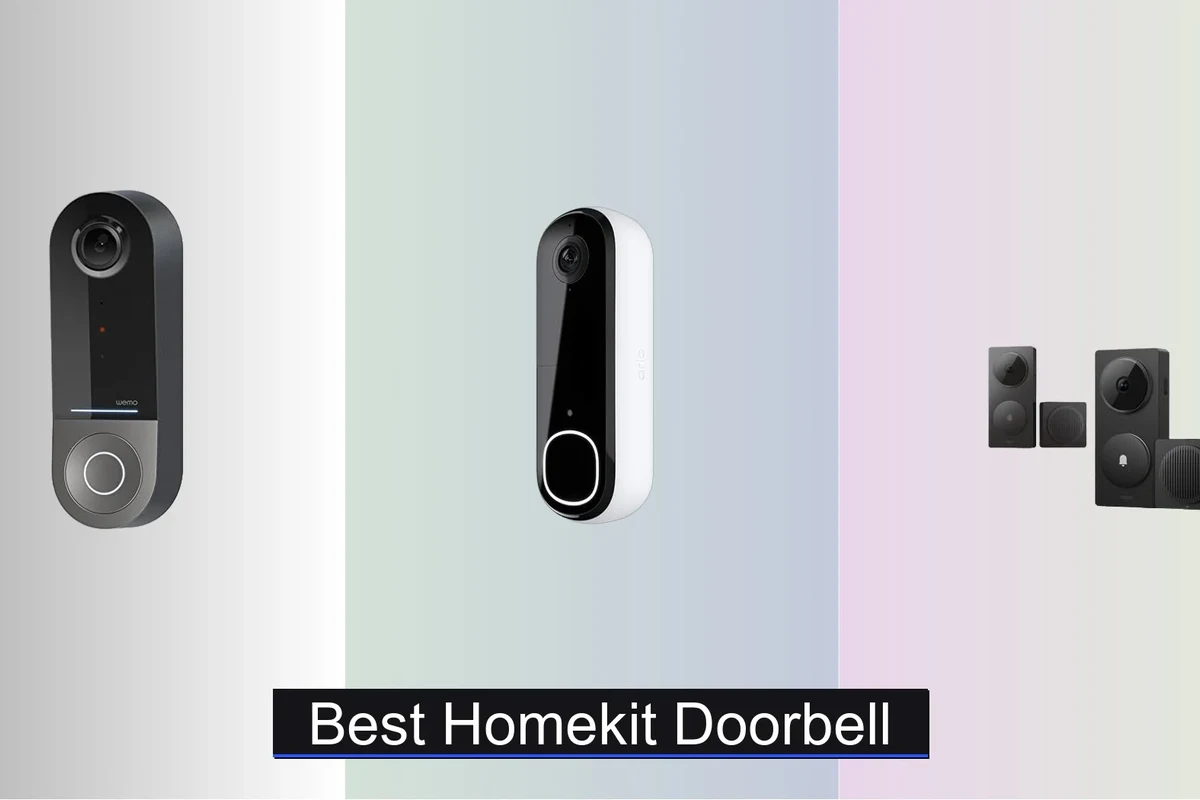
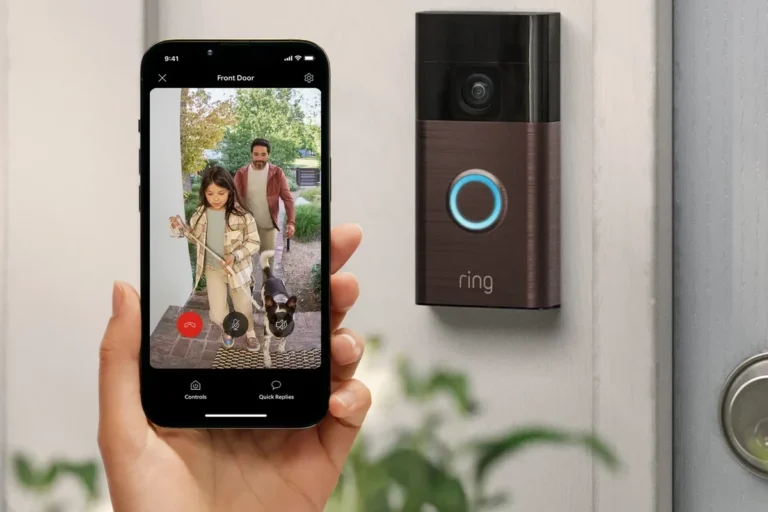
HomeKit-compatible doorbells connect to Apple Home so you can see the live view, receive alerts, and sometimes trigger automations from your iPhone, iPad, Apple Watch, or HomePod. The exact experience depends on whether the doorbell supports native HomeKit features, HomeKit Secure Video, or only a limited bridge through another ecosystem.
In plain English, HomeKit is the “Apple language” the doorbell speaks. If the doorbell speaks it directly, setup is usually simpler and the Home app becomes the main control center; if it doesn’t, you may still get useful features, but you’ll likely live in the manufacturer’s app for more of the day-to-day controls.
HomeKit vs. HomeKit Secure Video: What’s the Difference?
HomeKit support means the device can work inside Apple Home for basic control and notifications. HomeKit Secure Video is the higher-value version for many buyers because it can route recorded clips through Apple’s privacy-focused framework instead of relying entirely on the vendor’s cloud storage.
That said, HomeKit Secure Video is not the same as “free video storage forever.” It usually depends on an eligible iCloud+ plan and the number of supported cameras on your account. If privacy and Apple integration matter more than a long feature list, this distinction is worth checking carefully before purchase.
Some products marketed as “HomeKit-compatible” may only support certain Apple Home functions, not full Secure Video recording. Always confirm the exact feature list for the exact model number and firmware family.
Connection Types: Wi‑Fi, Wired Power, and Chime Compatibility
Most HomeKit doorbells depend on Wi‑Fi for video, notifications, and app control. A stable 2.4 GHz or dual-band connection is often important, but the exact network requirements vary by model, so check the setup guide before mounting the unit.
Power is just as important. Some doorbells are battery-powered, some require existing doorbell wiring, and some can work either way depending on the accessory kit. If you want the most reliable HomeKit experience, wired power often reduces charging downtime and keeps the doorbell online longer.
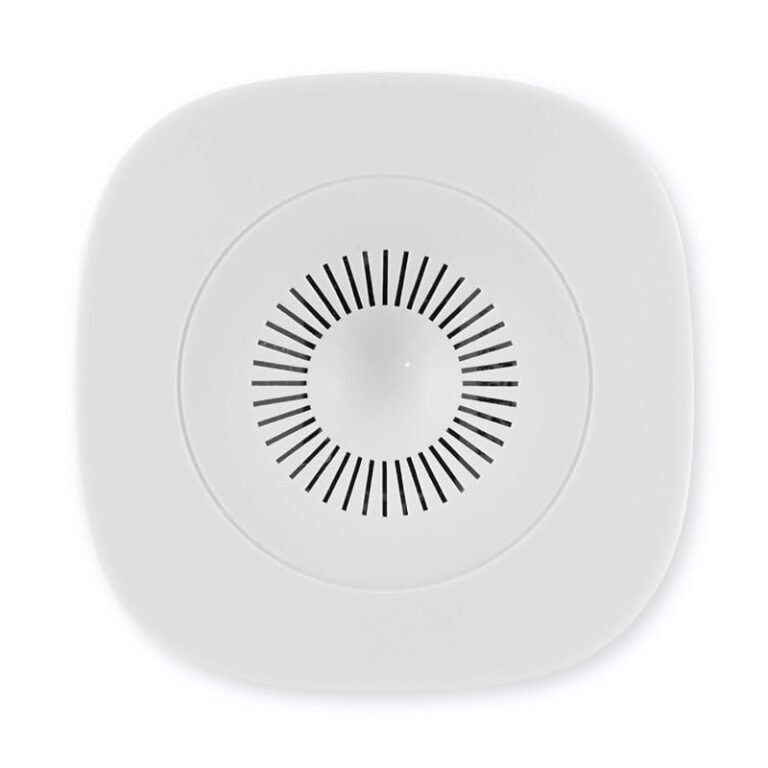
If your current doorbell chime matters to you, verify chime compatibility before you buy. Some models support mechanical chimes, some need a proprietary chime kit, and some rely on phone alerts or smart speakers instead of your old indoor chime.
Best Video Doorbells for HomeKit Users: What to Look For
When you shop for a HomeKit doorbell, compare more than Apple compatibility. The best choice should also fit your front door layout, your lighting, your Wi‑Fi strength, and whether you need wired power, battery convenience, or package detection.
- Check the exact model number against Apple Home and manufacturer compatibility pages
- Confirm power type, transformer requirements, and chime support
- Review app requirements, subscription needs, privacy settings, and firmware update support
- Make sure the mounting angle, weather rating, and Wi‑Fi range fit your entryway
Video Quality, Field of View, and Night Vision
Video quality matters because a doorbell camera is only useful if you can actually identify faces, packages, and movement near the door. Look for a wide enough field of view to cover the walkway and porch, but not so wide that faces become too small to recognize.
Night vision also deserves attention. Some models use infrared, some use color night vision under certain lighting conditions, and some do both. The best option for your home depends on how much ambient light your porch gets after dark.
Motion Detection, Face Recognition, and Alert Accuracy
Motion detection is one of the biggest differences between a doorbell that feels helpful and one that feels annoying. Better models let you adjust activity zones, motion sensitivity, and person detection so you get fewer false alerts from cars, trees, or passing pedestrians.
Face recognition, where available, can be convenient for households that see the same visitors often. Still, it is not perfect and may vary by lighting, camera angle, firmware, and the Apple Home setup you use. Treat it as a convenience feature, not a security guarantee.
Storage, Subscription Plans, and Apple Home Integration Limits
Storage is where many buyers get surprised. Some doorbells rely on local storage, some require a subscription for event history, and some offer the best HomeKit experience only when paired with Apple’s iCloud+ recording features.
Before you commit, compare what you get in the Home app versus the manufacturer’s app. A doorbell may look fully compatible on paper, but still limit clip length, smart alerts, or history without a paid plan. For homeowners comparing ecosystems, it can also help to understand how Apple Home support differs from other platforms, such as the setups discussed in our guide to smart lights that work with Alexa.
Who Each HomeKit Doorbell Is Best For
Different buyers need different strengths from a HomeKit doorbell. A renter may care most about easy installation, while a homeowner with existing wiring may want the cleanest long-term setup and the least charging maintenance.
Best for Apartment and Condo Setups
Apartment and condo users usually need a doorbell that is simple to install, easy to remove, and friendly to shared entryways or limited wiring access. Battery-powered or adhesive-mount options may be more practical, but always confirm building rules before installing anything in a common area.
For smaller spaces, the best pick is often a model with straightforward app setup, strong motion zoning, and no requirement for major electrical work. If your Wi‑Fi is weak near the front door, placement and network quality may matter more than premium camera specs.
Best for Wired Homes and Existing Doorbell Systems
If you already have doorbell wiring and a compatible transformer, a wired HomeKit doorbell is often the most convenient long-term choice. It can reduce battery charging and usually provides a more “always on” experience for notifications and live viewing.
Wired homes also have a better chance of preserving an existing indoor chime, which many families still prefer. Just verify voltage and transformer guidance in the manual before installation, because doorbell power requirements vary by model.
Best for Privacy-Focused Apple Users
Privacy-focused Apple users usually want a model that supports Apple Home natively and keeps recording and sharing controls inside Apple’s ecosystem as much as possible. HomeKit Secure Video is often the most appealing route here, especially if you already rely on iCloud+.
The trade-off is that privacy-friendly setups may be less flexible than vendor-first ecosystems in areas like advanced analytics or broad third-party integrations. If privacy is your top priority, choose the model with the clearest Apple Home documentation and the simplest permission controls.
Setup Guide: Installing a HomeKit Video Doorbell Safely
Installation is where compatibility, power, and safety all meet. Before you mount anything, confirm the power source, the wiring condition, and whether the doorbell is designed for battery use, wired use, or both.
Power Requirements, Transformer Checks, and Wiring Basics
Always follow the manufacturer’s installation guide first. If the doorbell uses existing wiring, check the required voltage range and transformer compatibility in the manual rather than guessing from the old chime label.
If you are unsure about household wiring, transformer condition, or breaker behavior, stop and consult a qualified electrician or the manufacturer’s support documentation. Do not modify electrical wiring beyond the instructions provided by the product maker.
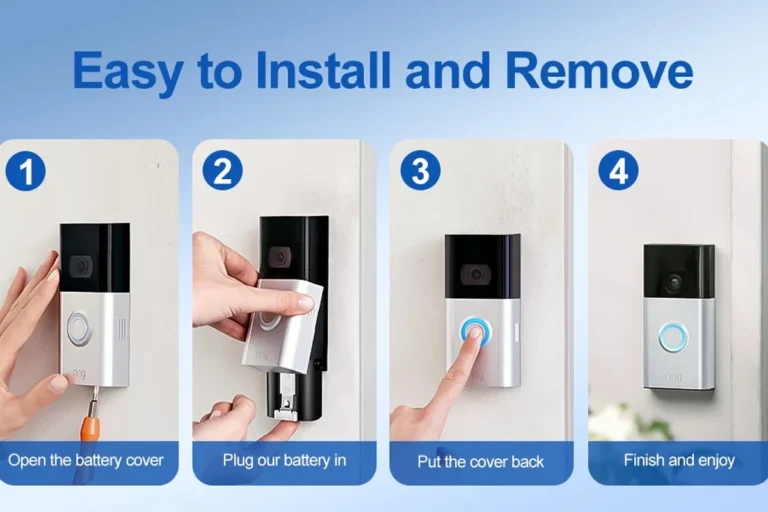
For battery models, make sure the battery is charged according to the official instructions before mounting. For wired models, confirm the wires are secure, the chime kit is installed correctly if required, and the doorbell is firmly attached to a weather-safe surface.
App Setup, Home App Pairing, and Connectivity Requirements
After installation, use the manufacturer’s app and the Apple Home app exactly as directed. Many HomeKit devices require a setup code, a compatible iPhone or iPad, and a stable home network during pairing.
Make sure the doorbell is powered correctly and your Wi‑Fi reaches the front door before pairing it to Apple Home.
Complete any firmware updates and account setup before adding the device to Home.
Scan the setup code, assign the room, and review notification permissions and recording settings.
Common Setup Mistakes to Avoid
One common mistake is ignoring transformer or power limits, which can cause unreliable operation. Another is mounting the camera too high, too low, or at the wrong angle, which can make faces hard to identify and reduce motion detection accuracy.
Also avoid pairing problems caused by weak Wi‑Fi, outdated firmware, or using the wrong Apple account. If the model requires a subscription for some features, check those terms before you invest time in a complicated install.
Real-World Benefits and Trade-Offs of HomeKit Doorbells
A good HomeKit doorbell can make arrivals, deliveries, and unexpected visitors easier to manage. It can also fit neatly into a broader Apple smart-home routine if you already use Home, Siri, and iCloud services.
Automation, Notifications, and Siri Control
HomeKit integration can trigger useful automations, such as turning on compatible lights when motion is detected or sending alerts to your Apple devices when someone rings the bell. Siri control is also helpful for quick checks, especially when your hands are full or you are away from the phone.
For many households, the real value is not just seeing the porch. It is getting a faster, more consistent response path through the Apple Home app and the devices you already use every day.
Limitations: Subscription Costs, Compatibility Gaps, and Wi‑Fi Dependence
The biggest trade-off is that HomeKit support does not erase subscription costs or network dependence. Some models still require paid cloud features for full event history, while others need strong Wi‑Fi to keep alerts and streams reliable.
Compatibility gaps can also appear later if firmware changes, app policies shift, or a retailer sells a slightly different regional model. That is why the official manual and current support pages matter more than marketing copy.
Apple Home features, recording options, and third-party integrations can change with firmware updates and app revisions. Recheck the manufacturer’s documentation before buying if you need a specific feature for work, travel, pets, or package monitoring.
Maintenance, Care, and Long-Term Reliability
Doorbells live outdoors, which means weather, dust, fingerprints, and temperature swings all affect long-term performance. A little maintenance goes a long way toward keeping video clear and alerts dependable.
Cleaning the Lens, Checking Mounts, and Weather Protection
Clean the lens gently with a soft microfiber cloth and follow the manufacturer’s guidance for any approved cleaning solution. Avoid abrasive materials, pressure washing, or spraying liquids directly into the unit.
It is also smart to check the mounting screws and bracket occasionally, especially after storms or temperature changes. If the camera housing shows cracks, moisture intrusion, or loose parts, follow the maker’s guidance before continuing to use it.
Battery Care, Power Inspection, and When to Replace Parts
For battery models, recharge according to the official instructions and avoid leaving damaged batteries in service. For wired models, inspect the cable path, chime kit, and doorbell button for wear if the unit starts acting inconsistently.
Stop using damaged electronics, swollen batteries, frayed cables, overheating chargers, or unstable devices and follow the manufacturer’s guidance.
If parts such as mounts, batteries, or chime accessories wear out, replace them with approved components whenever possible. That helps preserve compatibility and reduces the risk of fit or power issues later.
Final Verdict: Which HomeKit Video Doorbell Should You Buy in 2026?
The best HomeKit video doorbell is the one that matches your wiring, your privacy expectations, and your Apple Home setup without forcing extra compromises. If you want the simplest path, choose a model with clear native HomeKit support, stable power options, and documented Apple Home features for your exact region.
For most buyers, the smartest order of priorities is compatibility first, installation second, and subscription costs third. If you want a broader Apple-friendly home, keep your doorbell choice aligned with the rest of your ecosystem so your automations, alerts, and app habits stay easy to manage.
Best Overall Value, Best Premium Pick, and Best Budget-Friendly Option
Best overall value: a wired HomeKit-compatible doorbell with confirmed Apple Home support and straightforward chime compatibility. It usually offers the best balance of reliability and convenience for homeowners.
Best premium pick: a HomeKit Secure Video model with strong privacy controls and clear iCloud+ support. This is the best fit for Apple-first users who care about storage privacy and polished Home app integration.
Best budget-friendly option: a simpler HomeKit doorbell that still gives you reliable alerts and basic Apple Home control without unnecessary extras. Just verify the feature set carefully, because lower-cost models can be more limited on recording, motion zones, or subscription-free history.
Frequently Asked Questions
No. Only models that explicitly list Apple Home or HomeKit Secure Video support will work as expected. Always verify the exact model number and current manufacturer documentation.
HomeKit lets a device work inside Apple Home for control and notifications. HomeKit Secure Video adds Apple’s recording framework, usually through an eligible iCloud+ plan.
Sometimes, yes, if the exact model supports it. Battery models can be more flexible for renters, but you still need to confirm Apple Home support and charging expectations.
It depends on the model and features you want. Some use paid cloud plans for full history, while HomeKit Secure Video depends on iCloud+ rather than the vendor’s own subscription.
Maybe, but not always. Chime compatibility depends on the doorbell model, your wiring, and whether the manufacturer supports mechanical chimes or requires an accessory kit.
Check the exact model number, power requirements, chime support, Wi‑Fi needs, app requirements, and whether it supports HomeKit Secure Video. Also review warranty terms and current firmware or region notes.

2 Comments