Vicohome Bird Feeder Camera Review for Bird Lovers
The Vicohome bird feeder camera is a good fit for casual birdwatchers who want app viewing and bird-spotting convenience. Verify the exact model’s Wi-Fi, power, storage, and weather details before buying.
If you want a bird feeder camera that combines backyard birdwatching with app-based viewing, the Vicohome bird feeder camera is worth a close look. It can make sense for casual bird lovers who want identification help and remote access, but buyers should verify the exact model specs, app requirements, and outdoor durability before choosing it.
- Best use: Casual backyard birdwatching with app-based viewing and alerts.
- Check first: Exact model, app compatibility, Wi-Fi band, power method, and storage support.
- Main trade-off: Convenience and learning features versus app dependence and outdoor limits.
- Setup matters: Placement, signal strength, and camera angle strongly affect results.
- Maintenance: Regular cleaning, seed refills, and weather checks keep it working better longer.
Vicohome Bird Feeder Camera: What It Is and Whether It’s Worth Buying
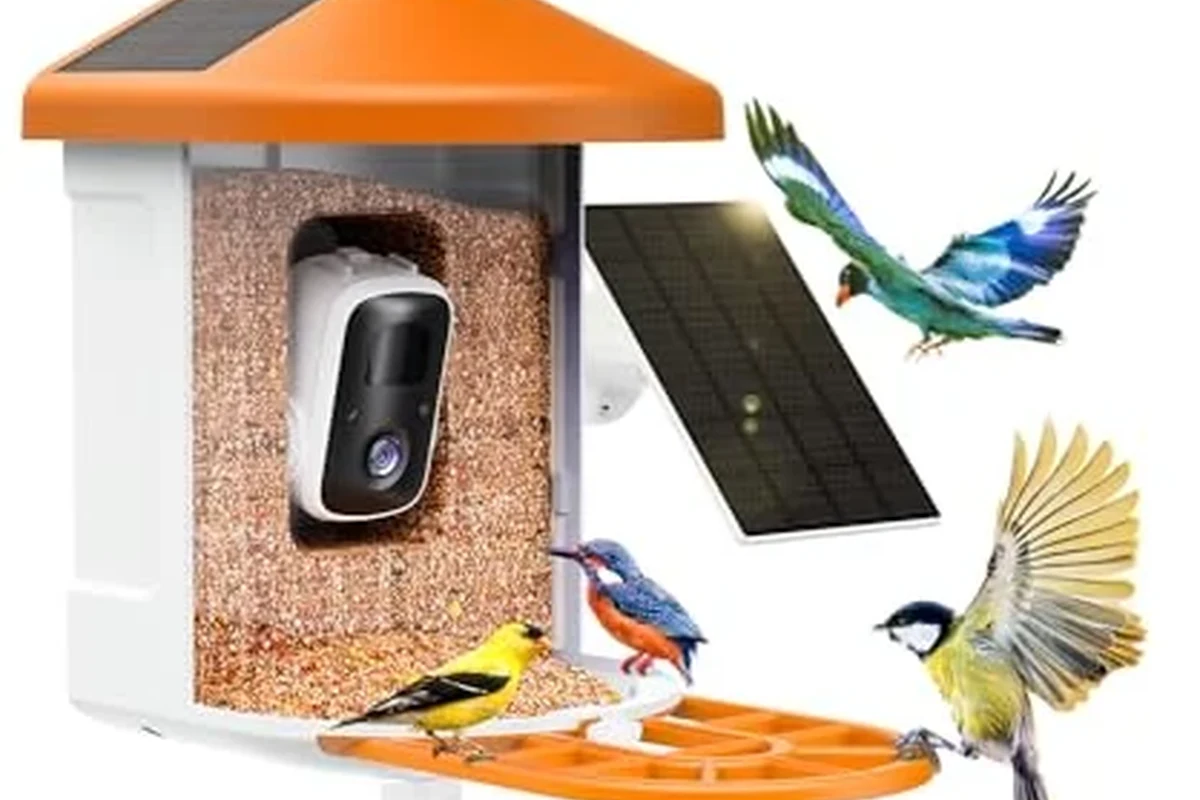
The Vicohome bird feeder camera is a smart bird feeder designed to let you feed birds while also viewing activity through a connected camera and mobile app. In practical terms, it sits somewhere between a backyard feeder and a simple wildlife camera, which makes it appealing to people who want both birdwatching and smart-home convenience.
Whether it is worth buying depends on what you expect from it. If you want an easy way to watch birds from your phone, learn common species, and share sightings with family, this category of product can be a good fit. If you want professional-grade optics, advanced weatherproofing, or a feeder that works with minimal app involvement, you may want to compare other models first.
How the Vicohome Bird Feeder Camera Works in a Smart Home Setup
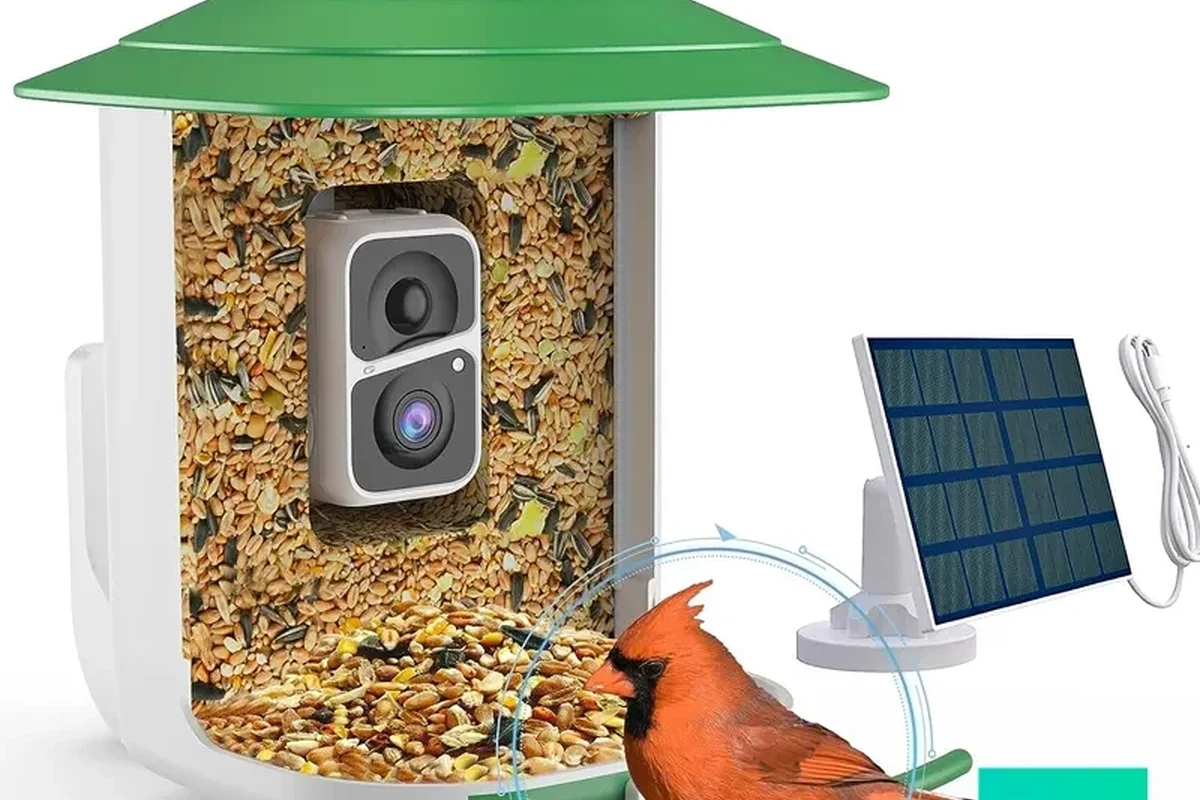
As a smart-home device, the feeder typically depends on a companion app, Wi-Fi, and a power or battery setup that supports the camera. That means the experience is less about a standalone feeder and more about how well the feeder, camera, and app work together in your home network.
Camera, feeder, and app connection overview
Most bird feeder cameras in this class use a mounted camera aimed at the feeding area, then send live or recorded clips to an app. The app may also handle motion alerts, bird snapshots, and species identification features, depending on the model and firmware.
For buyers, the key question is not only whether the camera turns on, but whether the app is stable, easy to pair, and updated regularly. If you rely on iPhone, Android, or a specific smart-home ecosystem, confirm compatibility in the official listing before buying.
Before installation, check whether the app requires a cloud account, local Wi-Fi only, or a subscription for recording and advanced bird identification.
Power, Wi-Fi, and storage requirements to verify
Power options vary by model. Some bird feeder cameras run on rechargeable batteries, some support solar charging, and others may use a wired power source or a combination of methods. Because battery life depends heavily on motion activity, temperature, night use, and app settings, it is better to confirm the manufacturer’s stated power setup than to assume a fixed runtime.
Wi-Fi strength matters just as much as power. A feeder mounted too far from the router may struggle with pairing, live view, or notification delays. Storage also matters: some models use microSD cards, while others rely on cloud storage or both. Check the manual for supported card sizes, recording limits, and whether the app still works if cloud service is not enabled.
- Check the exact model number, app name, and supported phone operating systems
- Confirm power source, Wi-Fi band support, storage method, and outdoor rating
- Review warranty terms, return policy, and any subscription features before purchase
Key Specs and Buying Criteria for Bird Lovers in 2026
For 2026 buyers, the most useful comparison points are still the same: feeder design, camera quality, detection features, power flexibility, and how well the device holds up outdoors. Because sellers sometimes bundle different versions under similar names, verify every spec on the current product page or manual rather than relying on older listings.
Feeder capacity, dimensions, and mounting options
Feeder capacity affects how often you refill seed and how much time birds spend in the area. Larger capacities are convenient, but they can also attract more frequent visitors and require more cleaning. Dimensions matter too, especially if you plan to hang the feeder from a tree, mount it on a pole, or place it near a window for easier viewing.
Mounting options should fit your yard setup. Some users prefer hanging feeders, while others need pole mounts or bracket systems for better stability. If the camera points at a perch or feeding tray, make sure the viewing angle captures the bird, not just the seed compartment.
Image quality, motion alerts, night vision, and AI bird recognition
Image quality is one of the biggest reasons people buy a bird feeder camera, but the useful measure is not just resolution. You also want decent focus at short distance, enough detail to identify markings, and a camera angle that avoids glare from direct sun. Motion alerts should be adjustable so you are not overwhelmed by every squirrel, leaf, or passing shadow.
Night vision can help if birds visit early or late, though many feeders are more useful in daylight. AI bird recognition, when available, can be a fun learning tool, but it should be treated as assistance rather than a guarantee. Species detection can vary with lighting, angle, bird position, and software version.
AI recognition tools often work best when the bird is centered, well lit, and partially still, which is why feeder placement can affect identification quality as much as the camera itself.
Battery life, solar support, and weather resistance limits
Battery life claims can be useful, but they are rarely universal. Cold weather, frequent motion events, and heavy live-view use can shorten runtime. If the model supports solar charging, confirm whether the panel is included, optional, or designed only to extend battery life rather than fully replace charging.
Weather resistance is another area where buyers should be careful. Outdoor use does not automatically mean the camera can handle every storm, splash, or freezing condition. Check the exact ingress rating or weather statement in the manual, and avoid assuming the feeder can stay outside in severe weather without protection.
Do not place charging cables, adapters, or battery compartments where they can sit in standing water, get chewed by pets, or be exposed to damaged insulation. If any power component looks swollen, frayed, or overheated, stop using it and follow the manufacturer’s guidance.
Who the Vicohome Bird Feeder Camera Fits Best
This type of product fits best when the buyer wants a mix of hobby enjoyment and simple smart-home convenience. It is less about technical perfection and more about making birdwatching easier to enjoy from the house, porch, or phone.
Best for casual birdwatchers, families, and beginner backyard users
Casual birdwatchers often appreciate the fun of seeing which species visit without having to sit by the window all day. Families may like the educational value, especially if children enjoy identifying birds or checking motion alerts after school. Beginner backyard users also benefit from a feeder-camera combo because it reduces the need to buy separate gear.
People who want an approachable birdwatching gadget with app viewing and species-learning potential, as long as they are comfortable checking app compatibility and outdoor setup details first.
Who may want a different model instead
If you want very precise wildlife imaging, long-term professional monitoring, or a setup that runs with minimal app dependence, a different camera or feeder may suit you better. Heavy users who expect constant live streaming should also compare power systems carefully, since battery-based outdoor cameras can require more attention than buyers expect.
People with weak Wi-Fi near the yard may want a model with stronger connectivity options or a feeder placed closer to the router. If you are looking for a low-maintenance feeder only, a camera-equipped version may be more complex than necessary.
Real-World Benefits and Practical Trade-Offs
The biggest appeal of a bird feeder camera is how it turns ordinary backyard visits into something you can actually observe, review, and share. That can make birdwatching more engaging, especially for people who are home a lot, work remotely, or want a relaxing hobby that does not require much physical effort.
Bird identification, remote viewing, and learning value
Remote viewing is useful when you are away from the window or want to check activity later in the day. Bird identification features can also help new birders learn common species faster, especially if the app groups snapshots or sends labeled alerts. For families, that learning angle may be the biggest benefit of all.
The product can also become part of a broader smart-home routine. For example, some users may check the feeder during morning coffee, review alerts after work, or use it as a low-stress way to observe backyard wildlife without setting up a separate trail camera.
Limitations: app dependence, false alerts, and seasonal performance changes
The trade-off is that the experience depends heavily on the app and network. If the app is clunky, delayed, or subscription-heavy, the feeder may feel less useful than expected. False alerts from wind, insects, or nearby movement can also create notification fatigue.
Seasonal changes matter too. In winter, battery performance can drop and birds may visit less often. In hot, wet, or windy weather, you may also need to reposition the feeder or clean it more frequently to keep the camera view usable and the seed fresh.
- Combines bird feeding and camera viewing in one device
- Can help beginners identify birds and learn patterns
- Useful for remote monitoring and family-friendly backyard use
- App quality and cloud features may affect daily satisfaction
- Battery and connectivity can vary with weather and placement
- May need more maintenance than a basic feeder
Setup Guide: Placement, App Requirements, and Safe Installation
Good setup makes a bigger difference than many buyers expect. Placement affects bird traffic, image quality, Wi-Fi reliability, and how often you need to refill or clean the feeder.
Where to mount or hang the feeder for better bird activity
Choose a location that gives birds a clear approach path and some nearby cover, such as shrubs or trees, but not so close that predators can hide right next to the feeder. The camera should face the feeding area with minimal direct glare. If possible, place the feeder where you can also reach it safely for cleaning and refilling.
Before final mounting, test the view and signal strength from the intended spot so you do not discover later that the camera angle is blocked or the Wi-Fi is weak.
Connectivity checks, account setup, and pairing steps to confirm
Start by confirming the app name, supported phone OS, and any account requirements listed by the manufacturer. Many smart feeders need a pairing process that works best on a stable home network, and some devices may prefer 2.4 GHz Wi-Fi rather than 5 GHz. If the manual mentions a specific band or router setting, follow that guidance first.
Use the vendor’s current app listing and confirm it matches the exact feeder model.
Use a strong password and enable two-factor authentication if the app supports it.
Keep the feeder close to the router during setup if the manual recommends it, then move it to the final location.
Safety notes for power, cable routing, and outdoor use
Outdoor electronics should always follow the manufacturer’s power and installation instructions. Route cables away from walkways, chewing hazards, and standing water. If the feeder uses a battery pack or solar accessory, make sure connections are secure and protected from moisture.
Stop using damaged electronics, swollen batteries, frayed cables, overheating chargers, or unstable mounts and follow the manufacturer’s guidance.
Maintenance, Cleaning, and Long-Term Care
Like any feeder, this product works best when it stays clean and dry enough to attract birds safely. The camera adds another layer of care because the lens, housing, and power components need attention too.
Refilling seed, cleaning the feeder, and protecting the camera unit
Refill seed before it gets stale or damp, and use bird-safe feed appropriate for the species you want to attract. Clean the feeding area regularly to reduce mold, residue, and pest buildup. When cleaning near the camera, avoid harsh chemicals and do not spray liquid directly into ports, seals, or openings unless the manual explicitly allows it.
- Wipe the lens gently with a soft microfiber cloth
- Empty and clean seed compartments more often in humid weather
- Check seals and latches after every deep clean
Storage guidance for bad weather and off-season use
If the weather turns severe or you do not plan to use the feeder for a while, follow the manufacturer’s storage guidance. In general, it is safer to remove batteries if the manual recommends it, dry all parts thoroughly, and store the feeder in a clean indoor space away from heat and moisture.
Off-season storage can also help extend the life of moving parts, mounts, and seals. Before putting it away, save any app settings or notes you may want to restore later, especially if the device needs re-pairing after storage.
Warranty details, replacement parts, and what to inspect regularly
Warranty coverage can vary by seller, region, and model version, so confirm the current terms before buying. It is also worth checking whether replacement parts such as mounts, trays, seals, or solar accessories are available, since those parts may matter more over time than the camera itself.
Inspect the feeder regularly for cracks, loose fasteners, lens fogging, battery wear, and water intrusion. If the app starts behaving oddly after a firmware update, review the release notes and support pages before assuming the hardware has failed.
Verdict: Is the Vicohome Bird Feeder Camera a Good Value in 2026?
The Vicohome bird feeder camera can be a good value if your goal is a friendly, app-connected birdwatching experience rather than a highly specialized wildlife system. Its value comes from convenience, learning features, and the novelty of seeing birds remotely, but only if the exact model’s power, app, and weather resistance match your setup.
Best alternatives to compare before you buy
Before purchasing, compare it with other smart bird feeders that offer stronger solar support, clearer app support, better mounting flexibility, or more established bird-recognition tools. Also compare it with a standard feeder plus a separate outdoor camera if you care more about camera quality than integrated bird-specific features.
Transparent recommendation based on use case and budget
If you are a casual birdwatcher, a family buyer, or a beginner who wants an easy smart-home hobby, this type of feeder is a reasonable shortlist candidate. If you need rock-solid connectivity, minimal maintenance, or highly detailed imaging, keep shopping and verify the current specs, app reviews, and warranty terms before making a final choice.
The Vicohome bird feeder camera is best for buyers who want a simple, engaging way to watch backyard birds through an app and do not mind checking compatibility and outdoor limits first. It is less ideal for users who want a low-maintenance feeder or a camera system with fewer app and power trade-offs.
Frequently Asked Questions
It is best for casual birdwatchers, families, and beginners who want app-based bird viewing and simple species-learning features. Buyers who want a low-maintenance feeder or advanced camera performance may want to compare other models first.
Check the exact model number, app compatibility, power method, Wi-Fi band support, storage type, and outdoor rating. Also review the warranty, return policy, and whether any features require a subscription.
Most bird feeder cameras in this category depend on Wi-Fi for pairing, live view, and alerts. If your backyard signal is weak, confirm the recommended Wi-Fi band and placement guidance before buying.
Expect regular seed refills, feeder cleaning, lens wiping, and occasional checks for seals, fasteners, and battery health. Maintenance needs can increase in humid, rainy, or high-traffic seasons.
Common drawbacks include app dependence, false motion alerts, battery limits, and seasonal performance changes. Outdoor durability and feature quality can also vary by model and firmware version.
Yes, especially if camera quality matters more than bird-specific features. A separate outdoor camera plus a standard feeder may offer more flexibility, while an integrated feeder-camera combo is usually simpler for beginners.