Meross Smart Plug Setup Guide for Easy Smart Home Control

Quick AnswerMeross smart plug setup is usually quick if you use the right 2.4 GHz Wi-Fi network and the official app. The most important checks are outlet fit, load rating, and platform compatibility before you buy or pair it.

If you want a simple way to add app and voice control to lamps, fans, holiday lights, or other small appliances, the Meross smart plug setup is usually straightforward: install the Meross app, connect the plug to a compatible 2.4 GHz Wi-Fi network, and then link it to Alexa, Google Home, or Apple HomeKit if supported by your model. The main things to verify before you start are outlet clearance, load limits, and whether your router, phone, and smart-home platform match the plug’s requirements.

Key Takeaways

  • Setup is usually simple: App pairing is straightforward when the plug, phone, and router all match the required.
  • Compatibility matters most: Confirm 2.4 GHz Wi-Fi, outlet clearance, and support for Alexa, Google Home, or HomeKit.
  • Use the right devices: Smart plugs are best for lamps, fans, and other simple on/off loads, not every.
  • Check safety and heat: Stop using any plug that runs hot, smells burnt, or shows physical damage.
  • Long-term reliability depends on maintenance: Keep firmware updated and review warranty and support details before you need them.

Meross Smart Plug Setup: Quick Answer and What You’ll Need

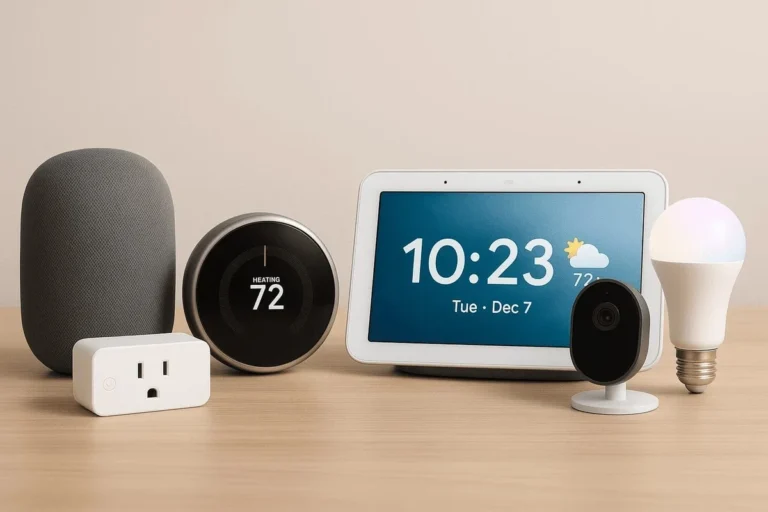
Meross Smart Plug Setup Guide
Source: wallpaperaccess.com

The fastest path to success is to confirm the exact model, make sure your phone is on the same 2.4 GHz Wi-Fi network you plan to use, and keep the Meross app open during pairing. If the plug supports your preferred ecosystem, you can usually finish setup in a few minutes, but compatibility details and platform features can vary by model and firmware.

Before You Buy or Use It

  • Check the exact Meross model number and supported platforms.
  • Confirm 2.4 GHz Wi-Fi support and router stability.
  • Measure outlet space so the plug will not block adjacent sockets.
  • Verify the rated load for the device you want to control.
  • Review the app, firmware, warranty, and safety guidance in the manual.

For readers comparing smart-home accessories, it helps to think of a smart plug as a bridge between a normal outlet and your automation app. If you are also planning a broader lighting setup, our guide to smart lights and this roundup of smart light switches can help you decide whether a plug is the right fit or whether a different device makes more sense.

How the Meross Smart Plug Works in a Smart Home

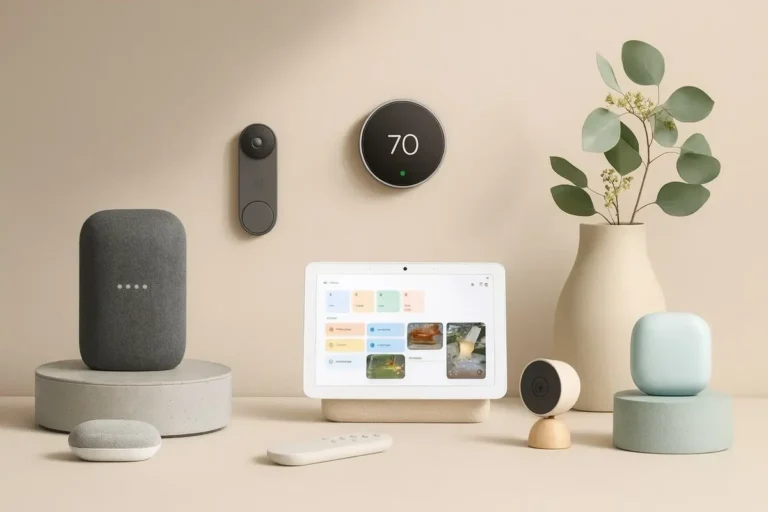
Meross Smart Plug Setup Guide
Source: alumni.uga.edu

A smart plug adds remote on/off control to a device that would otherwise be “dumb.” Once paired, the plug can usually be controlled from the Meross app and, depending on the model, from a voice assistant or home platform.

App Control, Voice Assistants, and Scheduling Basics

In practical use, the app is where most setup and day-to-day control happens. You can typically turn the outlet on or off, rename it for easier identification, group it with other devices, and create schedules or timers for routines such as morning lamps, aquarium lights, or a coffee station.

Practical TipName the plug after the device and room, such as “Desk Lamp” or “Bedroom Fan,” instead of using the default model name. That makes voice control and automation rules much easier to manage later.

Voice assistant integration can be useful for hands-free control, but the exact steps differ by platform and by plug version. Some setups rely on linking the Meross account to Alexa, Google Home, or Apple HomeKit, while others may require an app update or a platform-specific pairing flow.

Wi-Fi Requirements, Outlet Fit, and Compatibility Checks

Most smart plugs in this category rely on 2.4 GHz Wi-Fi rather than 5 GHz. That matters because many routers broadcast both bands, and some phones automatically prefer the faster band even when the plug needs the slower one for initial setup.

i
Did You Know?Many smart-home pairing issues come from network setup, not the plug itself. A strong 2.4 GHz signal near the outlet often matters more than raw internet speed.

Physical fit is another common compatibility issue. Some smart plugs are compact enough to leave the second outlet usable, while others are wider and can crowd power strips or duplex wall outlets. If your home has tight outlets, shallow wall boxes, or crowded surge protectors, check the dimensions before buying.

Step-by-Step Meross Smart Plug Setup Guide

The setup process is generally simple, but it goes more smoothly when you prepare the location first and avoid common Wi-Fi mistakes. The steps below reflect a typical smart plug pairing flow; your exact screens may differ slightly by app version or model.

Unboxing, Placement, and Safety Checks Before Powering On

Start by checking the package contents against the manual and confirming that the plug looks undamaged. If you notice cracks, bent prongs, loose housings, scorch marks, or other signs of shipping damage, do not power it on until you have contacted the seller or manufacturer.

What to Check in the Box

  • Meross smart plug unit
  • Quick-start or safety documentation
  • Any model-specific instructions for app pairing or platform linking
Safety NoteUse only devices within the plug’s rated load and follow the manufacturer’s instructions for indoor use, ventilation, and placement. Avoid controlling high-heat appliances, damaged cords, or equipment that the manual says must stay directly connected to the wall.

Connecting the Plug in the Meross App

Once the plug is plugged into the wall, open the Meross app and follow the device-add flow. In many cases, you will need to sign in or create an account, confirm your Wi-Fi credentials, and allow the app to discover the plug in pairing mode.

2
Connect to 2.4 GHz Wi-FiMake sure your phone is on the same 2.4 GHz network you want the plug to use. If setup fails, temporarily move closer to the router and try again.

3
Add the device and follow promptsUse the app’s add-device flow, then wait for confirmation before renaming the plug and assigning it to a room.

4
Test on/off controlPlug in a simple device such as a lamp or charger-approved accessory, then verify that app control works before creating automations.

Practical TipIf pairing fails, restart the router, reset the plug according to the manual, and try again near the router. Many connection issues are caused by weak signal, incorrect band selection, or a temporarily busy network.

Pairing with Alexa, Google Home, or Apple HomeKit

After the plug works in the Meross app, you can link it to a voice assistant or smart-home platform if your model supports that ecosystem. The linking process usually involves signing in to the same vendor account, granting permissions, and discovering the new device inside the platform app.

If you are building a broader voice-controlled setup, it can help to compare the plug with other ecosystem-friendly devices. For example, readers who want lighting-first automation may also want to review our guides to smart lights for Google Home or smart lights for Alexa to see whether a plug or bulb is the better control point.

NoteHomeKit support, Matter support, and advanced scheduling features can vary by exact Meross model and firmware version. Always confirm the current compatibility list before assuming a feature is included.

Key Specifications and Setup Criteria to Verify Before Buying

Because smart plugs look similar on the shelf, the most important buying decision is not the color or brand name but whether the plug physically fits your outlet and safely handles the device you want to automate. A quick spec check can prevent most setup regrets.

Dimensions, Outlet Clearance, and Space-Saving Design

Measure the wall outlet or power strip where the plug will live. A compact design is helpful in bedrooms, kitchens, dorm rooms, and home offices, especially when you need to keep the second socket free for another device.

Key Specs to Verify

Outlet clearanceCheck whether the body blocks adjacent sockets or power-strip spacing
Wi-Fi bandConfirm 2.4 GHz support and router compatibility
Platform supportVerify Alexa, Google Home, or HomeKit support for the exact model
Load ratingMatch the plug rating to the appliance or lamp you plan to control

Power Rating, Load Limits, and Device Compatibility

Smart plugs are not universal power adapters. They are designed for devices within a specific electrical rating, and the right choice depends on the appliance type, not just the plug’s appearance. Lamps, fans, humidifiers, and small electronics are common use cases, while heavy-duty heaters, cooking appliances, and other high-draw equipment may be inappropriate.

!
Inspection CheckStop using any plug, outlet, or connected device that shows heat damage, loose fit, crackling, discoloration, or a burning smell. If the manual excludes a device type, do not override that guidance.

App Requirements, Firmware Updates, and Network Stability

Before buying, confirm whether the Meross app is available for your phone and whether your smart-home platform still supports the model. Some features depend on app permissions, cloud services, or firmware updates, so a plug that looks simple on paper may still need regular software maintenance.

Network stability matters over the long term, too. A smart plug that drops off Wi-Fi frequently can become more frustrating than useful, especially in rooms with thick walls, crowded networks, or routers placed far from the outlet.

Best Uses: Who the Meross Smart Plug Fits Best

Meross smart plugs are best for people who want low-friction automation without replacing an entire light fixture or appliance. They are especially useful when you need a quick upgrade for a single device rather than a whole-room smart-home overhaul.

Ideal Rooms and Everyday Automation Scenarios

Common use cases include bedside lamps, desk lamps, holiday decor, fans, coffee stations with simple on/off behavior, and other devices that benefit from scheduled power control. They are also handy for routines such as turning on a lamp before you get home or shutting off a device automatically at bedtime.

For home lighting planning, a plug can be a lower-cost entry point than a full lighting system. If you later decide you want more room-wide control, you can compare that approach against our broader guide to smart lighting systems for home.

Good Matches for Renters, Beginners, and Budget Smart Home Users

Renters often like smart plugs because they do not require rewiring, wall modification, or permanent installation. Beginners also benefit from the simple setup, while budget-conscious users can add a little automation to one room at a time instead of buying multiple smart bulbs or switches.

Real-World Benefits and Practical Trade-Offs

The strongest reason to use a smart plug is convenience: it turns ordinary devices into app-controlled devices with very little setup effort. The trade-off is that the plug only works well when the network is stable, the outlet layout is roomy enough, and the connected device is a good electrical match.

Convenience, Energy Control, and Remote Access

Remote access is useful when you want to check whether a lamp is on, turn off a forgotten fan, or control a device while away from home. Scheduling can also support energy awareness by reducing accidental overnight use, although actual energy savings depend on the device, schedule, and household habits.

Practical Tips

  • Use the plug for simple on/off devices first, not critical appliances.
  • Create one schedule at a time so troubleshooting stays easy.
  • Keep the router and app updated to reduce connection dropouts.
  • Rename every plug clearly before adding more devices.

Limitations, Common Mistakes, and Setup Problems to Avoid

One common mistake is assuming every plug works with every platform feature. Another is placing the plug behind furniture or in a crowded strip where signal quality and heat management may suffer.

Setup issues often come from using the wrong Wi-Fi band, entering the wrong password, or trying to pair too far from the router. If the plug repeatedly disconnects, check the router settings, app version, and firmware notes before assuming the hardware is defective.

Safe Use, Maintenance, and Long-Term Care

Smart plugs are low-maintenance, but they still deserve occasional inspection. Good care helps reduce heat buildup, connection problems, and premature replacement.

Heat, Inspection, Cleaning, and Replacement Guidance

Periodically unplug the device and inspect the housing, prongs, and outlet for dust, discoloration, or looseness. Clean only with a dry cloth and never use water or liquid cleaners near the electrical contacts.

Safety NoteDo not use a smart plug that runs unusually hot, smells burnt, or feels loose in the outlet. If the connected device or wall outlet shows signs of damage, stop using it and follow the manufacturer’s safety guidance.

Storage Tips, Firmware Maintenance, and Warranty Details to Check

If you store the plug seasonally, keep it in a dry place with the manual and any original packaging. Before reinstalling it later, check for dust, bent prongs, or firmware updates that may improve reliability or compatibility.

Warranty terms can vary by region and retailer, so confirm the coverage period, return window, and support process before you need them. It is also worth checking the current manual and official support pages for firmware notes, since app behavior and platform support may change over time.

Final Recommendation: Is the Meross Smart Plug Worth It in 2026?

For most people who want simple smart-home control without a complicated install, a Meross smart plug is a practical buy if the exact model fits the outlet, supports the platform you use, and matches the device you want to automate. It is especially appealing for renters, beginners, and anyone who wants quick control over lamps or other small appliances.

Best Value Case, Alternatives to Consider, and Transparent Verdict

The best value case is straightforward: you need one compact plug, dependable app control, and a clean path to voice-assistant integration. If you need room-wide lighting control, a smarter switch may be a better fit, while users already deep in a lighting ecosystem may prefer dedicated bulbs or switch-based automation instead.

My transparent verdict is that the Meross smart plug setup is usually easy enough for first-time smart-home users, but the real success factor is compatibility, not complexity. Confirm the outlet fit, Wi-Fi band, load rating, and platform support first, and the plug is likely to be a useful low-cost addition to a smart home.

Frequently Asked Questions

What do I need before setting up a Meross smart plug?

You usually need the official app, a compatible phone, and a stable 2.4 GHz Wi-Fi network. It also helps to confirm the exact model, outlet clearance, and load rating before you start.

Why won’t my Meross smart plug connect to Wi-Fi?

The most common causes are the wrong Wi-Fi band, a weak signal, or an incorrect password. Try pairing near the router and follow the reset steps in the manual if needed.

Does a Meross smart plug work with Alexa, Google Home, or HomeKit?

Many models support one or more of those platforms, but compatibility depends on the exact version and firmware. Check the product listing and official support pages before buying.

What devices are safe to use with a smart plug?

Smart plugs are best for simple on/off devices like lamps, fans, and some small electronics. Always stay within the rated load and avoid appliances the manual says not to control.

How do I keep a smart plug working reliably long term?

Keep the app and firmware updated, inspect the plug for heat or damage, and place it where Wi-Fi is stable. Clear outlet space and good ventilation also help.

Is a Meross smart plug worth it for beginners?

Yes, if you want an easy way to add app and voice control without rewiring. It is a good fit when the plug matches your outlet, network, and device requirements.

Author

  • ethan_walker_profile

    Hi, I’m Ethan Walker, a tech enthusiast and gadget reviewer behind Gadget Makers Blog. I share honest reviews, buying guides, comparisons, and helpful tech tips focused on smartphones, charging accessories, smart home devices, gaming gear, and everyday gadgets to help readers make smarter buying decisions.

Similar Posts

Leave a Reply

Your email address will not be published. Required fields are marked *