Best Camp Ellis Cameras for Live Beach Views Today
Camp Ellis cameras are best chosen for stable live viewing, outdoor durability, and easy remote access. The smartest buy is usually a weather-resistant camera with a wide view, reliable app support, and a connection method that fits your site.
Camp Ellis cameras are best understood as live beach-view cameras: a practical way to check surf, weather, visibility, and shoreline conditions from a phone or computer. The right setup depends less on “camera hype” and more on image quality, weather resistance, mounting flexibility, app reliability, and how consistently the stream stays online.
- Reliability first: A steady stream is more useful than a flashy camera that drops offline.
- Match the view: Choose a field of view that covers the shoreline, sky, and access area you.
- Check coastal durability: Salt spray, humidity, and wind make weather resistance and cable management essential.
- Verify the app: Confirm remote access, sharing controls, and any subscription or account requirements before buying.
- Inspect and maintain: Regular cleaning and corrosion checks help a beach camera last longer.
Best Camp Ellis Cameras for Live Beach Views Today: Quick Answer and Buyer Focus
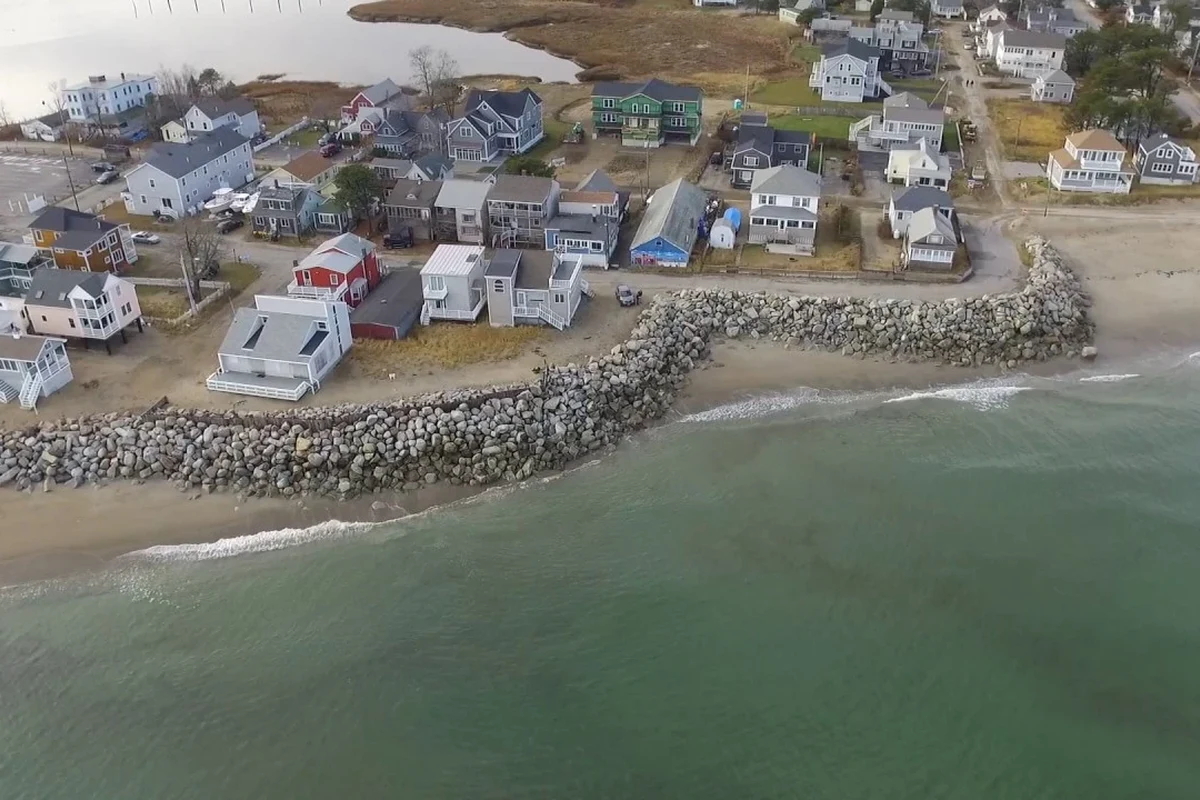
If your goal is a dependable live beach view, prioritize a camera built for outdoor exposure, with a wide enough field of view to cover the shoreline and a connection method that fits your property or business network. For most buyers, the smartest choice is usually a weather-resistant IP camera or a purpose-built live-stream camera with stable remote access, clear daytime detail, and enough low-light performance to remain useful at dawn, dusk, and overcast conditions.
The best option also depends on who will view it. A homeowner may want a private, app-based feed, while a local business or beach watcher may care more about public sharing, uptime, and how easily the stream can be embedded or monitored from multiple devices.
How Camp Ellis Cameras Work for Real-Time Beach Viewing
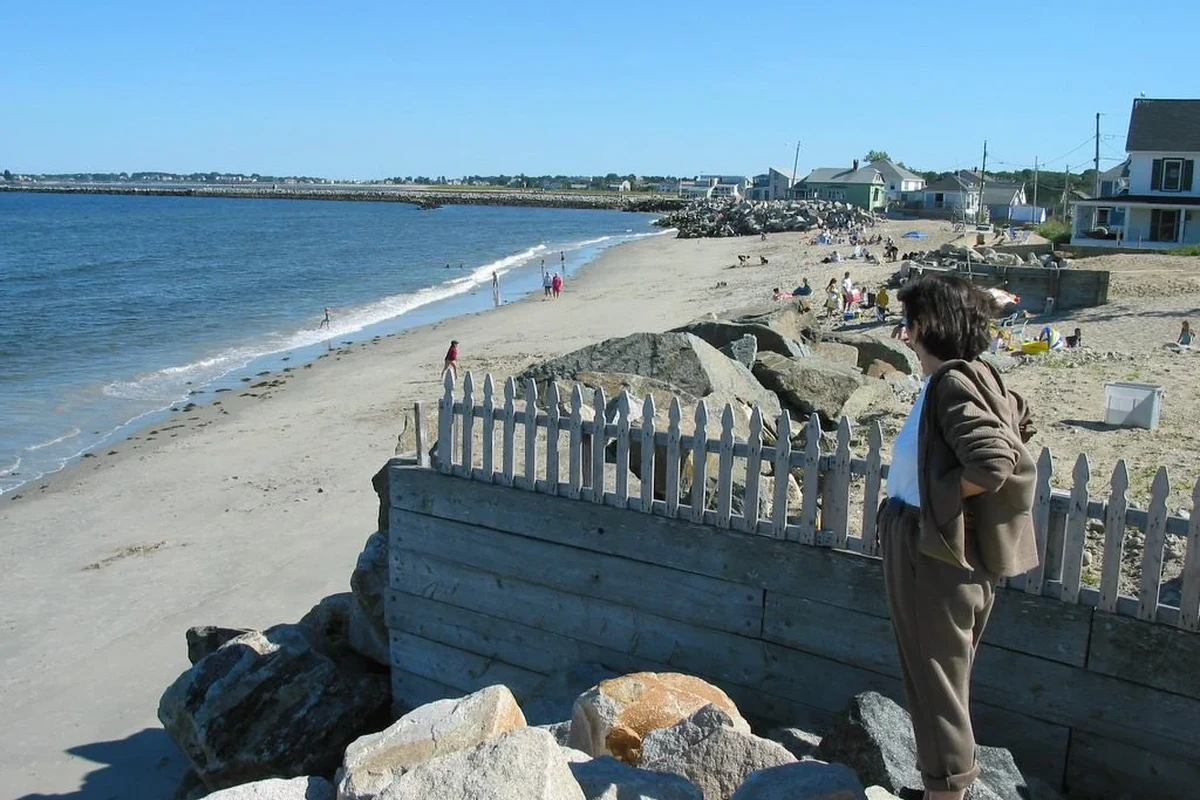
These cameras capture live video and send it over a network so viewers can check conditions in near real time. In practice, that means the camera, router, app, and internet connection all matter; a strong camera alone cannot fix a weak upload connection or poor mounting location.
Live-stream basics, weather exposure, and remote access
Most beach-view cameras work by recording video locally, then transmitting a stream to an app, browser dashboard, or hosting platform. Because Camp Ellis is a coastal environment, the camera housing, seals, and mounting hardware must cope with wind, salt spray, humidity, and temperature swings better than an indoor camera ever could.
Remote access is another major factor. Some cameras rely on a vendor app, others support web viewing, and some can integrate with broader smart-home systems. Before buying, confirm whether the camera needs a subscription, a specific app, or a cloud account to view live footage outside the home network.
What to verify: image quality, uptime, and viewing angle
For beach viewing, resolution matters, but only up to the point where the stream remains stable. A camera with a broad, well-framed view and consistent uptime can be more useful than a higher-resolution model that is difficult to mount or frequently buffers.
Also verify the angle of view. A narrow lens may capture surf detail well but miss the shoreline, while an ultra-wide lens can show more scenery but may distort distance. For most users, the right balance is a camera that clearly shows the waterline, sky conditions, and any nearby access points without excessive fisheye distortion.
Coastal cameras often fail for reasons unrelated to video quality, such as corrosion, weak mounting, or unstable internet service.
Who Camp Ellis Cameras Fit Best in 2026
These cameras are useful for people who need a quick, visual read on beach conditions without making a trip first. They are especially helpful when the feed is visible to multiple users and when the camera location has a clear line of sight to the shoreline.
Homeowners, renters, local businesses, and beach watchers
Homeowners may use a camera to monitor a waterfront property, check weather changes, or simply enjoy a live view. Renters need to be more careful because mounting options, landlord rules, and network access may limit what is practical.
Local businesses, such as inns, cafes, surf-related shops, and rental offices, may benefit from a camera that can double as a visual planning tool for staff and guests. Casual beach watchers usually want the simplest possible setup: quick access, minimal maintenance, and a dependable view that loads fast on mobile devices.
When a live camera is better than a static webcam or phone feed
A live camera is more useful than a static image when conditions change quickly, such as with fog, tide shifts, wind, or crowd movement. It is also better than a phone feed when you want the camera to stay in place all day and keep broadcasting without someone manually holding or refreshing a device.
Static webcams can still be fine for a quick snapshot, but they are less helpful for tracking changing surf or weather. A live camera becomes the better choice when consistency, remote access, and repeated viewing matter more than occasional one-off checks.
Key Specs That Matter Before You Buy
Spec sheets can look crowded, but a few details matter most for a beach-facing camera. Focus on the combination of image quality, connection method, weather protection, and installation fit rather than chasing the longest feature list.
Resolution, low-light performance, and field of view
Resolution helps you see detail, but it does not guarantee a better live view if the lens or sensor struggles in changing light. Low-light performance matters because beach scenes often move from bright glare to dim evening conditions quickly.
Field of view should match the scene you want to cover. If you care about the shoreline, access path, and surf line, you need a wider view than someone who only wants a tight look at the water. Check whether the manufacturer lists the viewing angle and whether any digital zoom reduces stream clarity.
Connectivity: Wi-Fi, Ethernet, and app requirements
Wi-Fi is convenient, but Ethernet is usually more stable if the camera location allows a cable run. In a coastal setup, a wired connection can reduce dropouts and make the stream less dependent on signal strength through walls or across outdoor distance.
Also verify app requirements before buying. Some cameras work best only with a specific mobile app, account login, or browser feature set. If you want multiple viewers, make sure the sharing options fit your needs and that the platform supports the devices your household or business already uses.
Weather resistance, mounting height, and power options
Outdoor cameras should be rated for the environment where they will be installed, but the exact rating and meaning can vary by model. Confirm the manufacturer’s stated weather resistance, then place the camera where it is sheltered enough to reduce direct salt spray while still keeping the desired view.
Mounting height also affects usefulness. Too low and the camera may be exposed to splash, tampering, or blocked sightlines; too high and you may lose useful detail. Power options matter as well: some cameras need a nearby outlet, some support PoE or Ethernet power, and others may use battery or solar accessories depending on the model.
Dimensions, cable length, and installation clearance
Before purchase, check the camera’s physical size and the space needed for brackets, connectors, and cable bends. A compact camera can still be difficult to install if the mounting area is tight or the cable exits in an awkward direction.
Cable length is easy to overlook. If the included cable is too short, you may need a safe extension or a different placement. Verify clearance for doors, eaves, railings, and any moving parts nearby so the camera does not get bumped or pinched during installation.
Top Evaluation Criteria for Comparing Camp Ellis Cameras
When comparing models, think like an operator, not just a shopper. The best camera for a beach view is the one that stays available, looks clear enough for your purpose, and is easy to manage over time.
Video stability, motion handling, and stream latency
Video stability is often more important than peak resolution. A feed that pauses, stutters, or falls behind the scene is less useful for checking surf or weather in real time.
Motion handling matters too. Waves, people, birds, and moving clouds can create frequent changes in the frame, so the camera should handle motion without turning every ripple into a blur. Latency is the delay between the live scene and what viewers see; lower latency is better for real-time checking, but actual performance depends on the camera, app, and network path.
App usability, alert controls, and sharing features
A camera with a confusing app can be frustrating even if the video quality is good. Look for an interface that makes it easy to switch views, adjust quality, manage users, and check stream status without digging through menus.
Alert controls are helpful if the camera is also used for property monitoring. Sharing features matter for beach-view use because family members, staff, or guests may need access without sharing your main account details. If the camera supports guest viewing or controlled permissions, verify how those features work before you rely on them.
Durability, maintenance needs, and warranty details to confirm
Durability is a long-term cost issue, not just a hardware issue. Salt air can wear down finishes, seals, and connectors faster than inland environments, so maintenance-friendly design is valuable.
Before buying, confirm warranty length, what is covered, and whether outdoor exposure affects coverage. Also check whether the manufacturer offers replacement mounts, seals, or power accessories, since those parts can matter more in a beach setting than in a typical indoor smart-home setup.
- Lets you check beach conditions remotely
- Can support planning, monitoring, and sharing
- Useful for properties, businesses, and casual viewing
- Coastal weather can shorten hardware life
- Streaming quality depends on network stability
- App and subscription requirements vary by model
Real-Use Benefits and Practical Trade-Offs
Camp Ellis cameras are most valuable when they solve a real decision: whether conditions are worth a trip, whether a property looks secure, or whether a business wants to show a live coastal view. They are less helpful when buyers expect them to replace every other source of weather or safety information.
Why live beach views are useful for planning, safety, and monitoring
A live beach view can help with simple planning decisions, such as whether the surf looks calm, the sky is clearing, or visibility is improving. For property owners, the same feed can provide a quick visual check without needing to go outside during poor weather.
Businesses may use live views to help guests or customers gauge conditions before arriving. In all cases, the camera is most useful as a visual supplement to forecasts, tide information, and local advisories rather than a replacement for them.
Common limitations: glare, fog, salt spray, bandwidth, and downtime
Beach cameras face strong glare, changing light, fog, and salt spray that can obscure the image or make the lens harder to keep clean. Bandwidth limits can also affect stream quality, especially if multiple devices are sharing the same connection.
Downtime happens for many reasons: power interruptions, app outages, router issues, firmware problems, or weather-related damage. Because of that, buyers should expect occasional maintenance and should not assume any live feed will remain perfect all the time.
Evidence limits when comparing public feeds versus private setups
Public beach feeds can be useful for general viewing, but their quality, uptime, and ownership can change without notice. Private setups are more controllable, yet their performance depends on the owner’s network, hardware, and maintenance habits.
That means comparisons should be treated carefully. If you are evaluating a public Camp Ellis camera feed, confirm whether the stream is current, whether the camera location is truly fixed, and whether the feed quality reflects the actual hardware or just a temporary network condition.
Setup, Safety, and Ongoing Care for Beachside Cameras
Installation is usually straightforward, but coastal placement adds extra care requirements. The camera should be mounted securely, connected cleanly, and inspected regularly so small issues do not become expensive failures.
Use manufacturer-approved power accessories, keep cables away from standing water, and stop using any camera or adapter that shows corrosion, frayed insulation, overheating, or physical damage.
Mounting, app setup, and network setup steps to expect
Most setups follow the same general pattern: mount the camera, connect power or Ethernet, pair it with the app, and verify the live feed from both local and remote devices. Exact steps vary by model, so the official manual is the best source for bracket orientation, pairing mode, and account setup.
Pick a location with a clear view, stable support, and enough protection from direct spray and accidental bumps.
Verify outlet access, cable routing, Wi-Fi strength, or Ethernet availability before drilling or fastening anything permanently.
Check live video on the app, then confirm remote viewing, permissions, and alert settings if the camera supports them.
Safe use near water: corrosion protection, cable management, and inspection
Coastal air can accelerate corrosion, so keep connectors protected and inspect them regularly. Cable management matters because loose wiring can collect moisture, snag, or pull on the mount during wind.
If the camera is near a railing, dock, or exterior wall, make sure the installation remains secure after storms. Periodic checks should include the mount, cable jacket, lens cover, and any exposed fasteners.
Cleaning, storage, replacement parts, and seasonal maintenance
Cleaning should be gentle and consistent. Use the manufacturer’s guidance for lens care and avoid harsh chemicals that could damage coatings or seals. If the camera is seasonal or used only part of the year, store it in a dry place with any caps, covers, or accessories that came with it.
It is also worth checking whether replacement mounts, power adapters, or weather seals are available. For beachside cameras, small replacement parts can extend the life of the setup more effectively than replacing the whole unit after a minor wear issue.
- Check model number, app requirements, mounting clearance, and power or Ethernet needs
- Confirm weather resistance, warranty terms, sharing options, and update support
- Review coastal maintenance needs, cable routing, and safe cleaning guidance
Final Recommendation: Which Camp Ellis Camera Type Makes the Most Sense
The best Camp Ellis camera type depends on your goal. For most homeowners and beach watchers, a weather-resistant live IP camera with a wide view, stable remote access, and simple app controls is the most practical choice. For businesses or properties that need broader coverage and more consistent uptime, a wired or PoE-capable model is often the smarter long-term option.
Best pick by user type, budget, and viewing goal
If you want the easiest setup, choose a model with strong app support and clear outdoor mounting instructions. If your priority is reliability, favor Ethernet or PoE where possible. If your main goal is a public-facing beach view, make sure the camera and hosting method support sharing without making maintenance overly complicated.
Buyers who want a dependable live beach view with minimal fuss should start with a weather-resistant camera that supports stable remote viewing, clear mounting guidance, and a wired connection if the site allows it. The main limitation is that the best setup depends heavily on your exact location, network quality, and coastal exposure.
Value verdict and the smartest next step before purchase
The smartest next step is to compare the official spec sheet, app requirements, and warranty terms before you buy. If those three items match your space and viewing goal, the camera is far more likely to be a good fit than a model chosen only for resolution or marketing claims.
For Camp Ellis cameras, value comes from dependable viewing, not just sharp video. A well-placed, weather-aware setup that stays online and is easy to maintain will usually deliver better everyday usefulness than a more complex camera with features you may never need.
Frequently Asked Questions
A weather-resistant outdoor IP camera or live-stream camera is usually the best fit. Look for stable remote access, a wide field of view, and outdoor-rated mounting hardware.
Wi-Fi can work well if the signal is strong, but Ethernet or PoE is often more stable. The best choice depends on your mounting location and network layout.
Resolution, low-light performance, field of view, and stream stability matter most. Weather resistance and app reliability are also important for coastal use.
Use manufacturer-approved mounts and power accessories, manage cables carefully, and inspect the unit regularly for corrosion or wear. Keep it out of direct splash when possible.
Yes, many outdoor cameras can serve both purposes if the app supports alerts and remote viewing. Just confirm the privacy settings, sharing controls, and warranty terms first.
Check the official specs, app requirements, mounting clearance, weather resistance, and power or network needs. Also review warranty coverage and any current software or support notes.