Redfish Lake Camera Guide for Stunning Live Views
The Redfish Lake camera is a useful live-view tool for checking current weather, scenery, and lake conditions before you go. It works best when paired with forecasts, trail updates, and official park guidance.
The Redfish Lake camera is a live-view tool that helps you check current lake conditions, weather, visibility, and general scenery before you travel. For visitors, hikers, photographers, and weather watchers, it can be a simple way to reduce guesswork and make better timing decisions.
- Best use: Quick visual check of current lake conditions, weather, and scenery.
- Main limit: A camera feed cannot replace forecasts, alerts, or ranger guidance.
- What to verify: Image quality, access method, mobile compatibility, and update reliability.
- Who benefits most: Travelers, hikers, photographers, and local weather watchers.
Redfish Lake Camera: What It Is and Why It Matters for Live Views
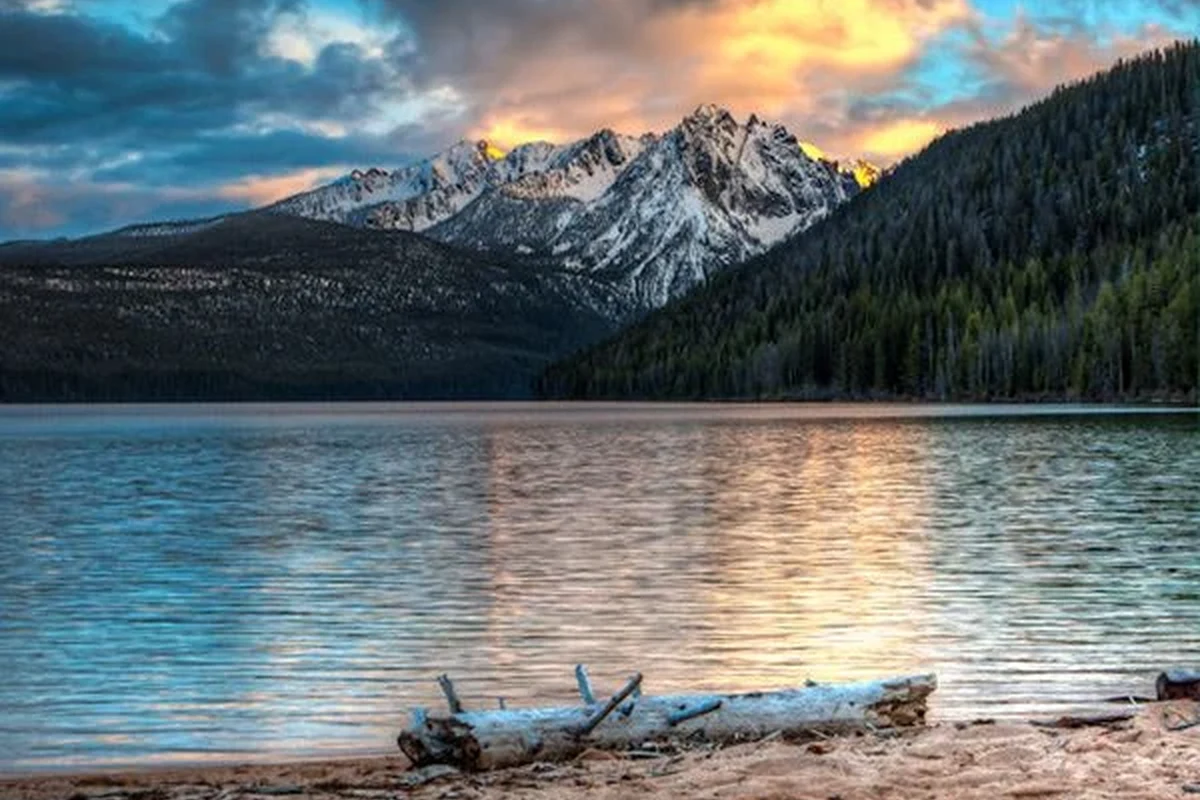
A Redfish Lake camera is usually a publicly accessible webcam or live stream positioned to show the lake, surrounding mountains, shoreline, or nearby weather conditions. In practical terms, it gives you a real-time look at what the area appears like right now, which is especially useful when forecasts and trail reports do not tell the full story.
Quick answer: how the Redfish Lake camera helps you check weather, scenery, and conditions in real time
The main value is quick situational awareness. If you want to know whether the lake looks calm, whether visibility is clear, or whether clouds, snow, smoke, or crowds may affect your plans, a live camera can provide a fast visual check.
It is most helpful as a snapshot of current conditions, not as a replacement for official weather alerts or local guidance. Think of it as a visual confirmation tool that complements other travel and safety information.
What kind of live camera feed to expect in 2026
In 2026, most live outdoor feeds like this are still browser-based webcam streams or embedded video windows rather than full-featured smart-home camera apps. Image quality, update frequency, and playback smoothness can vary widely depending on the camera hardware, hosting platform, and network conditions.
Some feeds are continuous video, while others refresh at intervals or compress the image heavily to save bandwidth. That means the stream may look excellent on one day and less detailed on another, especially during low light, weather changes, or peak traffic times.
How the Redfish Lake Camera Works
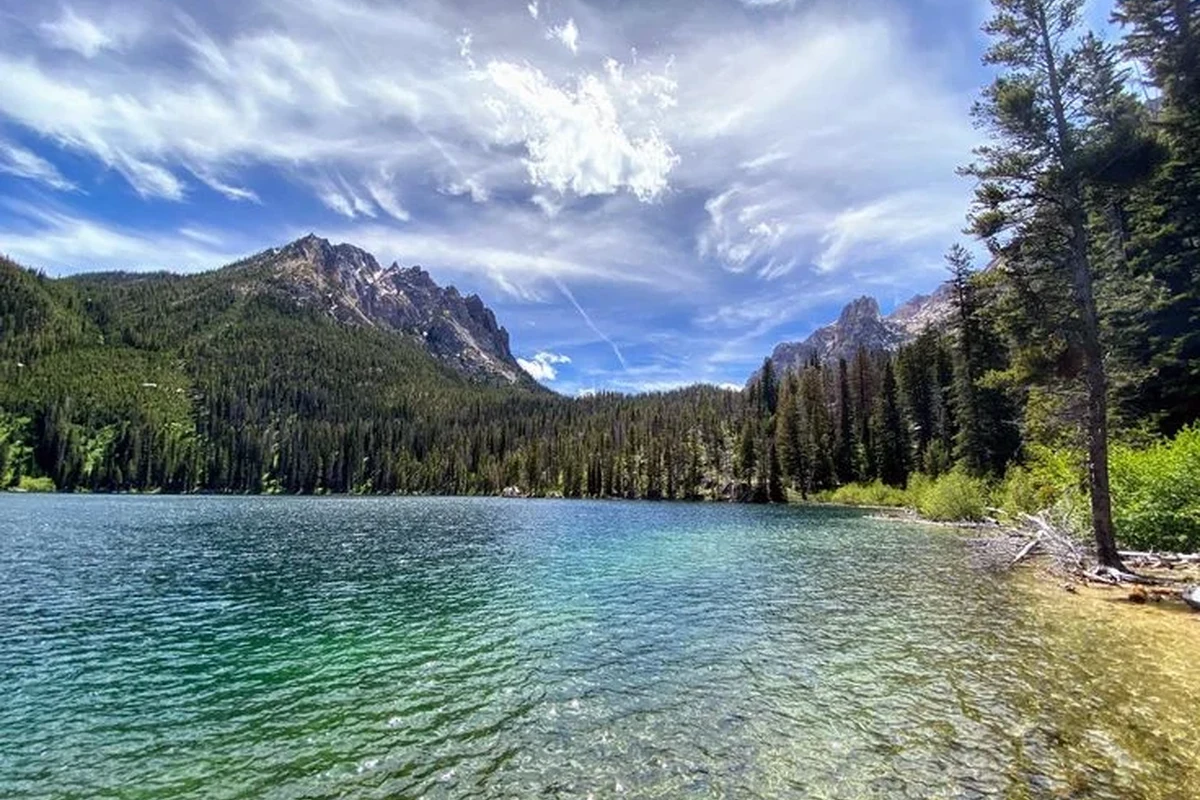
Most public lake cameras work by capturing images or video from a fixed outdoor mount and sending that feed over the internet to a website or app. The exact setup is usually controlled by the organization hosting the camera, so the user experience depends on the platform rather than the lake itself.
Live-stream setup, webcam placement, and typical image updates
Placement matters a lot. A camera pointed toward open water may show weather and surface conditions well, while a camera aimed at the shoreline may be better for checking crowd levels, dock activity, or snow coverage.
Typical image updates can range from near-real-time video to periodic refreshes. If the feed appears choppy, delayed, or frozen, that does not always mean the camera is offline; it may simply be experiencing bandwidth limits or temporary hosting issues.
If the feed looks unclear, reload the page and compare it with a weather report or local advisory. A single refresh can make a big difference when the host is using intermittent image updates.
Connectivity, power source, and what affects stream quality
Stream quality is often affected by the camera’s internet connection, power stability, weather exposure, and how much the host compresses the image. Outdoor cameras can also be impacted by fog, snow, glare, rain, insects, lens dirt, or condensation.
If the hosting site is busy, the stream may load slowly on mobile networks or older devices. In other words, the camera may be working fine while the viewer’s connection is the bottleneck.
App or browser access: what users usually need to verify
Before relying on the feed, check whether it works best in a browser, a mobile app, or both. Some public cameras are simple web pages, while others may depend on a specific player format, permissions, or updated browser support.
Also verify whether the stream is free to view, whether it requires location permissions, and whether it works on your phone, tablet, or desktop browser. Compatibility can change with app updates, browser policies, or platform changes.
Who the Redfish Lake Camera Is Best For
This kind of live view is most useful for people who want a quick, visual read on current conditions without driving there first. It is less useful for anyone who needs detailed navigation, precise weather data, or offline access.
Travel planners, hikers, photographers, and local weather watchers
Travel planners can use the camera to judge whether the area looks clear enough for a day trip. Hikers and photographers may use it to estimate light, cloud cover, snow presence, or seasonal scenery before leaving home.
Local weather watchers can also use it as a visual reference when comparing forecasts to actual conditions. That is especially helpful when a forecast sounds broad but the lake view shows something more specific, like haze, fresh snow, or heavy cloud cover.
Remote visitors comparing current lake conditions before a trip
If you are visiting from out of town, the camera can help you decide whether to leave early, bring extra layers, or adjust your itinerary. It is a low-effort way to see whether the lake area looks active, quiet, sunny, windy, or overcast.
For families and casual visitors, that can be enough to improve trip timing. For example, a camera view may help you decide whether a scenic stop is worth it before committing to a long drive.
Who may need a different solution, such as offline maps or weather apps
If you need trail navigation, emergency planning, or precise weather alerts, a live camera is not enough on its own. Offline maps, ranger updates, weather apps, and park advisories are better tools for those jobs.
People heading into remote areas should not depend on a webcam for safety decisions. A camera shows what is visible, not what is happening behind the scenes with road closures, wind gusts, or changing trail conditions.
Casual viewers and trip planners who want a fast visual check of lake conditions, weather, and scenery before visiting.
Key Specs and Decision Criteria to Check Before Relying on the Feed
Because public live feeds vary so much, the most important question is not just whether the camera exists, but whether it is useful for your specific purpose. A feed that looks great for scenery may still be poor for checking ice, waves, or road conditions.
Resolution, field of view, frame rate, and low-light performance
Higher resolution can make it easier to identify cloud layers, snow patches, or shoreline activity, but only if the lens and compression are decent. A wide field of view is helpful for seeing more of the lake, while a tighter view may be better for specific landmarks.
Frame rate matters if you want to judge motion, wind, or crowd flow. Low-light performance is also important if you plan to check sunrise, dusk, or winter conditions when daylight is limited.
Uptime, refresh reliability, and seasonal visibility limits
Even a good camera is only useful when it is online and refreshed regularly. Seasonal weather can reduce visibility through fog, snow, glare, smoke, or storm conditions, and those same conditions can also affect the camera itself.
Do not assume a blank or blurry image means the lake is empty or dangerous. It may simply reflect poor lighting, a dirty lens, or a temporary outage.
Mobile compatibility, bandwidth needs, and data usage considerations
If you plan to use the feed on a phone, check whether it loads smoothly on cellular data and whether it drains bandwidth quickly. Some live streams are fine on Wi-Fi but frustrating on slower mobile connections.
Mobile compatibility also includes browser support, video player behavior, and whether the site scales well on smaller screens. If the feed is hard to view on your phone, it may be less useful during travel than on a desktop.
- Check the camera’s viewing angle, update style, and image clarity for your purpose
- Confirm browser, app, and mobile compatibility before relying on it in the field
- Verify whether local weather, trail, or road information is also needed
- Review privacy, access, and usage notes from the official host or park source
Real-World Benefits and Practical Uses
The real value of a Redfish Lake camera is convenience. It gives you a visual shortcut that can save time, help you pack smarter, and make trip decisions feel less speculative.
Checking lake conditions, crowd levels, weather, and seasonal scenery
Live views are useful for seeing whether the lake is calm or choppy, whether the shoreline looks busy, and whether the scenery matches the season you expect. That can matter for everything from family outings to landscape photography.
It can also help you understand how the area changes through the year. Snow on the mountains, leaf color, water appearance, and cloud patterns all create a more complete picture than a forecast alone.
Planning safe timing for hikes, drives, boating, and photography
If you are heading out for a hike, a scenic drive, or a photo session, the camera can help you choose the best time window. For example, you may prefer to wait for clearer skies, softer light, or lighter traffic.
For boating or waterside activities, the camera can give a rough visual sense of surface conditions. It should still be paired with weather and safety information, especially when wind or sudden changes are possible.
How live views can reduce guesswork before a visit
Many trips are delayed or overpacked because people rely on assumptions instead of current visuals. A live camera reduces that uncertainty by showing what the area actually looks like right now.
That can help you decide whether to bring rain gear, warm layers, camera equipment, or extra time for parking and walking. Even a brief check can make planning feel more grounded.
Outdoor webcam quality often depends as much on hosting bandwidth and compression as it does on the camera lens itself.
Limitations, Common Mistakes, and Evidence Gaps
As useful as live lake cameras are, they have clear limits. The biggest mistake is treating a webcam like a full conditions report when it is really just one visual data point.
Why a camera feed should not replace local forecasts or ranger guidance
A camera cannot predict changing weather, road closures, trail hazards, or emergency conditions. Official forecasts, park notices, and ranger guidance are still the better sources for planning and safety.
If you are making a decision that affects timing, access, or risk, use the camera only as supporting evidence. It should inform your choice, not make it for you.
Common user mistakes: reading too much into a single snapshot or poor lighting
One of the most common errors is overinterpreting a single frame. A cloudy image may reflect weather, but it may also reflect glare, lens dirt, or an image captured at a bad angle.
Another mistake is assuming a quiet-looking scene means the area is empty. Cameras often miss activity outside the frame, and low-light conditions can hide people, vehicles, or shoreline details.
Transparency note on review evidence, stream variability, and source limits
Because public camera feeds can change without notice, any evaluation of the Redfish Lake camera should be treated as time-sensitive. Stream quality, access method, and image clarity may vary by season, device, browser, or hosting platform.
That is why the safest approach is to verify the current feed directly and cross-check it against official sources. If a feature or playback method matters to you, confirm it before depending on it for travel planning.
If a feed is frozen, blurry, or repeatedly failing to load, treat it as unreliable until the host confirms the issue. Do not make safety or travel decisions from a camera view that may be outdated.
Safe Use, Maintenance, and Responsible Viewing
Even though viewers do not physically handle the camera, it still helps to understand how outdoor equipment is protected and maintained. Good maintenance usually means better reliability, fewer outages, and clearer images over time.
Outdoor exposure, weather protection, and what to verify about camera housing
If the camera is publicly hosted, the enclosure should be appropriate for outdoor exposure and seasonal weather. You do not need the exact housing specification to benefit from the feed, but it is worth checking whether the host mentions weather protection, cleaning schedules, or service interruptions.
For hosts and operators, regular lens cleaning and weather checks can make a noticeable difference in image quality. For viewers, the key takeaway is simple: outdoor cameras are exposed to the same elements you are trying to observe.
Care and storage guidance for users saving screenshots or reference images
If you save screenshots for trip planning or seasonal comparison, organize them with dates and context. A photo from last week may not be useful later unless you know when it was captured and what conditions were present.
Keep in mind that screenshots are reference material, not official records. Use them to support planning, not to replace current information.
Respecting park rules, privacy, and leave-no-trace travel habits
Public cameras should be viewed responsibly. Avoid sharing images in ways that could misrepresent conditions, and respect any posted guidance about what areas are monitored or how the feed may be used.
When you visit in person, follow park rules, stay on designated paths, and leave the area as you found it. A live camera is most valuable when it supports responsible, low-impact travel.
Final Verdict: Is the Redfish Lake Camera Worth Using in 2026?
Yes, for the right user. The Redfish Lake camera is worth using if you want a fast, visual check of weather, scenery, and general lake conditions before a trip or outing.
Best-value recommendation for casual viewers and trip planners
For casual viewers, it offers a low-effort way to confirm what the lake looks like right now. For trip planners, it is especially helpful when you want a quick sense of conditions without opening multiple apps or making assumptions.
When to pair it with other tools for a smarter decision
Pair the camera with weather forecasts, road updates, trail information, and ranger guidance whenever your plans involve safety, timing, or remote travel. The camera is strongest as a visual companion, not as a standalone authority.
Bottom-line takeaway from Ethan Walker for GadgetMakersBlog readers
My recommendation for GadgetMakersBlog readers is to treat the Redfish Lake camera as a convenience tool with real planning value, but also real limits. If you verify the feed quality, access method, and current local conditions, it can be a smart part of your travel toolkit.
Frequently Asked Questions
It is used to check live or near-live views of lake conditions, weather, scenery, and general activity before visiting. It works best as a quick visual reference, not a full safety or forecast tool.
No. A camera shows what the scene looks like right now, but forecasts, alerts, and ranger guidance are still better for planning and safety decisions.
Check the camera’s access method, image clarity, update style, mobile compatibility, and whether the current view actually covers the area you care about. If the feed seems delayed or blurry, confirm conditions with another source.
That can happen because of poor lighting, weather, lens dirt, bandwidth limits, hosting issues, or a temporary outage. It does not always mean the lake itself has poor conditions.
Yes, it can help hikers and photographers judge weather, visibility, cloud cover, and seasonal scenery before heading out. It is most useful when paired with trail and weather information.
Use offline maps, official park information, weather alerts, and ranger guidance. A live camera is helpful, but it should not be the only source for remote travel decisions.