Can Knock Sensor Cause Rough Idle
Yes, a knock sensor can contribute to rough idle by causing timing corrections, but it is often not the root cause. The best diagnosis is to check codes, live data, wiring, and common idle problems before replacing the sensor.
A bad knock sensor can contribute to a rough idle, but it is not the most common cause. In many vehicles, the sensor is really a clue that the engine is already running poorly because of timing changes, wiring faults, or another issue that is triggering knock control.
- Indirect effect: A knock sensor can make idle rough by triggering timing retard, not by creating.
- Look-alikes: Spark plugs, vacuum leaks, MAF issues, and fuel delivery problems are often more common.
- Best evidence: Codes, live data, and wiring inspection matter more than symptom guessing.
- Fitment matters: Use the correct sensor for the exact engine, connector, and torque spec.
Can a Knock Sensor Cause Rough Idle? The Short Answer and What It Means
Yes, a knock sensor can be part of the reason an engine idles rough, especially if the engine control unit is pulling timing to protect the engine. But a rough idle usually has multiple possible causes, so the knock sensor should be treated as one suspect, not the automatic answer.
In plain terms, the sensor listens for abnormal vibration that can indicate detonation or “engine knock.” If the ECU thinks knock is happening, it may reduce ignition timing. That protective strategy can make idle feel shaky, lazy, or uneven on some vehicles, especially if the problem is intermittent.
How a Knock Sensor Works in Modern Engines
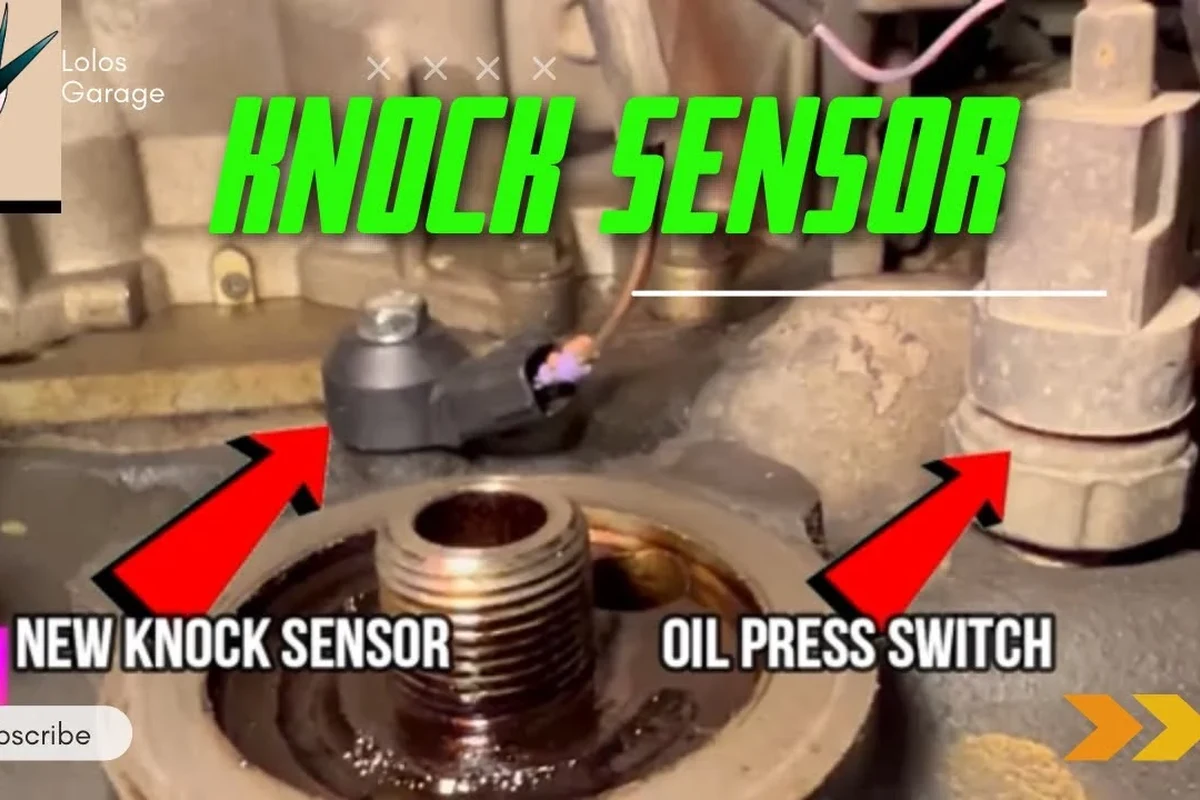
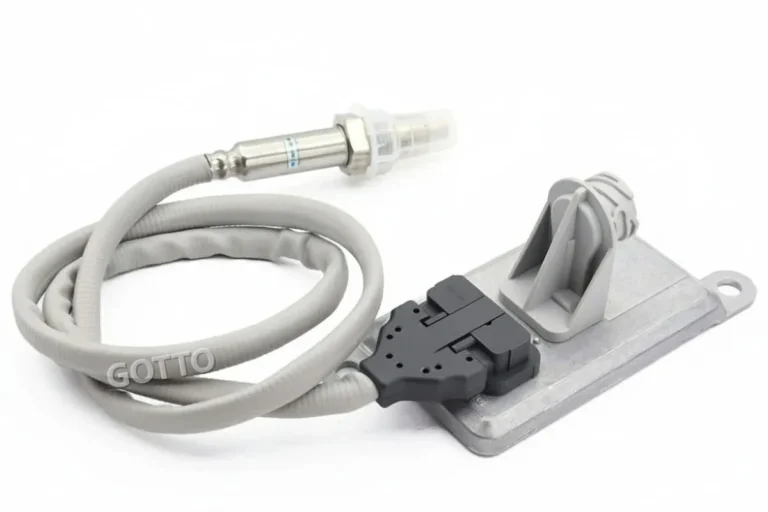
Modern knock sensors are usually piezoelectric sensors mounted on the engine block or cylinder head. They convert vibration into an electrical signal that the ECU uses to detect abnormal combustion events.
What the sensor detects and why the ECU cares
The ECU is trying to separate harmless engine noise from harmful knock. If the sensor reports a pattern that looks like detonation, the ECU may delay ignition timing to protect pistons, valves, and bearings.
That protection is useful, but it can also reduce smoothness at idle if the engine is already operating near the edge of stable combustion. A sensor that is overly sensitive, damaged, or reporting false knock can make the ECU overreact.
How timing correction can affect idle quality
Idle is the engine’s most delicate operating state because airflow, fuel delivery, and spark timing have to stay closely balanced. If timing is retarded too much, the engine may feel like it is hunting, vibrating, or stumbling at low RPM.
This is why a knock sensor issue may show up more clearly at idle than at cruising speed. At higher RPM, the engine may mask the problem better, while at idle the instability becomes obvious.
Some vehicles use adaptive knock control, so the ECU can change timing behavior based on learned engine conditions, fuel quality, and sensor input.
Signs That Point to a Knock Sensor Problem vs. Other Causes
Rough idle alone is not enough to blame the knock sensor. The strongest clue is when roughness appears together with timing-related codes, reduced power, or a pattern that changes after the ECU reacts to a perceived knock event.
Common rough-idle symptoms linked to knock sensor faults
Possible signs include intermittent hesitation, mild shaking at idle, sluggish throttle response, and a check-engine light. Some drivers also notice the engine feels better at higher RPM but less stable when stopped in gear.
In some cases, the vehicle may not set a specific knock sensor code right away. Instead, you may see broader drivability complaints caused by the ECU compensating for a bad signal.
How to tell it apart from spark plugs, vacuum leaks, MAF issues, or fuel delivery problems
Worn spark plugs and ignition coils often cause a more obvious misfire pattern, especially under load. Vacuum leaks usually create high or unstable idle speeds, lean codes, and a hiss or whistle.
A dirty or failing MAF sensor can cause poor air-fuel calculation, while fuel delivery problems often show up as hesitation, hard starting, or lean operation across a wider range. If the rough idle changes when you spray-test for vacuum leaks, inspect plugs, or compare fuel trims, those clues may be stronger than the knock sensor.
- Check whether the idle problem is only at stoplights or also under acceleration.
- Look for related codes before replacing any sensor.
- Compare symptoms with fuel trims, misfire counts, and timing advance data if your scan tool supports them.
Who This Diagnosis Fits: When to Suspect the Knock Sensor First
It makes sense to suspect the knock sensor early when the vehicle has a history of timing-related codes, poor-quality fuel sensitivity, or intermittent hesitation that does not match a simple misfire pattern. It is also worth attention if the wiring or connector sits in a hot, vibration-heavy part of the engine bay.
High-mileage vehicles, check-engine lights, and intermittent hesitation
Older vehicles and high-mileage engines are more likely to have brittle wiring, connector corrosion, or sensors affected by heat cycling. If the check-engine light appears and disappears, the fault may be intermittent rather than a fully failed sensor.
Intermittent hesitation with a rough idle can point to a sensor signal that drops out only under certain vibration or temperature conditions. That makes a careful inspection more valuable than a quick parts swap.
When rough idle is more likely caused by another component
If the idle is rough immediately after a tune-up, spark-related parts and installation issues should be checked first. If the engine idles high, surges, or changes dramatically when you add or remove load, look at vacuum leaks, idle control, or throttle body issues before the knock sensor.
If the problem is present at all speeds and you have fuel trim or misfire codes, the knock sensor may be secondary. In that situation, the sensor may be reacting to another engine problem instead of causing it.
Do not keep driving a vehicle that is knocking loudly, overheating, or flashing the check-engine light. Severe detonation and repeated misfires can damage the engine quickly.
Key Diagnostic Criteria and Specifications to Check
Before replacing anything, verify the vehicle’s exact engine code, sensor location, and diagnostic behavior. Knock sensor troubleshooting is highly model-dependent, and the same symptom can mean different things on different engines.
OBD-II codes, live data, and timing-retard readings
Start with stored and pending codes. Common knock-related codes vary by manufacturer, so check the service information for your exact vehicle rather than relying on a generic list.
Live data is often more useful than the code itself. Look for ignition timing, knock retard, misfire counts, fuel trims, and engine load at idle. If timing is being pulled heavily at idle without a clear reason, that supports a knock-control issue.
Sensor location, connector condition, wiring integrity, and torque specs to verify
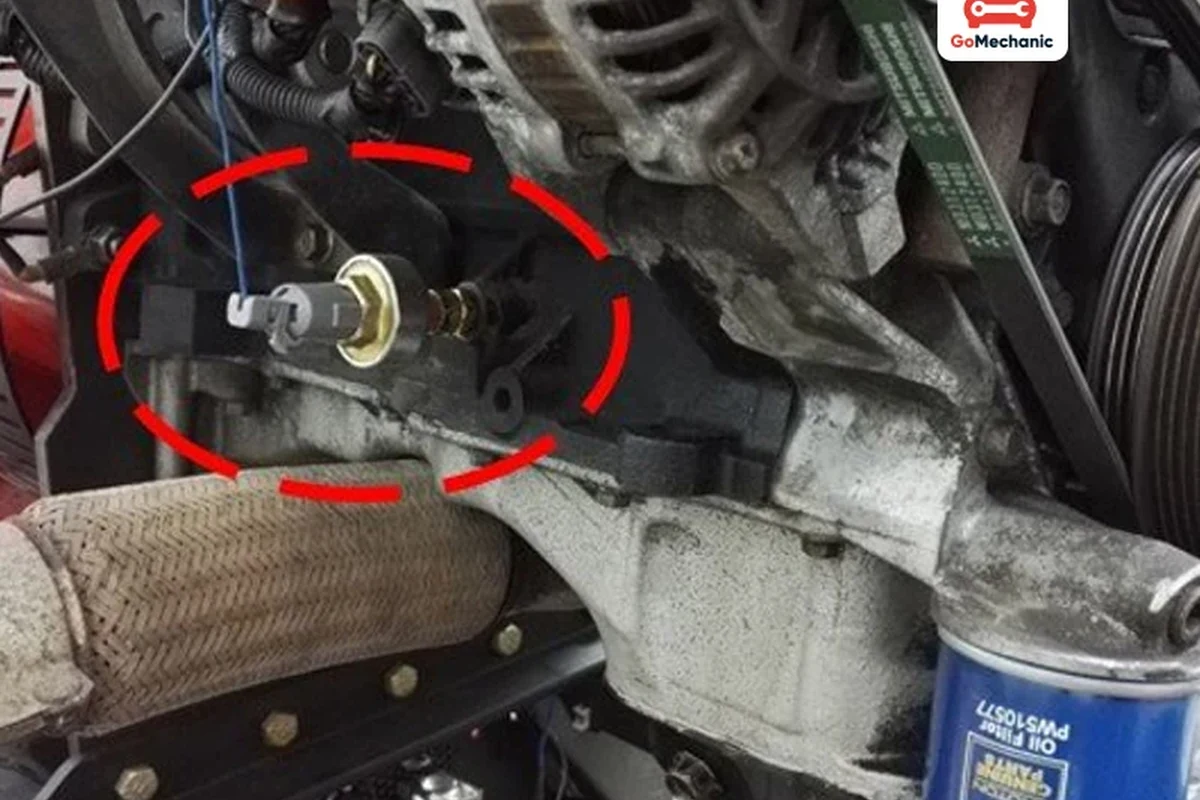
Knock sensors are often buried under intake components or mounted where heat and vibration are severe. Check for broken locks, corrosion, oil intrusion, pin fit, and damaged insulation in the harness.
Installation torque matters because some sensors are sensitive to how tightly they are mounted. Too loose can reduce signal quality; too tight can affect accuracy or damage the sensor. Always confirm the torque spec in the service manual for the exact engine.
Fitment, OEM vs. aftermarket parts, and vehicle compatibility considerations
Compatibility is critical because knock sensor calibration can vary by engine family and ECU strategy. OEM or OE-equivalent parts are usually the safer choice when the original sensor is known to be sensitive to signal quality.
Aftermarket parts may work well, but the fit, connector style, and response characteristics should match the original specification. Confirm engine code, model year, and connector shape before ordering.
Part catalogs can be wrong or incomplete. Always cross-check the VIN, engine code, and service manual before buying a replacement sensor.
How to Diagnose the Problem Safely and Accurately
The safest approach is to diagnose from the top down: scan data, visual inspection, then targeted testing. That reduces the chance of replacing a sensor that is only reporting a different engine problem.
Step-by-step inspection approach without guesswork
Note engine speed, load, coolant temperature, and timing conditions when the fault appeared.
Look for corrosion, loose pins, heat damage, and oil contamination near the sensor harness.
Inspect spark plugs, coils, vacuum lines, air intake leaks, and obvious fuel delivery issues.
Watch timing retard, misfires, and fuel trims to see whether the ECU is reacting to a false signal.
Common mistakes that lead to unnecessary part replacement
One common mistake is replacing the knock sensor just because the engine idles rough. Another is ignoring wiring damage, which can mimic a failed sensor very closely.
It is also easy to miss a vacuum leak or ignition fault because the code reader points you toward the sensor. The code is only a starting point, not the diagnosis.
When professional diagnostics are the better value
If the sensor is hard to reach, the vehicle needs intake removal, or the scan data is unclear, professional diagnostics may save time and money. A technician with access to factory-level data can often distinguish between a bad sensor, false knock, and a separate engine fault faster than a parts-first approach.
That can be especially worthwhile on vehicles where labor is the main cost, not the sensor itself.
Repair Options, Costs, and Real-World Value
The right fix depends on what failed. Sometimes the sensor is fine and the problem is a connector, wire, or engine issue that is confusing the ECU.
Cleaning, wiring repair, or full sensor replacement
If the connector is dirty or lightly corroded, careful cleaning and re-seating may help, provided the terminals are still in good shape. If the harness is damaged, repair or replacement of the affected wiring may be the correct fix.
Full sensor replacement makes sense when the sensor has failed electrically, the signal is out of range, or the part is physically damaged. Use the correct torque and follow the service procedure exactly.
- Can restore proper timing control if the sensor is truly faulty
- May improve idle smoothness when the ECU is overcorrecting
- Often resolves related drivability codes when wiring is intact
- May not fix the real cause if another engine problem is present
- Access can be labor-intensive on some engines
- Incorrect fitment or torque can create new issues
Benefits, limitations, and evidence-based expectations for idle improvement
If the knock sensor is the true cause, you can reasonably expect smoother timing behavior and possibly a steadier idle after repair. But if the engine has worn ignition parts, air leaks, or fuel delivery issues, the improvement may be partial or nonexistent.
That is why it is best to measure the before-and-after change with scan data rather than relying only on feel. A good repair should reduce timing correction and clear the underlying fault trend.
Final recommendation: when replacing the knock sensor makes sense
Replace the knock sensor when diagnostics point to a bad sensor, a failed connection, or a known vehicle-specific issue and other major rough-idle causes have been ruled out. If the evidence is weak, fix the simpler and more common causes first.
Maintenance Tips to Prevent Repeat Rough Idle Issues
Preventing repeat problems is mostly about keeping the engine bay clean, dry, and electrically sound. Sensors work best when connectors, grounds, and related ignition parts are in good condition.
Keeping connectors, grounds, and engine bay conditions in good shape
Inspect nearby wiring during routine service, especially after coolant leaks, oil leaks, or rodent damage. Moisture, corrosion, and loose grounds can create misleading sensor signals and intermittent idle complaints.
Also pay attention to engine mounts and intake components. Excessive vibration or unmetered air can make a healthy sensor look guilty.
Care, inspection intervals, and signs the issue is returning
Watch for the return of hesitation, timing retard, or a repeat check-engine light after the repair. If the same symptoms come back, the root cause may be elsewhere in the engine management system.
Periodic scans during maintenance can help catch a developing issue before it becomes a rough-idle problem again. When in doubt, use the factory manual and a scan tool rather than guessing.
Frequently Asked Questions
Yes, it can contribute by making the ECU pull ignition timing. But rough idle is often caused by spark, air, fuel, or wiring problems instead.
Common signs include a check-engine light, hesitation, reduced power, and timing correction at idle. Some vehicles may only show intermittent drivability issues.
Vacuum leaks often cause high or unstable idle speed, lean codes, and a hiss or whistle. Knock sensor issues are more likely to show timing retard or knock-related codes.
Not usually. It is better to scan codes, inspect wiring, and rule out common causes like plugs, coils, and vacuum leaks first.
Yes. Corrosion, broken wires, loose connectors, and poor grounds can create the same symptoms as a failed sensor.
Get help if the sensor is hard to access, the code keeps returning, or the scan data does not clearly point to one fault. Factory-level diagnostics can save time and prevent unnecessary parts replacement.