Can You Use the Same O2 Sensor for Upstream and Downstream
Sometimes, but only when the exact part number and sensor design are approved for both positions. If the sensor type, connector, or heater circuit differs, do not swap it upstream and downstream.
If you are asking whether you can use the same O2 sensor for upstream and downstream, the short answer is: sometimes, but only if the exact part number, connector, heater setup, and sensor type match the vehicle’s requirements. In many vehicles, upstream and downstream sensors look similar but are calibrated differently, so swapping them blindly can trigger drivability or emissions problems.
- Exact match matters: Physical fit alone does not guarantee the sensor will work correctly.
- Upstream and downstream jobs differ: One controls mixture, the other monitors catalyst performance.
- Check VIN-based fitment: OEM catalogs are safer than guessing from engine size or appearance.
- Universal parts need caution: They may fit, but they are not always the best choice.
Can You Use the Same O2 Sensor for Upstream and Downstream? Quick Answer and What It Means
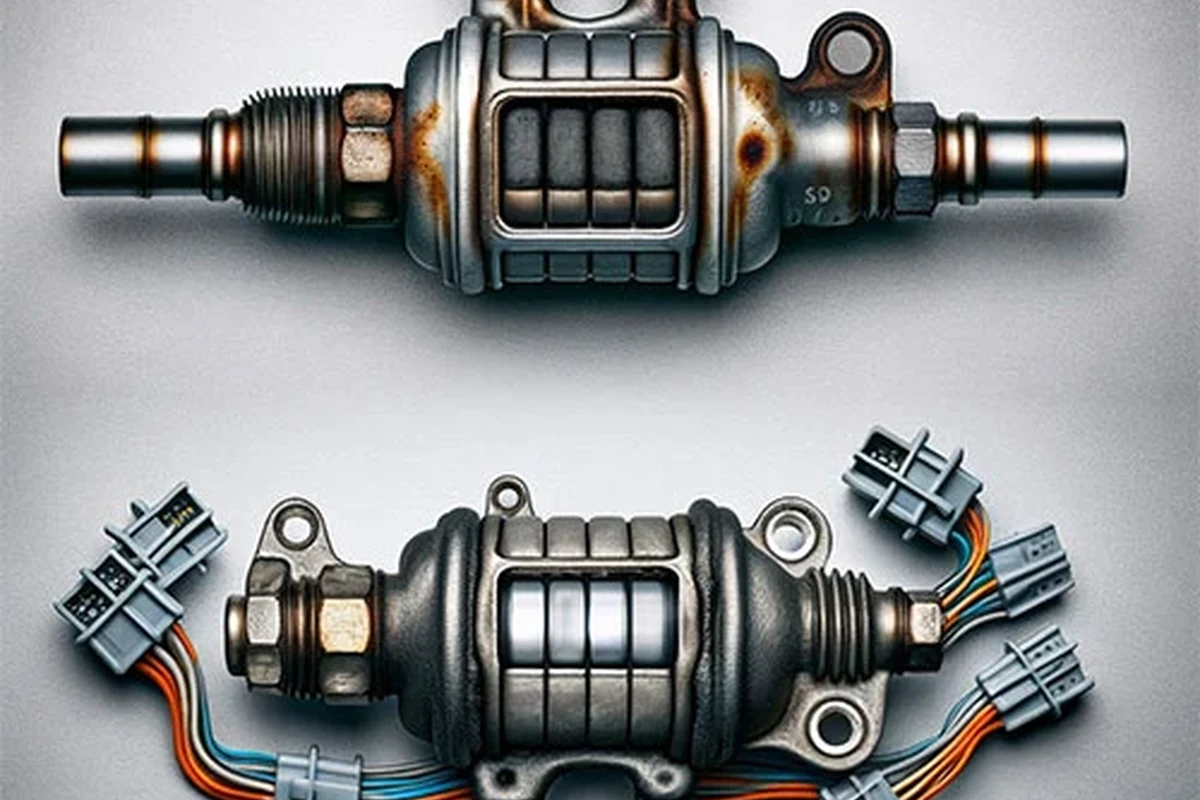
Upstream and downstream oxygen sensors are not automatically interchangeable just because they screw into the same exhaust pipe. The deciding factor is compatibility, not location alone: the sensor has to match the engine management system, wiring, heater circuit, and emissions role the vehicle expects.
In practical terms, a sensor that physically fits may still send the wrong signal or heat up at the wrong rate. That can affect fuel trimming, catalyst monitoring, and whether the check engine light stays off.
How Upstream and Downstream O2 Sensors Work in 2026 Vehicles
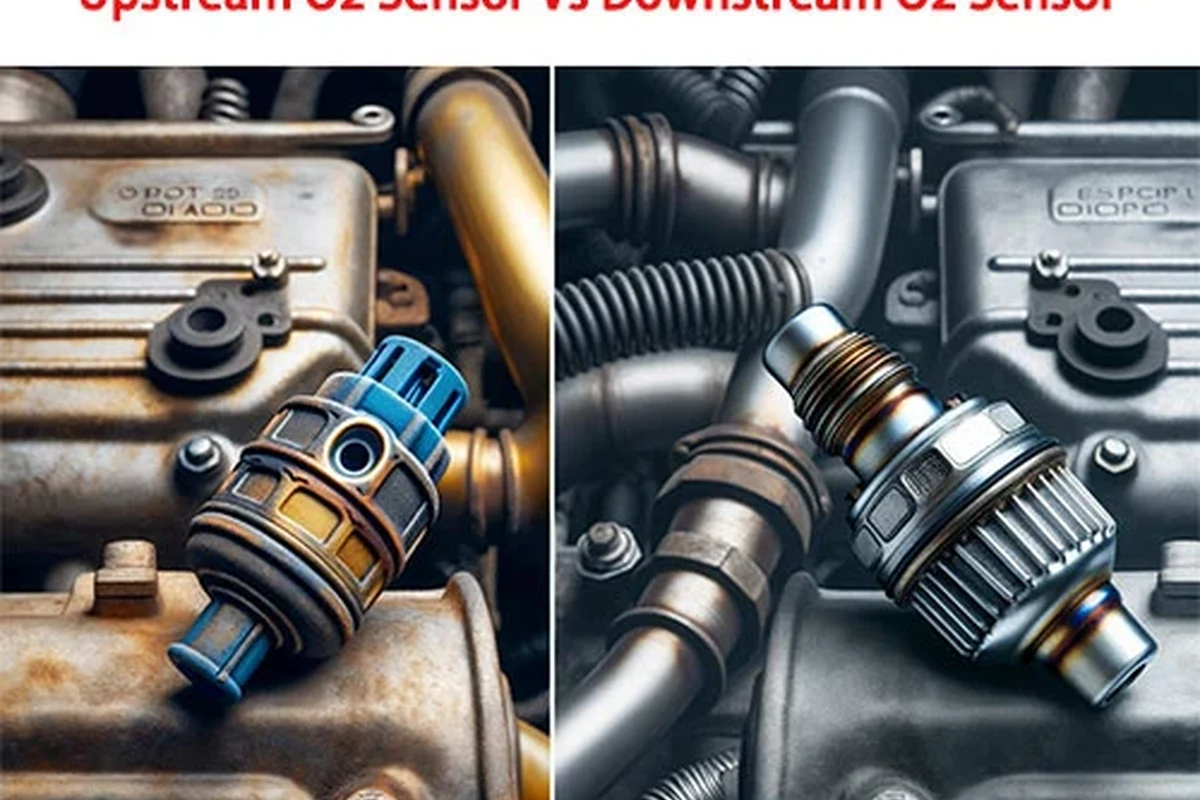
Modern vehicles still rely on oxygen sensors, but the exact sensor technology varies by engine, emissions system, and model year. Some vehicles use narrowband sensors in certain positions, while others use air-fuel ratio sensors or wideband sensors upstream and a different style downstream.
What the upstream sensor monitors
The upstream sensor sits before the catalytic converter and helps the engine computer adjust the air-fuel mixture in real time. Because it reacts quickly to exhaust changes, it has a direct effect on fuel economy, throttle response, idle quality, and emissions control.
What the downstream sensor monitors
The downstream sensor is usually placed after the catalytic converter and helps the computer check catalyst efficiency. It does not typically fine-tune fuel delivery the same way the upstream sensor does, so its signal behavior may be different even when the connector looks familiar.
Why the two positions are not always interchangeable
Upstream and downstream sensors can differ in response speed, heater requirements, voltage behavior, and tip design. If you put the wrong sensor in the wrong position, the engine computer may misread exhaust oxygen levels or fail an emissions monitor.
Some vehicles share a similar-looking sensor across multiple positions, but that is model-specific. Always confirm the exact VIN-based part listing or OEM catalog entry before buying.
When the Same O2 Sensor Might Fit Both Positions
There are cases where one sensor part number is approved for both upstream and downstream use. That usually means the manufacturer designed the sensor and calibration to work in either location on a specific vehicle platform, not that every oxygen sensor is universal.
Identical part numbers and connector styles
If the OEM catalog lists the same part number for both positions, that is the strongest sign the sensor can be shared. Even then, the connector shape, wire count, and harness length still need to match so the sensor can be installed without strain or modification.
Universal fit vs vehicle-specific fit
Universal sensors may fit many vehicles physically, but they often require splicing or reusing an old connector. Vehicle-specific sensors are usually safer for most owners because they reduce wiring mistakes and improve the odds of matching the original calibration.
Use the vehicle’s VIN, engine code, and emissions family when checking compatibility. The same model can use different sensors depending on trim, transmission, or region.
Heated vs unheated sensor differences
Many modern sensors are heated so they reach operating temperature quickly. If one position expects a heated sensor and the other does not, or if the heater resistance and control strategy differ, swapping them can create fault codes or slow sensor response.
Key Specs to Check Before Buying an O2 Sensor
Before replacing any oxygen sensor, compare more than just the thread size. The details that matter most are electrical, mechanical, and calibration-related, and those details vary by vehicle and engine management system.
- Check the exact OEM part number and sensor position
- Confirm connector type, wire count, and harness length
- Verify sensor technology, heater circuit, and emissions compatibility
- Review the manual, warranty terms, and return policy before installation
Connector type, wire count, and harness length
The connector must match the vehicle harness exactly unless the part is specifically sold as a universal replacement. Wire count matters because it reflects the sensor’s internal design, including signal and heater circuits, and harness length matters because a short or stretched lead can fail early.
Thread size, reach, and tip style
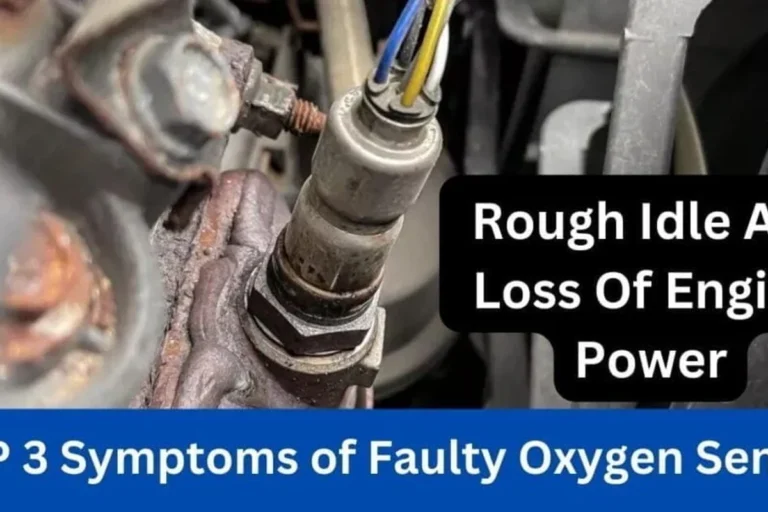
Most O2 sensors use standard exhaust threads, but thread size alone does not guarantee a correct fit. Reach, sensor tip location in the exhaust stream, and shielding design can all affect how accurately the sensor reads exhaust gases.
Sensor type: narrowband, wideband, A/F, and UEGO
Narrowband sensors are common in some downstream applications, while upstream positions may use air-fuel ratio sensors, wideband sensors, or UEGO designs. These sensor types do not behave the same way, so swapping them across positions is often a bad idea unless the manufacturer explicitly says they are interchangeable.
Voltage response, heater circuit, and emissions compatibility
Different sensors can report voltage or current in different ways, and the engine computer is tuned for a specific pattern. The heater circuit also matters because the sensor must warm up quickly enough for emissions readiness without overloading the circuit.
Real-World Benefits and Trade-Offs of Using the Correct Sensor
Using the right sensor is less about convenience and more about keeping the vehicle’s emissions and fuel systems working as intended. The correct part usually costs less in the long run than a cheap fitment gamble that causes fault codes or repeat replacement.
Fuel economy, drivability, and emissions performance
The upstream sensor has a direct influence on mixture control, so the wrong sensor can lead to rich or lean running. That may show up as rough idle, hesitation, reduced fuel economy, or elevated emissions, even if the car still starts and drives.
Check engine light prevention and catalyst protection
A mismatched downstream sensor can confuse catalyst monitoring and keep readiness monitors from completing. In some cases, a bad signal can also hide a real converter problem, which may put extra stress on the catalytic converter over time.
Cost savings versus long-term reliability
A universal sensor or a reused sensor may look cheaper at checkout, but the hidden cost is diagnostic time, possible reinstallation, and repeat codes. For emissions-critical vehicles, the safer choice is usually the exact spec match rather than the lowest upfront price.
If the sensor wiring is heat-damaged, the connector is corroded, or the exhaust has an upstream leak, replacing the sensor alone may not solve the problem. Confirm the surrounding system first.
Common Mistakes When Swapping Upstream and Downstream O2 Sensors
Many replacement problems come from simple identification errors rather than bad parts. The most common mistakes involve the wrong bank, the wrong sensor position, or assuming every sensor on the same engine is interchangeable.
Mixing up bank and sensor location labels
Bank 1 and Bank 2 refer to different sides of a V-style engine, while Sensor 1 and Sensor 2 refer to position before or after the catalytic converter. Mixing those labels up can lead to the wrong purchase, even when the engine family is known.
Ignoring OEM specifications and calibration differences
OEM specifications matter because the computer expects a certain response curve from each sensor. A part that seems close enough on paper may still have a different calibration, which can affect monitor readiness and long-term drivability.
Using the wrong anti-seize, torque, or install method
Some replacement sensors come with thread coating already applied, and some manufacturers advise against adding extra anti-seize. Over-torquing can damage the threads or sensor body, while under-torquing can allow exhaust leaks that distort readings.
Exhaust components can stay dangerously hot long after the engine is turned off. Let the system cool, follow the service manual, and avoid forcing seized sensors with unsafe leverage.
Safe Installation, Inspection, and Maintenance Tips
Good installation habits matter because sensor problems are often caused by the environment around the sensor, not the sensor alone. A careful inspection can save time and help you avoid repeating the same code after replacement.
How to inspect wiring, connectors, and exhaust leaks
Check the harness for melted insulation, loose pins, corrosion, and contact with sharp edges or hot exhaust parts. Also inspect for exhaust leaks ahead of the sensor, because extra oxygen entering the exhaust stream can make a healthy sensor look faulty.
Heat safety, removal precautions, and proper torque
Use the correct socket and follow the vehicle’s service information for removal and installation. If the sensor is stuck, avoid damaging the bung or wiring; a damaged exhaust thread can create bigger problems than the original sensor fault.
- Label the old sensor position before removal so bank and sensor locations do not get mixed up.
- Compare the old and new connectors side by side before installation.
- Scan for codes after installation and verify that readiness monitors complete normally.
Replacement intervals, cleaning limits, and when to replace instead of reuse
O2 sensors wear gradually, and replacement intervals vary widely by vehicle and driving conditions. Cleaning is rarely a reliable fix for a failing sensor, especially if the sensing element is aged, contaminated, or slow to respond.
Final Recommendation: Should You Use the Same O2 Sensor Upstream and Downstream?
Only use the same O2 sensor in both positions when the OEM documentation or a trusted VIN-based parts catalog confirms that exact part number is approved for both locations. If the sensor type, heater circuit, connector, or calibration differs, treat the positions as non-interchangeable.
DIY owners who want the safest outcome should choose the exact OEM-matched or VIN-matched sensor for the specific bank and position. That approach reduces guesswork, lowers the chance of repeat codes, and is usually the best balance of cost and reliability.
Best choice for DIY owners
DIY owners should prioritize fitment confirmation, connector matching, and the correct sensor position over universal compatibility claims. If the listing is vague, it is better to pause and verify than to install a part that only “almost” matches.
Best choice for repair shops and emissions-critical vehicles
For repair shops, fleet vehicles, and cars that must pass emissions testing, the safest route is the exact specified sensor. That reduces comebacks, protects catalyst performance, and helps ensure the vehicle completes readiness checks as expected.
When to choose OEM over universal alternatives
Choose OEM or OEM-equivalent parts when the vehicle uses a wideband, A/F, or otherwise model-specific sensor, or when the connector and calibration are tightly integrated. Universal alternatives make the most sense only when the manufacturer explicitly supports them and the installer is prepared to handle wiring and verification correctly.
- Same-position interchangeability depends on exact part match, not just physical fit.
- Upstream and downstream sensors often serve different jobs and may use different technology.
- VIN-based verification is the safest way to avoid check engine lights and repeat repairs.
Frequently Asked Questions
Sometimes, but only if the exact OEM or VIN-matched part number is approved for both positions. Connector style, heater circuit, and sensor type must also match.
The upstream sensor helps control fuel mixture before the catalytic converter. The downstream sensor mainly monitors catalyst efficiency after the converter.
Check the OEM catalog, VIN-based fitment, connector, wire count, and sensor technology. If any of those differ, do not assume the sensor will work in both positions.
A universal sensor may fit many vehicles, but it is not automatically correct for both positions. It often requires careful verification and may not match the original calibration.
You may get a check engine light, poor drivability, failed emissions monitors, or inaccurate catalyst readings. In some cases, the vehicle may run poorly or need repeat repair.
Choose the part that matches the vehicle specification most closely, especially for wideband or A/F sensors. OEM or OEM-equivalent parts are often the safest option when compatibility is unclear.