Can Nox Sensor Cause Limp Mode
Yes, a faulty NOx sensor can cause limp mode when the ECU no longer trusts emissions data. But wiring, DEF quality, SCR faults, and exhaust leaks can create the same symptoms, so diagnosis matters before replacement.
Yes—a faulty NOx sensor can cause limp mode in many diesel vehicles, especially when the engine control unit (ECU) sees emissions data it cannot trust. The exact behavior depends on the vehicle, but the usual result is reduced power, warning lights, and stored fault codes that point to the emissions system rather than a mechanical engine failure.
- Limp mode is protective: The ECU may limit power when NOx data is missing, implausible, or out of.
- Sensor faults are only one cause: Wiring damage, contamination, exhaust leaks, and SCR/DEF issues can look identical.
- Scan data matters: OBD-II and manufacturer-specific codes help separate sensor failure from broader emissions faults.
- Fitment is critical: The correct sensor must match the vehicle, connector, location, and any required relearn steps.
Can a NOx Sensor Cause Limp Mode? Quick Answer and What It Means
In plain terms, limp mode is the vehicle’s protective fallback. If the ECU detects a serious emissions-system fault, it may limit torque, throttle response, or speed to protect the engine, the selective catalytic reduction (SCR) system, and compliance hardware.
A NOx sensor is one of the parts that can trigger that response when it sends implausible readings, drops communication, or fails electrically. That said, a NOx sensor is not the only possible cause, so the safest approach is to confirm the fault before replacing parts.
How a NOx Sensor Works in Modern Diesel Emissions Systems
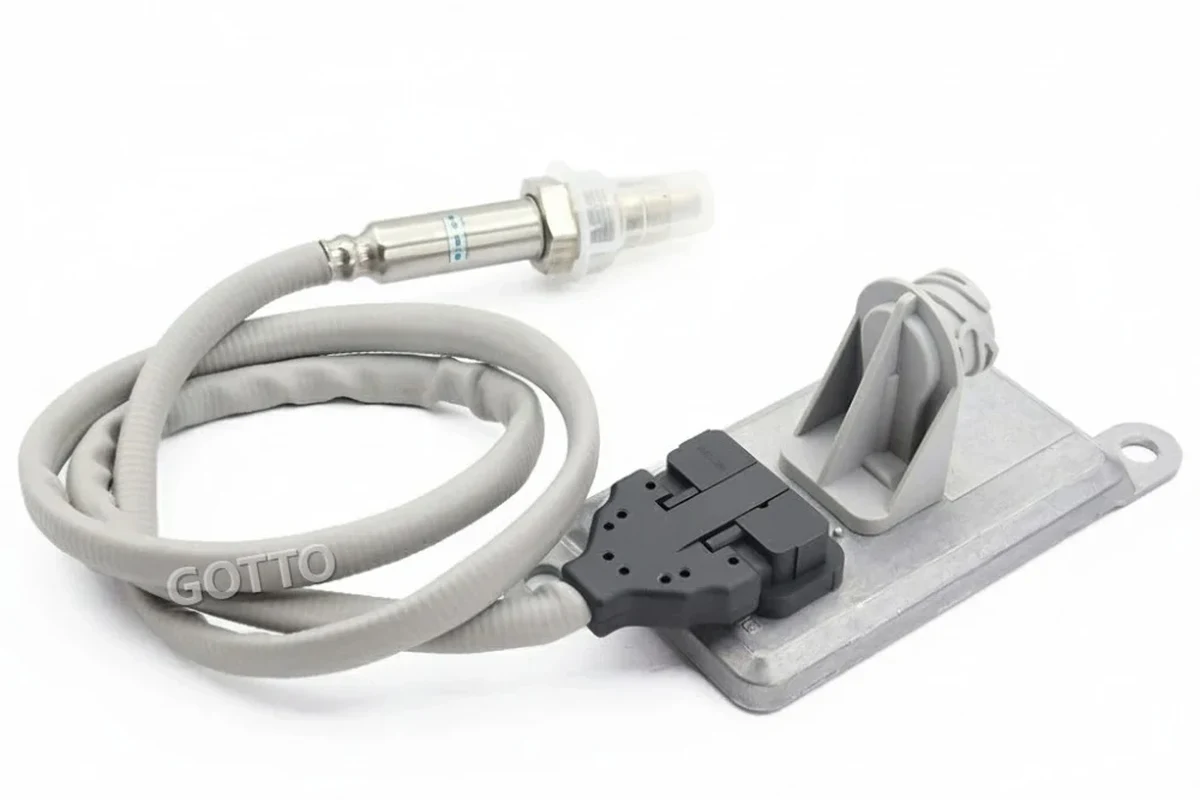
NOx sensors monitor nitrogen oxide levels in the exhaust stream. Diesel engines produce NOx under high heat and pressure, so modern systems use sensors to help the ECU decide whether emissions control hardware is doing its job.
What the NOx sensor measures and why the ECU cares
The sensor helps the ECU estimate how much NOx is entering and leaving the aftertreatment system. If those numbers do not make sense, the ECU may assume the emissions system is underperforming or that the sensor itself is unreliable.
That matters because the ECU uses this information to adjust injection strategy, monitor catalyst performance, and decide whether the vehicle can continue operating normally. When the data is missing or inconsistent, the software may choose caution over full power.
How SCR, DEF, and emissions monitoring interact
Most diesel systems combine the NOx sensor with SCR and DEF to reduce emissions. DEF is injected into the exhaust upstream of the SCR catalyst, where it helps convert NOx into less harmful gases.
If the NOx sensor reports abnormal values, the ECU may think the SCR system is not reducing emissions correctly. In some vehicles, that can lead to warnings first and then reduced engine power if the fault remains unresolved.
Many diesel vehicles use more than one NOx sensor—often one before and one after the SCR catalyst—to compare exhaust conditions and verify system performance.
Why a Faulty NOx Sensor Can Trigger Limp Mode in 2026 Vehicles
Newer diesel calibrations are often stricter about emissions monitoring than older systems. If a sensor fails, or its signal becomes unreliable, the ECU may reduce performance sooner to avoid emissions violations and protect expensive aftertreatment parts.
Common fault paths: bad readings, wiring issues, contamination, and communication errors
A NOx sensor can cause trouble in several ways. It may send readings that are too high, too low, slow to update, or inconsistent with expected exhaust behavior.
Problems also come from damaged wiring, corroded connectors, heat-stressed harnesses, exhaust leaks near the sensor, contamination from oil or coolant, and communication failures between the sensor module and the ECU. In some cases, the sensor is not the only failed part; the wiring or heater circuit may be the real issue.
Do not ignore repeated limp-mode events or drive long distances while warning lights are active. Reduced power is a protection strategy, not just an inconvenience, and continuing to drive can make the underlying emissions fault worse.
How limp mode protects the engine and emissions hardware
Limp mode is designed to limit damage and prevent the vehicle from operating in a state that could overheat the catalyst, overload the turbo system, or create excessive emissions. It also helps prevent the ECU from relying on bad sensor data to make fueling decisions.
That is why the vehicle may still run, but only with restricted power. The goal is not to strand the driver unnecessarily; it is to keep the engine and aftertreatment system within a safer operating window until diagnostics are completed.
Symptoms That Point to a NOx Sensor Problem Instead of a Bigger Engine Fault
A NOx sensor issue often looks like an emissions problem first and a driveability problem second. The pattern of warning lights and fault codes can help separate it from turbo, fuel, or mechanical engine faults.
Warning lights, power reduction, fuel economy changes, and stored codes
Common signs include a check engine light, SCR or emissions warning messages, reduced power, and sometimes a countdown-to-no-start warning on certain vehicles. Fuel economy may also drop if the ECU changes fueling strategy to protect the aftertreatment system.
Stored codes are especially useful. Codes related specifically to NOx sensor circuit faults, sensor performance, heater faults, or communication errors often point toward the sensor or its wiring rather than a general engine issue.
Exact code names vary by manufacturer, engine family, and scan tool. Always confirm code definitions in the official service information for the vehicle you are diagnosing.
Signs that overlap with EGR, DPF, DEF, or turbo issues
Some symptoms overlap heavily with other systems. A clogged DPF, failed EGR valve, bad DEF quality, weak reductant pump, exhaust leak, or turbo control problem can all create similar warning lights and power reduction.
That overlap is why a NOx sensor should not be replaced based on symptoms alone. The best clue is a combination of code data, live sensor readings, and a basic inspection of the exhaust and wiring around the sensor location.
How to Diagnose the Problem Safely Before Replacing Parts
Before buying a sensor, confirm whether the issue is electrical, mechanical, or emissions-related. A careful diagnosis can save time and prevent unnecessary part replacement.
Reading OBD-II and manufacturer-specific codes
Start with a scan tool that can read both generic OBD-II codes and manufacturer-specific diesel codes. Generic readers may show the basic fault, but the detailed code often reveals whether the problem is the sensor heater, signal plausibility, module communication, or SCR efficiency.
Freeze-frame data and pending codes can also help. They show the conditions when the fault appeared, which is useful for identifying intermittent failures caused by heat, vibration, or harness movement.
- Check the exact code description in the factory manual or service database before ordering parts.
- Look for multiple emissions codes together, since one failed component can trigger a chain reaction.
- Record freeze-frame data before clearing anything so you do not lose diagnostic clues.
Inspecting connectors, harness routing, exhaust leaks, and sensor placement
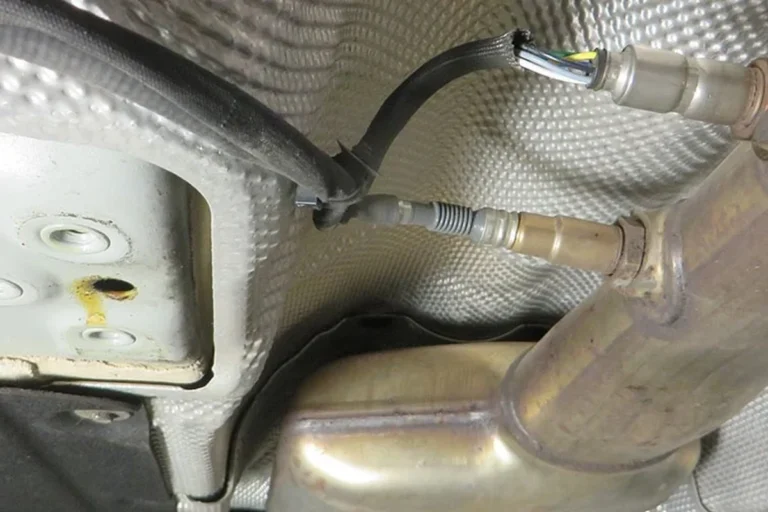
Visually inspect the sensor connector for corrosion, loose pins, melted insulation, or water intrusion. Follow the harness routing to see whether it is rubbing against hot exhaust parts or tensioned by brackets and clips.
Also check for exhaust leaks near the sensor. A leak can skew readings and make a healthy sensor appear faulty. Sensor placement matters too, because the wrong part in the wrong location can create false readings even if it is electrically fine.
Stop and recheck the harness, connector seal, and exhaust joints before replacing the sensor. Heat damage and exhaust leaks are common reasons a new sensor would fail to solve the limp-mode problem.
Checking DEF quality, SCR efficiency, and related sensors
Because the NOx sensor works as part of a larger emissions system, the DEF tank, pump, injector, and SCR catalyst should also be considered. Contaminated or old DEF can create efficiency problems that look like a bad sensor.
If the vehicle has upstream and downstream NOx sensors, compare their readings using live data. A large mismatch may suggest a sensor issue, but it can also point to poor SCR performance or another aftertreatment fault.
Replacement, Compatibility, and Buying Criteria for the Right NOx Sensor
If diagnostics point to the sensor itself, fitment and calibration matter more than brand hype. A correct replacement must match the vehicle, exhaust position, connector, and any manufacturer-specific programming requirements.
OEM vs aftermarket, vehicle fitment, connector style, and calibration needs
OEM parts are often the safest choice when the vehicle is sensitive to aftertreatment calibration or when the original sensor has a specific software match. Aftermarket options can work well, but only if the exact fitment and part number compatibility are confirmed.
Pay close attention to connector style, sensor length, mounting thread or bracket design, and whether the replacement requires adaptation, coding, or a relearn procedure after installation. Some vehicles are far less forgiving than others.
- Confirm the exact engine, model year, emissions package, and sensor position.
- Match the connector, cable length, and mounting style to the original part.
- Verify whether the vehicle needs a reset, adaptation, or scan-tool relearn after replacement.
- Check warranty terms, return policy, and any manufacturer fitment notes before installing.
Key decision factors: durability, heat resistance, warranty, and value
NOx sensors live in a harsh environment. Heat resistance, connector sealing, harness quality, and long-term durability matter more than a low upfront price.
Warranty can be useful, but only if the part is actually compatible and installed correctly. Value comes from the part that solves the fault reliably, not the cheapest listing that happens to fit the thread.
Common Mistakes, Safe Use, and Maintenance Tips to Prevent Repeat Limp Mode
Repeat limp mode usually means the original fault was not fully solved. The most common causes are incorrect installation, skipped relearn steps, or a related emissions problem that was never addressed.
Installation errors, contamination risks, and reset/adaptation steps
Common mistakes include touching the sensing tip unnecessarily, installing the sensor in the wrong exhaust position, failing to secure the harness away from heat, and clearing codes without confirming the repair. Those errors can create a false sense of success until the fault returns.
After replacement, some vehicles need a scan-tool reset, adaptation, or drive cycle before the ECU accepts the new sensor behavior. The exact process varies by model, so the factory service procedure is the best reference.
- Correct installation can restore normal power and emissions monitoring
- Proper diagnosis avoids replacing expensive parts unnecessarily
- One bad sensor may hide a deeper SCR, DEF, or wiring issue
- Some vehicles require scan-tool procedures after replacement
Care, storage, inspection intervals, and when to replace instead of clean
NOx sensors are not usually a clean-and-reuse part. If contamination, heater failure, or internal sensor degradation is present, replacement is usually the practical route rather than cleaning.
For prevention, inspect the harness during routine service, keep the exhaust system free of leaks, and use DEF that meets the vehicle manufacturer’s specifications. Store replacement sensors in a dry, clean place and avoid exposing the connector or sensing element to contamination before installation.
Final Recommendation: When to Repair, Replace, or Seek Professional Diagnostics
If your vehicle has limp mode plus NOx-related codes, start with diagnosis rather than assumptions. A sensor fault is a realistic cause, but wiring, exhaust leaks, DEF quality, and SCR performance can produce the same result.
Best-case and worst-case scenarios for owners, fleet users, and DIYers
Best case: the issue is a damaged connector, loose harness, or straightforward sensor failure, and the repair is limited to the affected part plus a proper reset. Worst case: the NOx sensor is only one symptom of a larger aftertreatment problem that needs deeper diagnostics and possibly professional equipment.
For DIYers, the safest path is to verify codes, inspect the system carefully, and replace only the part the evidence supports. For fleet users and anyone facing repeated limp mode, professional diagnostics are usually worth it because downtime, failed inspections, and repeat repairs can cost more than the initial service.
A NOx sensor can cause limp mode, but it should be treated as part of a broader emissions-system diagnosis, not an automatic parts swap. Replace the sensor when the codes, wiring checks, and system data support it; otherwise, investigate DEF, SCR, exhaust leaks, and related sensors first.
Frequently Asked Questions
Yes. If the ECU cannot trust NOx readings or sees a sensor communication fault, it may limit power to protect the emissions system and engine.
Codes vary by manufacturer, but sensor circuit, heater, plausibility, and communication faults often point toward the NOx sensor or its wiring. Always confirm the exact code definition in the factory service information.
Yes. Contaminated, old, or incorrect DEF can create SCR efficiency faults that may be mistaken for a sensor failure. Check DEF quality and related components before replacing parts.
A scan tool is strongly recommended because live data, freeze-frame data, and manufacturer-specific codes help separate sensor failure from wiring or aftertreatment issues.
Most NOx sensors are replaced, not cleaned, when they fail. If contamination or heater failure is present, replacement is usually the correct fix.
Confirm the exact vehicle model, engine, sensor position, connector style, and whether the ECU needs a reset or adaptation after installation. Fitment and calibration matter as much as the part number.