Can Nox Sensor Cause Misfire
A NOx sensor usually does not directly cause a misfire, but it can be part of a larger emissions or drivability problem. If the engine is rough-running, check ignition, fuel, air, and compression issues first before replacing the sensor.
A NOx sensor usually does not directly cause a misfire, but it can contribute to drivability problems, reduced power, and fault codes that make the engine feel rough. In many cases, a misfire code points to ignition, fuel, compression, or exhaust-gas control issues first, while the NOx sensor is either reacting to the problem or helping the ECU detect it.
- Direct cause: A NOx sensor is usually not the root cause of a true engine misfire.
- Common reality: Misfire symptoms often come from plugs, coils, injectors, fuel pressure, vacuum leaks, or compression.
- Diagnosis: Read all codes and freeze-frame data before clearing anything or buying parts.
- Fit matters: Match the exact vehicle, sensor position, connector, and harness before replacement.
- Safety: Stop driving if the misfire is severe or the warning light is flashing.
Can a Nox Sensor Cause a Misfire? Quick Answer and What It Usually Means
Yes, a bad NOx sensor can be involved when a vehicle sets misfire-related codes, but it is more often an indirect factor than the root cause. If the engine is actually misfiring, the NOx sensor may simply be reporting abnormal exhaust chemistry rather than creating the misfire itself.
That distinction matters because replacing the sensor without checking the rest of the system can waste time and money. The real issue may be a weak coil, worn spark plug, injector fault, air leak, EGR problem, fuel pressure issue, or even compression loss.
How a NOx Sensor Works in Modern Engines and Emissions Systems
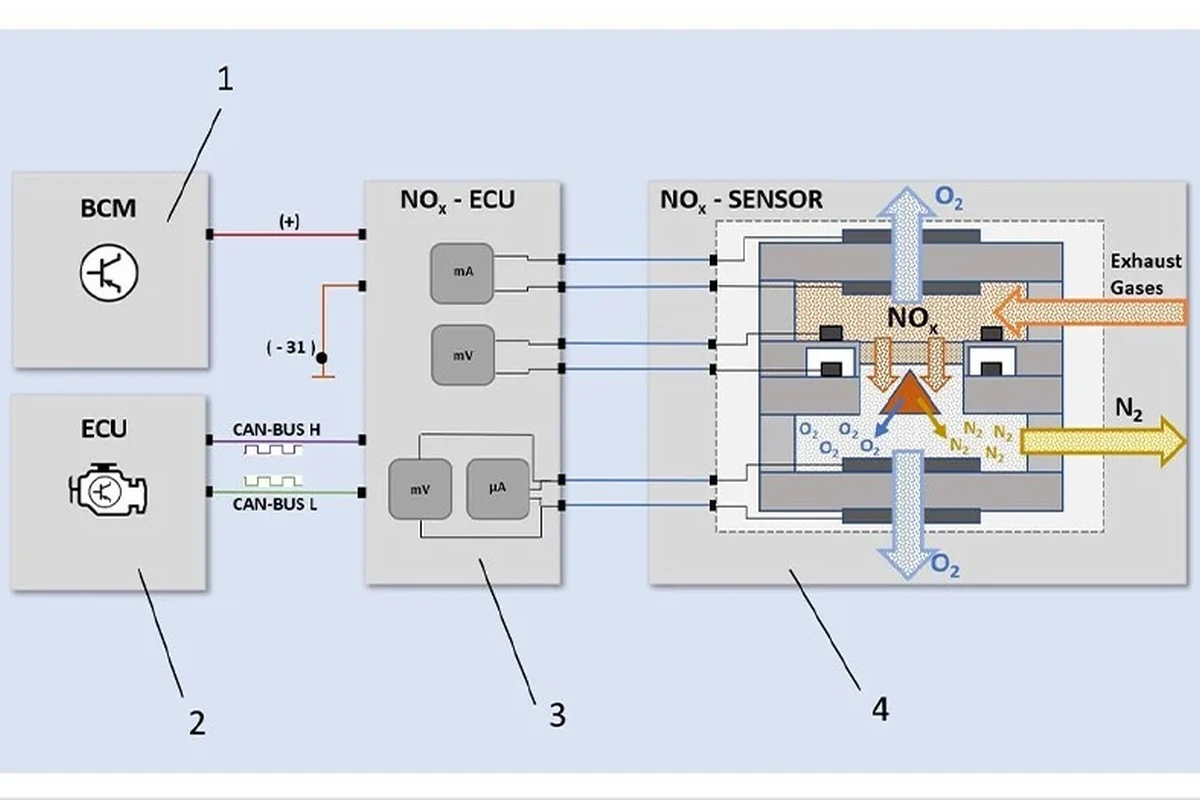
NOx sensors measure nitrogen oxides in the exhaust stream. The engine control unit, or ECU, uses that information to monitor combustion quality and emissions performance, especially on diesel engines and some lean-burn gasoline systems.
What the sensor measures and why the ECU cares
When combustion gets too hot or too lean, NOx rises. The ECU watches that reading to decide whether the engine is running as expected and whether the aftertreatment system is doing its job.
In practical terms, the sensor helps the vehicle understand whether the engine is producing the right exhaust signature. If the reading is out of range, the ECU may log emissions faults, adjust strategy, or limit performance depending on the vehicle design.
How NOx readings can affect fueling, timing, and diagnostics
On some vehicles, NOx data can influence fueling strategy, exhaust treatment, and diagnostic decisions. If the ECU believes emissions are too high, it may change how the engine runs to protect components or meet emissions targets.
That does not mean the NOx sensor is commanding a misfire directly. More often, it is part of a larger control loop that can make the engine feel less smooth if another subsystem is already struggling.
Exact NOx sensor behavior varies by engine family, emissions standard, software calibration, and whether the vehicle uses one or two sensors.
Can a Bad NOx Sensor Really Trigger a Misfire Code?
A faulty NOx sensor can contribute to a misfire code in some cases, but the code usually reflects what the ECU sees rather than the sensor being the true source of the misfire. If the sensor is sending implausible data, the ECU may flag related faults, reduce power, or misinterpret exhaust conditions.
Direct vs. indirect causes of rough running and misfire
Direct misfires come from incomplete combustion in one or more cylinders. That is typically caused by ignition, fuel delivery, air metering, or mechanical problems.
Indirect causes happen when emissions-control faults create unstable engine behavior or make the ECU react conservatively. A NOx sensor problem can fit into that second category, especially if it affects how the vehicle manages exhaust aftertreatment or diagnostics.
When the NOx sensor is a symptom, not the root problem
It is common for a NOx sensor code to appear after another issue has already been present. Unburned fuel, soot buildup, exhaust leaks, bad injectors, EGR faults, or DPF-related problems can all confuse the system and make the NOx sensor look guilty.
If the engine is shaking, flashing a check-engine light, or running badly, treat it as a real drivability issue first. Do not assume the NOx sensor is the only fault just because a scan tool shows an emissions code.
Common Symptoms That Point to the Real Problem
The fastest way to avoid a wrong repair is to compare the symptom pattern against the most likely cause. A NOx sensor failure often overlaps with other faults, so the full picture matters more than one code.
Misfire codes, reduced power, warning lights, and failed regeneration
Common signs include check-engine lights, reduced engine power, poor throttle response, and emissions-related warning messages. Diesel vehicles may also fail regeneration or show aftertreatment faults if the exhaust system is not operating correctly.
If the engine truly misfires, you may also notice rough idle, hesitation under load, fuel smell, or a flashing warning light. Those symptoms usually point beyond the NOx sensor itself.
Other signs that overlap with injector, spark, EGR, or DPF issues
On gasoline engines, misfire symptoms often come from spark plugs, coils, vacuum leaks, or injectors. On diesel engines, injector balance issues, EGR faults, intake restrictions, and DPF loading can create similar drivability complaints.
Because the symptoms overlap so much, it helps to think in systems: ignition, fuel, air, exhaust, and engine mechanical condition. The NOx sensor sits near the end of that chain, so it often reflects what happened earlier.
- Start with the symptoms, not the part number.
- Check whether the misfire is constant, load-related, or only present cold.
- Compare NOx codes with injector, EGR, fuel, and airflow faults before replacing parts.
How to Diagnose the Issue Safely and Accurately
A careful diagnosis can save you from replacing an expensive emissions sensor that was never the root cause. The best approach is to read codes, inspect the harness and exhaust, and verify the engine is healthy before focusing on the NOx sensor.
Reading OBD-II codes and freeze-frame data
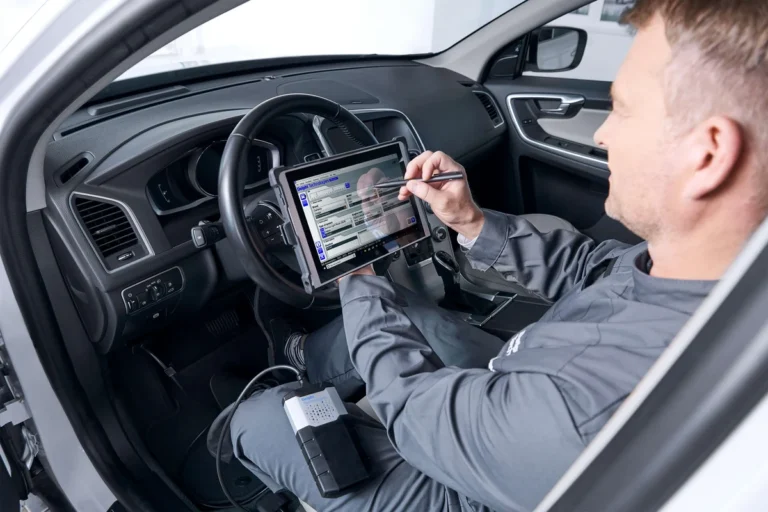
Use an OBD-II scanner to read all stored and pending codes, not just the first one you see. Freeze-frame data can show engine load, temperature, speed, and fuel conditions at the moment the fault was recorded.
That context helps you tell whether the problem happened at idle, during acceleration, or while the vehicle was trying to regenerate or run emissions diagnostics. A single code rarely tells the whole story.
Inspecting wiring, connectors, exhaust leaks, and sensor contamination
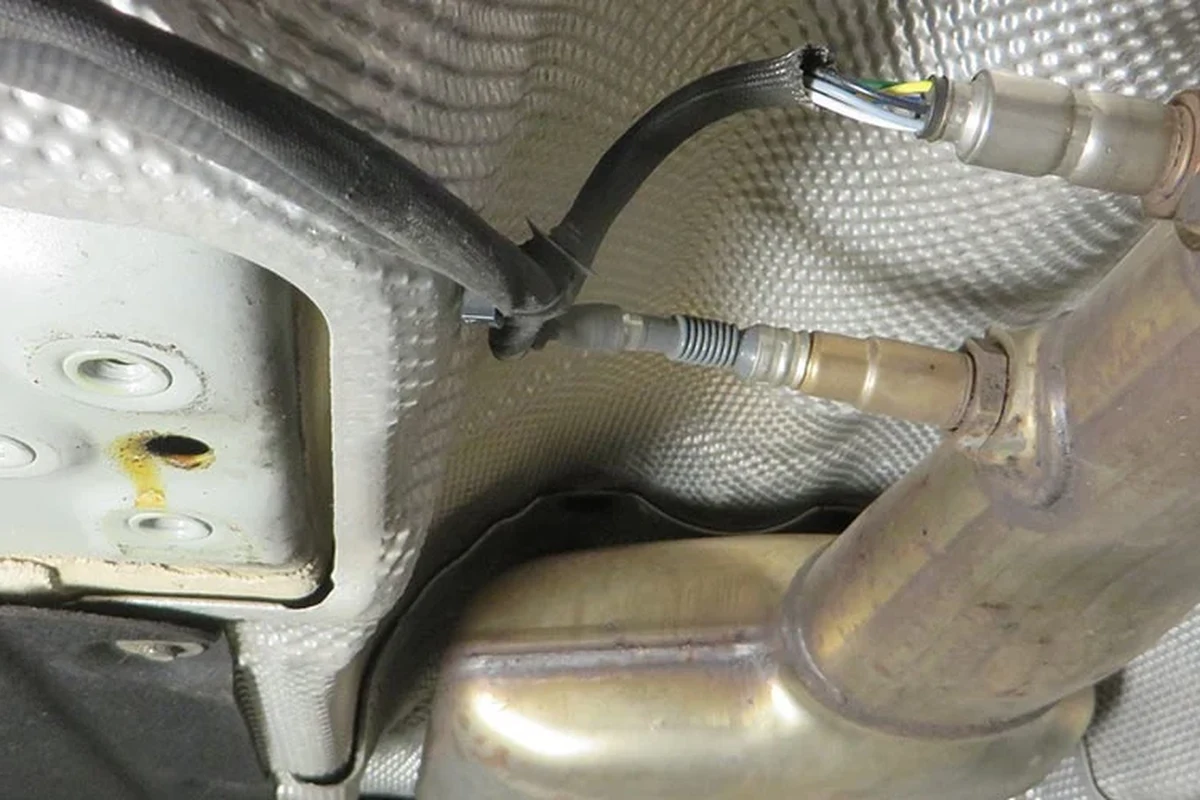
Before replacing the sensor, inspect the wiring harness, connector pins, and mounting area for heat damage, corrosion, or looseness. Exhaust leaks near the sensor can distort readings and create misleading codes.
Also check for contamination from oil, coolant, soot, or improper sealants. A sensor can fail electrically, but it can also report bad data if the exhaust stream around it is compromised.
When to check plugs, coils, injectors, compression, and fuel pressure first
If the vehicle has a clear misfire, the engine should be checked for ignition and fuel problems first on gasoline models. Spark plugs, ignition coils, injectors, vacuum leaks, and fuel pressure are common starting points.
On diesel engines, injector performance, compression, air delivery, EGR operation, and intake restrictions deserve attention before condemning the NOx sensor. If the combustion event is wrong, the sensor is usually reporting the consequence.
- Confirm the exact engine, model year, emissions package, and sensor location.
- Match the connector, harness length, and sensor type to the vehicle.
- Verify whether the code points to a sensor fault or a separate engine problem.
What Makes a NOx Sensor Fit Your Vehicle
NOx sensors are not universally interchangeable. Fit depends on the engine family, emissions standard, mounting position, connector style, and the control strategy used by the ECU.
OEM compatibility, engine family, emissions standard, and mounting location
The safest starting point is the official parts catalog or manufacturer compatibility list. Two vehicles that look similar can use different sensor designs because of emissions package changes, regional regulations, or software revisions.
Mounting location matters too. Some vehicles use upstream and downstream sensors, and each position may require a different part number. Always verify the exact location before ordering.
Key decision criteria: connector type, harness length, calibration, and warranty
Check the connector shape, number of pins, harness routing, and whether the part is calibrated for your ECU. Some sensors also require adaptation, relearn, or reset steps after installation.
Warranty terms and return policy are worth reviewing because emissions parts can be costly and highly vehicle-specific. If the listing does not clearly match your exact vehicle, confirm it with the manufacturer or a trusted parts catalog before buying.
Replacement, Care, and Common Mistakes to Avoid
NOx sensor replacement is not difficult in concept, but it is often exposed to high heat and can be stubborn to remove. Careful handling and correct diagnosis matter more than speed.
Safe handling, heat considerations, and proper installation practices
Let the exhaust cool fully before touching the sensor or nearby components. These parts can stay dangerously hot long after the engine is shut off.
Use the manufacturer’s instructions for removal torque, anti-seize guidance, and routing of the harness away from heat sources. If the connector or threads are damaged, stop and verify the repair path rather than forcing the part.
Typical mistakes: clearing codes too early, skipping relearn steps, ignoring exhaust faults
One common mistake is clearing codes before recording freeze-frame data. That can erase useful clues and make the diagnosis harder.
Another mistake is replacing the sensor without checking for exhaust leaks, soot buildup, or upstream engine faults. If the vehicle requires a relearn or adaptation procedure, skipping it can leave the warning light on even after the part is installed correctly.
Do not work on a hot exhaust system, and do not continue driving if the engine is misfiring severely or the warning light is flashing. Severe misfires can damage the catalytic converter or aftertreatment system.
Value, Limitations, and Final Recommendation for 2026 Drivers
For 2026 drivers, the best value comes from diagnosing the system, not just replacing the sensor that appears in the code list. A NOx sensor replacement makes sense when the sensor is clearly failed, the wiring is sound, and the rest of the engine checks out.
When replacing the NOx sensor makes sense
Replacement is reasonable when the code points directly to sensor performance, the harness and connector are intact, and the vehicle’s engine operation is otherwise stable. It is also a sensible move when the sensor has known age-related wear and the manufacturer’s diagnostic path supports replacement.
When to pursue other repairs first and what evidence is still needed
If the engine has an obvious misfire, rough idle, injector code, fuel pressure issue, vacuum leak, EGR fault, or compression concern, those should be addressed first. In that situation, the NOx sensor may be reacting to the problem rather than causing it.
The most useful evidence is a combination of codes, freeze-frame data, live data, and a basic inspection of the engine and exhaust system. When that information is incomplete, a cautious diagnosis is better than an expensive guess.
- A NOx sensor usually does not directly cause a misfire, but it can be involved in related drivability faults.
- Real misfires are more often caused by ignition, fuel, air, compression, or exhaust-system problems.
- Read codes and freeze-frame data first, then inspect wiring, exhaust leaks, and engine health before replacing the sensor.
- Verify exact vehicle fit, connector type, and calibration needs before buying a replacement.
Frequently Asked Questions
Usually no. A NOx sensor more often reports abnormal exhaust conditions than creates the misfire itself.
Common symptoms include a check-engine light, reduced power, emissions faults, and sometimes failed regeneration on diesel vehicles.
Not if the engine has a clear misfire. Check ignition, fuel, air, and compression issues first because they are more common root causes.
Verify the exact year, make, model, engine, emissions package, sensor position, connector type, and harness length with the official parts catalog or manufacturer list.
Yes. Leaks near the sensor can distort readings and lead to misleading emissions faults.
Record the codes and freeze-frame data first, then inspect wiring, connectors, exhaust leaks, and obvious engine faults before clearing anything.